

You’ve probably seen a feral cat hiding in your neighborhood, cautious and wary of people. Maybe you feel a tug at your heart, wondering if there’s a way to help.
Rescuing a feral cat isn’t just about saving an animal—it’s about giving a scared creature a chance at a better life. But where do you start? How do you approach an animal that’s never trusted humans before? In this guide, you’ll discover simple, effective steps to gain a feral cat’s trust and bring them to safety.
Keep reading, and you’ll learn how your patience and care can make a real difference.
Credit: sahumane.org
Recognizing A Feral Cat
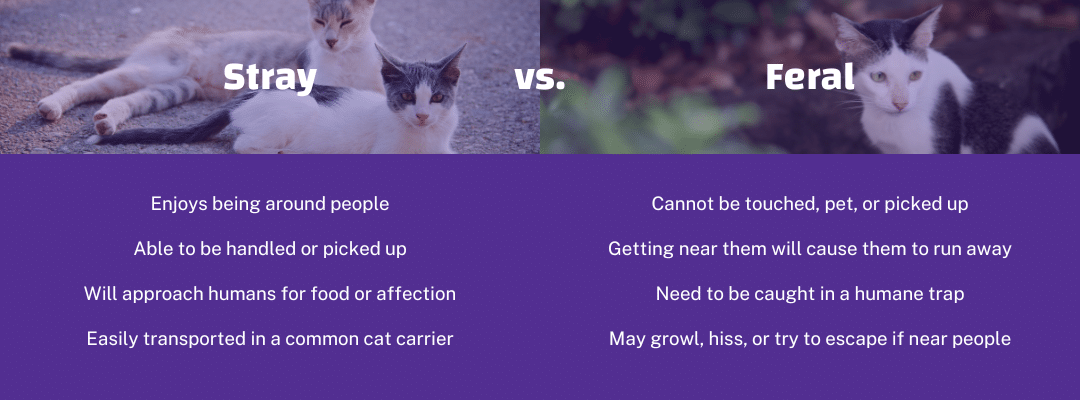
Recognizing a feral cat is the first step to helping one. Feral cats live mostly outdoors and avoid humans. They act differently from pets or stray cats. Knowing their signs helps you approach safely and with care.
Behavioral Signs
- Hides during the day and comes out at night
- Avoids eye contact and runs away quickly
- Hisses, growls, or shows teeth if cornered
- Does not seek human attention or touch
- Moves silently and stays in small groups
Physical Traits
- Often has rough or dirty fur
- May have scars or injuries from fights
- Looks lean or muscular due to outdoor life
- Usually has alert, wide eyes
- Sometimes has ear tips clipped (sign of trap-neuter-return)
Distinguishing From Strays
- Strays may approach humans for food or petting
- Strays often show friendlier body language
- Feral cats stay hidden and avoid people
- Strays may have collars or tags
- Feral cats rely on hunting and scavenging
Preparing For Rescue
Approach a feral cat with calm and slow movements to avoid scaring it. Prepare a quiet, safe space with food and water to gain trust. Patience is key during the rescue process.
Rescuing a feral cat is a compassionate endeavor that requires meticulous planning. Before you embark on this mission, laying the groundwork is essential. Preparation ensures a smoother rescue process and enhances the chances of successfully helping the cat.Gathering Supplies
Start by collecting all necessary supplies. You will need a humane trap, blankets, and food to attract the cat. A pair of gloves is crucial to protect your hands from scratches or bites. Consider the cat’s comfort by providing a soft blanket inside the trap. This can make the trap less intimidating. Don’t forget to have a cat carrier ready for transport once the cat is safely trapped.Choosing The Right Trap
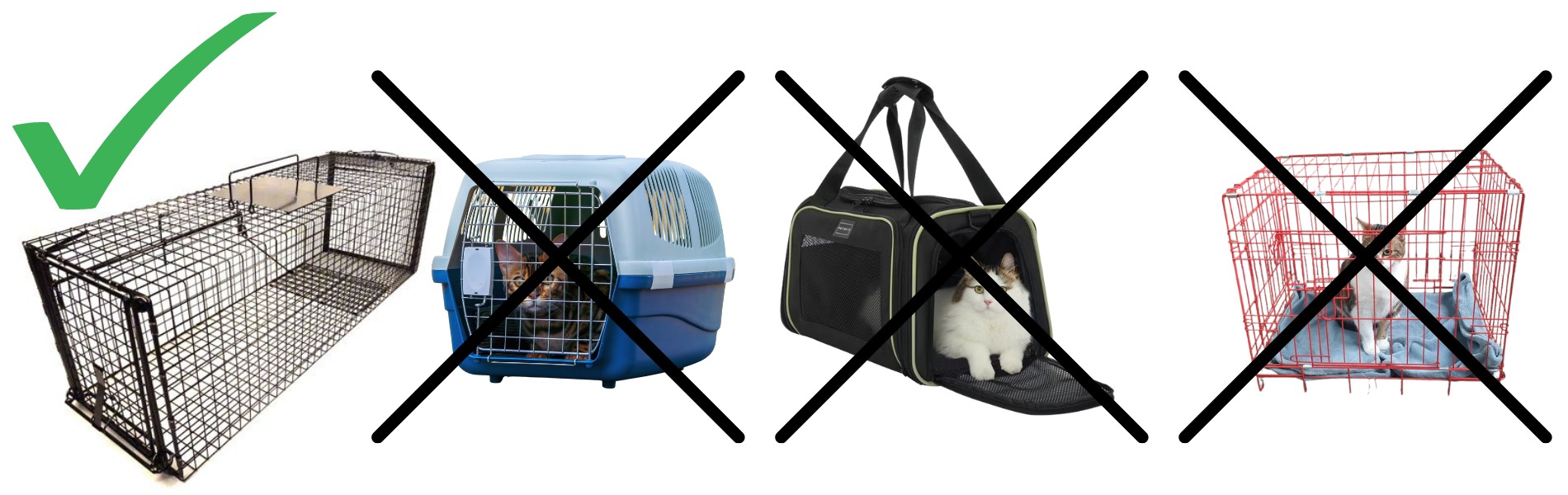
Selecting the appropriate trap is vital. Use a humane trap designed specifically for feral cats. These traps are generally easy to set and safe for the animal. Ensure the trap is large enough for the cat to comfortably enter and exit. A small trap may deter the cat due to discomfort. Local animal shelters or rescue groups often lend traps if you don’t own one.Ensuring Safety
Your safety and the cat’s safety are paramount. Always wear protective gloves when handling the trap or the cat. Cats can be unpredictable when scared. Position the trap in a quiet, secluded area where the cat feels secure. Avoid busy locations to reduce stress for the cat. Once trapped, cover the trap with a blanket to calm the cat during transport. Taking these steps can make your rescue mission more effective and less stressful. Are you ready to make a difference in a feral cat’s life?Approaching The Cat
Approaching a feral cat is a delicate task that requires patience and understanding. These cats are usually wary of humans and may react with fear or aggression if approached too quickly. Your goal is to create a calm environment where the cat feels safe enough to come closer on its own terms.
Building Trust
Start by observing the cat from a distance. Sit quietly and avoid making sudden movements or loud noises. Let the cat get used to your presence without forcing interaction.
Try spending time near the cat daily, speaking softly to help it recognize your voice. Trust doesn’t build overnight, so be patient and consistent. Have you noticed how a calm presence can slowly change a cat’s behavior?
Using Food As Bait
Food is a powerful motivator. Place small amounts of tasty treats or wet cat food near the cat, gradually moving the dish closer to you each day. This helps the cat associate you with positive experiences.
Avoid making direct eye contact while feeding, as it can feel threatening. Instead, look slightly away and let the cat approach at its own pace. What kind of food would your cat find irresistible?
Handling With Care
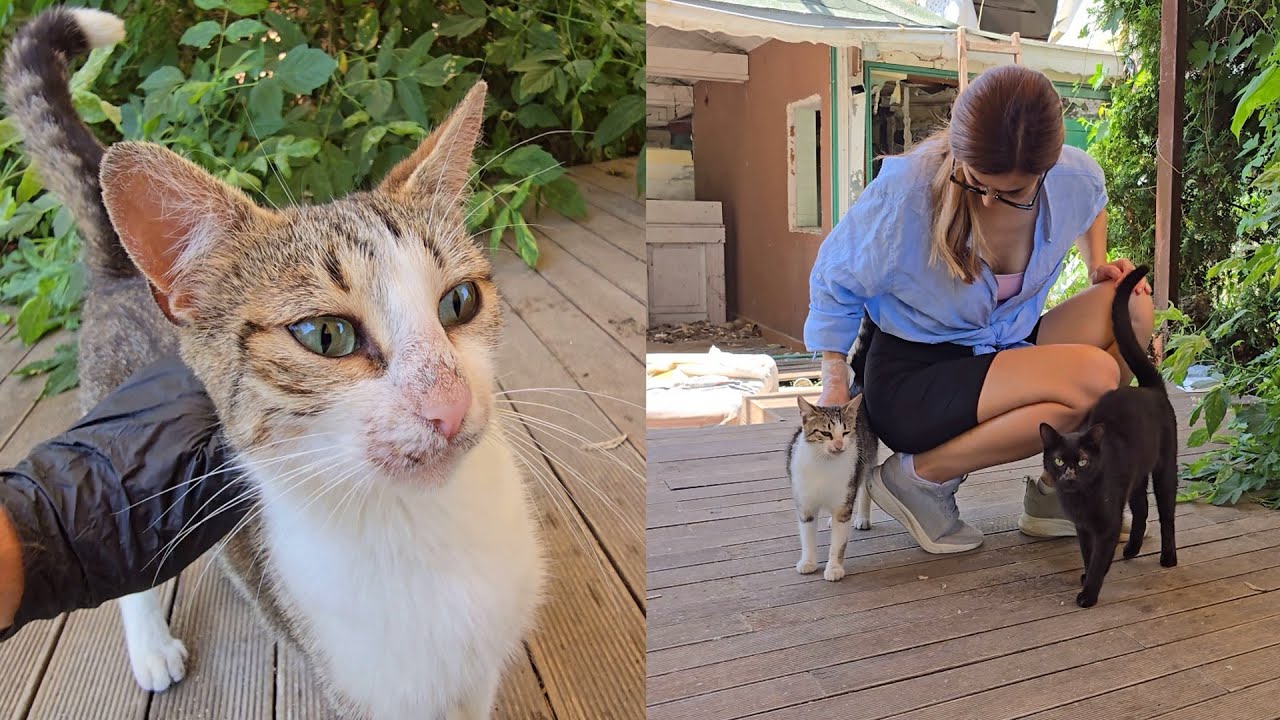
Once the cat starts allowing you closer, handling should be slow and gentle. Use soft, reassuring touches and watch for signs of discomfort or stress. If the cat pulls away or hisses, give it space and try again later.
Always protect yourself by wearing gloves and long sleeves when you attempt to pick up a feral cat. Remember, your careful approach now can prevent injury later and make the rescue successful.
Transporting The Cat
Transporting a feral cat requires care and patience. The cat may feel scared and stressed. The right approach helps keep the cat safe and calm. Prepare everything before moving the cat to avoid sudden problems. This section explains how to transport the cat safely and comfortably.
Safe Carrier Selection
Choose a strong, secure carrier with good ventilation. The carrier should be large enough for the cat to turn around. Hard plastic carriers offer better protection than soft bags. Avoid carriers with sharp edges or loose parts. Line the carrier with a soft towel or blanket for comfort. Make sure the carrier door locks firmly to prevent escape.
Minimizing Stress
Keep the environment quiet during transport. Avoid loud noises and sudden movements. Cover the carrier with a light cloth to reduce visual stimuli. Speak softly to the cat if it allows. Place familiar scents inside, such as a towel from its trap. Move slowly and calmly to avoid frightening the cat. Plan the shortest and smoothest route to the destination.
Securing The Cat During Transit
Place the carrier on a flat surface in the vehicle. Use a seatbelt or secure strap to hold the carrier in place. Avoid putting the carrier on a seat that moves too much. Never hold the carrier on your lap while driving. Keep the car temperature comfortable and avoid direct sunlight on the carrier. Check the cat regularly but avoid opening the carrier during travel.
Providing Initial Care
Providing initial care to a feral cat helps build trust and ensures its health. Patience is key in this process. Start by meeting the cat’s basic needs and creating a safe environment.
Veterinary Checkup
Take the feral cat to a veterinarian as soon as possible. The vet will check for injuries, parasites, and diseases. Vaccinations and spaying or neutering might be necessary. Early treatment protects both the cat and your home.
Feeding And Hydration
Offer fresh water and nutritious food daily. Use wet cat food or soft food for easier eating. Feed the cat at the same times each day to create a routine. Avoid sudden changes in diet to prevent stomach issues.
Creating A Comfortable Space
Set up a quiet, warm area for the cat to rest. Use a soft bed or blanket inside a safe enclosure. Keep the space away from loud noises and busy areas. Provide hiding spots to help the cat feel secure.
Socializing Techniques
Socializing a feral cat takes patience and gentle care. The goal is to build trust and help the cat feel safe around people. Socializing helps the cat become calmer and more comfortable in a home. Each cat moves at its own pace, so adapt your approach to their needs. Small, consistent steps lead to better results over time.
Gradual Interaction
Start by spending quiet time near the cat without forcing contact. Sit or lie down at a distance and let the cat watch you. Avoid sudden movements or loud noises that might scare them. Offer food or treats nearby to create positive associations. Slowly decrease the distance as the cat shows less fear. Let the cat come closer on its own. Never rush or grab the cat.
Using Positive Reinforcement
Reward good behavior with treats and gentle praise. Use soft voices to calm the cat during interactions. Play with toys to create fun experiences together. Avoid punishment or harsh words, which cause fear. Consistent rewards encourage the cat to repeat positive actions. Use small, tasty treats that the cat enjoys. Make each interaction short but pleasant.
Recognizing Progress
Watch for signs of trust, such as approaching or purring. Notice if the cat stays calm during petting or touch. Celebrate small wins like eating near you or showing curiosity. Keep a journal of changes to track improvement. Adjust your approach if the cat seems stressed. Every step forward, no matter how small, is progress.
Deciding On Long-term Options
Deciding on long-term options is key after rescuing a feral cat. The right choice helps the cat live safely and happily. It also protects the local community and other animals.
Each cat’s needs and behavior differ. Some adjust well to indoor life. Others prefer staying outdoors but need care. Consider the cat’s health, temperament, and environment before deciding.
Adoption Possibilities
Adopting a feral cat means bringing it into a home. Some feral cats become loving pets with time and patience. They need a quiet, safe space to feel secure.
Indoor life protects the cat from dangers like traffic and predators. It also helps prevent the spread of diseases. Gradual socialization helps the cat trust humans.
Trap-neuter-return (tnr) Programs
TNR is a humane way to control feral cat populations. Cats are trapped, neutered or spayed, and then returned to their outdoor homes. This stops more kittens from being born.
TNR improves cats’ health and reduces nuisance behaviors like yowling and fighting. It keeps colonies stable and helps communities coexist with feral cats peacefully.
Finding Foster Homes
Foster homes provide temporary care for feral cats. This helps cats recover from illness or surgery. It also aids socialization before adoption.
Foster families offer love and attention. They watch for health changes and help cats build trust. Fostering supports shelters and reduces overcrowding.
Credit: robinsonsrescue.org
Preventing Future Feral Situations
Rescuing a feral cat is just the beginning. Preventing more cats from ending up in the same situation is essential for lasting change. You can help stop the cycle by taking action within your community and supporting efforts that reduce feral cat populations.
Community Awareness
Raising awareness about feral cats helps people understand why these cats need help. Share your experiences with neighbors or at community events. You might be surprised how many people want to help but don’t know how.
Encourage others to watch for feral cats and report their locations. This can make trapping and rescuing more efficient. Ask yourself: how can you spread the word in your local area?
Spaying And Neutering
Controlling the feral cat population starts with spaying and neutering. These procedures prevent new litters and reduce the number of cats living on the streets.
If you’ve rescued a feral cat, make sure it gets spayed or neutered before release or adoption. Many communities offer low-cost or free programs—check if yours does. You can also help by supporting trap-neuter-return (TNR) initiatives that humanely manage feral colonies.
Supporting Local Shelters
Local shelters and rescue groups often face overwhelming numbers of feral cats. They need your support to provide medical care, food, and shelter.
Volunteering your time or donating supplies can make a big difference. Even sharing their social media posts helps raise awareness and find homes. What small action can you take today to support these lifesaving efforts?
Credit: www.youtube.com
Frequently Asked Questions
How Do I Safely Approach A Feral Cat?
Approach slowly and quietly to avoid startling the cat. Use calm, soft voices and avoid direct eye contact. Offer food as a peace gesture. Patience is key; sudden movements can scare the cat away.
What Supplies Are Needed To Rescue A Feral Cat?
You’ll need a humane trap, gloves, food, a carrier, and bedding. Also prepare a quiet, safe space for the cat’s recovery. These items ensure safety and comfort during the rescue process.
How Can I Gain A Feral Cat’s Trust?
Regular feeding and gentle, consistent interaction help build trust. Avoid forcing contact; let the cat come to you. Over time, the cat will feel safer and more comfortable around you.
When Should I Seek Veterinary Care For A Feral Cat?
Seek veterinary care immediately if the cat appears injured, sick, or pregnant. Even healthy feral cats need vaccinations and spaying/neutering. Early vet visits ensure the cat’s health and reduce community risks.
Conclusion
Rescuing a feral cat takes patience and kindness. Every small step helps build trust. Give the cat time to feel safe and calm. Provide food, water, and shelter nearby. Avoid sudden moves or loud noises around them. Watch their behavior and learn their needs.
Remember, not all feral cats become pets. Some may live happily with gentle care outside. Your efforts can save a life and bring peace. Keep trying, and enjoy the reward of a new friend. Caring for feral cats makes a big difference.

Lily Purrington is the founder of MyKittyPicks.com, a cozy corner of the web dedicated to helping cat lovers discover the best cat products, furniture, toys, and home decor ideas.
A lifelong cat enthusiast, Lily shares trusted tips, honest product recommendations, and stylish inspiration designed to keep kitties happy and homes beautiful.
Her mission is simple: to bring together practical advice and purr-fect picks that make life better for cats and the people who love them.


