

Caring for a feral cat can feel overwhelming, but it doesn’t have to be. You might wonder how to help a wild cat without scaring it away or causing harm.
What you do can make a big difference in that cat’s life. Imagine gaining their trust and knowing exactly how to keep them safe and healthy. You’ll discover simple, practical steps to care for a feral cat. By the end, you’ll feel confident and ready to make a positive impact.
Keep reading—your new furry friend is counting on you.

Credit: www.reddit.com
Recognizing Feral Cats
Recognizing feral cats is the first step in learning how to care for them properly. These cats live wild and often avoid human contact, which makes it tricky to know if a cat is truly feral or just lost. Understanding the differences can help you approach them safely and provide the right kind of support.
Differences Between Feral And Stray Cats
Feral cats are born and raised in the wild without human socialization. They tend to be very cautious and avoid people at all costs. Stray cats, on the other hand, were once pets or had some human contact but got lost or abandoned.
Here’s a quick comparison:
| Aspect | Feral Cats | Stray Cats |
|---|---|---|
| Behavior Around Humans | Fearful and avoids interaction | May approach humans or seek attention |
| Appearance | Often rough, but can look healthy | May look disheveled or hungry |
| Socialization | Little to none | Some level of socialization |
Ask yourself: Does the cat run away when you come close, or does it seem curious? That simple observation can tell you a lot.
Signs Of A Feral Cat
Feral cats show clear signs that set them apart. They usually avoid eye contact and stay hidden during the day.
- Alertness:They’re always watching and ready to flee.
- Body Language:Tense posture, flattened ears, and puffed-up fur when threatened.
- Vocalization:They rarely meow unless distressed.
- Living Conditions:Often found near food sources but in secluded spots.
I once tried to approach a feral cat colony in my neighborhood. At first, they scattered quickly, but over weeks, they trusted me enough to eat near me. That patience taught me the importance of respecting their space while slowly building trust.
Can you imagine what it feels like to be constantly on guard? Recognizing these signs helps you meet feral cats where they are, making your care efforts more effective.
Approaching Feral Cats Safely
Approaching a feral cat requires patience and caution. These cats are often wary of humans due to their past experiences. Your goal is to make them feel safe and respected, not threatened.
Building Trust Gradually
Start by observing the cat from a distance. Notice their routine and favorite spots. This helps you understand when and where to approach gently.
Speak softly and avoid sudden movements. Sit quietly nearby during feeding times. Over days or weeks, the cat will begin to associate you with positive experiences.
Offer food consistently at the same spot and time. This simple act builds anticipation and trust. Have you noticed how a small gesture like offering food changes a cat’s behavior?
Tools For Safe Interaction
Use tools that protect both you and the cat during initial contact. A sturdy carrier or humane trap can help safely transport the cat if needed.
Wear gloves to prevent scratches or bites. A long sleeve shirt adds extra protection. These items keep you safe while showing the cat you mean no harm.
Consider using a towel to gently wrap the cat if you need to hold them. It calms the cat and prevents injury. Have you prepared your space with these simple tools before approaching?
Feeding Feral Cats
Feeding feral cats requires more than just putting out food. It’s about understanding their unique needs and creating a safe, consistent environment. Your approach can make a huge difference in their health and trust toward humans.
Best Food Choices
Feral cats thrive on a diet that closely resembles what they would hunt in the wild. High-protein, meat-based wet food is ideal because it provides hydration and essential nutrients.
Dry kibble can be used but should not be the only food source, as it lacks moisture. Avoid foods with too many fillers like corn or soy, which offer little nutrition. You might want to try canned cat food labeled “grain-free” or “high-protein.”
Adding a bit of tuna or cooked chicken can encourage them to eat, but don’t rely on human food regularly. Have you noticed how picky they can be? Offering variety can help find what your feral cats prefer.
Feeding Schedules And Locations
Consistency builds trust. Feeding feral cats at the same time every day helps them know when to expect food and reduces their stress. Early morning or late evening often works best as it mimics their natural hunting times.
Choose a quiet, sheltered spot away from busy roads and loud noises. This helps cats feel safe while eating and prevents food from attracting unwanted animals. Using a feeding station with some cover can work wonders.
Make sure to clean up leftover food regularly to avoid pests. Have you thought about how your feeding spot might impact local wildlife? Keep this in mind to balance care for feral cats with the surrounding environment.
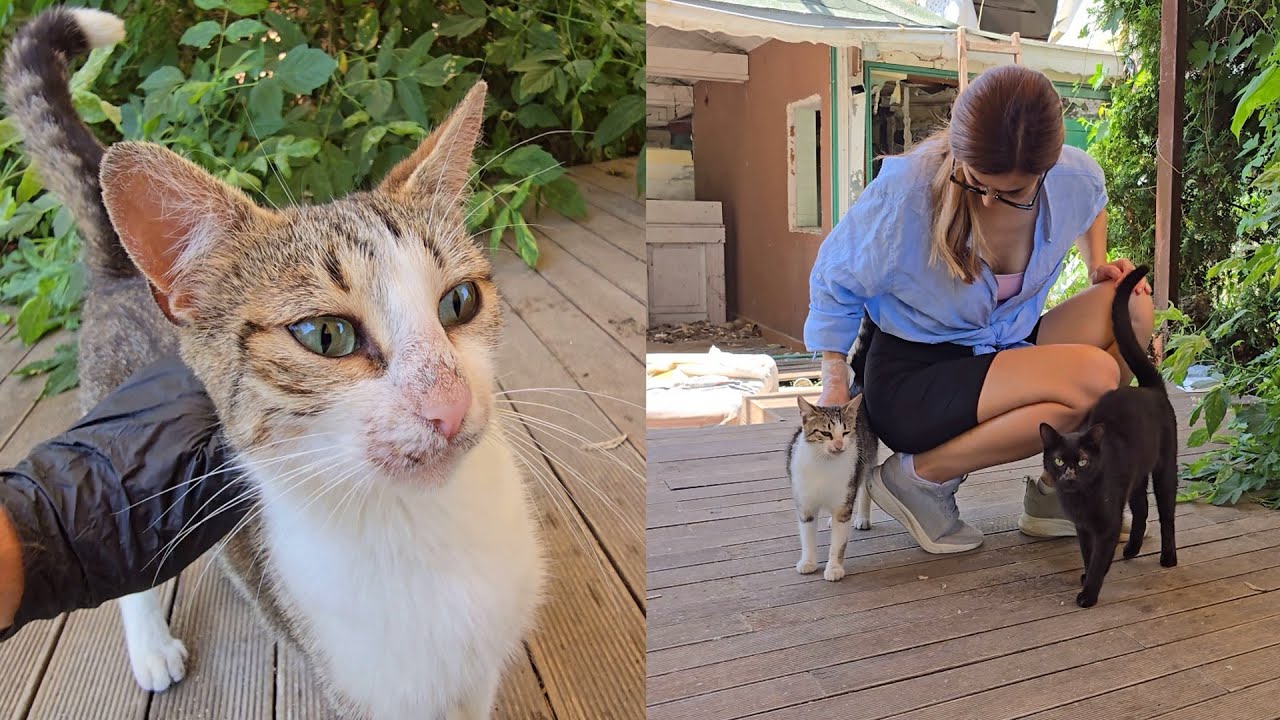
Credit: www.youtube.com
Providing Shelter
Providing shelter is one of the most important ways to care for a feral cat. It offers protection from harsh weather and a safe place to rest. Without shelter, feral cats face dangers like cold, rain, and predators, which can severely affect their health.
Diy Shelter Ideas
Building a shelter for a feral cat doesn’t have to be complicated or expensive. You can use simple materials like plastic storage bins, Styrofoam coolers, or wooden crates.
- Cut an entrance hole just big enough for the cat to enter, which helps keep warmth inside.
- Line the floor with straw instead of blankets, as straw stays dry and insulates better.
- Add a flap made from heavy plastic or fabric over the entrance to keep out wind and rain.
I once used an old plastic storage bin for a feral cat in my neighborhood. Adding straw inside and a small plastic flap made a huge difference during winter. The cat started visiting more often and seemed healthier.
Placement Tips For Safety
Where you put the shelter is just as important as how you build it. Choose a quiet spot away from heavy foot traffic or loud noises.
- Place the shelter near natural cover like bushes or fences to shield it from wind and prying eyes.
- Elevate the shelter slightly off the ground to avoid flooding and dampness.
- Keep it close to a food source, so the cat doesn’t have to travel far in bad weather.
Think about how you can protect the shelter from neighborhood dogs or other animals that might scare the cat away. Would you want to rest in a noisy or exposed spot? Probably not, and neither will your feral friend.
Health Care Needs
Taking care of a feral cat's health is crucial to help them live a safer and more comfortable life. These cats often face risks from harsh environments, infections, and parasites. Understanding their health care needs allows you to support their well-being effectively.
Vaccinations And Parasite Control
Vaccinations protect feral cats from common deadly diseases like rabies, feline distemper, and respiratory infections. If you have the chance to trap a feral cat for a vet visit, prioritize getting their vaccinations up to date.
Parasites such as fleas, ticks, and worms are common and can severely weaken a feral cat. Regular parasite control treatments—like topical flea preventatives or deworming medications—can make a huge difference. Remember, untreated parasites not only harm the cat but can also spread to other animals and humans around you.
Recognizing Illness
Feral cats hide pain and sickness well, so spotting illness early is key. Watch for signs like limping, discharge from eyes or nose, coughing, or sudden changes in behavior or appetite.
If a feral cat looks lethargic, has a swollen belly, or shows wounds that don’t heal, these are red flags. Your quick action to get them medical attention can save their life. Have you ever noticed subtle signs of illness in an animal and wondered if you should intervene?

Credit: www.herveycats.com
Trap-neuter-return (tnr) Method
The Trap-Neuter-Return (TNR) method is a humane and effective way to care for feral cats. It involves safely trapping the cats, having them neutered or spayed, and then returning them to their original location. This approach helps control the feral cat population without harming the cats or disrupting their established territories.
Benefits Of Tnr
TNR reduces the number of unwanted kittens born in the feral cat community. This prevents overpopulation, which can lead to starvation, disease, and conflicts among cats.
Neutered cats tend to be calmer and less likely to roam or fight. This means fewer injuries, less noise, and a more stable group of cats in your neighborhood.
By returning cats to their familiar environment, you maintain the balance in the local ecosystem. Plus, it gives you a chance to build trust and provide ongoing care.
How To Implement Tnr
- Find the cats:Observe their usual spots and feeding times to plan your trapping.
- Get a humane trap:Use a well-ventilated trap that won’t harm the cats during capture.
- Set the trap:Place bait like canned tuna or sardines inside the trap.
- Monitor closely:Check the trap frequently to reduce stress for the cat.
- Take cats to a vet:Schedule surgery for neutering/spaying and health checks.
- Mark the cat:Ear tipping is a common way to identify cats that have been fixed.
- Return the cat:Place the cat back in the same spot once fully recovered.
Have you noticed how much easier it is to care for a feral cat colony after using TNR? It’s a game changer. You’re not just controlling numbers—you’re improving their quality of life and your relationship with the community.
Long-term Support
Long-term support is essential for the well-being of feral cats. It’s not just about feeding them once; it involves continuous care, observation, and community efforts. Your ongoing commitment can make a real difference in their health and survival.
Monitoring Colonies
Keeping an eye on feral cat colonies helps you spot health issues early. Regular visits allow you to check for injuries, illness, or changes in behavior. This way, you can act quickly to get medical help or adjust care routines.
Tracking the number of cats and their condition over time is also important. You might notice new cats arriving or some disappearing. This information helps in planning feeding schedules and deciding when to trap, neuter, and release (TNR) cats to control the population.
Community Involvement
Your local community can be a powerful ally in caring for feral cats. Sharing your knowledge and encouraging neighbors to support colonies can ease the workload. Have you considered setting up a group or online forum to coordinate feeding and monitoring efforts?
Partnering with local vets, shelters, and animal welfare groups can provide resources like vaccines and spay/neuter services. Community involvement also raises awareness, reducing complaints and promoting kindness towards feral cats. Together, you can create a safer, healthier environment for these animals.
Frequently Asked Questions
How Do I Safely Approach A Feral Cat?
Approach slowly and quietly to avoid scaring the cat. Use gentle movements and avoid direct eye contact. Offer food to build trust over time. Patience is key to gaining a feral cat’s confidence safely.
What Is The Best Food For Feral Cats?
Provide high-protein wet or dry cat food. Avoid human food, which can be harmful. Fresh water should always be available. Consistent feeding times help establish a routine and trust with feral cats.
How Can I Help Feral Cats Stay Healthy?
Trap, neuter, and return (TNR) programs prevent overpopulation. Regularly check for wounds or illnesses. Provide shelter from harsh weather. Avoid unnecessary handling to reduce stress and promote their well-being.
When Should I Call A Vet For A Feral Cat?
Seek veterinary care if the cat is injured or sick. Signs include limping, discharge, or unusual behavior. A vet can also assist with vaccinations and spaying/neutering. Early intervention improves their chances of survival.
Conclusion
Caring for a feral cat takes patience and kindness. Providing food, water, and safe shelter helps them survive. Respect their space and avoid sudden moves. Regular feeding builds trust over time. Watching their health keeps them safe from illness. Small efforts make a big difference in their lives.
Helping feral cats shows compassion and responsibility. Each act of care creates a better world for these animals. Keep learning and stay gentle with them. Your care can change a feral cat’s future.

Lily Purrington is the founder of MyKittyPicks.com, a cozy corner of the web dedicated to helping cat lovers discover the best cat products, furniture, toys, and home decor ideas.
A lifelong cat enthusiast, Lily shares trusted tips, honest product recommendations, and stylish inspiration designed to keep kitties happy and homes beautiful.
Her mission is simple: to bring together practical advice and purr-fect picks that make life better for cats and the people who love them.


