

Have you ever watched your cat spend what seems like forever licking their fur and wondered, “How much time do cats really spend grooming?” You might be surprised to learn that grooming is more than just a way for your feline friend to stay clean. It’s a crucial part of their health, comfort, and even their mood.
Understanding how much time your cat dedicates to grooming can help you better care for them and notice when something might be wrong. Keep reading to discover the secrets behind your cat’s grooming habits and what they mean for your furry companion.
Daily Grooming Habits
Cats are known for their fastidious grooming habits, spending a significant part of their day cleaning themselves. This routine not only helps them stay clean but also regulates body temperature and strengthens their bond with their surroundings. Understanding how much time your cat devotes to grooming can reveal a lot about their health and happiness.
Average Time Spent
Most cats spend about 30% to 50% of their waking hours grooming. This can translate to roughly 2 to 4 hours a day, depending on the individual cat. You might notice your cat licking its fur, nibbling on loose hairs, or rubbing its face with paws regularly throughout the day.
Observing your cat’s grooming routine can give you clues about its well-being. Excessive grooming might indicate stress or skin problems, while too little grooming could signal illness or discomfort. Have you ever caught your cat mid-groom and wondered if that’s normal for them?
Variations By Age And Breed
Young cats and kittens tend to groom less frequently than adults because they are still learning the habit and have more energy for play. Older cats may groom less too, especially if they face mobility issues or dental pain. You might see your senior cat spending shorter, less frequent sessions cleaning itself.
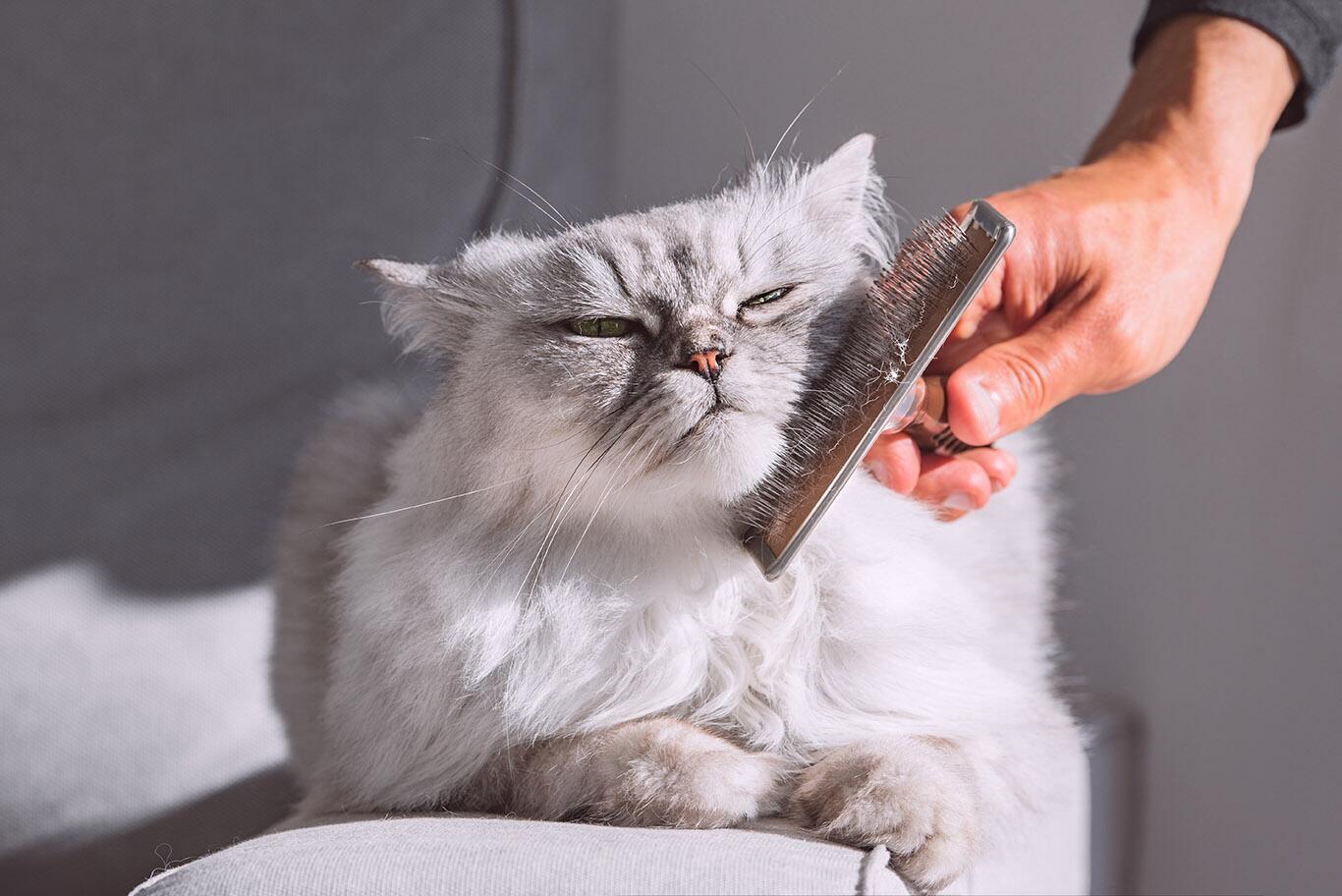
Breed also plays a role in grooming time. Long-haired breeds like Persians require more grooming to prevent matting, so they often spend extra time licking and brushing their coats. Short-haired cats usually need less grooming and may spend less time on the task.
Have you noticed differences between your cats’ grooming habits based on their age or breed? Paying attention to these details can help you support their grooming needs better, perhaps by adding brushing sessions or checking for health issues.
Credit: www.latimes.com
Reasons Cats Groom
Cats spend a large part of their day grooming. Grooming is not just about looking good. It serves many important purposes for cats. Understanding why cats groom helps us see their behavior better. Their grooming habits keep them healthy and comfortable.
Hygiene And Cleanliness
Cats groom to keep their fur clean and free of dirt. Their tongues have tiny, rough textures. These help remove loose hair and dust. Grooming also helps stop parasites like fleas. Clean fur reduces the chance of infections. A clean coat looks shiny and smooth.
Temperature Regulation
Grooming helps cats control their body temperature. When cats lick their fur, saliva spreads across the skin. This saliva cools them down as it evaporates. In cold weather, grooming fluffs their fur. Fluffed fur traps warm air close to the skin. This keeps cats warm and cozy.
Stress Relief
Grooming calms cats when they feel anxious or scared. It works like a natural stress ball. Licking and cleaning releases feel-good chemicals in their brain. This lowers their heart rate and relaxes their muscles. Cats often groom after loud noises or new experiences. Grooming helps them feel safe and secure.
Grooming Techniques
Cats spend a large part of their day grooming to keep clean and healthy. This activity helps them remove dirt and loose fur while also calming their minds. Grooming can take up to 50% of a cat’s waking hours.
Cats are meticulous creatures, especially when it comes to grooming. Their grooming techniques are not just about cleanliness; they are deeply rooted in their instincts and overall well-being. Understanding these techniques can offer insights into your cat’s health and happiness.Licking Patterns
Cats have a unique way of licking themselves that might seem random but is actually quite methodical. They often start with their paws, wetting them with saliva, and then using them to clean hard-to-reach areas. This pattern ensures that they cover every inch of their body, maintaining their sleek and shiny coat. Cats also lick themselves to regulate their body temperature. The evaporation of saliva from their fur can help cool them down. Ever noticed your cat focusing on a particular area? It might be trying to soothe an itch or remove debris.Use Of Paws And Tongue
Cats use their paws like washcloths. They lick their paws and then wipe them over their face, ears, and head. This technique allows them to groom areas that are otherwise difficult to reach with their tongue alone. The tongue itself is a marvel of nature. Covered with tiny, hook-like structures called papillae, it acts like a comb, untangling knots and removing loose fur. This is why grooming sessions often result in fur balls, much to a cat owner’s dismay.Role Of Whiskers
Whiskers play a crucial role in a cat’s grooming routine. They help them navigate tight spaces and avoid obstacles. But did you know that whiskers also help determine the cleanliness of an area before grooming it? Cats use their whiskers to gauge their environment. They can detect tiny changes in air currents, which might indicate something undesirable on their fur. It’s fascinating how these sensitive hairs contribute to a cat's grooming rituals. Have you ever watched your cat groom and wondered about its techniques? Observing these behaviors can reveal a lot about your furry friend’s health and preferences. Next time, pay close attention to their grooming habits—it might just help you understand them better.
Credit: www.latimes.com
Impact Of Environment
The environment your cat lives in plays a huge role in how much time it spends grooming. Different surroundings present unique challenges and influences that affect your cat’s cleanliness habits. Understanding these can help you better care for your furry friend and anticipate their grooming needs.
Indoor Vs Outdoor Cats
Indoor cats generally spend less time grooming compared to outdoor cats. When your cat stays inside, it faces fewer dirt, parasites, and debris that require constant cleaning. I noticed my indoor cat spends around 15-20% of its waking hours grooming, mainly to keep its fur smooth and comfortable.
Outdoor cats, however, encounter dirt, mud, and insects daily. They often spend much more time grooming to remove these irritants and to maintain their fur’s condition. Outdoor cats may also groom to cool down or warm up, depending on the weather, making their grooming sessions longer and more frequent.
Seasonal Changes
Seasonal shifts can dramatically change your cat’s grooming habits. During warmer months, cats groom more to cool off by spreading saliva across their fur, which evaporates and lowers their body temperature. In cold seasons, they might groom less but focus more on fluffing their fur to trap heat.
Shedding also peaks during spring and fall, increasing grooming time as cats remove loose hair. Have you ever noticed your cat leaving hair all over the furniture more during these times? That’s a clear sign they are spending extra time grooming to adjust their coat for the changing weather.
Health Indicators In Grooming
Grooming is more than just a routine for cats; it serves as a vital health indicator. Paying attention to how your cat grooms can reveal a lot about their physical and emotional well-being. Changes in grooming habits often signal underlying issues that you might otherwise miss.
Excessive Grooming Signs
If your cat suddenly starts grooming excessively, it’s a red flag you shouldn’t ignore. Excessive grooming can lead to bald patches, raw skin, or scabs. This behavior often points to stress, allergies, or even parasites like fleas.
Think about the last time you noticed your cat licking one spot repeatedly. That could mean irritation or pain in that area. It’s worth checking their skin and fur for unusual redness or swelling.
- Look for constant licking or biting of the same spot
- Check for redness, sores, or hair loss
- Notice if your cat seems restless or anxious
Lack Of Grooming Concerns
On the flip side, a lack of grooming can also indicate problems. Older cats or those feeling unwell may stop grooming themselves, leading to matted fur and an unkempt appearance. This can be a sign of dental issues, arthritis, or depression.
One time, I noticed my usually sleek cat had dull, clumpy fur and a strong odor. This lack of grooming was her way of telling me she wasn’t feeling well. After a vet visit, we found an underlying dental infection that was making grooming painful.
- Watch for dull, greasy, or matted fur
- Observe if your cat avoids grooming after illness or injury
- Consider age-related factors affecting mobility
Are you closely observing your cat’s grooming habits? Small changes might be the early warning signs you need to catch. Your cat’s grooming routine is a window into their health—don’t overlook it.
Credit: www.latimes.com
Grooming And Social Behavior
Cats spend a significant part of their day grooming. This activity is not just about cleanliness. Grooming also plays a key role in their social lives. It helps cats connect with others and build trust. Understanding grooming’s social side reveals much about feline behavior.
Mutual Grooming Among Cats
Mutual grooming, or allogrooming, happens when cats clean each other. It often occurs between cats that share a close bond. This behavior strengthens friendships and reduces stress. Cats reach hard-to-clean spots for one another during grooming. It shows care and helps maintain group harmony.
Mutual grooming also signals trust and safety. Cats avoid grooming strangers this way. It is mostly seen among family members or long-time companions. This act creates a peaceful environment within the group.
Bonding With Owners
Cats groom their owners sometimes as a sign of affection. They may lick hands, faces, or hair gently. This behavior mimics how they groom other cats. It reflects comfort and trust in the relationship. Grooming helps cats feel closer to their humans.
Owners can respond by petting or speaking softly. This strengthens the emotional bond. Grooming moments become a way to communicate love and security. It also helps cats relax and feel safe at home.
Tips For Cat Owners
Understanding your cat's grooming habits helps keep them healthy and happy. Cats spend a lot of time cleaning themselves. This is normal and important for their well-being. Cat owners can support this natural behavior with simple steps.
Supporting Healthy Grooming
- Brush your cat regularly to remove loose fur and dirt.
- Provide a clean and calm environment for grooming.
- Offer a balanced diet to maintain healthy skin and coat.
- Give fresh water daily to keep your cat hydrated.
- Use gentle grooming tools suitable for your cat’s fur type.
- Spend time petting and checking your cat’s skin and fur.
- Keep your cat’s claws trimmed to avoid self-injury during grooming.
When To Consult A Vet
Notice changes in your cat’s grooming habits. Less grooming can signal health problems. Excessive grooming may cause bald spots or skin irritation. Watch for signs like scratching, redness, or sores.
Contact a vet if your cat:
- Stops grooming for several days
- Grooms too much and damages fur or skin
- Shows signs of pain or discomfort
- Has changes in appetite or behavior
Early help can prevent serious health issues. Regular vet visits keep your cat in top shape.
Frequently Asked Questions
How Much Time Do Cats Spend Grooming Daily?
Cats typically spend 30-50% of their waking hours grooming. This can range from 1 to 3 hours daily. Grooming helps them stay clean, regulate body temperature, and reduce stress. It’s a natural and essential part of their routine for health and comfort.
Why Do Cats Groom Themselves So Often?
Cats groom to clean their fur, remove dirt and parasites, and regulate body heat. Grooming also helps reduce stress and strengthens their bond with other cats. It’s an instinctive behavior essential for their hygiene and well-being.
Does Grooming Time Vary By Cat Breed Or Age?
Yes, grooming time varies. Long-haired breeds spend more time grooming to maintain their coats. Older cats may groom less due to arthritis or health issues. Kittens and young cats often groom more frequently as they learn self-care habits.
Can Excessive Grooming Indicate Health Problems?
Excessive grooming may signal stress, allergies, or skin infections. If a cat grooms to the point of hair loss or sores, consult a vet. Monitoring grooming habits helps detect health or behavioral issues early for timely care.
Conclusion
Cats spend a lot of time grooming every day. This helps them stay clean and healthy. Grooming also keeps their fur soft and free of dirt. It is a natural way for cats to relax and feel safe. Watching a cat groom shows how much they care for themselves.
Understanding their grooming habits helps you take better care of your pet. Remember, a well-groomed cat is usually a happy cat. Keep an eye on their grooming to spot any health problems early. Simple, daily grooming habits make a big difference.

Lily Purrington is the founder of MyKittyPicks.com, a cozy corner of the web dedicated to helping cat lovers discover the best cat products, furniture, toys, and home decor ideas.
A lifelong cat enthusiast, Lily shares trusted tips, honest product recommendations, and stylish inspiration designed to keep kitties happy and homes beautiful.
Her mission is simple: to bring together practical advice and purr-fect picks that make life better for cats and the people who love them.


