

Winter can be a tough time for feral cats, and you might be wondering how you can help them survive the cold months. You might see them roaming your neighborhood, seeking warmth and food.
These resilient creatures rely on kind-hearted individuals like you to make it through the harsh conditions. But where should you start? What steps can you take to ensure their well-being without disrupting their natural instincts? In this guide, you’ll discover simple, effective ways to care for feral cats during winter.
From creating cozy shelters to providing essential nourishment, you’ll learn how to make a difference. Keep reading to find out how you can become a lifeline for these cats, transforming your compassion into action.
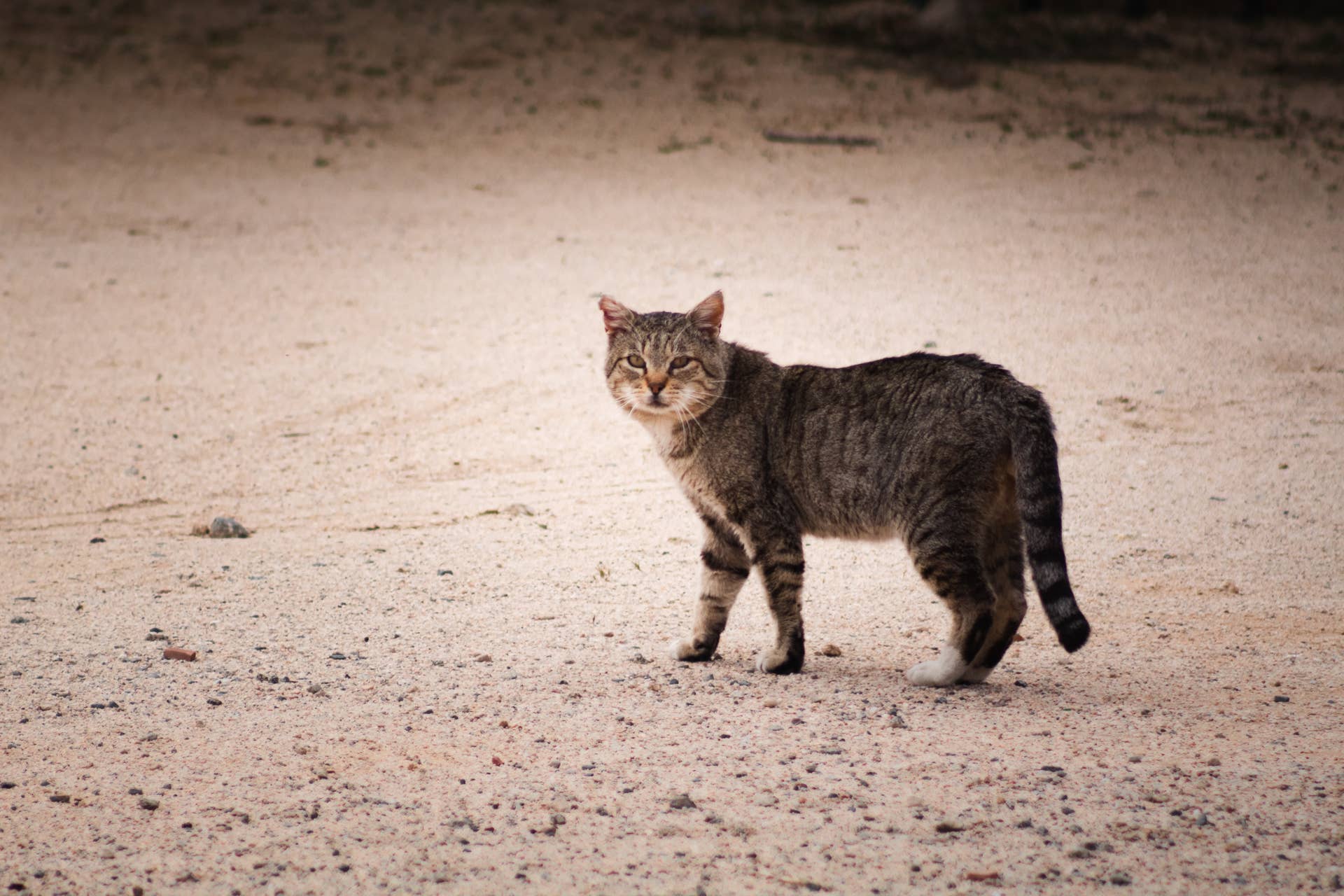
Credit: pethelpful.com
Winter Challenges For Feral Cats
Winter brings a tough season for feral cats. The cold, scarcity of food, and lack of shelter make survival challenging. Understanding these difficulties helps you provide better care and support during the harsh months.
Cold Weather Risks
Feral cats face serious threats from freezing temperatures. Hypothermia and frostbite can happen quickly if they stay exposed for too long. You might notice cats curling up tightly or seeking warm spots, but their natural defenses can only do so much.
Have you ever seen a feral cat shivering or shaking on a cold day? This is a clear sign they need help fast. Offering warmth or a protected space can save their lives.
Limited Food Sources
Winter cuts down on natural prey like rodents and birds. This scarcity forces feral cats to travel farther and take more risks to find food. You may see them scavenging near trash bins or approaching humans more often during this time.
To support them, consider providing regular meals in safe locations. It’s important to keep food dry and fresh, especially when snow or rain is common.
Shelter Needs
Finding shelter becomes a daily struggle for feral cats in winter. They look for places shielded from wind, rain, and snow, such as under cars, in sheds, or abandoned buildings. But these spots often offer limited protection and can be dangerous.
You can help by setting up insulated shelters with bedding like straw, which stays dry and warm. Avoid blankets or towels that hold moisture and freeze, making conditions worse.

Credit: www.petscare.com
Creating Safe Shelter
Creating a safe shelter for a feral cat during winter is crucial for its survival. A well-built shelter protects the cat from harsh winds, snow, and freezing temperatures. Let’s look at how you can build a warm, cozy, and secure refuge that your feral friend will appreciate.
Choosing Shelter Materials
Use sturdy materials that can withstand cold and moisture. Plastic storage bins, wooden crates, or even large rubber tubs work well as bases. Avoid cardboard as it gets soggy and loses insulation quickly.
Line the inside with straw, not hay or blankets, because straw resists moisture and provides excellent insulation. Adding a waterproof flap over the entrance helps keep the cold air out while allowing the cat to come and go freely.
Insulating The Shelter
Insulation keeps warmth inside and cold outside. You can add foam panels or reflectix insulation around the walls and floor for extra protection. Make sure to raise the shelter off the ground using bricks or wooden pallets to prevent dampness from seeping in.
Keep bedding dry and replace it regularly. I once found a feral cat shelter that was beautifully insulated but had wet bedding, making the cat avoid it completely. Dryness is just as important as warmth.
Placement Tips
Place the shelter in a quiet, sheltered area away from busy streets or loud noises. Near a fence, under a bush, or close to a building’s foundation can provide natural windbreaks. Facing the entrance away from prevailing winds reduces drafts inside.
Think about accessibility for the cat and for you to refill bedding or food. Is the spot easy for you to reach but hidden enough to keep the cat safe? Small adjustments in placement can make a big difference in whether the cat uses the shelter.
Providing Food And Water
Providing food and water to feral cats during winter is a critical task that demands your attention and care. Cold temperatures increase their energy needs, and frozen water sources can quickly become a health hazard. You have the power to make a big difference in their survival by offering the right nourishment and hydration.
High-calorie Foods
Feral cats burn more calories in winter to keep warm. Feeding them high-calorie foods helps them maintain body heat and energy levels. Consider canned cat food or a mix of wet and dry food, as wet food provides hydration and dry food offers concentrated calories.
Adding a little bit of kitten formula or baby food with meat can boost calories without upsetting their stomach. I once noticed a feral cat thriving after I started leaving a mix of high-protein canned food and dry kibble. The cat became more active and seemed healthier within days.
Preventing Water Freezing
Water is just as important as food, but it freezes fast outdoors. To keep water available, use shallow bowls and check them often. Place the bowls in a sunny spot or near a heat source if possible.
Adding a small floating object like a ping pong ball can keep the water moving and delay freezing. Another trick is to swap out frozen water quickly with fresh, unfrozen water. Have you tried using insulated containers to keep water liquid? It’s a simple but effective solution.
Feeding Schedules
Regular feeding times build trust and help cats know when to expect food. Feeding once or twice a day is usually enough, but consistency is key. Try to feed at the same times daily, ideally in the morning and early evening.
Keep in mind that feral cats may eat quickly and move on. Watch quietly from a distance to avoid scaring them away. How could adjusting your feeding schedule improve your connection with the cats you care for?
Health Care In Winter
Winter brings unique challenges for feral cats, especially when it comes to their health. Cold temperatures can lead to serious issues if you don’t keep a close eye on their well-being. Paying attention to specific health concerns can make a big difference in how these resilient animals survive harsh weather.
Monitoring For Frostbite
Frostbite often affects a cat’s ears, tail, and paws first. These areas are most exposed to cold and wind. Look for signs like pale, hard skin or areas that feel unusually cold to the touch.
If you notice redness, swelling, or blisters, the cat might be suffering from frostbite. Gently warming the affected areas can help, but severe cases need veterinary care. Have you ever spotted frostbite on a feral cat? Early detection can prevent long-term damage.
Checking For Illness
Winter can weaken a cat’s immune system, making illnesses more common. Watch for symptoms like coughing, sneezing, runny eyes, or lethargy. These signs could indicate respiratory infections, which are common in cold weather.
Also, look for changes in appetite or behavior. A cat that suddenly hides or stops eating might be sick. Do you know a safe way to check on a feral cat without causing stress? Patience and gentle observation are key.
Vaccination And Medical Support
Vaccinations can protect feral cats from diseases that spread more easily in winter shelters. Rabies, feline distemper, and respiratory infections are all preventable with the right shots. If you’re involved in trap-neuter-return (TNR) programs, make sure vaccinations are up to date.
Medical support might also include parasite control, since fleas and ticks can still be a problem indoors or in sheltered spots. Establish a connection with a local vet who understands feral cat needs. Could a little preparation save a cat’s life during the cold months?
Safety And Monitoring
Caring for a feral cat during winter means more than just providing food and shelter. Ensuring their safety and keeping an eye on their well-being can make a huge difference in their survival. You need to stay alert and proactive to protect them from risks that the cold season brings.
Regular Check-ins
Visit your feral cat’s shelter regularly, especially during freezing temperatures. Look for signs of injury, illness, or extreme weight loss. Consistent check-ins help you notice changes early, allowing you to act before problems become serious.
Keep a simple log of each visit: note the cat’s condition, weather, and any new hazards nearby. This record can help you track their health over time and decide if veterinary care is needed.
Avoiding Hazards
Winter introduces dangers like antifreeze spills, icy roads, and frozen water sources. Antifreeze tastes sweet but is deadly—clean spills immediately and keep an eye on areas near garages and parking lots.
Provide a safe water supply by checking daily if it’s frozen. Avoid placing shelters near busy streets or places where snowplows operate. Think about what hidden risks might be lurking in the environment and remove or reduce them whenever possible.
Building Trust
Gaining a feral cat’s trust takes patience, especially in cold months when they may be more cautious. Use consistent feeding routines and quiet behavior to encourage them to approach.
Once trust grows, you can better monitor their health and move them to safer spaces if needed. Have you noticed how a little patience can change a wary cat into a familiar friend? Your calm presence can be their lifeline during harsh winters.

Credit: khpet.com
Frequently Asked Questions
How Do I Keep A Feral Cat Warm In Winter?
Provide insulated shelters with dry bedding in sheltered areas. Use straw, not blankets, to retain heat. Place shelters away from wind and moisture. Regularly check and replace bedding to keep it dry and warm.
What Food Should I Offer Feral Cats In Winter?
Feed high-calorie, nutritious wet or dry food. Increase feeding frequency to help maintain their energy. Provide fresh water daily, preventing it from freezing. Avoid giving milk or human food, which can harm them.
How Can I Safely Trap A Feral Cat For Winter Care?
Use humane traps with bait like canned tuna or sardines. Place traps in quiet, sheltered locations. Check traps frequently to avoid stress. Always handle trapped cats gently and wear protective gloves.
Is It Safe To Leave Water Outside For Feral Cats?
Yes, but use heated water bowls or change water frequently. Prevent freezing by placing bowls in sunny, sheltered spots. Hydration is crucial, especially with dry food diets during winter.
Conclusion
Caring for feral cats in winter takes patience and kindness. Provide warm shelter and fresh food daily. Check water often to prevent freezing. Small efforts can save a cat’s life. Every act of care helps these animals survive cold months.
Stay gentle and consistent with your support. Your care makes a big difference for feral cats. Keep watching for their needs as seasons change. Simple steps lead to safer winters for them. Your kindness means everything to these wild cats.

Lily Purrington is the founder of MyKittyPicks.com, a cozy corner of the web dedicated to helping cat lovers discover the best cat products, furniture, toys, and home decor ideas.
A lifelong cat enthusiast, Lily shares trusted tips, honest product recommendations, and stylish inspiration designed to keep kitties happy and homes beautiful.
Her mission is simple: to bring together practical advice and purr-fect picks that make life better for cats and the people who love them.


