
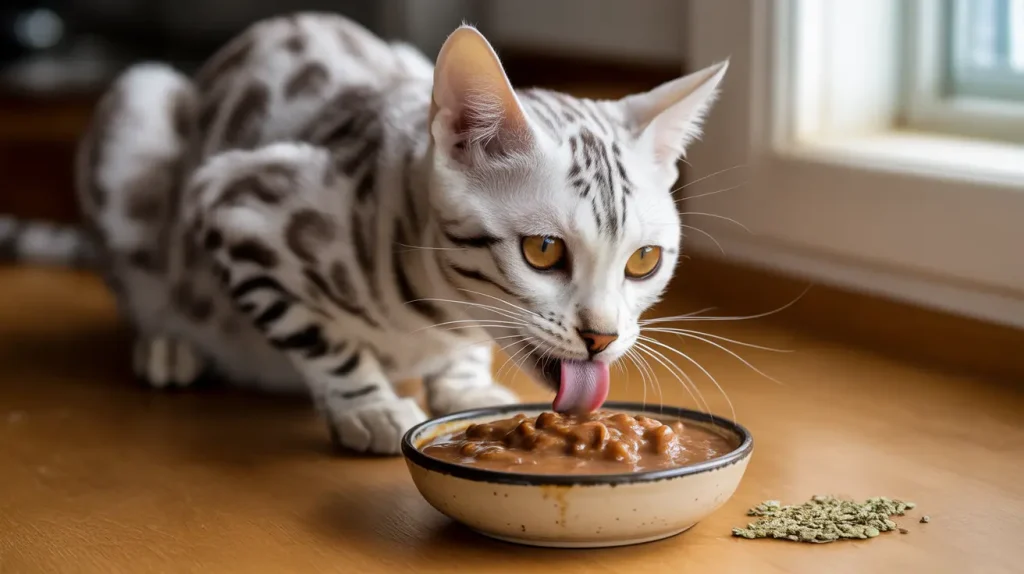
Are you looking for a healthier and tastier option for your cat’s meals? Making homemade wet food for your cat can be easier than you think.
Not only will you know exactly what goes into your furry friend’s bowl, but you’ll also give them a fresh, nutritious meal that supports their health and happiness. In this guide, you’ll discover simple steps and tips to create delicious wet food at home.
Keep reading, and you’ll soon see how making your cat’s food can be rewarding for both of you.
Benefits Of Homemade Wet Cat Food
Making wet food at home for cats offers many benefits. It gives you the chance to provide fresh, natural meals. Cats enjoy a variety of tastes and textures in homemade food. This section explains the key benefits of preparing wet cat food yourself.
Health Advantages
Homemade wet cat food supports your pet’s health. It contains fewer preservatives and additives than store-bought options. You control the freshness and quality of ingredients. This helps reduce allergies and digestive issues.
Fresh meat and fish provide essential proteins. Balanced recipes include vitamins and minerals for strong bones and shiny fur. Homemade meals can boost hydration due to higher moisture content. This helps maintain kidney health and prevents urinary problems.
Cost Savings
Preparing wet food at home saves money over time. Buying raw ingredients in bulk is often cheaper than canned food. You can plan meals based on what’s affordable and available. Avoiding expensive commercial brands reduces your pet care costs.
Homemade food also cuts down on waste. You can use leftovers and small portions wisely. This efficient approach keeps your budget under control while feeding your cat well.
Control Over Ingredients
Homemade wet cat food lets you choose every ingredient. You avoid fillers like corn, soy, and artificial colors. This is perfect for cats with allergies or sensitivities.
You control the amount of salt, fat, and additives. This helps manage your cat’s weight and health conditions. It also ensures the food meets your cat’s specific dietary needs. Transparency about ingredients brings peace of mind for pet owners.
Essential Ingredients
Knowing the essential ingredients for homemade wet cat food is key to making meals that keep your feline friend healthy and happy. Each ingredient plays a crucial role in delivering the right nutrients. Missing or overdoing any one of them can affect your cat’s well-being.
Proteins
Proteins are the backbone of your cat’s diet. Cats need animal-based proteins like chicken, turkey, beef, or fish because they provide taurine, an amino acid essential for heart and eye health.
Try to use fresh, lean cuts and remove any bones or skin to avoid choking hazards. Have you ever noticed how your cat perks up with a protein-rich meal? That’s a sign you’re on the right track.
Fats And Oils
Fats supply energy and help absorb vitamins. Healthy fats like fish oil or chicken fat are great choices. They also keep your cat’s coat shiny and skin supple.
Be cautious with quantity—too much fat can lead to weight gain. Adding a small teaspoon of fish oil per meal can boost omega-3 intake, which supports brain and joint health.
Vitamins And Minerals
Vitamins and minerals keep your cat’s body functioning smoothly. Ingredients like organ meats (liver, kidney) are rich sources. You might also want to add a feline-specific vitamin supplement to balance the mix.
Remember, cats require vitamin A and B vitamins that plants can’t provide. Have you checked if your recipe covers these? If not, adding a supplement can fill the gap.
Safe Vegetables And Additives
Vegetables like cooked pumpkin, carrots, or peas offer fiber and aid digestion. They’re not essential but can enhance the texture and add gentle nutrients.
Avoid onions, garlic, and anything toxic to cats. Adding a pinch of taurine powder ensures your cat gets enough of this critical nutrient, especially if you’re not including organ meat.
Equipment Needed
Preparing homemade wet food for your cat is easier when you have the right equipment. Having the proper tools not only saves time but also ensures your cat’s meals are safe and nutritious. Let’s look at what you’ll need to get started in your kitchen.
Kitchen Tools
Start with a good quality blender or food processor. It helps you create a smooth texture that cats prefer and makes sure all ingredients are well mixed.
You’ll also want measuring cups and spoons to keep your recipes consistent. Precision matters when balancing nutrients for your cat’s health.
A sharp knife and a cutting board are essential for preparing fresh ingredients. Clean cuts speed up the cooking process and keep things hygienic.
Have you considered using a slow cooker? It’s excellent for gently cooking meats and vegetables without losing nutrients.
Storage Containers
Choose airtight containers to keep the homemade food fresh and prevent contamination. Glass containers are durable and don’t absorb odors, making them ideal.
Smaller portions stored in ice cube trays or silicone molds can make serving easier and reduce waste. You can freeze individual servings and thaw only what you need.
Labeling your containers with dates helps track freshness. Have you ever found old food hidden in the back of your fridge? Avoid that by labeling clearly.

Credit: www.youtube.com
Step-by-step Preparation
Making homemade wet food for cats is simple and rewarding. It ensures your cat gets fresh, nutritious meals without additives. Follow these steps for safe and tasty homemade cat food.
Selecting Ingredients
Choose high-quality protein like chicken, turkey, or fish. Avoid bones, skin, and seasoning. Include small amounts of cooked vegetables like carrots or peas. Use a source of healthy fat, such as fish oil or chicken fat. Avoid onions, garlic, and harmful spices. Fresh water is essential to keep the food moist.
Cooking Methods
Cook proteins thoroughly to kill bacteria. Boiling or baking works best. Do not use oil or butter. Steam vegetables until soft but not mushy. Avoid frying or grilling to keep nutrients intact. Cool ingredients before mixing to preserve freshness.
Mixing And Blending
Combine cooked protein, vegetables, and fat in a bowl. Use a food processor to blend the mixture. Aim for a smooth or slightly chunky texture. Avoid lumps that could cause choking. Add water or broth for moisture. Mix well to distribute nutrients evenly.
Portioning
Divide the food into daily servings. Use small containers or ice cube trays. Store portions in the fridge for up to three days. Freeze extra servings to keep them fresh longer. Thaw frozen food in the fridge before serving. Serve at room temperature to enhance flavor.
Storage And Shelf Life
Proper storage and understanding shelf life are crucial when making homemade wet food for your cat. It ensures the food stays fresh, safe, and tasty for your furry friend. Knowing how to store and for how long can save you from wasting ingredients and avoid health risks.
Refrigeration Tips
After preparing your cat’s wet food, cool it quickly before refrigerating. Store the food in an airtight container to keep it fresh and prevent odors from spreading in your fridge.
Keep the food at or below 40°F (4°C) and try to use it within 2 to 3 days. Label your containers with the date you made the food to avoid confusion and ensure freshness.
Freezing Guidelines
If you want to prepare food in bulk, freezing is a great option. Portion the food into small, single-serving containers or use ice cube trays for easy thawing later.
Freeze at 0°F (-18°C) or lower, and use the frozen food within 1 to 3 months for best quality. Thaw frozen portions in the fridge overnight, never at room temperature, to reduce bacteria growth.
Signs Of Spoilage
Knowing when your cat’s food has gone bad protects their health. Look for changes in smell, color, or texture—if it smells sour or looks discolored, it’s time to toss it out.
Also, if the food has mold or a slimy film, discard it immediately. Have you ever noticed your cat refusing food that’s still within the storage window? Trust their instincts—they often know when something isn’t right.

Credit: www.thecookierookie.com
Feeding Tips
Feeding your cat homemade wet food is a rewarding way to ensure they get fresh, nutritious meals. However, careful attention to how you introduce and manage their diet can make all the difference. These feeding tips will help you keep your cat happy, healthy, and eager to eat every meal.
Introducing New Food
Switch your cat’s diet gradually to avoid digestive upset. Start by mixing a small amount of the homemade wet food with their current food.
Increase the homemade portion over 7 to 10 days while decreasing the old food. Watch how your cat reacts—do they seem interested or hesitant?
If your cat refuses the new food at first, don’t force it. Try warming it slightly or adding a little tuna juice to make it more appealing.
Portion Control
Knowing the right amount to feed is crucial. Overfeeding can lead to obesity, while underfeeding may cause nutrient deficiencies.
Calculate portions based on your cat’s weight, age, and activity level. Use a kitchen scale for accuracy instead of guessing.
Divide daily food into two or three meals. Cats prefer smaller, more frequent meals, which can also reduce begging behavior.
Monitoring Cat’s Health
Keep an eye on your cat’s weight and energy levels after switching to homemade wet food. Sudden changes in weight or behavior can signal problems.
Check their coat for shininess and skin for any irritation. These often reflect overall health and diet quality.
Regular vet visits are essential. Share your homemade recipe with your vet to ensure it meets all nutritional needs.
Common Mistakes To Avoid
Making homemade wet food for your cat is rewarding, but it’s easy to slip into common pitfalls that could harm your furry friend. Avoiding these mistakes ensures your cat gets meals that are both safe and nutritious. Let’s look at some key errors that often happen and how you can steer clear of them.
Unsafe Ingredients
Not all human foods are safe for cats. Some ingredients like onions, garlic, and certain spices can be toxic to your pet. Even small amounts can cause serious health problems.
Always double-check every item you add to the recipe. Avoid using dairy products if your cat is lactose intolerant, and steer clear of raw fish or meat that could carry harmful bacteria.
Have you ever wondered if that harmless-looking seasoning might actually be dangerous? It’s better to keep the recipe simple and stick to ingredients known to be safe for cats.
Nutritional Imbalance
Cats need a specific balance of proteins, fats, vitamins, and minerals to stay healthy. Homemade meals often miss out on key nutrients like taurine, essential for heart and eye health.
Adding just meat isn’t enough. You might need supplements or carefully chosen ingredients to fill nutritional gaps. Without them, your cat could develop serious deficiencies over time.
Ask yourself: Does this meal provide everything my cat needs? If not, consider consulting a vet or a pet nutritionist before continuing.
Improper Storage
Homemade wet food doesn’t have preservatives like store-bought cans, so it spoils faster. Leaving it out at room temperature for too long can lead to bacterial growth that harms your cat.
Store leftovers in airtight containers in the fridge and use them within 24-48 hours. Freezing portions can also extend shelf life safely.
Have you noticed any odd smells or textures in your cat’s food? That’s often a sign it’s time to toss it out and prepare fresh meals instead.

Credit: wellnessmama.com
Frequently Asked Questions
What Ingredients Are Safe For Homemade Cat Wet Food?
Safe ingredients include cooked chicken, turkey, fish, and pureed vegetables like carrots. Avoid onions, garlic, and seasoning. Always use fresh, high-quality meat and consult your vet for specific dietary needs.
How Do I Store Homemade Wet Cat Food Properly?
Store homemade wet cat food in airtight containers in the refrigerator. Use within 3 days for freshness. For longer storage, freeze portions for up to 2 weeks and thaw before serving.
Can Homemade Wet Food Meet All My Cat’s Nutritional Needs?
Homemade wet food can be nutritious but may lack essential vitamins and minerals. Supplement with taurine and consult a vet for balanced recipes to ensure complete nutrition.
How Often Should I Feed My Cat Homemade Wet Food?
Feed homemade wet food twice daily, matching your cat’s age and weight. Monitor their health and adjust portions accordingly. Always provide fresh water alongside meals.
Conclusion
Making homemade wet food for cats is simple and rewarding. You control the ingredients and ensure freshness. Cats enjoy the taste and texture of homemade meals. It helps meet their nutritional needs naturally. Always keep hygiene and balance in mind.
Try small batches first to see how your cat reacts. Homemade food can improve your cat’s health and happiness. Give it a try and watch your cat enjoy every bite.

Lily Purrington is the founder of MyKittyPicks.com, a cozy corner of the web dedicated to helping cat lovers discover the best cat products, furniture, toys, and home decor ideas.
A lifelong cat enthusiast, Lily shares trusted tips, honest product recommendations, and stylish inspiration designed to keep kitties happy and homes beautiful.
Her mission is simple: to bring together practical advice and purr-fect picks that make life better for cats and the people who love them.


