

Are you struggling with your cat’s bad behavior and wondering how to fix it? You’re not alone.
Cats can sometimes act out in ways that are confusing and frustrating. But the good news is, you can change these habits. Understanding why your cat behaves a certain way is the first step to solving the problem. You’ll discover simple and effective ways to help your cat become calmer, happier, and more well-behaved.
Keep reading—your cat’s better behavior starts here!
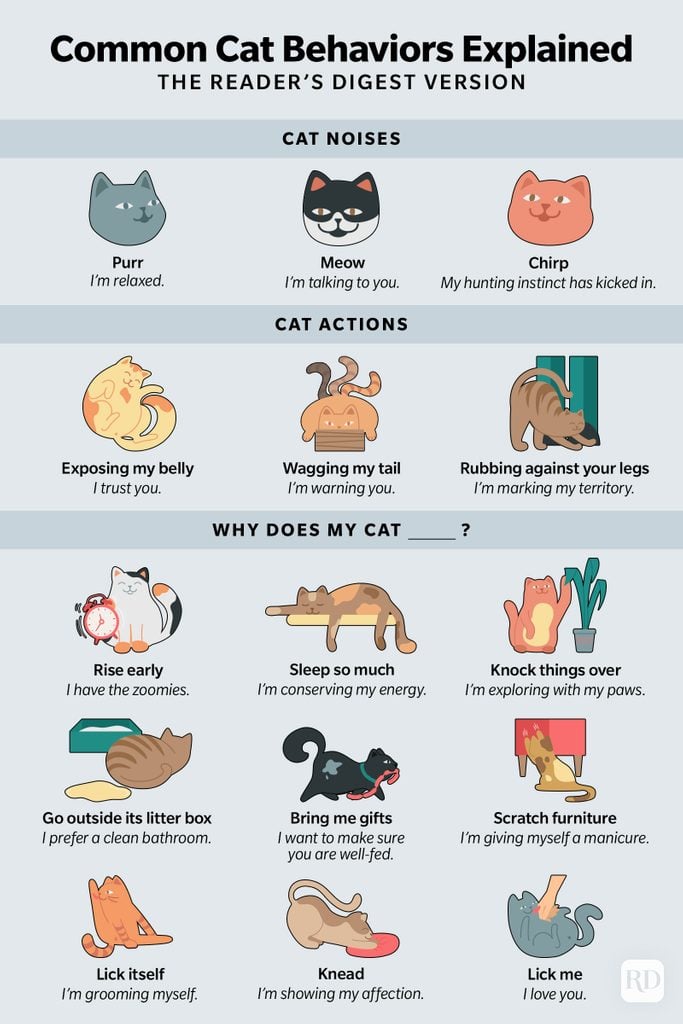
Credit: www.rd.com
Common Cat Behavior Issues
Understanding common cat behavior issues helps improve your pet’s happiness. Cats express discomfort or stress in different ways. Recognizing these problems early can prevent bigger challenges. Here are some typical behavior concerns cat owners face.
Aggression And Biting
Sudden aggression or biting can surprise many cat owners. This behavior often signals fear, pain, or frustration. Play aggression is common in young cats and kittens. Proper socialization and gentle play help reduce biting. Avoid using hands as toys to prevent this issue.
Litter Box Problems
Cats may stop using their litter box for many reasons. Stress, illness, or dirty litter boxes can cause this. Changing litter type or location can help. Regular cleaning keeps the box inviting. Observe your cat for signs of discomfort or health issues.
Excessive Meowing
Some cats meow more than usual to get attention. This can indicate hunger, boredom, or anxiety. Older cats may meow due to cognitive decline. Respond calmly to avoid encouraging constant noise. Providing toys and regular interaction reduces meowing.
Scratching Furniture
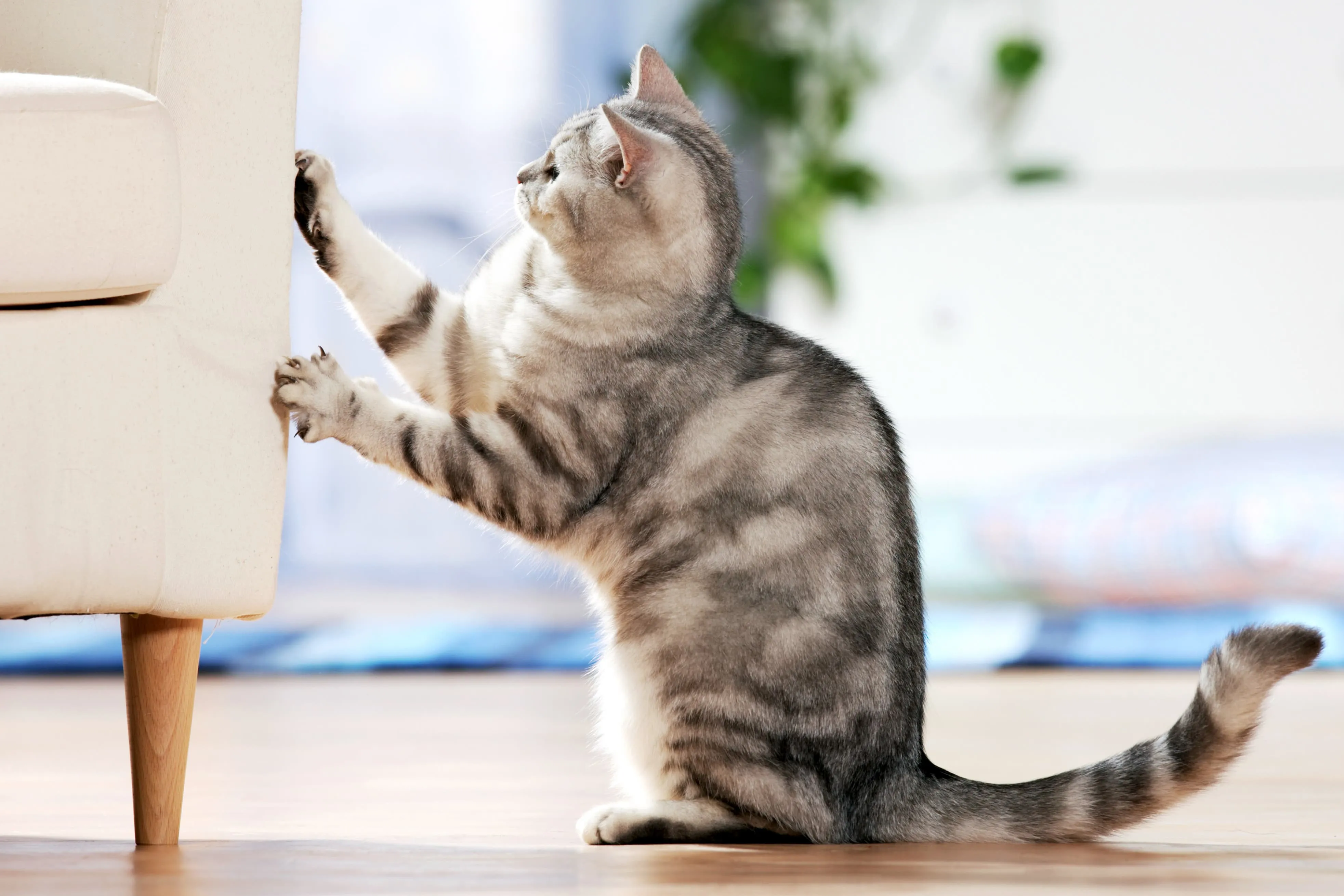
Scratching is a natural cat behavior to mark territory and sharpen claws. Furniture becomes a target without proper outlets. Offering scratching posts or pads redirects this instinct. Placing posts near favorite spots increases use. Regular nail trimming also helps protect furniture.
Clinginess Or Withdrawal
Cats may suddenly become very clingy or hide away. Changes in environment or health problems often cause this. Pay attention to shifts in behavior or appetite. Providing a quiet, safe space supports stressed cats. Veterinary advice may be needed for sudden changes.

Credit: justcatsclinic.com
Identifying Causes
Understanding why your cat behaves a certain way is the first step to fixing behavior problems. Cats don’t act out without a reason. Identifying the root cause helps you offer the right support and avoid frustration for both you and your furry friend.
Health Problems
Sometimes behavior issues stem from hidden health problems. Pain, discomfort, or illness can make your cat irritable or withdrawn. If your cat suddenly starts scratching excessively, urinating outside the litter box, or acting aggressive, a vet check-up is a must.
Ignoring health issues can worsen behavior, so don’t wait. Have you noticed any subtle changes like limping or lethargy? These signs might mean your cat needs medical attention.
Environmental Stressors
Changes in your cat’s environment can trigger stress and behavior changes. New furniture, loud noises, or unfamiliar visitors might upset your cat more than you realize. Cats are sensitive to their surroundings and may act out if they feel insecure.
Think about recent changes at home. Could construction noise outside or a new pet next door be causing anxiety? Identifying stressors helps you create a calmer space for your cat.
Lack Of Stimulation
A bored cat often turns to mischief. Without enough playtime or mental challenges, your cat might scratch furniture or meow excessively. Cats need exercise and engagement to stay happy and well-behaved.
Try adding interactive toys, puzzle feeders, or short play sessions daily. Have you noticed your cat’s energy spike right after you leave? This could be a sign they need more stimulation during the day.
Changes In Routine
Cats thrive on routine. Sudden changes in feeding times, your work schedule, or even the way you interact can confuse your cat. This confusion might lead to stress-related behaviors like hiding or increased vocalization.
Reflect on any recent shifts in daily patterns. Even small changes can disrupt your cat’s sense of security. How consistent is your cat’s daily schedule?
Social Issues With Other Pets
Introducing new pets or unresolved tensions between animals can cause behavior problems. Cats may fight, mark territory, or withdraw if they feel threatened by another pet. These social dynamics need careful observation and management.
Watch how your cat interacts with other pets. Are there signs of fear or dominance struggles? Addressing these issues early can prevent long-term behavioral problems.
Behavior Modification Techniques
Changing a cat’s behavior takes patience and clear rewards for good actions. Avoid punishing bad habits; instead, guide your cat gently toward better choices. Consistent routines help cats feel safe and learn faster.
Understanding and addressing behavior problems in cats can be challenging but rewarding. Behavior modification techniques are essential tools to help you manage and improve your feline’s conduct. These methods focus on altering your cat’s behavior in a positive, nurturing manner. By implementing the right techniques, you can create a more harmonious environment for both you and your cat.Positive Reinforcement
Positive reinforcement involves rewarding your cat for good behavior. When your cat uses the scratching post instead of the couch, reward it with a treat or affection. Over time, this encourages repeat behavior. Consistency is key. Ensure you promptly reward your cat to reinforce the action you want to see again.Redirecting Unwanted Actions
Cats often engage in undesirable behaviors like scratching furniture or jumping on counters. Redirect these actions by offering alternative activities. Provide toys or scratching posts that are more appealing than your furniture. For example, a feather toy can distract your cat from your curtains.Consistent Routine Establishment
Cats thrive on routine. Establish a consistent feeding and play schedule to help reduce anxiety and unwanted behaviors. A predictable routine offers security and can prevent misbehavior stemming from uncertainty. Notice how a calm cat is often a well-behaved cat?Using Deterrents Effectively
Deterrents can be useful but should be used with care. Products like double-sided tape on furniture or motion-activated sprays can discourage certain behaviors. However, it’s crucial to ensure these deterrents don’t cause fear or stress. Observe your cat’s reaction and adjust accordingly.Avoiding Punishment
Punishment can damage the trust between you and your cat. Instead of correcting bad behavior with punishment, focus on the positive techniques mentioned above. Remember, building a trusting relationship is far more effective in the long run. Have you ever noticed how your cat responds better to kindness than to scolding?Creating A Cat-friendly Environment
Creating a cat-friendly environment helps reduce stress and unwanted behaviors. Cats feel safe and happy when their surroundings meet their needs. A calm and engaging space encourages positive behavior. This section explains how to set up a home that supports your cat’s well-being.
Providing Enrichment And Toys
Cats need mental and physical stimulation every day. Provide a variety of toys like balls, feather wands, and puzzle feeders. Rotate toys regularly to keep your cat interested. Enrichment reduces boredom and prevents destructive behavior.
Safe Hiding Spots
Cats love places to hide and feel secure. Offer cozy boxes, cat tunnels, or quiet corners. These spots help your cat relax and lower anxiety. A hiding place also gives your cat control over its space.
Scratching Posts Placement
Scratching is natural and healthy for cats. Place scratching posts near favorite resting areas and windows. Use different materials like sisal, carpet, or wood to find what your cat prefers. Proper placement protects your furniture and satisfies scratching needs.
Proper Litter Box Setup
Clean and accessible litter boxes prevent accidents. Provide one box per cat plus one extra. Place boxes in quiet, low-traffic areas. Scoop daily and change litter often. Use unscented, clumping litter for easy cleaning.
Interactive Playtime
Spend time playing with your cat each day. Use toys that mimic prey, like laser pointers or feather wands. Interactive play strengthens your bond and burns off excess energy. It helps reduce aggression and stress.
When To Seek Professional Help
Sometimes, despite your best efforts, your cat’s behavior issues may not improve or could even worsen. Knowing when to seek professional help can save both you and your cat from prolonged frustration and stress. Recognizing the signs that require expert intervention helps ensure your feline friend receives the right care and guidance.
Behavioral Therapists
Behavioral therapists specialize in understanding animal behavior and designing tailored strategies to address issues. If your cat shows persistent aggression, anxiety, or destructive habits, a therapist can identify root causes and help retrain your cat’s responses. Have you noticed your cat’s behavior worsening despite changes at home? A professional’s insight might be exactly what’s needed.
Veterinary Consultation
Some behavioral problems stem from underlying health issues. A vet can rule out pain, neurological problems, or hormonal imbalances that affect behavior. If your usually calm cat suddenly becomes aggressive or withdrawn, visiting your vet should be your first step. Could your cat’s misbehavior actually be a cry for medical help?
Medication Options
In certain cases, medication can assist in managing severe anxiety or aggression in cats. A vet or behavioral specialist may recommend temporary or long-term medication alongside behavioral therapy. Medication isn’t a quick fix but can provide the stability your cat needs to engage in training. Would you consider medication if it meant your cat could feel calmer and happier?
Training Classes
Group or one-on-one training classes offer structured environments to work on your cat’s behavior. These classes teach you techniques to reinforce positive habits and discourage negative ones effectively. You’ll also connect with professionals who can monitor progress and adjust strategies. What’s holding you back from trying a class that could change your cat’s behavior for good?
Support Groups
Connecting with other cat owners facing similar challenges can provide emotional support and practical advice. Support groups—online or in person—offer shared experiences that can inspire new approaches to behavior problems. Sometimes, knowing you’re not alone makes all the difference. Have you reached out to a community that understands your struggles?
Credit: www.webmd.com
Frequently Asked Questions
How Can I Stop My Cat From Scratching Furniture?
Provide scratching posts and use deterrent sprays on furniture. Trim your cat’s nails regularly. Reward your cat for using posts to encourage good behavior.
What Causes Aggressive Behavior In Cats?
Aggression may result from fear, pain, or territorial instincts. Stress and sudden changes can also trigger aggressive responses in cats.
How Do I Train My Cat To Use The Litter Box?
Place the litter box in a quiet, accessible area. Clean it regularly and reward your cat for using it. Avoid changing the type of litter abruptly.
Why Does My Cat Suddenly Start Biting?
Biting can be a sign of overstimulation or play aggression. Watch for warning signs and redirect your cat’s attention to toys.
Conclusion
Fixing behavior problems in cats takes patience and care. Watch your cat closely to understand its needs. Use gentle training methods to encourage good habits. Provide a calm, safe space for your pet. Consistency helps your cat learn what is right.
Remember, small changes can make a big difference. Stay calm and keep trying every day. Happy cats mean happy homes. Keep loving and caring for your furry friend.

Lily Purrington is the founder of MyKittyPicks.com, a cozy corner of the web dedicated to helping cat lovers discover the best cat products, furniture, toys, and home decor ideas.
A lifelong cat enthusiast, Lily shares trusted tips, honest product recommendations, and stylish inspiration designed to keep kitties happy and homes beautiful.
Her mission is simple: to bring together practical advice and purr-fect picks that make life better for cats and the people who love them.


