

Is your cat suddenly choosing places outside the litter box to pee? You’re not alone, and it can be really frustrating.
When your furry friend starts urinating in unexpected spots, it’s more than just a mess—it’s a sign that something might be wrong. Understanding why your cat is doing this can save you stress, protect your home, and help your pet feel comfortable again.
Keep reading to discover the common reasons behind this behavior and what you can do to fix it quickly.

Credit: www.reddit.com
Common Medical Issues
When your cat starts urinating outside the litter box, it’s easy to assume it’s a behavioral issue. However, many times the cause is medical. Understanding common health problems can help you spot serious issues early and get your furry friend the care they need.
Urinary Tract Infections
Urinary tract infections (UTIs) are a frequent cause of litter box avoidance. Cats with UTIs often experience pain and discomfort while urinating, which makes them avoid the box altogether. You might notice your cat making frequent trips to the litter box but producing little urine each time.
If your cat suddenly starts urinating in strange places, think about a UTI. These infections can escalate quickly and require prompt veterinary attention. Have you checked if your cat is straining or vocalizing during urination?
Kidney Problems
Kidney issues can also lead to inappropriate urination. Chronic kidney disease affects many older cats and causes increased thirst and urination. This can overwhelm your cat’s normal litter box habits and lead to accidents.
Watch for signs like weight loss, reduced appetite, and changes in drinking behavior. Kidney problems impact your cat’s overall health, so don’t ignore changes in bathroom patterns. Could your cat’s urination problems be linked to kidney health?
Diabetes And Other Diseases
Diseases like diabetes increase urination frequency and volume, which might confuse your cat. When your cat drinks more water, it naturally urinates more often, sometimes outside the litter box. This is especially true if the box isn’t cleaned frequently enough.
Other illnesses can also disrupt urination habits. If your cat has sudden changes in behavior or bathroom use, consider a full health check. Are you monitoring your cat’s overall health regularly enough to catch these issues early?
Behavioral Reasons
Behavioral reasons often play a key role in why your cat might be urinating outside the litter box. Cats are sensitive creatures, and their habits can change due to emotional and environmental factors. Understanding these behaviors helps you address the issue more effectively and keeps your home fresh and stress-free.
Stress And Anxiety
Stress can trigger unusual urination habits in cats. If your cat feels threatened or uneasy, it might avoid the litter box as a way to express discomfort.
Think about recent events in your home—did you bring in a new pet, or was there loud noise nearby? Your cat might react by urinating in places that feel safer or more comforting.
Try creating a calm space with familiar scents and quiet areas. You might be surprised how much this small change can ease your cat’s anxiety and bring back normal litter box use.
Territorial Marking
Marking territory is a natural behavior, especially for unneutered cats. Urine marking helps them communicate boundaries to other animals.
If your cat feels its territory is threatened, it may start urinating outside the box to claim certain spots. This behavior can increase if there are new animals in or near your home.
Consider neutering or spaying your cat if you haven’t already. Also, use pheromone diffusers to reduce territorial stress and discourage marking in unwanted areas.
Changes In Environment
Even small changes in your home can confuse your cat and cause litter box issues. New furniture, moving to a new house, or even changing the litter brand can throw off their routine.
Remember when I switched my cat’s litter type? She refused the box for days. Returning to her preferred litter solved the problem quickly.
Observe your cat’s behavior closely after any change. Gradually introducing new elements and maintaining a consistent litter box setup can help your cat adjust smoothly.
Litter Box Problems
Cats may urinate outside the litter box due to stress, illness, or a dirty box. Changing the litter type or box location can help. Observing your cat’s behavior is key to finding the cause.
Cats urinating outside the litter box can be perplexing. Litter box problems are a common issue pet owners face. Understanding the root causes can help address this behavior. Let’s explore some common litter box problems.Dirty Or Unpleasant Litter
Cats prefer a clean litter box. A dirty box can deter them from using it. Scoop the litter daily to maintain cleanliness. Also, change the litter entirely every week. Cats have a keen sense of smell. An unpleasant odor can make them avoid the box. Use unscented litter to keep your cat happy.Wrong Type Of Litter Box
Not all litter boxes suit every cat. Some cats dislike covered boxes. They might feel trapped or uncomfortable. A too-small box can also be problematic. Ensure the box is spacious enough for your cat. Observe your cat’s preferences for open or covered spaces.Location And Accessibility
The location of the litter box matters. Cats need a quiet, private space for their business. Avoid placing the box near noisy appliances. Ensure the box is easily accessible. High-traffic areas can stress your cat. Keep the path to the box clear of obstacles.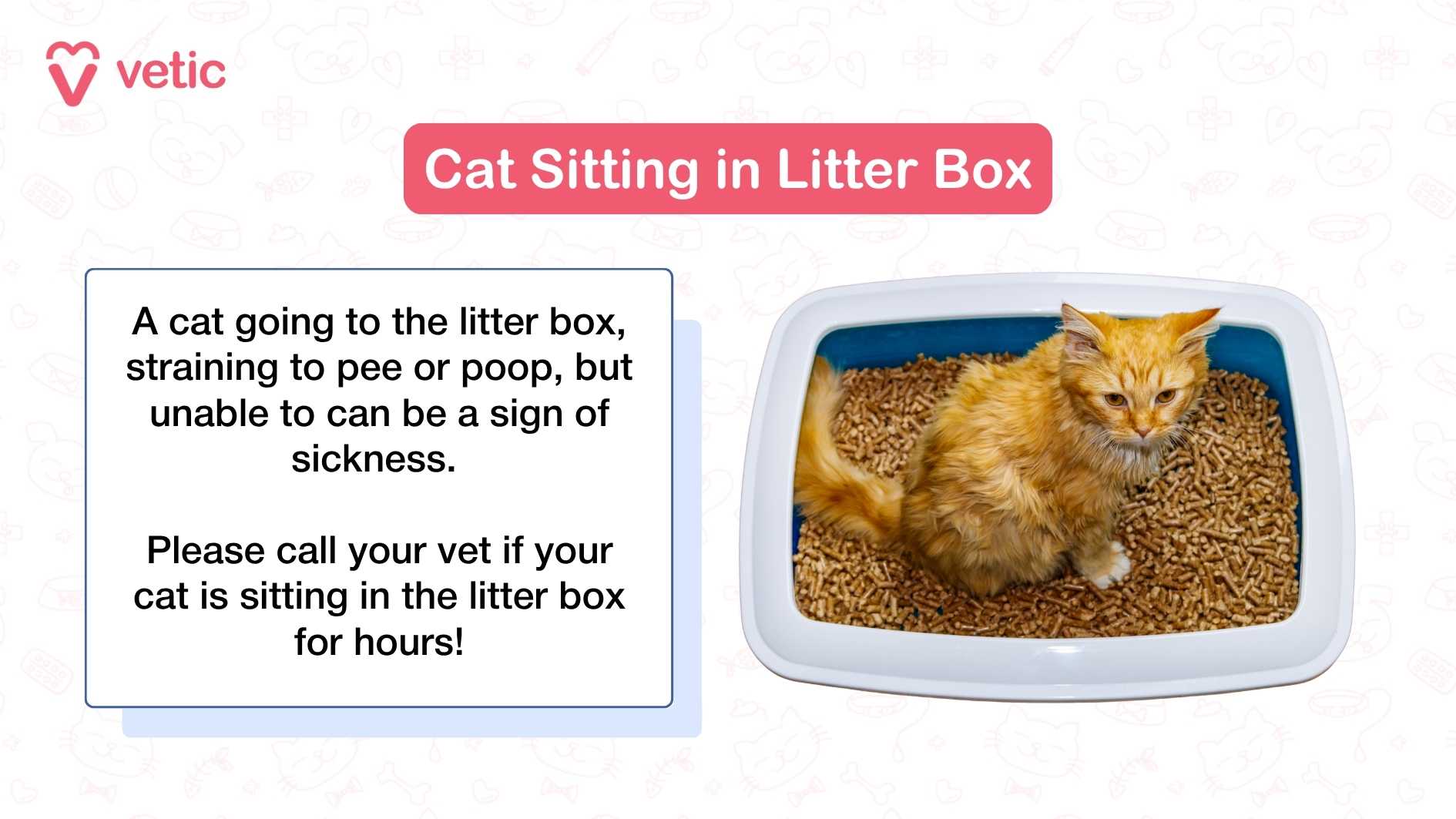
Credit: vetic.in
Social And Environmental Factors
Social and environmental factors often influence a cat’s behavior. Changes in their surroundings or relationships can cause stress. Stress may lead a cat to avoid the litter box. Understanding these factors helps identify why a cat urinates outside the box.
Multiple Cats Dynamics
Living with other cats can create tension. Cats are territorial animals. They may mark areas to show dominance. Competition for resources like food, space, and litter boxes increases stress. A cat might avoid shared litter boxes to escape conflicts. Providing enough litter boxes can reduce this problem.
New Pets Or Family Members
Introducing a new pet or person can unsettle a cat. Cats need time to adjust to changes. They might feel threatened or ignored. This anxiety often leads to urination outside the litter box. Keeping a calm environment and gradual introductions can ease their stress.
Outdoor Influences
Outdoor noises or animals can disturb indoor cats. Sounds from birds, other cats, or traffic can create fear. This fear may cause litter box avoidance. Watching outdoor activity and creating a safe indoor space helps cats feel secure.
Preventive Tips
Preventing your cat from urinating outside the litter box takes patience and care. Understanding the root cause helps you act early. Small changes in routine can make a big difference. Use these tips to keep your cat comfortable and happy.
Regular Vet Check-ups
Health issues often cause litter box problems. Regular vet visits catch infections or bladder problems early. Your vet can also check for diabetes or kidney issues. Early diagnosis helps prevent accidents outside the box. Keep vaccination and health records up to date.
Proper Litter Box Maintenance
Clean litter boxes encourage cats to use them. Scoop waste daily and change litter weekly. Use unscented, clumping litter that your cat prefers. Place the box in a quiet, easy-to-reach area. Have one more box than the number of cats in your home.
Reducing Stress Triggers
Stress makes cats avoid their litter box. Loud noises or new pets can cause anxiety. Create a calm space with hiding spots and familiar scents. Maintain a regular feeding and play schedule. Use calming sprays or diffusers if needed.
Credit: www.tippaws.com
When To Seek Professional Help
Knowing when to seek professional help is crucial if your cat urinates outside the litter box. This behavior can signal health issues or stress that require expert advice. Acting early can prevent serious problems and keep your cat healthy and happy.
Signs Of Medical Problems
Watch for blood in the urine or pain while urinating. Frequent trips to the litter box with little output also signal a problem. Sudden changes in urination patterns need immediate veterinary attention.
Behavioral Changes To Notice
If your cat shows signs of anxiety or aggression, it may affect litter box habits. Avoidance of the litter box along with hiding or vocalizing can indicate stress. Persistent urination outside the box despite clean litter needs a behaviorist.
When Home Remedies Fail
Try cleaning the litter box regularly and changing the type of litter. If these steps do not stop the behavior, professional help is necessary. Persistent urination issues often require a vet’s diagnosis and treatment plan.
Frequently Asked Questions
Why Is My Cat Urinating Outside The Litter Box?
Cats may urinate outside due to stress, illness, or litter box issues. Medical problems like urinary tract infections cause discomfort. Stress from new pets or changes also affects behavior. Ensure a clean, accessible litter box to prevent accidents.
How Can I Stop My Cat From Urinating Outside?
Clean litter boxes daily and place them in quiet areas. Use unscented, clumping litter preferred by cats. Address any medical issues by consulting a vet. Provide enough litter boxes—one per cat plus one extra—to reduce stress.
Could Health Problems Cause My Cat’s Urination Issues?
Yes, urinary tract infections, bladder stones, and kidney disease can cause inappropriate urination. If your cat suddenly stops using the litter box, see a vet immediately. Early diagnosis prevents serious complications and improves your cat’s comfort.
Does Litter Box Cleanliness Affect Cat Urination Habits?
Absolutely, cats are clean animals and dislike dirty litter boxes. Dirty boxes lead to avoidance and urination elsewhere. Scoop waste daily and change litter regularly to maintain hygiene. A clean box encourages consistent litter use.
Conclusion
Cats urinating outside the litter box can signal many issues. Health problems, stress, or litter box problems often cause this behavior. Watch your cat closely and note changes. Clean the box regularly and place it in a quiet spot. Consult a vet if the problem continues.
Understanding your cat’s needs helps keep your home clean. Patience and care make a big difference. Your cat can feel comfortable and safe again.

Lily Purrington is the founder of MyKittyPicks.com, a cozy corner of the web dedicated to helping cat lovers discover the best cat products, furniture, toys, and home decor ideas.
A lifelong cat enthusiast, Lily shares trusted tips, honest product recommendations, and stylish inspiration designed to keep kitties happy and homes beautiful.
Her mission is simple: to bring together practical advice and purr-fect picks that make life better for cats and the people who love them.


