
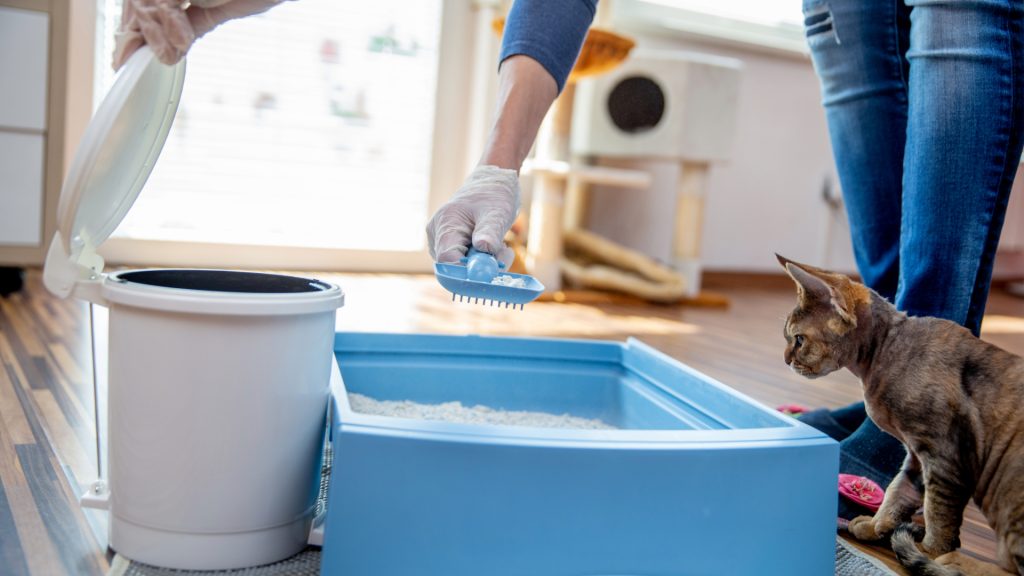
How often you change your cat’s litter can make a big difference in your home’s smell and your cat’s happiness. If you’re unsure about the best routine, you’re not alone.
Too often, it can feel like a guessing game—leading to unpleasant odors or a cranky kitty refusing to use the box. But what if there was a simple, effective way to keep your cat’s litter fresh and your home smelling clean?
Keep reading to discover the ideal litter-changing schedule that will make life easier for both you and your feline friend.
Cat Litter Basics
Understanding the basics of cat litter is essential for keeping your cat’s space clean and fresh. You might think all litters are the same, but the type you choose affects how often you need to change it and how well it controls odor. Knowing how cat litter works helps you pick the right one for your cat’s habits and your lifestyle.
Types Of Cat Litter
There are several types of cat litter, each with its own pros and cons. The main categories include:
- Clay-based:This is the most common type and often clumps when wet, making scooping easier.
- Clumping:Usually made from bentonite clay, it forms solid clumps for quick removal of waste.
- Non-clumping:Typically made from clay or other natural materials, it absorbs moisture but doesn’t clump.
- Natural/biodegradable:Made from materials like corn, wheat, or pine, these are eco-friendly options that break down over time.
- Crystal silica:Absorbs moisture and controls odor well but requires less frequent changing.
Have you noticed how your cat reacts to different litter textures? Their comfort can make a big difference in litter box habits.
How Cat Litter Works
Cat litter primarily works by absorbing moisture and controlling odors. Clumping litters trap liquid waste in solid lumps, making scooping quick and easy. Non-clumping types soak up moisture but may need full replacement more often.
Odor control comes from materials that neutralize ammonia and other smells. For example, silica crystals trap odor molecules inside their porous structure. Natural litters often rely on plant fibers or baking soda for odor control.
Choosing litter that matches your cleaning routine can save you time and keep your home smelling fresh. What’s your current litter’s secret weapon against odor?

Credit: www.petplan.co.uk
Frequency Of Changing Cat Litter
Knowing how often to change cat litter helps keep your home fresh and your cat happy. Proper frequency prevents odors and keeps the litter box clean. It also supports your cat’s health by reducing bacteria buildup. The right routine depends on several factors, including the type of litter and the number of cats.
Daily Maintenance
Remove clumps and solid waste every day. This keeps the litter box neat and odor-free. Use a scoop with small holes to catch debris. Daily cleaning helps your cat feel comfortable using the box. It also reduces the chance of litter tracking around your home.
Weekly Full Changes
Change all the litter completely once a week. Empty the box and wash it with mild soap and warm water. Dry the box fully before adding fresh litter. Weekly changes stop odors from building up. They also keep the litter box hygienic and inviting for your cat.
Factors Affecting Change Frequency
- Number of Cats:More cats mean more waste, so change litter more often.
- Type of Litter:Clumping litter may last longer, while non-clumping needs frequent changes.
- Litter Box Size:Smaller boxes fill up faster and need more frequent changes.
- Cat’s Health:Cats with health issues may need cleaner litter boxes to avoid infections.
- Ventilation and Room Temperature:Hot, stuffy rooms cause faster odor build-up.
Signs It’s Time To Change Litter
Knowing when to change your cat’s litter can make a significant difference in your home’s hygiene and your cat’s happiness. Cats are particular about their bathroom habits, and a dirty litter box can lead to unwanted behavior. Keep an eye out for specific signs that indicate it’s time to refresh the litter. This not only keeps your home smelling fresh but also ensures your feline friend remains comfortable.
Odor Detection
If you start noticing a strong, unpleasant smell as soon as you walk into the room, it’s a clear sign that the litter needs changing. Even if the litter looks clean, lingering odors can indicate that it’s time to refresh it. A fresh litter box should not emit any offensive smells, so trust your nose on this one.
Clumping Issues
When the litter no longer forms firm clumps, it’s time to change it. Clumping litter should do just that—clump easily to encapsulate moisture. If you find that it’s breaking apart or staying too moist, it’s less effective and needs replacing.
Cat Behavior Changes
Is your cat avoiding the litter box or acting out of character? Cats are creatures of habit, and any change in their litter box routine can be telling. A clean and inviting litter box can prevent them from finding alternative spots in your home.
Recognizing these signs can prevent potential problems and keep your cat happy. After all, a happy cat means a happy home. So, next time you pass by the litter box, take a moment to check if it’s time for a change.
Tips For Keeping Litter Fresh
Keeping cat litter fresh is key to a clean and odor-free home. Regular care helps your cat stay happy and healthy. Simple habits can make a big difference in litter box cleanliness. Here are some easy tips to keep the litter fresh and inviting for your cat.
Scoop Regularly
Remove clumps and waste daily. This stops odors before they spread. Use a sturdy scoop to get all the solid bits. Clean litter encourages your cat to use the box consistently. It also helps keep the litter dry and fresh longer.
Use Deodorizers
Sprinkle a safe deodorizer on the litter surface. It helps control bad smells without harming your cat. Choose products made for cats to avoid irritation. Baking soda is a natural, gentle option. Avoid strong fragrances that might bother your pet.
Proper Litter Box Placement
Place the litter box in a quiet, well-ventilated spot. Good airflow reduces moisture and odors. Avoid busy or noisy areas that stress your cat. Keep the box away from food and water bowls. This encourages regular use and helps control smells.
Cleaning The Litter Box
Cleaning the litter box is a crucial part of cat care. A clean box keeps your home fresh and your cat healthy. Regular cleaning stops odors and makes cats happy to use their box. It also helps spot any health issues early. Follow good cleaning habits for the best results.
Best Cleaning Practices
- Scoop waste daily to keep the box tidy.
- Change litter completely at least once a week.
- Wash the box with warm water during litter changes.
- Dry the box fully before adding fresh litter.
- Use a scoop with small holes to catch all clumps.
- Place the box in a quiet, low-traffic area.
Safe Cleaning Products
- Use mild soap or dish detergent for washing.
- Avoid strong chemicals like bleach or ammonia.
- Rinse thoroughly to remove any soap residue.
- Consider natural cleaners like vinegar diluted with water.
- Never use scented cleaners that may harm your cat.
Preventing Bacteria Build-up
Regular cleaning removes bacteria and keeps odors down. Old waste can breed harmful germs. Use hot water to wash the box. Let the box dry completely to stop bacteria growth. Consider using liners or mats to reduce mess. Replace the litter regularly to avoid build-up.

Credit: perfectpetzzz.com
Choosing The Right Litter Box
Choosing the right litter box plays a key role in how often you need to change your cat’s litter. The size, design, and cleaning features of the box can affect odor control, ease of cleaning, and your cat’s comfort. Picking the right one helps reduce mess and keeps your cat happy, which means fewer litter changes for you.
Size And Design Options
Make sure the litter box is large enough for your cat to move around comfortably. A cramped box can make your cat avoid using it, leading to accidents elsewhere. Also, consider the box’s height—deep sides hold more litter and reduce spills, but some cats might struggle to get in.
Think about your cat’s size and habits. For example, a playful kitten may prefer a shallow, open box, while a larger or older cat might need something sturdier with higher walls. The design should also fit well in your living space without feeling cramped.
Covered Vs. Open Boxes
Covered boxes help contain odors and litter scatter. But some cats dislike the enclosed space and might avoid using it. If your cat is shy or prefers privacy, a covered box might work well, but watch for signs of discomfort.
Open boxes offer easier access and better ventilation, which can reduce strong smells. However, they allow litter to scatter more and might require more frequent cleaning. Ask yourself what matters more: odor control or your cat’s comfort?
Self-cleaning Boxes
Self-cleaning litter boxes are a game-changer for reducing your cleaning workload. They automatically scoop waste into a separate compartment, keeping the box cleaner for longer. This can mean you only need to change the litter every couple of weeks instead of daily.
Keep in mind, not all cats take to self-cleaning boxes immediately. Some may be startled by the noise or movement. If you choose one, introduce it slowly and observe your cat’s reaction to ensure it’s a good fit.
Impact On Cat Health And Home Hygiene
Changing cat litter regularly affects both your cat’s health and your home’s cleanliness. Dirty litter can cause health problems for cats and create unpleasant odors. Keeping the litter clean helps your cat stay happy and your home fresh.
Health Risks Of Dirty Litter
Dirty litter can cause infections for your cat. Bacteria and parasites grow quickly in used litter. Cats may develop urinary tract infections or skin issues. Inhaling dust and ammonia from old litter harms their lungs. Some illnesses can spread to humans too. Clean litter reduces these risks effectively.
Maintaining A Fresh Home Environment
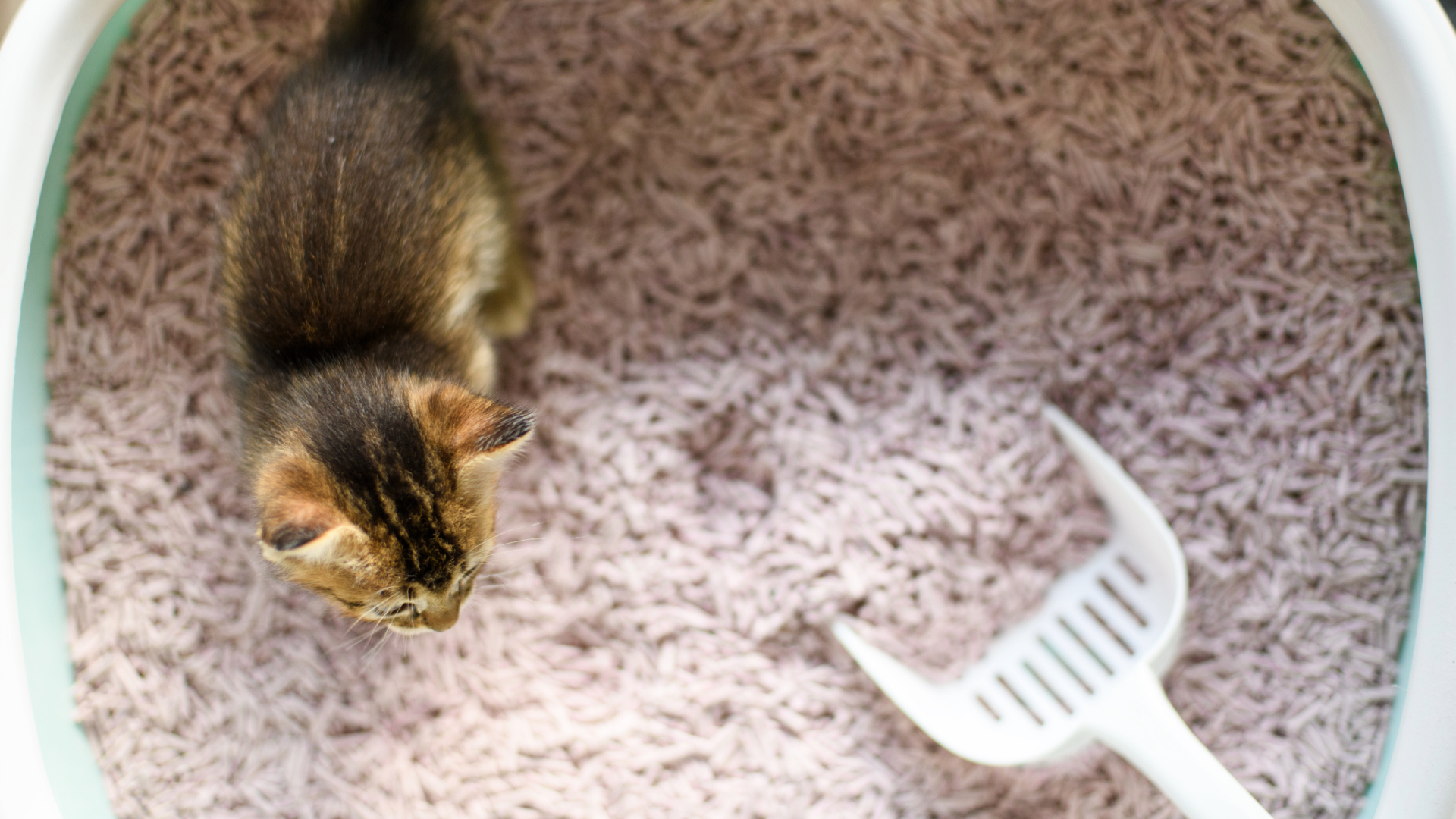
Old litter creates bad smells that fill your home. These odors come from urine and waste buildup. Regular litter changes stop the smell from spreading. It also prevents flies and pests from coming inside. A clean litter box keeps your living space comfortable and healthy. Your home stays inviting for family and guests.
Credit: www.petsradar.com
Frequently Asked Questions
How Often Should I Completely Change Cat Litter?
Complete litter change is recommended every 1 to 2 weeks. This prevents odor buildup and keeps the litter box clean. Frequent scooping daily helps extend the time between full changes. Regular changes promote your cat’s health and comfort.
How Frequently Should I Scoop Cat Litter Daily?
Scoop cat litter at least once daily to remove waste. This keeps the box hygienic and odor-free. More frequent scooping is ideal for multiple cats. Prompt cleaning encourages cats to use the litter box consistently.
Does Cat Litter Type Affect Changing Frequency?
Yes, clumping litters typically require less frequent full changes. Non-clumping litters may need complete replacement more often. Always follow the manufacturer’s guidelines for best results. Choosing the right litter type impacts maintenance and odor control.
Can Frequent Litter Changes Improve Cat Behavior?
Yes, clean litter boxes reduce stress and prevent inappropriate elimination. Cats prefer fresh litter and a clean environment. Regular changes promote positive litter box habits. Neglecting litter maintenance can cause behavioral issues.
Conclusion
Changing cat litter regularly keeps your home fresh and your cat happy. Clean litter helps avoid bad smells and health problems. Scoop waste daily and fully change litter every one to two weeks. Watch your cat’s habits to know if you need to clean more often.
A clean litter box shows you care and keeps your cat comfortable. Small efforts make a big difference in your cat’s life. Keep this simple routine for a happy pet and a clean home.

Lily Purrington is the founder of MyKittyPicks.com, a cozy corner of the web dedicated to helping cat lovers discover the best cat products, furniture, toys, and home decor ideas.
A lifelong cat enthusiast, Lily shares trusted tips, honest product recommendations, and stylish inspiration designed to keep kitties happy and homes beautiful.
Her mission is simple: to bring together practical advice and purr-fect picks that make life better for cats and the people who love them.


