
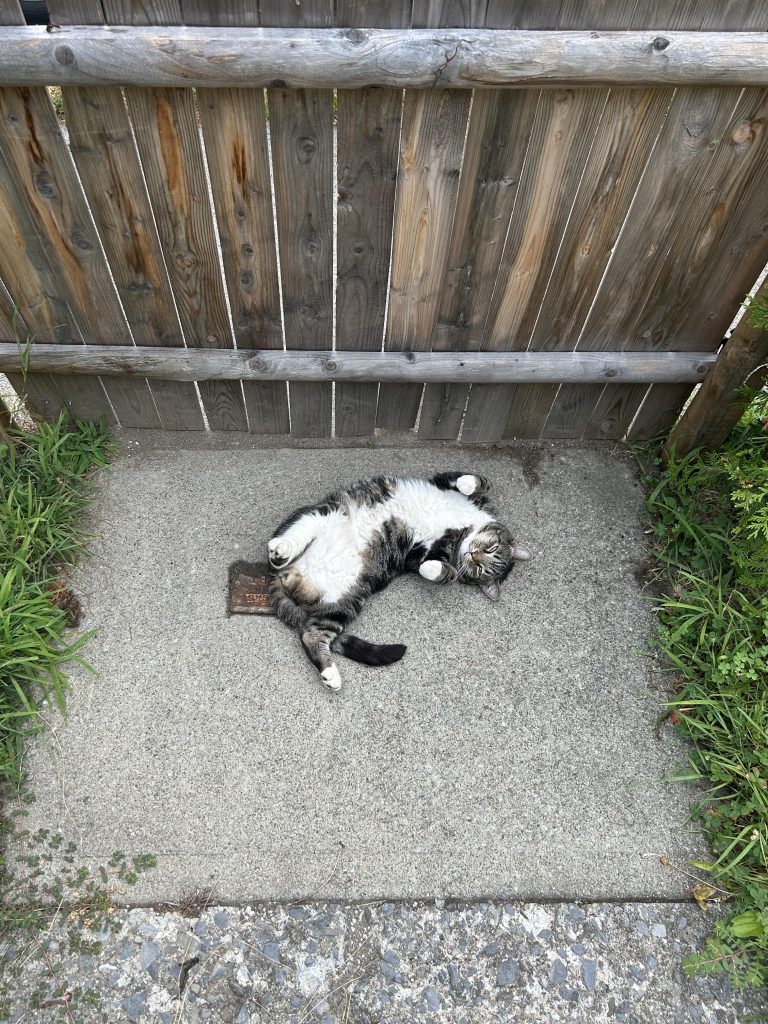
Have you ever come across a wild, untamed cat and wondered if it’s possible to bring it closer to you? Training a feral cat might sound challenging, but with the right approach, you can build trust and create a bond that seems impossible at first.
Imagine turning that fearful, distant animal into a calm companion who feels safe around you. In this guide, you’ll discover simple, practical steps to help your feral cat become more comfortable and confident. Keep reading, because the secret to winning your new friend’s heart is easier than you think.
Assessing Cat Behavior
Understanding a feral cat’s behavior is the foundation of successful training. Before you try to approach or handle the cat, you need to carefully assess how it reacts to its environment and to you. This insight helps you avoid actions that might scare or provoke the cat, making your training efforts more effective and safer.
Signs Of Fear And Aggression
Fear and aggression often look similar but mean different things. A scared feral cat may crouch low, tuck its tail, or hide behind objects to feel safe. Aggression, on the other hand, is more direct: the cat might hiss, growl, or swat when you get too close.
Watch for these clear signals:
- Ears flattened against the head
- Wide, staring eyes
- Rapid tail flicking or lashing
- Raised fur along the back
- Showing teeth or biting
When I first worked with a feral cat named Luna, she hissed loudly and swatted whenever I tried to pet her. Recognizing these signs helped me realize she was scared, not hostile. By giving her space and moving slowly, I gradually gained her trust.
Reading Body Language
Body language is your best tool for understanding what a feral cat feels. Unlike dogs, cats communicate mostly through subtle shifts in posture and facial expressions.
Look closely at:
- Tail position:A raised tail often means friendliness, while a tucked tail signals fear.
- Eye contact:Slow blinking is a sign of comfort and trust.
- Whiskers:Forward whiskers show curiosity; pulled-back whiskers suggest anxiety.
Try to match your movements with the cat’s signals. If the cat slowly blinks at you, try slow blinking back to build connection. Noticing these small details can be the difference between progress and setbacks in training.
Have you ever paused to truly watch a cat’s body language? What did you discover about its feelings? Paying attention this way can change how you interact and deepen your bond with a feral cat.
:strip_icc()/29739537_211406316282141_1631301267047317504_n-5ac103d1119fa800371a634a.jpg)
Credit: www.thesprucepets.com
Creating A Safe Space
Creating a safe space is the foundation for building trust with a feral cat. Without a calm and secure environment, your efforts to train and socialize the cat will face constant setbacks. Think about how you feel in a noisy, crowded room versus a quiet, cozy corner—cats experience this difference even more intensely.
Choosing A Quiet Area
Pick a spot in your home or yard that has minimal foot traffic and noise. This could be a spare room, a garage, or a sheltered porch. The goal is to reduce sudden sounds and movements that might scare your cat.
Consider the cat’s perspective: a quiet area lets them relax and observe without feeling threatened. Have you noticed how quickly a loud noise can send a feral cat darting away? That’s why silence matters.
Providing Shelter And Comfort
Offer a cozy shelter where the cat can retreat at will. Use a sturdy box, a cat igloo, or a covered bed with soft blankets inside. Adding familiar scents, like a piece of your worn clothing, can help the cat feel safer.
Make sure the shelter is elevated or tucked away to give a sense of security. You want your cat to choose this spot as their personal safe haven, not just a temporary refuge. Do you have a quiet corner that could become their sanctuary?
Building Trust Gradually
Building trust with a feral cat takes patience and gentle effort. These cats have often faced harsh experiences, so rushing them can scare them away. The key is to create a safe space where your cat feels calm and starts to see you as a friend.
Using Food As Incentive
Food is one of the strongest tools to earn a feral cat’s trust. Start by placing food at a distance where the cat feels comfortable. Over time, move the bowl closer to you, showing that you mean no harm.
Try using treats or favorite wet food to make the experience more rewarding. You might notice the cat watching you closely, curious but cautious. That curiosity is your chance to gently talk or move slowly to keep the connection positive.
Maintaining Consistent Routine
Consistency helps your feral cat predict your actions, reducing fear. Feed your cat at the same times and in the same spot every day. This regularity builds a safe pattern that the cat can rely on.
Try to interact with your cat daily, even if it’s just sitting quietly nearby. Your steady presence shows you’re a constant part of their world, not a threat. How can you make your routine feel more welcoming and less intimidating for your cat?
Approaching And Handling
Approaching and handling a feral cat requires patience and care. These cats are naturally cautious and may see humans as a threat. Your goal is to build trust gradually, so every movement and interaction counts.
Slow Movements And Gentle Voice
Move slowly and avoid sudden gestures that might startle the cat. Quick actions can make them retreat further into hiding.
Speak softly and calmly. Your gentle voice helps the cat associate you with safety, not danger.
Try sitting quietly nearby and letting the cat observe you. This shows you’re not a threat and can encourage curiosity over fear.
Using Toys For Interaction
Toys can be your bridge to connecting with a feral cat. Use wand toys or feather teasers to engage their natural hunting instincts.
By playing, you shift the focus from fear to fun. It also provides a safe distance for the cat while building positive experiences with you.
Notice which toys the cat prefers and use them consistently. This can speed up trust and make handling easier later on.
Introducing Basic Training
Introducing basic training to a feral cat might feel like a challenge, but it’s a crucial step toward building trust and helping your cat adapt to indoor life. Start with simple, clear goals that focus on essential behaviors. Patience is key—each small success moves you closer to a stronger bond and a happier cat.
Litter Box Training
Litter box training is often the first behavior to teach. Place the box in a quiet, accessible area where your cat feels safe. Use unscented, clumping litter to encourage use.
Observe your cat’s behavior closely. If you notice scratching or sniffing around certain spots, gently guide your cat to the litter box instead. Reward your cat with gentle praise or a small treat after successful use.
What if your cat seems uninterested or avoids the box? Try cleaning the litter box more frequently and ensure it’s not too close to noisy appliances or busy areas. Consistency and a calm environment will make a big difference.
Teaching Simple Commands
Feral cats can learn simple commands like “come” or “stay” through repetition and rewards. Use your cat’s favorite treats to reinforce positive behavior. Call your cat’s name clearly and reward it when it responds.
Keep training sessions short—around 5 minutes—to avoid overwhelming your cat. Repeat commands regularly, but never force your cat to participate. Building trust through positive experiences encourages learning.
Have you noticed your cat responding better to certain tones or gestures? Use those insights to tailor your approach. Remember, every cat is different, and small steps count toward meaningful progress.

Credit: www.youtube.com
Addressing Health And Safety
Addressing the health and safety of a feral cat is crucial. These cats often face numerous health challenges. Understanding their needs can improve their quality of life. Providing proper care ensures a safe environment for both the cat and you.
Vaccinations And Vet Visits
Start with a vet visit. A vet can assess the cat’s health. Vaccinations are essential for disease prevention. Rabies and feline distemper are common vaccines. The vet may recommend others based on local risks. Regular check-ups help monitor the cat’s health. These visits also build trust with the animal.
Managing Parasites And Injuries
Feral cats often suffer from parasites. Fleas, ticks, and worms are common issues. These can be managed with proper treatment. Over-the-counter medications are available. Follow the vet’s guidance for safe use. Injuries are also a concern. Look for signs like limping or wounds. Immediate attention prevents infections.
Dealing With Setbacks
Setbacks are normal when training a feral cat. Patience and calmness help rebuild trust. Small progress is still progress.
Dealing with setbacks is an inevitable part of training a feral cat. These independent creatures come with their own set of quirks and challenges, which means progress can sometimes be slow. It’s important to remain patient and adaptable throughout the process.
Handling Fearful Reactions
Fear is a natural response for feral cats when confronted with new environments or people. If your cat hisses or hides, give them space. Respect their boundaries and let them approach you when they’re ready. Small, consistent efforts can work wonders. Try spending time sitting quietly in the same room, allowing them to observe you without feeling threatened. Ask yourself, what would make your cat feel safer? Maybe a cozy hiding spot or a familiar scent can help them relax.
Adjusting Techniques As Needed
Every cat is unique. If a particular approach isn’t working, don’t hesitate to switch things up. Sometimes, a simple change in routine can make a big difference. If treats aren’t enticing them, try interactive toys or gentle play to build trust. Pay attention to their reactions and adjust your strategies accordingly. Remember, training a feral cat is not a one-size-fits-all process. What adjustments will you make to better connect with your feline friend?
:strip_icc()/the-kitty-1011094438-5c3d1af5c9e77c00015e66a6.jpg)
Credit: www.thesprucepets.com
Long-term Care And Socialization
Long-term care and socialization are crucial when training a feral cat. These cats often come from environments where humans are unknown or feared, so patience and consistency are key. Building trust over time helps your cat feel safe and opens the door for deeper bonding and better behavior.
Encouraging Play And Exercise
Play is a powerful tool for socializing feral cats. It helps reduce stress and builds positive associations with you. Use interactive toys like feather wands or laser pointers to engage your cat without forcing physical contact.
Try short, frequent play sessions throughout the day instead of one long session. This keeps your cat interested and prevents overwhelm. Watching your cat’s body language can guide you—stop when they seem tired or distracted.
Have you noticed how your cat reacts to different toys? Some might prefer chasing small balls, while others enjoy hiding and pouncing games. Experiment to find what excites your cat the most and use it to encourage movement and mental stimulation.
Introducing To Other Pets
Introducing a feral cat to other pets requires a slow, controlled approach. Start by keeping them separated, allowing them to smell and hear each other without direct contact. This helps reduce anxiety and territorial behavior.
Swap bedding or toys between pets to familiarize scents. When you feel they are ready, use a baby gate or cracked door for visual introductions while monitoring their reactions carefully.
Remember, forcing interactions can backfire and increase fear or aggression. Are you ready to give your cat the time it needs to adjust? Patience here lays the foundation for peaceful coexistence and lasting friendships among your pets.
Frequently Asked Questions
How Long Does It Take To Train A Feral Cat?
Training a feral cat usually takes several weeks to months. Consistency, patience, and gentle interaction speed up socialization. Every cat adapts at its own pace, so gradual trust-building is essential for successful training.
What Are The Best Methods To Train A Feral Cat?
Use positive reinforcement, food rewards, and calm voice tones. Avoid sudden movements and loud noises. Gradually introduce handling, and create a safe, quiet environment to help the cat feel secure during training.
Can Feral Cats Become Good Indoor Pets?
Yes, with proper socialization, feral cats can adapt indoors. Regular interaction, gradual exposure to home life, and patience help them adjust. They may take longer than stray cats but can become affectionate and comfortable indoors.
How To Gain A Feral Cat’s Trust Quickly?
Offer food consistently in a quiet spot and avoid direct eye contact. Speak softly and move slowly. Building trust requires time, but regular feeding and gentle presence accelerate bonding.
Conclusion
Training a feral cat takes time and patience. Start with small steps and gentle care. Trust builds slowly but surely. Keep routines simple and consistent every day. Celebrate small progress and stay calm. Remember, every cat is unique and learns differently.
Your kindness can change a wild cat’s life. Stay patient, and enjoy the journey together.

Lily Purrington is the founder of MyKittyPicks.com, a cozy corner of the web dedicated to helping cat lovers discover the best cat products, furniture, toys, and home decor ideas.
A lifelong cat enthusiast, Lily shares trusted tips, honest product recommendations, and stylish inspiration designed to keep kitties happy and homes beautiful.
Her mission is simple: to bring together practical advice and purr-fect picks that make life better for cats and the people who love them.


