
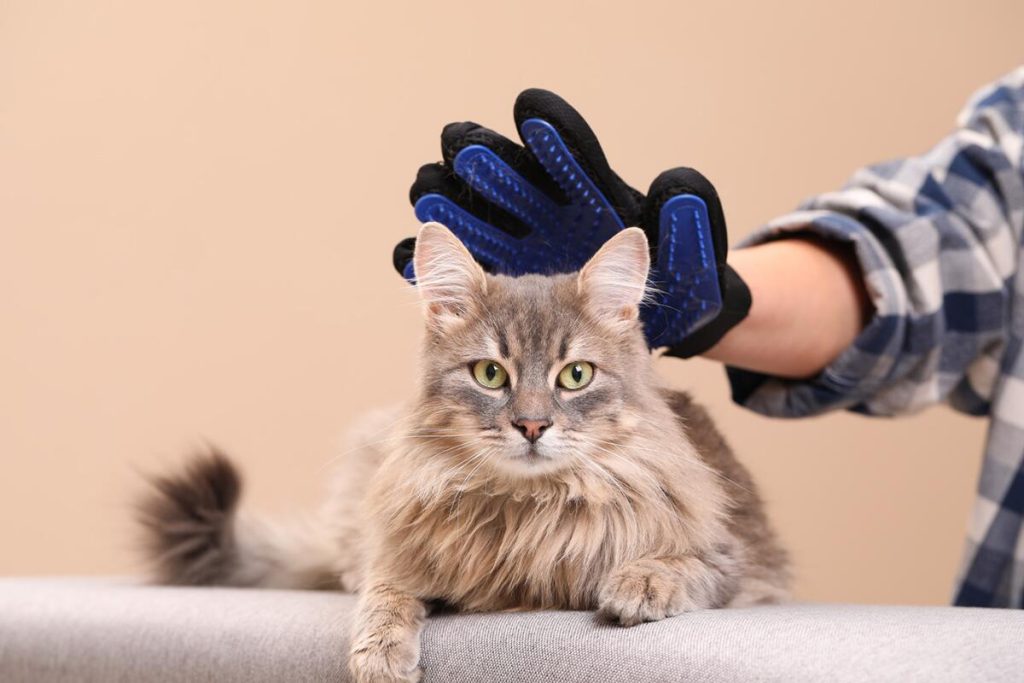
Have you ever wondered if your cat really needs grooming? You might think cats clean themselves perfectly, but there’s more to it than just a quick lick.
Grooming isn’t just about keeping your pet looking good—it can affect their health and happiness too. If you want to make sure your furry friend stays comfortable and healthy, understanding the importance of grooming is key. Keep reading to discover why grooming matters and how you can easily make it part of your cat’s routine.
Benefits Of Grooming Cats
Grooming cats brings many benefits that help keep them healthy and happy. Regular grooming improves their coat and skin, making them look and feel better. It also helps reduce problems that cats often face, like shedding and hairballs. Grooming creates a chance to check your cat’s health closely. This keeps small issues from becoming big problems.
Improved Coat Health
Brushing your cat removes dirt and loose fur. It spreads natural oils across the coat. This keeps the fur shiny and soft. Grooming helps prevent mats and tangles. It also stops skin irritation and dryness. A healthy coat means a happier cat.
Reduced Shedding
Regular grooming lowers the amount of fur your cat loses. Brushing catches loose hairs before they fall around your home. This means less cleaning for you. It also keeps your furniture and clothes cleaner. Shedding is less of a problem with frequent grooming.
Prevention Of Hairballs
Cats swallow fur when they groom themselves. This can cause hairballs in their stomach. Brushing removes loose hair before your cat swallows it. This reduces hairballs and their related discomfort. It helps your cat feel better and avoid digestive problems.
Early Detection Of Health Issues
Grooming allows you to check your cat’s body closely. You can find lumps, bumps, or skin problems early. It helps spot fleas, ticks, or infections quickly. Early detection means faster treatment. This can save your cat from serious health problems.
Grooming Needs By Cat Type
Different types of cats have unique grooming needs based on their coat length, age, and lifestyle. Understanding these differences helps you keep your feline friend healthy and comfortable. Let’s look closely at how grooming varies by cat type.
Short-haired Cats
Short-haired cats usually require less grooming than their long-haired counterparts. A quick brush once a week helps remove loose fur and reduces shedding around your home.
Regular brushing also stimulates the skin and spreads natural oils, keeping their coat shiny. Have you noticed how your short-haired cat enjoys a gentle comb-down during playtime? It’s a great bonding moment and helps catch any skin issues early.
Long-haired Cats
Long-haired cats need more frequent grooming to prevent mats and tangles. Daily brushing is ideal to keep their fur smooth and free of knots.
Ignoring grooming can lead to painful mats that trap dirt and cause skin infections. Use a wide-tooth comb and a soft-bristle brush to gently work through the fur. Do you set aside a special grooming time each day? It can turn into a calming ritual for both you and your cat.
Senior Cats
Older cats often groom themselves less due to arthritis or dental problems. They benefit greatly from gentle, regular brushing to keep their coat clean and skin healthy.
Pay attention to areas they can’t reach easily, such as the lower back and belly. Grooming sessions can also help you spot lumps, bumps, or other health concerns early. How do you make grooming comfortable for your senior cat?
Kittens
Kittens are just learning about grooming habits. Starting gentle brushing early helps them get used to the sensation and builds a positive experience.
Use a soft brush and keep sessions short to avoid overwhelming them. As you groom, praise your kitten to create good associations. Have you tried turning grooming into a playful activity? It can make a big difference in their acceptance.
Essential Grooming Tools
Cats benefit from regular grooming to keep their fur clean and reduce shedding. Essential tools include brushes, nail clippers, and combs to maintain their health and comfort. Grooming also helps spot any skin problems early.
Grooming your cat is more than just a luxury; it’s an essential part of keeping your feline friend healthy and happy. Regular grooming helps prevent mats, reduces shedding, and strengthens the bond between you and your pet. But what tools do you need to make grooming a breeze?Brushes And Combs
Having the right brush or comb can make all the difference. Short-haired cats benefit from rubber brushes that remove loose fur gently. Long-haired breeds like Persians need slicker brushes to untangle knots without causing discomfort. Try a stainless steel comb for those stubborn mats. It’s a go-to for many cat owners who face the battle of fur clumps. Have you noticed how your cat seems more relaxed after a good brushing session?Nail Clippers
Keeping your cat’s nails trimmed is crucial. Overgrown nails can lead to discomfort or even injury. Guillotine-style clippers are popular, though some prefer scissor-type clippers for more control. Are you new to trimming nails? Start slow and reward your cat with treats to create a positive association. Remember, it’s not just about aesthetics; it’s about ensuring your cat’s comfort and health.Ear Cleaners
Cats are notorious for being self-groomers, but their ears often need a little extra help. Use a pet-safe ear cleaner to gently clean away dirt and wax. Avoid using cotton swabs, as they can push debris deeper into the ear canal. Regular ear checks can prevent infections. Have you ever noticed your cat shaking its head more than usual? It might be time for an ear check-up.Shampoos And Wipes
Even though cats clean themselves, occasional baths are necessary. Choose a feline-specific shampoo that won’t irritate their skin. In between baths, grooming wipes can help remove dirt and freshen up your cat’s coat. Does your cat hate water? Wipes are a fantastic alternative to keep them clean without the stress of a full bath. Keeping a few handy ensures your cat remains fresh and tidy, even after an adventurous day.
Credit: www.latimes.com
Daily Grooming Practices
Daily grooming keeps cats clean and healthy. It removes loose fur and dirt. Grooming also helps you notice skin problems early. Many cats enjoy gentle brushing and care. Regular grooming builds trust and reduces hairballs.
Brushing Techniques
Use a soft brush for short-haired cats. For long-haired cats, a wide-tooth comb works best. Brush in the direction of hair growth. Start gently near the head and move to the tail. Pay special attention to tangled areas. Brush daily to prevent mats and remove loose fur.
Bathing Frequency
Cats usually clean themselves well. Bathing is rarely needed unless they get very dirty. Use a cat-safe shampoo only. Wet your cat with lukewarm water before shampooing. Rinse thoroughly to avoid skin irritation. Dry your cat with a towel, not a hairdryer. Bathing every few months is enough for most cats.
Nail Trimming Tips
Trim nails regularly to avoid scratches and damage. Use sharp, small pet nail clippers. Hold your cat’s paw gently but firmly. Cut only the sharp tips, avoiding the quick. If unsure, trim a small amount at a time. Reward your cat with a treat after trimming.
Cleaning Ears And Eyes
Check ears weekly for dirt or wax buildup. Use a damp cotton ball to clean the outer ear. Do not insert anything into the ear canal. Wipe eyes gently with a soft cloth if tears or dirt appear. Use separate cloths for each eye to prevent infection. Consult a vet if redness or discharge persists.
Handling Grooming Challenges
Grooming cats can sometimes be tricky. Some cats do not like being touched for long. Others may hide or scratch during brushing. Understanding these challenges helps make grooming easier. Patience and the right approach create a calm experience for both cat and owner.
Dealing With Aggressive Cats
Aggressive cats may hiss or swipe during grooming. Stay calm and avoid sudden moves. Use a soft brush and gentle strokes. Try grooming in short sessions to reduce stress. Use treats to reward good behavior. Cover your hands with gloves for safety. Giving your cat space between sessions helps build trust.
Managing Matting And Tangles
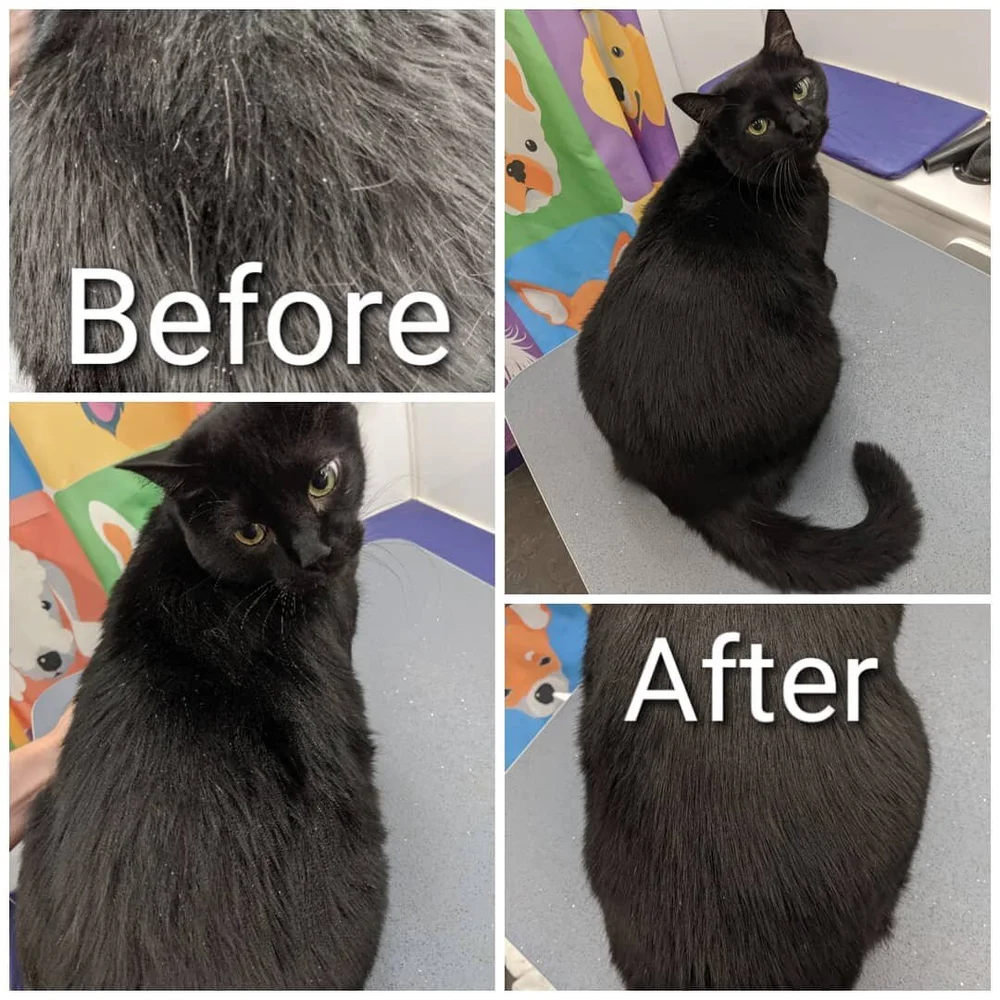
Mats can cause discomfort and skin problems. Use a detangling spray made for cats. Gently work through mats with a wide-tooth comb. Avoid pulling hard to prevent pain. For severe mats, ask a vet or groomer for help. Regular brushing stops mats from forming. Pay extra attention to behind ears and under legs.
Overcoming Fear And Anxiety
Some cats fear grooming tools or touch. Start with short, calm sessions near your cat. Let your cat sniff brushes before use. Speak in a soft, soothing voice during grooming. Gradually increase grooming time as your cat relaxes. Use treats to create positive associations. Create a quiet, safe space free from noise and distractions.
Credit: www.squeakycleangrooming.com
When To Seek Professional Grooming
Knowing when to seek professional grooming for your cat is important. Some grooming needs go beyond home care. Professional groomers have the skills and tools to handle tricky situations safely. They help keep your cat healthy and comfortable.
Signs Your Cat Needs Help
- Mattes or tangles that pull on the skin
- Excessive shedding or hair loss
- Unpleasant odor or dirty coat
- Difficulty grooming due to age or illness
- Overgrown nails causing discomfort
- Skin irritation or wounds needing special care
These signs suggest it is time to get expert grooming. Avoid trying to cut mats or nails yourself to prevent injury.
Choosing A Groomer
Find a groomer who is experienced with cats. Check reviews and ask about their methods. Make sure they offer a calm, safe environment. A good groomer listens to your concerns and treats your cat gently. Visit the salon beforehand if possible. Observe how staff handle animals. Confirm they follow hygiene and safety rules.
Benefits Of Professional Services
- Deep cleaning and thorough coat care
- Safe mat removal and nail trimming
- Detection of skin or health issues early
- Stress reduction with experienced handlers
- Special treatments for long-haired or senior cats
Professional grooming keeps your cat looking and feeling its best. It supports overall health and helps prevent problems from worsening.
Health Benefits Beyond Appearance
Grooming cats offers more than just a shiny coat. It plays a key role in their overall health and well-being. Regular grooming helps catch health issues early and keeps your cat feeling great. Let’s explore how grooming benefits your cat beyond looks.
Boosting Immune System
Grooming stimulates the skin and improves blood flow. This helps the immune system work better. Removing dirt and dead fur reduces infections and skin problems. Clean skin is less likely to get irritated or inflamed. A healthy coat supports your cat’s natural defenses.
Improving Comfort And Mobility
Brushing removes mats and tangles that cause pain. It stops hairballs, which can block the stomach. Grooming also helps detect lumps or injuries early. Cats move more freely and feel more comfortable after grooming. Their skin breathes better without heavy fur clumps.
Strengthening Bond With Owner
Grooming sessions create calm and trust between you and your cat. It offers quiet time to connect and show care. Cats often enjoy gentle brushing and petting. This bonding lowers stress and helps your cat feel safe. A strong bond improves your cat’s emotional health.

Credit: tryfurgo.com
Frequently Asked Questions
Do Cats Need Regular Grooming At Home?
Yes, cats benefit from regular grooming to remove loose fur and prevent matting. It also reduces hairballs and keeps their coat healthy.
How Often Should Cats Be Groomed?
Most cats need grooming once or twice a week. Long-haired cats require more frequent grooming to avoid tangles and mats.
Can Grooming Improve A Cat’s Health?
Grooming helps spot skin issues, parasites, or injuries early. It promotes better circulation and reduces shedding around the home.
Is Professional Grooming Necessary For Cats?
Professional grooming can help with difficult mats or shedding. It is especially useful for long-haired or elderly cats needing extra care.
Conclusion
Cats benefit from regular grooming to stay healthy and happy. Grooming helps remove dirt, loose fur, and prevents mats. It also reduces hairballs and skin problems. Brushing your cat can strengthen your bond and keep them calm. Even short-haired cats need some care.
Make grooming a gentle and positive time. Keeping your cat clean supports their overall well-being. Small daily efforts lead to a happier pet. Try to groom your cat often for best results. Care matters.

Lily Purrington is the founder of MyKittyPicks.com, a cozy corner of the web dedicated to helping cat lovers discover the best cat products, furniture, toys, and home decor ideas.
A lifelong cat enthusiast, Lily shares trusted tips, honest product recommendations, and stylish inspiration designed to keep kitties happy and homes beautiful.
Her mission is simple: to bring together practical advice and purr-fect picks that make life better for cats and the people who love them.


