
Have you ever noticed your cat sneezing and wondered if it’s normal or something to worry about? Sneezing is common in cats, but how often should your furry friend sneeze before it signals a problem?
Understanding what’s typical can help you keep your cat healthy and happy. You’ll discover the signs to watch for and when it’s time to take action. Keep reading to learn how to tell if those sneezes are just a cute quirk or a sign your cat needs help.
Credit: www.perfect-fit.co.uk
Normal Sneezing Frequency
Understanding your cat’s normal sneezing frequency is key to spotting when something might be wrong. Sneezing is a natural reflex that helps cats clear irritants from their noses. But how often is too often? Knowing what counts as normal can save you unnecessary worry and help you catch early signs of illness.
Typical Sneezing Patterns
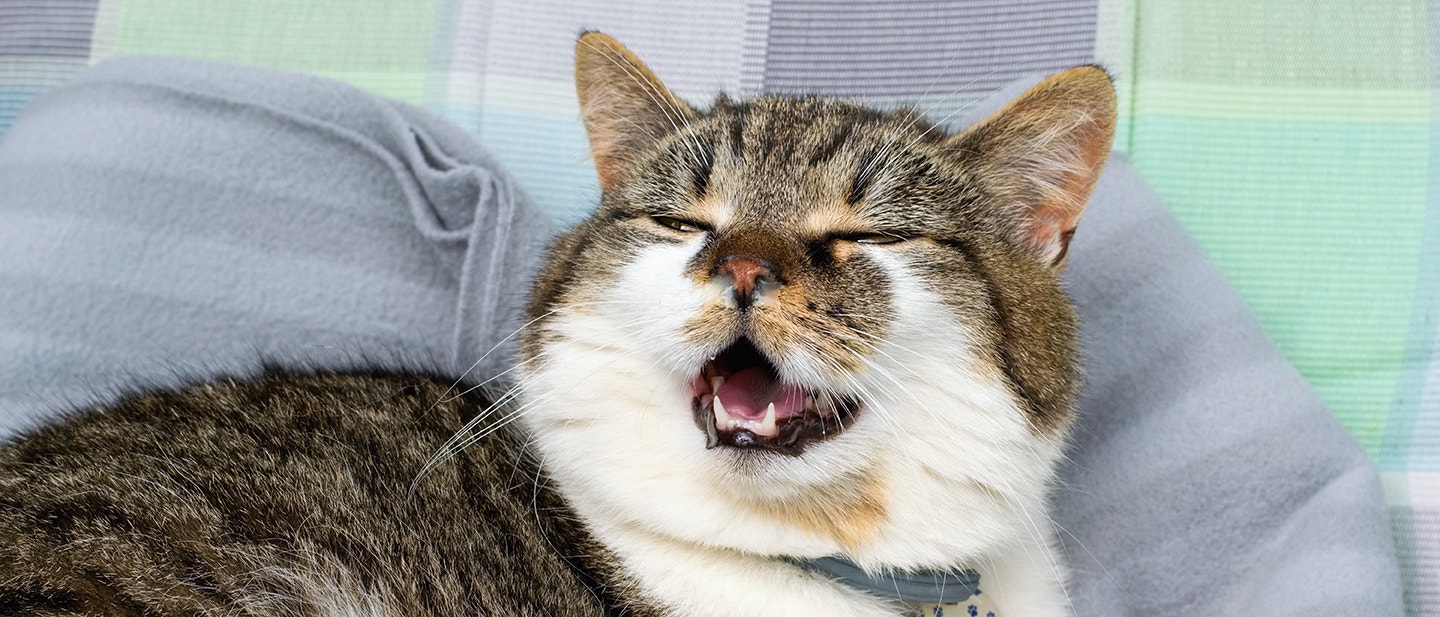
Cats usually sneeze just a few times a day, often in short bursts. A couple of sneezes after a dust disturbance or when sniffing a new scent is perfectly normal. Healthy cats might have occasional sneezes after playing in a dusty area or encountering a strong smell.
Some cats are more sensitive than others. For example, my cat Bella sneezes twice or thrice when she encounters strong scents like cleaning sprays but quickly recovers. If your cat sneezes once or twice and then stops, it’s usually nothing to worry about.
When Sneezing Is Occasional
Occasional sneezing can happen due to minor irritants. Things like a sudden change in air quality, a bit of dust, or even a tiny hair tickling their nose can trigger it. If your cat sneezes occasionally but otherwise acts normal, eats well, and plays, it’s likely just a harmless reaction.
Ask yourself: Is your cat showing other signs like nasal discharge, coughing, or lethargy? If not, a few sneezes here and there might just be part of their natural behavior. Keep an eye out, but don’t panic over the occasional sneeze—it’s usually just your cat clearing its nose.
Common Causes Of Sneezing
Sneezing in cats can happen for many reasons. Understanding the common causes helps keep your pet healthy. Some causes are simple irritations, while others may need vet care.
Allergies And Irritants
Cats can sneeze due to allergies. Dust, pollen, or smoke often trigger sneezing. Strong smells like perfumes or cleaning sprays also cause irritation. These irritants make a cat’s nose sensitive and lead to frequent sneezing.
Infections And Viruses
Respiratory infections are a common cause of sneezing. Viruses like feline herpesvirus and calicivirus can infect cats. These infections often cause sneezing, nasal discharge, and eye problems. Bacterial infections may also cause similar symptoms.
Foreign Objects
Sometimes, small objects get stuck in a cat’s nose. Grass seeds, dust particles, or tiny debris may cause sneezing. The cat tries to clear its nose by sneezing repeatedly. If the object stays, it can cause irritation or infection.
Signs Of Concerning Sneezing
Not all sneezing in cats is harmless. While occasional sneezing can be normal, certain signs indicate you should pay closer attention. Recognizing these signals early can help you protect your cat’s health before issues escalate.
Persistent Or Frequent Sneezing
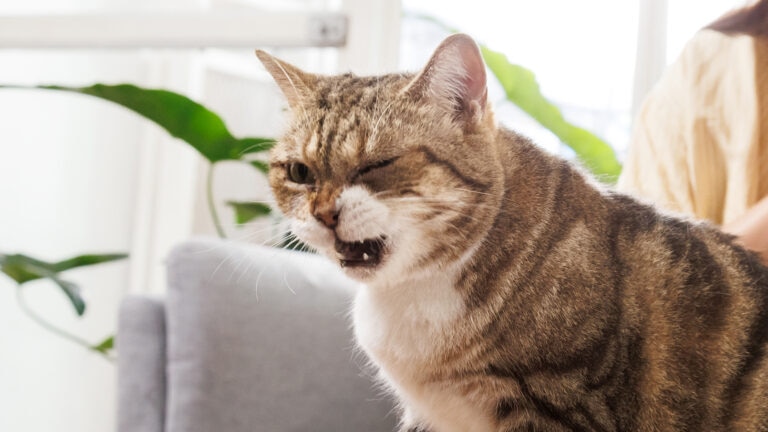
If your cat sneezes more than a few times a day, it’s a red flag. Sneezing that lasts several days or keeps coming back without improvement means something might be wrong.
Think about your own experiences—how often do you sneeze before you consider a cold or allergy? Your cat can’t tell you what’s bothering them, so persistent sneezing is their way of signaling distress.
Don’t ignore repeated sneezing just because your cat seems otherwise fine. It can be a sign of infections, irritants, or even dental problems.
Additional Symptoms To Watch For
Look beyond sneezing. Other symptoms often appear alongside concerning sneezing and help pinpoint the problem.
- Runny or cloudy eyes:Could indicate an eye infection or allergy.
- Nasal discharge:Thick, yellow, or green mucus suggests infection.
- Coughing or wheezing:Signs of respiratory issues.
- Loss of appetite or lethargy:Indicates your cat feels unwell overall.
- Swelling around the nose or face:May hint at dental abscesses or tumors.
When you notice these signs along with sneezing, it’s time to call your vet. Sometimes, a simple cold can turn into a serious condition if left untreated.
Have you observed any of these symptoms in your cat? The sooner you act, the better your pet’s chances of a quick recovery.
Credit: www.chewy.com
When To Visit The Vet
Knowing when to take your cat to the vet for sneezing issues can make a big difference in their health. Occasional sneezing is normal, but frequent or severe sneezing might indicate something more serious. Paying close attention to your cat’s behavior and symptoms helps you decide the right time to seek professional care.
Emergency Symptoms
Not every sneeze requires an emergency visit, but some signs mean you should act quickly. If your cat has trouble breathing, is coughing heavily, or shows signs of choking, visit the vet immediately.
- Persistent nasal bleeding or discharge that’s green or yellow
- Sudden swelling around the face or neck
- Extreme lethargy or refusal to eat and drink
- Repeated sneezing fits that don’t stop
These symptoms could indicate infections or blockages that need urgent care. Have you noticed any of these signs during your cat’s sneezing episodes? Prompt attention can prevent complications.
Routine Checkups For Respiratory Health
Even if your cat sneezes only occasionally, regular vet visits help maintain respiratory health. A vet can check for allergies, infections, or underlying conditions before they worsen.
During checkups, the vet might:
- Examine your cat’s nose and throat for inflammation or growths
- Recommend tests if sneezing is frequent or accompanied by other symptoms
- Suggest preventive measures like vaccinations or environmental changes
Regular visits allow you to catch problems early. How often do you schedule your cat’s wellness exams? Keeping to a routine helps you spot changes in their health quickly.
Preventive Measures
Preventing frequent sneezing in cats starts with simple care steps. These measures reduce irritants and strengthen your cat’s health. Keeping the space clean and following vaccination schedules plays a big role. Healthy habits help your cat stay comfortable and sneeze less often.
Maintaining A Clean Environment
Clean air and space keep your cat’s nose clear. Dust, smoke, and strong smells can trigger sneezing. Regularly vacuum floors and furniture to remove dust and hair. Wash bedding and toys often to avoid germs. Use air purifiers to reduce airborne irritants. Avoid smoking or using strong chemicals near your cat. A clean home means fewer allergens and less sneezing.
Vaccinations And Health Care
Vaccines protect cats from infections that cause sneezing. Keep your cat’s shots up to date according to the vet’s advice. Regular check-ups catch problems before they get worse. Early treatment stops sneezing from infections or allergies. Provide a balanced diet to support the immune system. Healthy cats fight off sickness better and sneeze less.

Credit: www.holistapet.com
Home Remedies And Care
When your cat sneezes occasionally, you might wonder if home remedies can help ease their discomfort. Minor sneezing often comes from harmless irritants like dust or a mild allergy. You can take simple steps at home to support your feline friend’s health without rushing to the vet.
Safe Practices For Minor Sneezing
Keep your cat’s environment clean by regularly vacuuming and dusting to reduce airborne irritants. Using a humidifier can help if the air in your home is dry, which sometimes triggers sneezing. Gently wiping your cat’s nose with a damp cloth can clear any mucus and make them more comfortable.
Offer plenty of fresh water to keep their throat moist and help flush out irritants naturally. Watch your cat closely—if sneezing happens less than three times a day and your cat is active and eating well, home care might be enough. Have you noticed if certain rooms or activities make your cat sneeze more?
Avoiding Harmful Treatments
Resist the urge to use human medications or sprays on your cat’s nose. Many over-the-counter products are toxic or irritating to cats. Never force your cat to take medicine without consulting a vet; improper treatment can worsen their condition.
Avoid home remedies like essential oils or strong herbal treatments, as these can cause respiratory distress. Instead, stick to gentle, supportive care until you see if the sneezing improves. If sneezing lasts more than a week, or your cat shows other symptoms like discharge or lethargy, it’s time to get professional advice.
Frequently Asked Questions
How Often Is Normal For Cats To Sneeze?
Cats may sneeze occasionally due to dust or irritants. Sneezing 1-3 times daily is usually normal. Frequent or persistent sneezing may indicate illness and requires veterinary attention.
What Causes Frequent Sneezing In Cats?
Frequent sneezing in cats can result from infections, allergies, or foreign objects in the nose. Viral infections like feline herpesvirus are common causes. Identifying the cause helps in proper treatment and care.
When Should I Worry About My Cat’s Sneezing?
If your cat sneezes more than five times daily or shows other symptoms like discharge, coughing, or lethargy, consult a vet. Persistent sneezing may signal respiratory infections or other health issues needing prompt care.
Can Allergies Cause Cats To Sneeze Often?
Yes, allergies to pollen, dust, or mold can cause frequent sneezing in cats. Allergic reactions irritate the nasal passages and trigger sneezing. Managing the environment and vet advice can help reduce symptoms.
Conclusion
Understanding your cat’s sneezing patterns is important. Sneezing often can signal health issues. Regular sneezes might be normal. Frequent sneezing needs a vet visit. Keep an eye on other symptoms too. Runny nose or eyes? Coughing? These can indicate illness.
Always ensure your cat is comfortable. A clean environment helps reduce irritants. Remember, each cat is unique. Your furry friend’s health is a priority. Pay attention to changes. Stay informed. Your care ensures a happy and healthy cat.

Lily Purrington is the founder of MyKittyPicks.com, a cozy corner of the web dedicated to helping cat lovers discover the best cat products, furniture, toys, and home decor ideas.
A lifelong cat enthusiast, Lily shares trusted tips, honest product recommendations, and stylish inspiration designed to keep kitties happy and homes beautiful.
Her mission is simple: to bring together practical advice and purr-fect picks that make life better for cats and the people who love them.


