

Grooming your cat might seem tricky, but it’s easier than you think. When you take the time to groom your cat properly, you’re not just keeping their fur clean—you’re also building a stronger bond and helping them feel their best.
Imagine your cat’s coat shiny, soft, and free of tangles, while they relax and enjoy the attention. In this guide, you’ll discover simple, effective steps to make grooming a stress-free routine for both you and your furry friend. Keep reading, and you’ll learn how to turn grooming into a moment your cat actually looks forward to.

Credit: www.viovet.co.uk
Choosing The Right Grooming Tools
Choosing the right grooming tools is key to keeping your cat healthy and happy. Proper tools make grooming easier and more comfortable for your pet. Each cat has unique needs based on its coat, nails, and sensitive areas like ears and eyes. Using the correct equipment helps avoid injury and stress during grooming sessions.
Brush Types For Different Coats
Different coats require specific brushes. Short-haired cats benefit from soft bristle brushes. They remove loose fur and dirt gently. Long-haired cats need slicker brushes to detangle knots. Wide-toothed combs help with mats and tangles. A rubber brush works well for shedding control. Choose a brush that suits your cat’s hair length and texture.
Nail Clippers And Trimmers
Nail care is important to prevent scratches and damage. Use sharp, small nail clippers designed for cats. Guillotine-style clippers are easy to use and safe. Scissor-style trimmers offer more control for thick nails. Avoid human nail clippers, which can split the nails. Trim nails carefully to avoid the quick, which causes pain and bleeding.
Ear And Eye Cleaning Supplies
Keep your cat’s ears and eyes clean to prevent infections. Use cotton balls or pads for gentle wiping. Specialized ear cleaning solutions help remove wax safely. Avoid using Q-tips inside the ear canal. Use a damp cloth to wipe around the eyes. Choose hypoallergenic and fragrance-free products to avoid irritation.
Preparing Your Cat For Grooming
Preparing your cat for grooming is a crucial part of the process that often gets overlooked. It sets the tone for a smooth, stress-free session and helps your cat associate grooming with comfort instead of fear. Taking time to prepare can transform grooming from a struggle into a bonding experience.
Creating A Calm Environment
Start by choosing a quiet spot free from loud noises and distractions. Soft lighting and a familiar scent, like a favorite blanket, can make your cat feel more at ease.
Have all your grooming tools within reach before you begin. This prevents sudden movements that might startle your cat and interrupts the flow of grooming.
Think about the room temperature too—cats prefer warmth, so avoid chilly spaces that could make them uncomfortable.
Getting Your Cat Comfortable With Handling
Spend a few minutes each day gently touching your cat’s paws, ears, and tail. Use a calm voice and slow movements to build trust.
Reward your cat with treats or gentle petting after handling sessions. This positive reinforcement helps them associate touch with good things.
Notice how your cat reacts and respect their limits. If they pull away, give them a break and try again later.
Timing Your Grooming Sessions
Choose a time when your cat is naturally relaxed, such as after a meal or a nap. A calm cat is less likely to resist grooming.
Keep sessions short at first—just a few minutes—and gradually increase the duration as your cat gets used to the process.
Observe your cat’s behavior. If they become restless or agitated, it’s better to pause and try again later rather than pushing through.
Brushing Techniques
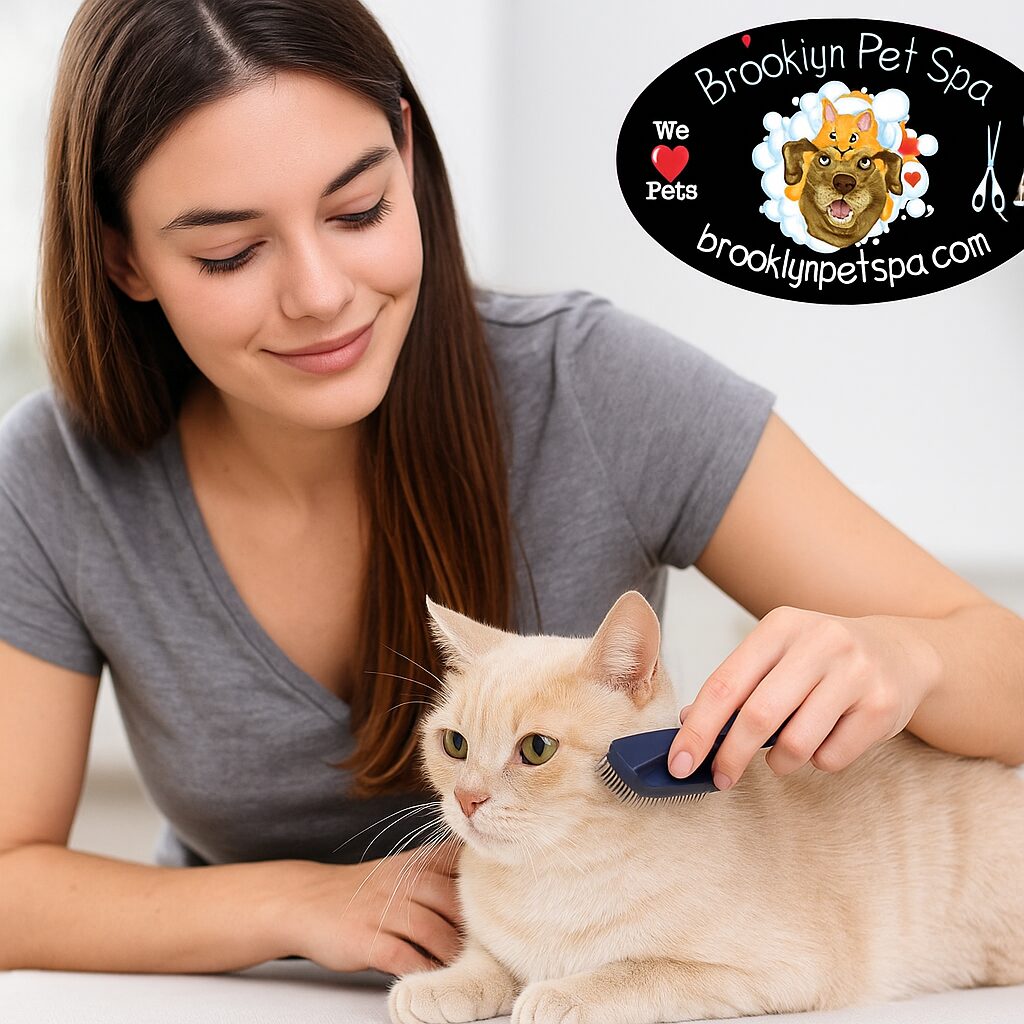
Gentle strokes help remove loose fur and dirt from your cat’s coat. Use a soft brush and follow hair growth for comfort. Regular brushing prevents mats and keeps your cat’s fur healthy and shiny.
Brushing your cat is essential for their health. It helps remove loose fur and reduces shedding. Regular brushing also prevents matting and tangles. Use the right technique based on your cat’s fur type.
Brushing Short-haired Cats
Short-haired cats need brushing once a week. Use a rubber brush or bristle brush. Start from the head and move to the tail. Follow the natural direction of the fur. Be gentle to avoid hurting the cat. Short strokes work best for removing loose fur.
Brushing Long-haired Cats
Long-haired cats require daily brushing. Use a wide-toothed comb or a slicker brush. Start from the belly and legs, moving upward. Divide the fur into sections for thorough brushing. Be gentle around sensitive areas like the belly and tail. Regular brushing prevents tangles and mats.
Dealing With Mats And Tangles
Mats and tangles need careful handling. Use a detangling spray for stubborn knots. Hold the fur below the mat to prevent pulling the skin. Use a wide-toothed comb to gently loosen the mat. In severe cases, consult a professional groomer. Regular brushing prevents mats from forming.
Bathing Your Cat Safely
Bathing your cat can be a challenging task, but doing it safely ensures your feline friend stays clean without stress or harm. Many cats dislike water, so understanding the right timing, products, and techniques is key to making the experience smoother for both of you. Let’s dive into how you can bathe your cat safely and keep their coat healthy.
When And How To Bathe Your Cat
Most cats groom themselves well, so baths are usually only needed if they get into something sticky, smelly, or harmful. If your cat has a medical condition or a very dirty coat, bathing might be necessary more often.
Choose a calm time when your cat is relaxed, such as after playtime or a nap. Use a sink or tub with warm water, filling it just a few inches deep. Gently wet your cat using a cup or sprayer, avoiding the head and ears.
Speak softly and move slowly to keep your cat calm. Rinse thoroughly to remove all shampoo, as leftover soap can irritate their skin. Have a helper if possible—one to hold and comfort your cat, the other to wash.
Choosing The Right Shampoo
Using the wrong shampoo can cause skin irritation or allergic reactions. Always pick a shampoo formulated specifically for cats, which is gentle and free from harsh chemicals.
Human shampoos or dog shampoos are not safe for cats because of different pH levels and ingredients. Look for shampoos with natural ingredients like aloe vera or oatmeal to soothe sensitive skin.
If your cat has skin problems, consult your vet before selecting a medicated shampoo. Patch testing on a small skin area can help prevent unexpected reactions.
Drying And Aftercare Tips
After the bath, wrap your cat in a soft, absorbent towel and gently pat dry. Avoid rubbing vigorously, which can tangle fur or irritate skin.
If your cat tolerates it, use a hairdryer on the lowest heat and noise settings, keeping it at a safe distance. Otherwise, air drying in a warm, draft-free room works well.
Brush your cat’s coat once dry to remove loose fur and prevent mats. Reward your cat with treats and praise to build positive associations with bathing time.
Trimming Nails And Cleaning Ears
Trimming your cat’s nails and cleaning their ears are essential parts of grooming that keep your feline friend comfortable and healthy. These tasks might seem tricky at first, but with the right approach, you can make them quick and stress-free. Let’s dive into practical ways to handle these grooming needs safely and effectively.
Safe Nail Trimming Methods
Use a pair of sharp, cat-specific nail clippers to avoid crushing the nails. Hold your cat gently but firmly, and trim only the sharp tip of each nail. Avoid cutting into the quick—the pinkish area inside the nail that contains nerves and blood vessels.
Cutting too close can cause pain and bleeding, which makes future trims more difficult. If your cat has dark nails and you can’t see the quick, trim small bits at a time. Do you find your cat resists nail trimming? Try trimming after a nap when they’re calmer.
Preventing Nail-related Injuries
Keeping your cat’s nails at a safe length helps prevent scratches to you, your furniture, and your cat’s skin. Regular trims reduce the chance of nails snagging on fabric or carpets. If your cat scratches excessively, consider soft nail caps as a safe alternative.
Watch your cat’s behavior for signs of discomfort or limping, which can indicate nail problems. Keeping a scratching post nearby can also help your cat naturally wear down their nails. Have you noticed your cat’s nails getting too long between trims? Set a weekly nail check routine.
Ear Cleaning Techniques
Check your cat’s ears weekly for dirt, wax buildup, or odor. Use a soft cloth or cotton ball dampened with a vet-approved ear cleaner. Never use cotton swabs inside the ear canal, as this can cause injury.
Gently wipe the visible parts of the ear, focusing on folds and crevices. If your cat shakes their head or scratches their ears frequently, it might indicate an ear infection—consult your vet right away. Do you know how to spot the difference between normal wax and signs of infection?
Credit: brooklynpetspa.com
Maintaining Dental Hygiene
Maintaining dental hygiene is essential for your cat’s overall health. Poor dental care can cause pain and lead to serious health problems. Regular dental care helps keep your cat’s teeth and gums strong. It also prevents bad breath and infections.
Brushing Your Cat’s Teeth
Brushing your cat’s teeth is the best way to remove plaque. Use a toothbrush made for cats and special cat toothpaste. Never use human toothpaste; it is harmful to cats.
Start slow. Let your cat get used to the taste and feel. Gently brush in small circles on the front teeth. Aim to brush at least twice a week for good results.
Dental Treats And Toys
Dental treats and toys help reduce plaque and tartar. Choose treats designed to clean teeth and freshen breath. Chewing these treats can massage gums and remove food bits.
Provide dental toys that encourage chewing. These toys support healthy teeth and keep your cat busy. Replace toys regularly to keep them effective and safe.
Signs Of Dental Problems
- Bad breath that does not go away
- Red, swollen, or bleeding gums
- Difficulty eating or dropping food
- Excessive drooling
- Loose or missing teeth
- Visible tartar buildup on teeth
Notice these signs early. Contact your vet for a dental checkup. Early treatment prevents pain and serious illness.
Recognizing Skin And Coat Issues
Keeping your cat’s skin and coat healthy is key to their overall well-being. Noticing issues early can save your furry friend from discomfort and more serious problems. Let’s look at how you can spot common signs that your cat’s skin or fur needs attention.
Common Skin Conditions
Watch for redness, bumps, or scabs on your cat’s skin. These might signal allergies, fungal infections, or dermatitis.
If your cat’s fur looks patchy or dull, it may mean their skin is irritated or they have a nutritional deficiency. Cats with oily or flaky skin also need closer care.
Have you noticed your cat scratching or licking a spot more than usual? That’s a strong clue something is bothering their skin.
Identifying Parasites
Parasites like fleas and mites are a frequent cause of skin problems. Flea dirt looks like tiny black specks, often near the base of the tail.
You might also see your cat scratching intensely or grooming obsessively. Small moving dots or eggs around the fur could be mites or lice.
Check your cat’s ears and neck closely, as parasites like ear mites often hide there. Early detection stops infestations from worsening.
When To Visit The Vet
Some skin issues clear up with simple grooming or over-the-counter treatments. But persistent redness, swelling, or wounds need professional care.
If your cat shows signs of pain or lethargy along with skin problems, don’t delay a vet visit. These symptoms might indicate infections or underlying health issues.
Have you ever ignored a skin problem that later became serious? Getting expert advice early can prevent long-term discomfort for your cat.

Credit: catit.ca
Building A Grooming Routine
Building a grooming routine helps keep your cat healthy and happy. Regular care reduces hairballs and skin problems. It also strengthens the bond between you and your pet. A consistent schedule makes grooming easier and less stressful for both of you.
Frequency Based On Age And Breed
Different cats need grooming at different times. Kittens require gentle brushing once or twice a week. Older cats may need more frequent sessions to prevent mats and tangles.
Long-haired breeds like Persians need daily grooming. Short-haired cats do well with weekly brushing. Adjust based on your cat’s coat and health.
Incorporating Play And Rewards
Make grooming fun by adding playtime before or after. Use toys to relax your cat and reduce stress. Offer treats to reward good behavior during grooming.
Positive experiences build trust and make future sessions easier. Keep sessions short and enjoyable. Celebrate small progress with praise and snacks.
Tracking Grooming Progress
Keep a simple log of grooming dates and notes. Track changes in coat condition or skin health. Note any signs of irritation or discomfort.
This helps spot problems early and adjust your routine. Share the log with your vet during checkups. Consistent tracking improves your cat’s overall care.
Frequently Asked Questions
How Often Should I Groom My Cat?
Groom your cat at least once a week. Long-haired cats may need daily grooming. Regular brushing prevents mats and reduces shedding. It also promotes healthy skin and fur.
What Tools Do I Need To Groom A Cat?
Use a soft-bristle brush, comb, and nail clippers. For long-haired cats, consider a de-matting tool. Always choose pet-safe grooming tools to avoid hurting your cat.
Can Grooming Improve My Cat’s Health?
Yes, grooming helps detect skin issues early. It reduces hairballs and prevents matting. Grooming also strengthens your bond with your cat, promoting overall well-being.
How Do I Safely Trim My Cat’s Nails?
Use special cat nail clippers and trim small tips. Avoid cutting the quick, which is sensitive. If unsure, consult a vet or groomer for guidance.
Conclusion
Grooming your cat helps keep them healthy and happy. Regular brushing removes loose hair and dirt. It also stops mats and tangles from forming. Use gentle strokes and be patient with your cat. Check their ears, eyes, and nails too.
Make grooming a calm and positive time together. Small daily habits make a big difference. A clean, well-groomed cat feels more comfortable and loved. Keep these tips in mind for easy cat care. Your cat will thank you with purrs and trust.

Lily Purrington is the founder of MyKittyPicks.com, a cozy corner of the web dedicated to helping cat lovers discover the best cat products, furniture, toys, and home decor ideas.
A lifelong cat enthusiast, Lily shares trusted tips, honest product recommendations, and stylish inspiration designed to keep kitties happy and homes beautiful.
Her mission is simple: to bring together practical advice and purr-fect picks that make life better for cats and the people who love them.


