

Have you noticed your cat losing weight without a clear reason? It can be worrying, especially when you love your furry friend and want to keep them healthy.
One common cause of weight loss in cats is kidney disease—a condition that many pet owners don’t fully understand. If you want to learn how kidney disease affects your cat’s weight and what signs to watch for, keep reading. Understanding this can help you take the right steps to protect your cat’s health and well-being.

Credit: www.vetopia.com.hk
Kidney Disease And Weight Loss Connection
Kidney disease is common in older cats and affects many body functions. One major sign of this disease is weight loss.
Understanding how kidney disease causes weight loss helps cat owners care for their pets better.
How Kidney Disease Affects Metabolism
Kidney disease changes how a cat’s body handles food and energy. Damaged kidneys cannot filter waste well.
This causes toxins to build up, which slows metabolism and lowers appetite. The cat may also lose muscle mass.
- Waste build-up reduces energy levels
- Lower appetite means less food intake
- Muscle breakdown leads to weight loss
Reasons For Weight Loss In Affected Cats
Cats with kidney disease lose weight for several reasons. Poor appetite is a key factor.
Other causes include dehydration, nausea, and loss of muscle. These symptoms make cats eat less and lose weight fast.
- Reduced appetite due to nausea or bad taste
- Increased urination causes dehydration
- Muscle loss from poor nutrient absorption
- General weakness reduces activity and muscle use
Early Signs Of Kidney Disease In Cats
Kidney disease in cats often causes weight loss. Early signs can help detect the problem sooner.
Watching your cat’s habits and behavior is important. These changes show how the disease affects them.
Changes In Appetite And Drinking Habits
Cats with kidney disease may eat less or lose interest in food. They might also drink more water than usual.
- Reduced appetite or skipping meals
- Increased thirst and frequent urination
- Sudden weight loss despite eating
- Vomiting or nausea after eating
Behavioral And Physical Symptoms
Kidney disease affects your cat’s energy and appearance. Look for these signs to catch the disease early.
| Symptom | Description |
|---|---|
| Lethargy | Less active and sleeps more than usual |
| Poor coat condition | Coat looks dull, dry, or unkempt |
| Bad breath | Unpleasant smell from the mouth |
| Dehydration | Dry gums and sunken eyes |
Advanced Symptoms Related To Weight Loss
Kidney disease in cats often leads to weight loss as the condition worsens. This weight loss is not just from losing fat but also from other severe symptoms.
Understanding these symptoms can help cat owners notice the disease early and seek veterinary care.
Muscle Wasting And Fatigue
Muscle wasting happens when cats lose muscle mass due to kidney disease. This makes them weak and less active.
- Loss of muscle tone around the spine and hips
- Reduced strength and energy
- Reluctance to jump or play
- Visible bones under the skin
Fatigue is common because the kidneys fail to remove toxins. These toxins build up and make cats feel tired.
Dehydration And Nutrient Deficiency
Kidney disease affects the cat’s ability to stay hydrated and absorb nutrients. This worsens weight loss.
| Symptom | Cause | Effect |
| Dehydration | Kidneys lose water retention ability | Dry mouth, sunken eyes, lethargy |
| Nutrient Deficiency | Poor digestion and appetite loss | Weakness, poor coat, slow healing |
| Increased Urination | Kidneys cannot concentrate urine | More water loss, thirst |
Credit: medicanimal.com
Diagnosing Kidney Disease In Cats
Kidney disease is common in older cats. It can cause weight loss and other health problems. Early diagnosis helps manage the condition better.
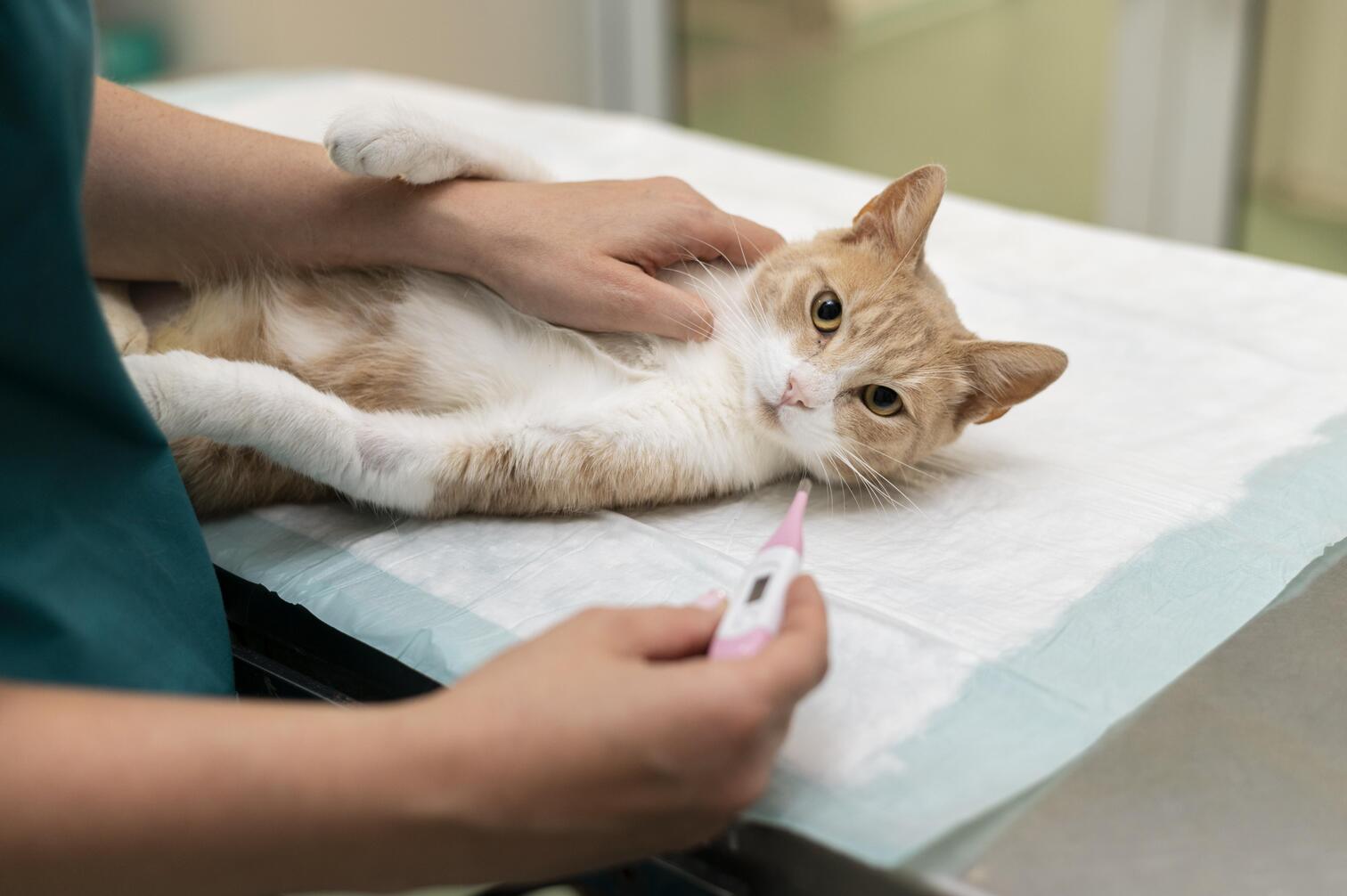
Recognizing the signs and visiting a vet is important. The vet will perform tests to confirm if the kidneys are affected.
Veterinary Tests And Procedures
The vet uses blood and urine tests to check kidney function. These tests measure waste levels and how well kidneys work.
Imaging like X-rays or ultrasounds can show kidney size and shape. These help find damage or other problems.
- Blood tests check creatinine and BUN levels
- Urine tests measure protein and specific gravity
- X-rays show kidney size and possible stones
- Ultrasound reveals kidney structure and abnormalities
Monitoring Weight And Overall Health
Weight loss is a key sign of kidney disease in cats. Owners should track their cat’s weight regularly.
Monitoring appetite, water intake, and energy helps assess health. Reporting changes to the vet supports timely care.
- Weigh your cat weekly or monthly
- Note any decrease in appetite or thirst changes
- Watch for less activity or hiding behavior
- Keep a health diary to share with the vet
Managing Weight Loss In Cats With Kidney Disease
Kidney disease often causes weight loss in cats. This happens because their body cannot process nutrients well.
Proper care can help manage weight loss and keep your cat comfortable. Feeding and medical care are important.
Dietary Adjustments And Nutritional Support
Feeding a kidney-friendly diet helps reduce strain on the kidneys. These diets have lower protein and phosphorus.
High-quality protein supports muscle health. Cats may need more calories to prevent weight loss.
- Use wet food to increase water intake
- Feed smaller, frequent meals
- Add appetite stimulants if needed
- Include omega-3 fatty acids for kidney support
Medications And Treatment Options
Medications can help manage symptoms and slow kidney damage. Your vet may prescribe drugs to control blood pressure.
Fluid therapy can prevent dehydration and improve appetite. Supplements may help balance minerals and vitamins.
- Phosphate binders to reduce phosphorus levels
- Anti-nausea medications to improve eating
- Medications to control blood pressure
- Fluid injections to keep cats hydrated
Preventing Progression And Supporting Kidney Health
Kidney disease in cats can lead to weight loss. It’s important to manage their health to prevent progression.
By taking steps to support their kidney function, we can help our feline friends live more comfortably.
Hydration And Environmental Care
Ensuring cats stay hydrated is crucial for kidney health. Fresh water should always be available.
- Provide multiple water bowls around the house
- Consider a cat water fountain to encourage drinking
- Keep water bowls clean and filled
Regular Check-ups And Early Detection
Routine vet visits help catch kidney issues early. Monitoring weight and appetite is also key.
Regular blood tests can detect kidney issues before symptoms appear.
Early treatment can slow down disease progression.
| Frequency | Suggested Action |
| Monthly | Monitor weight and water intake |
| Every 6 months | Visit the vet for a check-up |
Credit: justcatsclinic.com
Frequently Asked Questions
Can Kidney Disease In Cats Cause Noticeable Weight Loss?
Yes, kidney disease often leads to weight loss in cats. This happens because the disease reduces appetite and nutrient absorption, leading to muscle wasting and fat loss. Early detection helps manage symptoms and maintain a healthier weight.
Why Do Cats With Kidney Disease Lose Appetite?
Kidney disease causes toxin buildup in the blood, making cats feel nauseous. This nausea reduces their desire to eat, causing a loss of appetite and subsequent weight loss.
How Can I Help My Cat Regain Weight With Kidney Disease?
Provide a kidney-friendly diet rich in protein and low in phosphorus. Consult your vet for appetite stimulants and hydration support to improve your cat’s overall health and weight.
Is Weight Loss The Only Symptom Of Kidney Disease In Cats?
No, weight loss is common but not the only symptom. Cats may also show increased thirst, frequent urination, lethargy, and vomiting. Early vet consultation is crucial for proper diagnosis and treatment.
Conclusion
Kidney disease in cats often causes noticeable weight loss. This happens because the illness affects appetite and nutrient absorption. Early signs like weight loss help catch the problem sooner. Regular vet visits are important to spot changes quickly. Feeding a special diet can support your cat’s health.
Watching your cat’s eating habits and weight is key. Acting fast can improve your cat’s quality of life. Stay alert and care for your feline friend with love.

Lily Purrington is the founder of MyKittyPicks.com, a cozy corner of the web dedicated to helping cat lovers discover the best cat products, furniture, toys, and home decor ideas.
A lifelong cat enthusiast, Lily shares trusted tips, honest product recommendations, and stylish inspiration designed to keep kitties happy and homes beautiful.
Her mission is simple: to bring together practical advice and purr-fect picks that make life better for cats and the people who love them.


