

If you care about your cat’s health, you want to catch kidney problems early. But how do vets actually check for kidney disease in cats?
Understanding the steps your vet takes can help you spot signs sooner and feel more confident about your cat’s care. You’ll discover the simple tests and signs that reveal your cat’s kidney health. Keep reading to learn what to expect during a vet visit and how you can protect your furry friend from kidney disease before it’s too late.

Credit: nazpetemergency.com
Symptoms Of Kidney Disease In Cats
Kidney disease is common in older cats. It can develop slowly over time.
Recognizing symptoms early helps vets provide better care. Watch your cat for signs.
Early Signs To Watch
Early kidney disease signs are often mild and easy to miss. Cats may seem a bit different.
Common early signs include changes in drinking and urination habits. Your cat might drink more water.
- Increased thirst
- More frequent urination
- Loss of appetite
- Weight loss
- Lethargy or less energy
- Bad breath with a chemical smell
Advanced Symptoms
Advanced kidney disease causes more obvious problems. The kidneys lose much of their function.
At this stage, cats may have serious health issues that need urgent care.
- Vomiting and nausea
- Dehydration
- Weakness and collapse
- Severe weight loss
- Ulcers in the mouth
- Poor coat condition
- Confusion or disorientation
Physical Examination Techniques
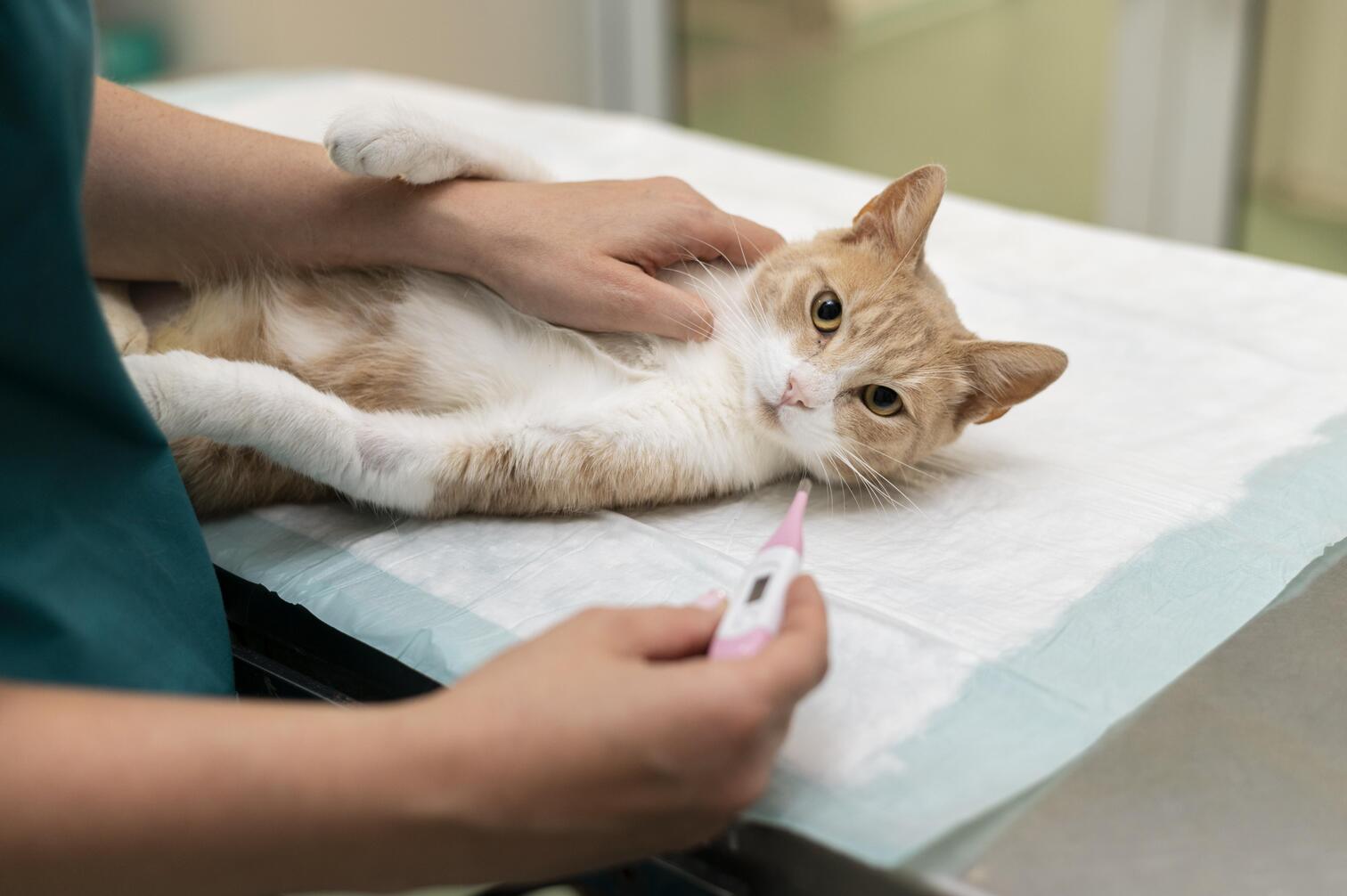
Vets use physical exams to check a cat’s kidneys. These exams help find early signs of kidney disease. They look for changes in the cat’s body and behavior.
Physical exams are quick and painless. They give vets clues about how well the kidneys work. This helps decide if more tests are needed.
Palpation And Inspection
Vets gently press the cat’s abdomen to feel the kidneys. Healthy kidneys are firm and smooth. Swollen or painful kidneys may mean disease.
Inspecting the cat’s body shows signs like weak muscles or bad coat. These can happen if kidneys do not work well. Vets also check the cat’s mouth for bad breath.
Assessing Hydration And Weight
Vets check if the cat is dehydrated by looking at the skin. If the skin stays raised when pinched, the cat may lack water. Dehydration often happens with kidney problems.
Weight loss is common in cats with kidney disease. Vets measure the cat’s weight and compare it to past records. Sudden or steady weight loss is a warning sign.
- Skin elasticity test for dehydration
- Check gums for moisture
- Track weight changes over time
Blood Tests For Kidney Function
Vets use blood tests to check how well a cat’s kidneys work. These tests help find kidney disease early.
Blood tests measure substances that kidneys normally filter out. Changes in levels can show kidney problems.
Creatinine And Bun Levels
Creatinine and BUN are waste products in the blood. Healthy kidneys remove them efficiently.
High creatinine or BUN levels mean kidneys are not working well. These tests are common in vet clinics.
- Creatinine:Waste from muscle breakdown
- BUN (Blood Urea Nitrogen):Waste from protein digestion
- Elevated levels suggest kidney damage or disease
- Used to monitor kidney health over time
Sdma Test Importance
SDMA is a newer blood test for kidney function. It can detect kidney disease earlier than creatinine.
SDMA measures a protein that rises when kidney function drops. It helps vets catch problems sooner.
- Detects kidney disease in early stages
- Not affected by muscle mass like creatinine
- Helps guide treatment plans
- Useful for regular check-ups in older cats
Urinalysis Procedures
Vets use urinalysis to check for kidney disease in cats. This test helps find early signs of kidney problems.
Urinalysis looks at the urine’s color, concentration, and presence of proteins or sugars. These details show how well the kidneys work.
Urine Concentration
Urine concentration shows how well the kidneys keep water in the body. Healthy kidneys make urine more concentrated.
Vets measure urine concentration using a tool called a refractometer. This tool checks the urine’s specific gravity.
- Low urine concentration can mean kidney disease.
- It may also show dehydration or other health issues.
- Regular checks help track kidney health over time.
Protein And Glucose Detection
Protein in urine can signal kidney damage. Healthy kidneys usually stop protein from entering urine.
Glucose is not normally found in urine. Its presence may mean diabetes or kidney problems.
- Proteinuria is the presence of protein in urine.
- Glucosuria means glucose is found in urine.
- Both signs help vets diagnose kidney issues early.
Imaging Methods
Vets use imaging methods to check for kidney disease in cats. These methods help see the kidneys clearly. Imaging shows changes that blood tests might miss.
Two main imaging methods are ultrasound scans and X-rays. Each gives different information about the cat’s kidneys and helps vets make a diagnosis.
Ultrasound Scans
Ultrasound uses sound waves to create pictures of the kidneys. It shows the size, shape, and texture of the organs. Vets can spot cysts, tumors, or stones with ultrasound.
- Non-invasive and safe for cats
- Provides real-time images
- Detects abnormalities in kidney tissue
- Helps guide needle biopsies if needed
X-rays And Their Role
X-rays use radiation to take pictures of the cat’s body. They show the size and position of the kidneys. X-rays can find kidney stones and other blockages.
| Imaging Type | What It Shows | Use in Kidney Disease |
| Ultrasound | Kidney tissue and structure | Detects cysts, tumors, and texture changes |
| X-rays | Kidney size and stones | Finds stones and blockages |
Specialized Kidney Function Tests
Vets use special tests to check for kidney disease in cats. These tests help find out how well a cat’s kidneys are working.
By using these tests, vets can give the best care to cats with kidney issues. The tests are important for keeping cats healthy.
Gfr Measurement
GFR stands for Glomerular Filtration Rate. It shows how well a cat’s kidneys filter waste from the blood.
Vets use GFR tests to see if the kidneys are working properly. This helps catch kidney disease early.
- GFR tests are safe and accurate
- They provide clear results for kidney health
- Early detection can lead to better treatment
Blood Pressure Monitoring
High blood pressure can harm a cat’s kidneys. Monitoring blood pressure helps vets check for kidney disease.
Regular checks can prevent further damage to the kidneys. Vets can adjust treatment based on blood pressure readings.
- Blood pressure monitoring is simple and quick
- It helps in managing kidney health effectively
- Regular monitoring supports better outcomes for cats
Interpreting Test Results
Vets use tests to check for kidney disease in cats. They help determine how severe the disease is.
Test results guide treatment plans. They show how well the kidneys are working.
Identifying Early Vs. Late Stage Disease
Early stage kidney disease is easier to manage. Cats may show subtle signs like increased thirst.
Late stage disease has more severe symptoms. Cats may lose weight or have poor appetite.
- Early signs: increased drinking, urination
- Late signs: weight loss, vomiting
- Blood tests show kidney function decline
Combining Multiple Test Outcomes
Vets use several tests to get a full picture. Blood and urine tests are common.
Combining results helps in accurate diagnosis. It ensures the best treatment plan for your cat.
| Blood Test | Measures waste levels |
| Urine Test | Checks concentration |
| Ultrasound | Examines kidney size |
Credit: medicanimal.com
Follow-up And Monitoring
Checking for kidney disease in cats is not a one-time event. Regular follow-up helps vets track changes. It ensures the cat receives the right care over time.
Monitoring also helps catch problems early. This can slow the disease and improve the cat’s quality of life.
Frequency Of Testing
Vets decide how often tests are needed based on the cat’s health. Early kidney problems need tests every few months. Advanced cases may need monthly checks.
- Initial diagnosis: tests every 1 to 3 months
- Stable condition: tests every 6 months
- Progressing disease: tests every 1 to 2 months
- Severe cases: tests every few weeks
Adjusting Treatment Plans
Test results guide changes in treatment. Vets look at blood work, urine tests, and blood pressure. They adjust medicines, diet, and fluids as needed.
| Test | What It Shows | Treatment Change |
| Blood Creatinine | Kidney function level | Adjust medication dose |
| Urine Protein | Kidney damage severity | Change diet to reduce protein |
| Blood Pressure | Risk of kidney damage | Add blood pressure medicine |
| Electrolytes | Balance of minerals | Provide supplements or fluids |

Credit: justcatsclinic.com
Frequently Asked Questions
How Do Vets Diagnose Kidney Disease In Cats?
Vets diagnose kidney disease through physical exams, blood tests, and urine analysis. These tests check kidney function and detect abnormalities. Early diagnosis helps manage the disease effectively and improves your cat’s quality of life.
What Blood Tests Detect Kidney Disease In Cats?
Common blood tests include BUN and creatinine levels. Elevated levels indicate impaired kidney function. Vets also check phosphorus and electrolyte levels to assess kidney health and disease severity.
Why Is Urine Testing Important For Cats’ Kidney Health?
Urine tests measure protein levels and specific gravity. These help detect kidney damage and concentration ability. Changes in urine can signal early kidney disease, guiding timely treatment.
Can Imaging Help In Detecting Kidney Disease In Cats?
Yes, ultrasounds and X-rays reveal kidney size and structure. Imaging helps identify abnormalities like cysts or tumors. It supports a comprehensive diagnosis alongside lab tests.
Conclusion
Vets use simple tests to find kidney disease in cats early. Blood and urine samples help check how well kidneys work. Early detection lets vets suggest treatments to help your cat. Watching for changes in behavior or appetite is important.
Regular vet visits keep your cat healthy and safe. Understanding these checks makes you a better pet owner. Caring for your cat’s kidneys can improve their life. Stay alert and act fast if you notice any signs. Your cat depends on you for good health care.

Lily Purrington is the founder of MyKittyPicks.com, a cozy corner of the web dedicated to helping cat lovers discover the best cat products, furniture, toys, and home decor ideas.
A lifelong cat enthusiast, Lily shares trusted tips, honest product recommendations, and stylish inspiration designed to keep kitties happy and homes beautiful.
Her mission is simple: to bring together practical advice and purr-fect picks that make life better for cats and the people who love them.


