

Have you noticed your cat losing weight even though they seem to be eating normally? If your furry friend has kidney disease, this unexpected weight loss can be worrying and confusing.
Understanding why cats lose weight with kidney problems is key to helping your pet stay healthier and more comfortable. You’ll discover the hidden reasons behind this weight loss and learn how you can support your cat through this challenging time.
Keep reading to find out what’s really going on inside your cat’s body and what steps you can take right now.

Credit: kimvet.co.za
Kidney Disease In Cats
Kidney disease is a common health problem in cats. It happens when the kidneys stop working well.
One sign of kidney disease is weight loss. This happens because the body cannot work properly.
Common Symptoms
Cats with kidney disease show many signs. Some signs are easy to see at home.
These symptoms help owners know their cat needs a vet visit.
- Weight loss
- Increased thirst
- More urination
- Loss of appetite
- Vomiting
- Bad breath
- Lethargy or weakness
Stages Of Kidney Disease
Kidney disease in cats has several stages. Each stage shows how bad the disease is.
Early stages may have few signs. Later stages cause more serious problems.
- Stage 1:Mild damage, no clear symptoms.
- Stage 2:Kidneys work less, some symptoms appear.
- Stage 3:Kidney function is poor, many symptoms occur.
- Stage 4:Kidneys fail, severe symptoms and weight loss.
Reasons For Weight Loss
Cats with kidney disease often lose weight. This happens for several reasons linked to the disease.
Understanding these reasons can help owners care better for their sick pets.
Reduced Appetite
Kidney disease makes cats feel sick and lose interest in food. Toxins build up in their body, causing nausea.
When cats eat less, they do not get enough calories or nutrients to keep their weight.
Nutrient Malabsorption
Kidney disease can affect the digestive system. Cats may not absorb nutrients well from their food.
Even if they eat, their bodies may not get the vitamins, minerals, and proteins needed for good health.
Increased Metabolic Rate
Kidney problems can cause the body to burn energy faster. This means cats use more calories than usual.
This faster metabolism leads to weight loss because the cat’s food intake does not keep up with energy use.
Muscle Wasting
Kidney disease can cause the breakdown of muscle tissue. This is called muscle wasting or atrophy.
Muscle loss reduces body weight and strength. Cats may look thinner and weaker over time.
- Loss of muscle protein
- Reduced physical activity
- Changes in hormone levels
Impact On Cat’s Health
Cats with kidney disease often lose weight. This weight loss affects their health in many ways. Kidney problems reduce appetite and nutrient absorption.
Weight loss weakens a cat’s body. It makes it harder to fight illness and stay active. Understanding these effects helps pet owners care better for their cats.
Weakened Immune System
Kidney disease lowers a cat’s immune defense. Losing weight means fewer nutrients reach the body. This reduces the ability to fight infections.
A weak immune system leads to more sickness. Cats may catch colds or infections easily. Their recovery time also gets longer.
Dehydration Risks
Kidney disease affects water balance in the body. Cats lose fluids faster and drink less. This causes dehydration, which harms organs and tissues.
Dehydration can cause weakness and lethargy. It also worsens kidney function. Proper hydration is very important for these cats.
Energy Deficiency
Weight loss lowers energy reserves in cats. Kidney disease makes it hard to get enough calories. Cats feel tired and less playful.
Low energy slows healing and reduces movement. This can lead to muscle loss and further health decline.
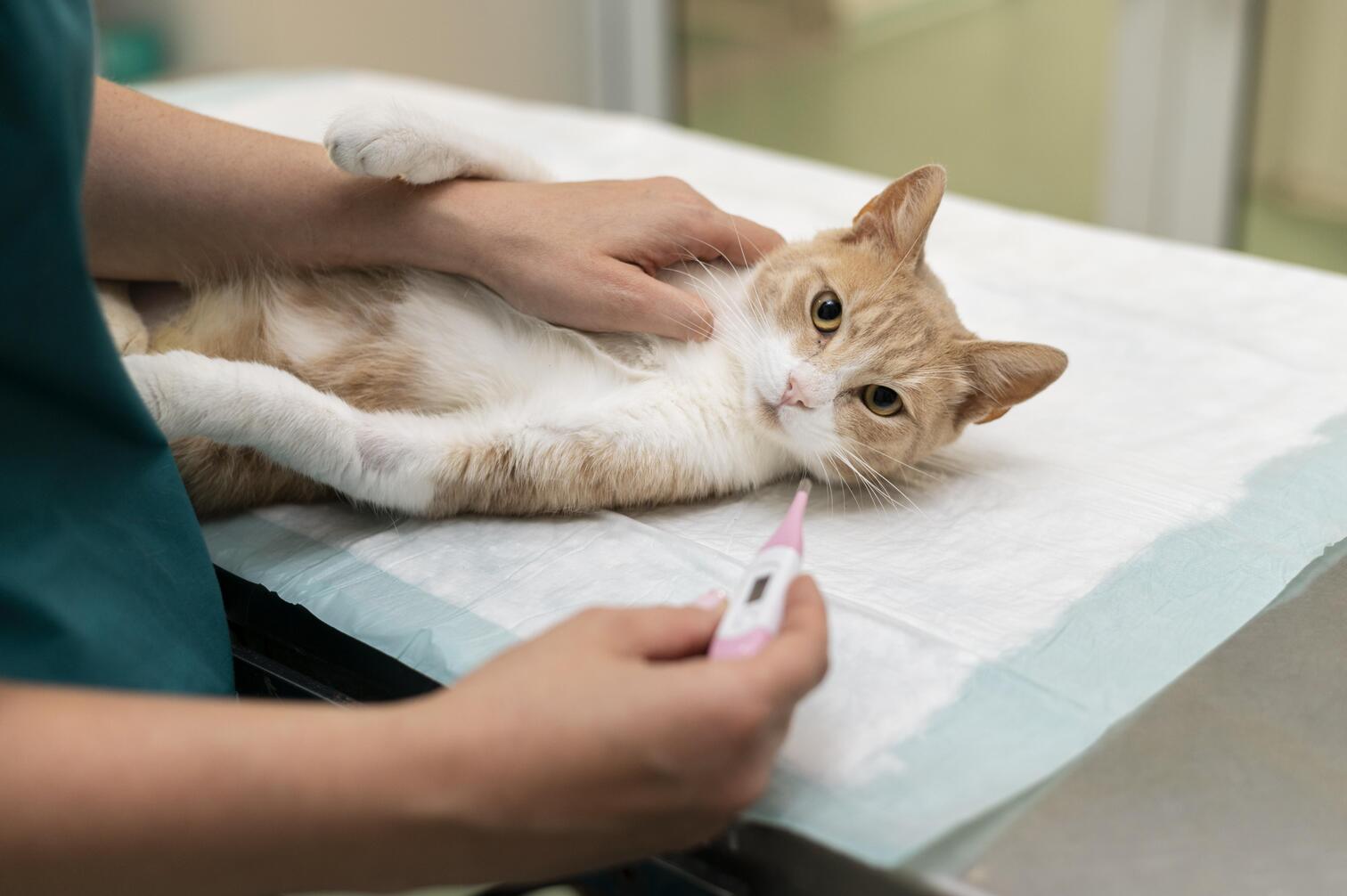
Credit: medicanimal.com
Dietary Adjustments
Cats with kidney disease often lose weight because their bodies change. Adjusting their diet helps support their health.
Special diets can ease kidney problems and help maintain a healthy weight in cats.
Kidney-friendly Foods
Feeding cats foods low in phosphorus and sodium helps protect their kidneys. These foods reduce kidney strain and slow disease progress.
Fresh, high-quality ingredients support overall health and make meals more appealing for cats with kidney issues.
- Low phosphorus sources like white rice and certain vegetables
- Low sodium options to reduce kidney workload
- Wet food to increase water intake
Protein Management
Cats need protein for energy, but too much can harm weak kidneys. Adjusting protein amount helps balance health and weight.
Using high-quality proteins supports muscle maintenance while limiting kidney stress.
- Choose proteins with high biological value like chicken or eggs
- Limit total protein to reduce kidney workload
- Monitor weight and adjust protein intake accordingly
Hydration Strategies
Kidney disease causes dehydration, so cats need more water. Proper hydration helps kidneys work better and supports weight maintenance.
Encourage drinking by offering water in different ways and feeding wet food to increase fluid intake.
- Provide fresh water in multiple bowls around the house
- Use wet cat food to add moisture to the diet
- Consider flavored water or broth to entice drinking
Medical Treatments
Cats with kidney disease often lose weight because their bodies cannot process nutrients well. Medical treatments help slow the disease and support their health.
These treatments focus on protecting the kidneys, improving appetite, and managing symptoms that cause discomfort and weight loss.
Medications To Support Kidneys
Some medicines help the kidneys work better or reduce damage. These drugs can lower blood pressure and reduce protein loss in urine.
Such medications slow kidney damage and may help cats keep more weight by improving kidney function.
- ACE inhibitors to lower blood pressure
- Phosphate binders to reduce kidney strain
- Drugs to control protein loss in urine
Appetite Stimulants
Kidney disease often makes cats lose their appetite. Appetite stimulants encourage cats to eat more food.
By increasing food intake, these drugs help cats maintain or gain weight during treatment.
- Mirtazapine to boost hunger
- Cyproheptadine to increase appetite
- Medications to reduce nausea and improve eating
Managing Symptoms
Kidney disease causes symptoms like vomiting and dehydration. Managing these helps cats feel better and eat more.
Treatments include fluids, anti-nausea drugs, and pain relief to improve quality of life and support weight maintenance.
- Fluid therapy to prevent dehydration
- Anti-nausea medications to reduce vomiting
- Pain relief to improve comfort
Credit: www.goodrx.com
Home Care Tips
Cats with kidney disease often lose weight. This can be worrying for pet owners. Understanding how to care for your cat at home is important.
Here are some tips to help manage your cat’s weight and comfort. These tips can make a difference in your cat’s quality of life.
Monitoring Weight And Behavior
Regularly check your cat’s weight. Weight loss can be a sign of health issues. Use a scale at home to monitor changes.
Watch for changes in behavior. Cats may become less active or hide more. These can be signs of discomfort or illness.
- Weigh your cat weekly
- Note any changes in eating habits
- Observe energy levels and playfulness
Encouraging Eating
Offer food that is appealing to your cat. Cats with kidney disease may have reduced appetites. Try different flavors or textures.
Feed small, frequent meals. This can help maintain their weight. A diet formulated for kidney health is often recommended.
- Try wet food or special kidney diets
- Warm food slightly to enhance aroma
- Provide fresh water at all times
Comfort And Environment
Make sure your cat has a comfortable place to rest. Soft bedding and a quiet space can help them relax. Reduce stress as much as possible.
Maintain a stable environment. Avoid sudden changes in their routine. Consistency can help them feel secure.
- Provide cozy sleeping areas
- Keep noise levels low
- Offer gentle petting and attention
When To See A Vet
Cats can lose weight for different reasons. Kidney disease is a common cause. It is important to know when to see a vet.
Understanding the warning signs and knowing when to act can help your cat stay healthy. Regular checkups are also important.
Warning Signs
Look for changes in your cat’s behavior or appearance. These signs may indicate kidney disease.
- Increased thirst and urination
- Loss of appetite
- Vomiting or diarrhea
- Lethargy or weakness
- Bad breath or mouth ulcers
Regular Checkups
Regular vet checkups help catch problems early. Your vet can do tests to check your cat’s kidneys.
Emergency Situations
Some symptoms need immediate attention. If you notice any of these, contact your vet right away.
| Symptom | Action |
| Severe vomiting | See a vet immediately |
| Extreme lethargy | Urgent vet visit required |
| No urination for 24 hours | Emergency vet care needed |
Frequently Asked Questions
Why Do Cats Lose Weight With Kidney Disease?
Cats lose weight with kidney disease due to reduced appetite and nutrient absorption. Kidney damage causes toxin buildup, making cats feel sick and eat less. Muscle wasting also occurs as the body breaks down protein for energy, leading to noticeable weight loss.
How Does Kidney Disease Affect A Cat’s Appetite?
Kidney disease causes nausea and vomiting in cats, reducing their appetite. Toxin buildup in the bloodstream affects taste and smell, making food less appealing. This leads to decreased food intake and subsequent weight loss over time.
Can Weight Loss Indicate Kidney Disease In Cats?
Yes, unexplained weight loss can be an early sign of kidney disease in cats. It often signals reduced appetite and muscle wasting caused by declining kidney function. Early detection is crucial for effective management and improved quality of life.
What Role Does Muscle Wasting Play In Weight Loss?
Muscle wasting occurs when the body breaks down muscle for energy due to poor nutrient absorption. In kidney disease, this process accelerates as cats struggle to maintain proper nutrition. Muscle loss contributes significantly to overall weight loss in affected cats.
Conclusion
Cats lose weight with kidney disease due to poor appetite and nutrient loss. The kidneys cannot filter waste well, making cats feel sick. This causes less eating and weight loss. Early care can slow the disease and help cats feel better.
Watch your cat’s weight and behavior closely. Talk to your vet if you notice changes. Keeping your cat comfortable is very important. Weight loss signals the need for medical help. Act fast to support your cat’s health.

Lily Purrington is the founder of MyKittyPicks.com, a cozy corner of the web dedicated to helping cat lovers discover the best cat products, furniture, toys, and home decor ideas.
A lifelong cat enthusiast, Lily shares trusted tips, honest product recommendations, and stylish inspiration designed to keep kitties happy and homes beautiful.
Her mission is simple: to bring together practical advice and purr-fect picks that make life better for cats and the people who love them.


