

Are you a cat owner wondering if your indoor feline needs a rabies shot? You might think that since your cat never steps outside, they’re safe from this deadly virus.
But is it that simple? Understanding the real risks and benefits of vaccinating your house cat can save you from future heartache and costly vet bills. Dive into this article to uncover the surprising truth about rabies shots for your furry friend.
Discover how a simple vaccination can protect not only your beloved pet but also your family and community. Are you ready to ensure your cat’s health and safety? Let’s explore this vital topic together.
Rabies And Its Risks For Cats
Rabies is a deadly virus that can affect many animals, including your house cat. Understanding the risks of rabies for cats is essential to keep them safe and healthy. Many cat owners wonder if their indoor pets really need rabies shots, especially when they seem far from danger.
How Rabies Affects Cats
Rabies attacks the nervous system of cats, causing severe brain inflammation. Once symptoms appear, the disease progresses quickly and is almost always fatal. The virus changes a cat’s behavior and physical abilities, making it a serious threat to both pets and people around them.
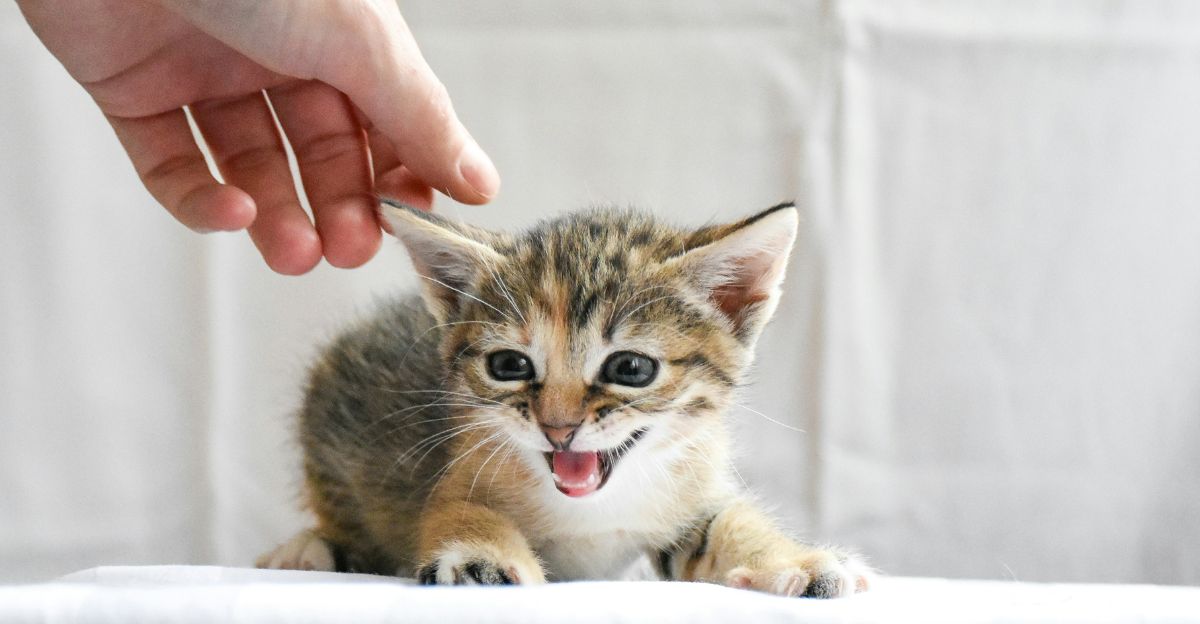
Have you noticed sudden aggression or confusion in your cat? These could be signs of rabies, which is why timely vaccination is crucial. Protecting your cat is also protecting your family.
Transmission Methods
Rabies spreads mainly through bites from infected animals like raccoons, bats, or stray dogs. Even a small scratch or lick on an open wound can transmit the virus. Cats that roam outside or interact with wildlife are at the highest risk.
- Wild animals such as bats or raccoons
- Stray or unvaccinated dogs and cats
- Direct contact with saliva through bites or scratches
If your cat spends time outdoors, you should consider the possibility of contact with these animals. Would you take the risk of your cat catching a fatal disease just because it seems unlikely?
Symptoms To Watch For
Rabies symptoms in cats can be subtle at first. Early signs include unusual behavior like hiding or excessive vocalization. As the virus advances, your cat might show:
- Difficulty walking or paralysis
- Excessive drooling or difficulty swallowing
- Aggression or extreme fear
- Seizures or sudden changes in personality
Spotting these signs early could make a difference, but by the time symptoms appear, the disease is almost always beyond treatment. How would you feel if you missed these warning signs in your beloved pet?

Credit: millsanimalhospital.com
Legal Requirements For Cat Vaccination
Rabies vaccination for cats is not just about health. The law often requires it. These legal rules aim to protect people and animals. Understanding these rules helps cat owners stay safe and follow the law.
Laws By Region
Each region sets its own rules for cat rabies shots. Some places require all cats to be vaccinated. Others only require it for cats that go outside. Urban areas often have stricter rules than rural ones.
Here is a simple overview:
| Region | Rabies Vaccination Required | Notes |
|---|---|---|
| United States | Yes | Varies by state and county |
| Canada | Yes | Rules differ by province |
| Europe | Mostly yes | Common for cats that travel |
| Australia | Rarely | Rabies is not present in the country |
Consequences Of Non-compliance
Not following rabies vaccination laws can cause trouble. Legal penalties vary but often include fines. Authorities may require quarantine or even euthanasia in some cases.
Besides legal issues, unvaccinated cats risk catching rabies. Rabies is deadly for both cats and humans. Protecting your cat protects your family too.
Vaccination Benefits For Indoor Cats
Even if your cat spends most of its time indoors, vaccinating against rabies offers important benefits. Many pet owners assume indoor cats face no risk, but unexpected situations can put them in harm’s way. Understanding these benefits helps you make informed choices to keep your feline friend safe.
Risk Factors Indoors
Indoor cats might seem safe, but they still face risks from rabies. Wild animals like bats or raccoons can sometimes enter your home or attic, exposing your cat to the virus. Stray animals might also sneak into your yard or even your home if doors are left open.
Think about your cat’s behavior too. Does your cat like to explore open windows, or have you ever found it near a pet door? These small chances can lead to unexpected contact with rabid animals.
Protecting Against Unexpected Exposure
Vaccinating your cat acts as a crucial shield against unforeseen encounters. Rabies is almost always fatal once symptoms appear, so prevention is your best tool. A vaccinated indoor cat has a much higher chance of surviving if exposed.
Consider the legal side as well—many places require rabies shots for all cats regardless of lifestyle. Vaccination keeps your cat compliant with local laws and protects your family from potential health risks.
- Vaccination reduces the risk of transmission to humans.
- It prevents costly and stressful quarantine or medical treatments.
- It gives you peace of mind knowing your cat is protected.
Have you ever thought about what would happen if a bat entered your home? Preparing in advance by vaccinating your indoor cat is a smart step you can take today.
Credit: tryfurgo.com
Vaccination Benefits For Outdoor Cats
Outdoor cats face unique challenges that indoor cats often avoid. Vaccinating your cat against rabies provides a critical shield, especially when they roam freely. Understanding the benefits of vaccination helps you protect not only your pet but also your community.
Increased Exposure Risks
Outdoor cats are more likely to encounter wild animals such as raccoons, bats, or skunks. These animals can carry rabies, increasing the chance your cat might get bitten or scratched. Without vaccination, a simple fight or curiosity-driven interaction could lead to a serious infection.
I once had a neighbor whose outdoor cat came home with a suspicious bite. The vet confirmed it was from a wild animal. Luckily, the cat was up-to-date with rabies shots, so the outcome was far less dangerous than it could have been.
Community Health Impact
Rabies isn’t just a risk for your cat; it’s a risk for people and other animals too. Vaccinated cats reduce the chance of rabies spreading in your neighborhood. This is especially important in areas where wildlife is common and interactions between pets and wild animals happen frequently.
Think about your local community—would you want your children or neighbors exposed to a potentially rabid animal? Vaccinating your outdoor cat is a simple way to help keep everyone safer.
Vaccine Safety And Side Effects
Understanding vaccine safety and side effects is essential when deciding on rabies shots for your house cat. Vaccines protect against deadly diseases, but it’s natural to worry about how your pet might react. Knowing what to expect can help you make informed choices and spot any issues early.
Common Reactions
Most cats handle rabies vaccines well. You might notice mild side effects like:
- Temporary soreness or swelling at the injection site
- Lethargy or mild fever for a day or two
- Decreased appetite briefly after vaccination
These reactions usually fade quickly without treatment. If your cat seems a bit off after the shot, monitor them closely but don’t panic. Have you ever seen your cat act sleepy or grumpy after a vet visit? That’s often the vaccine working to build protection.
Rare Complications
Severe side effects from rabies vaccines are uncommon but possible. Watch for signs like:
- Persistent vomiting or diarrhea
- Swelling of the face or limbs
- Difficulty breathing or severe lethargy
- Seizures or collapse
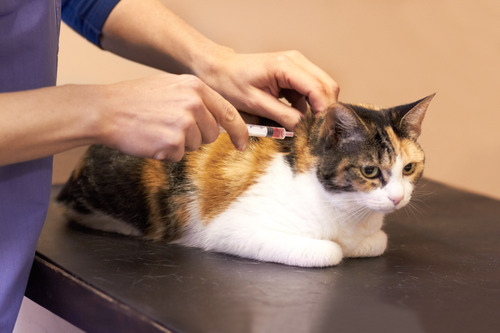
If these symptoms appear, contact your vet immediately. Your vet can provide treatments to ease reactions and decide if future vaccinations need adjustment. Are you prepared to act quickly if your cat shows unusual symptoms?
Credit: triangleanimalclinic.com
Scheduling And Booster Shots
Keeping your cat safe from rabies involves a clear schedule for vaccinations and booster shots. Proper timing helps maintain strong immunity against this deadly virus. Understanding when to start and continue these shots is key to your cat’s health.
Initial Vaccination Timeline
Kittens usually get their first rabies shot at about 12 weeks old. This timing fits with other core vaccines they need. The first vaccine helps build initial protection against rabies.
Your vet may recommend a specific brand or type of vaccine based on local laws and risks. The initial shot should be done before your kitten goes outside or meets other animals.
When To Boost
After the first vaccine, cats need booster shots to keep protection strong. The first booster is often given one year after the initial shot. Then, boosters continue every one to three years, depending on the vaccine used.
Regular boosters ensure your cat’s immunity does not weaken over time. Your vet will advise the best schedule based on your cat’s lifestyle and local regulations.
Alternatives And Additional Protections
Vaccinating your house cat against rabies is crucial, but sometimes there are additional steps you can take to boost your pet’s safety. Alternatives and extra protections can help reduce risks without relying solely on rabies shots. These options might suit cats that spend limited time outdoors or have specific health concerns.
Other Preventative Measures
Keeping your cat indoors is one of the simplest ways to prevent exposure to rabies. Cats that stay inside have much lower chances of encountering wild animals that might carry the virus.
Regular flea and tick control also plays a role. These parasites can transmit diseases that weaken your cat’s immune system, making them more vulnerable to infections.
Consider microchipping your cat and maintaining up-to-date identification tags. If your cat accidentally escapes, quick recovery lowers the risk of exposure to dangerous animals.
Have you ever wondered if your cat’s environment might expose them to risks you haven’t noticed? Taking a close look at their daily activities can reveal hidden dangers.
Combining Vaccines
Many veterinarians offer combination vaccines that protect against multiple diseases, including rabies. This approach reduces the number of shots your cat needs, which can be less stressful.
Combination vaccines often cover diseases like feline distemper and calicivirus alongside rabies. This ensures broader protection while keeping your cat’s vet visits efficient.
Talk to your vet about the best vaccine schedule tailored to your cat’s lifestyle. Sometimes spacing out vaccines can improve effectiveness and reduce side effects.
Have you ever thought about how a single vet visit could provide comprehensive protection for your cat? It’s worth discussing options to streamline your cat’s healthcare.
Frequently Asked Questions
Do Indoor Cats Need Rabies Shots?
Yes, indoor cats still need rabies shots. Rabies can be transmitted by bats or other wildlife entering the home. Vaccination protects your cat and complies with local laws.
How Often Should Cats Get Rabies Vaccinations?
Cats typically need rabies shots every one to three years. The exact timing depends on the vaccine type and local regulations. Your vet will recommend the best schedule.
What Are The Risks Of Not Vaccinating Cats?
Unvaccinated cats risk contracting rabies from wildlife. Rabies is fatal and can spread to humans. Avoid legal issues and protect your pet by vaccinating on time.
Are Rabies Vaccines Safe For Cats?
Yes, rabies vaccines are safe and well-tested for cats. Side effects are rare and usually mild. Vaccination benefits far outweigh the minimal risks involved.
Conclusion
Rabies shots protect cats from a deadly disease. Many places require these vaccines by law. Cats that go outside face higher risks. Even indoor cats can catch rabies from other animals. Vaccinating keeps your cat safe and healthy. It also protects your family and community.
Talk to your vet about the best vaccine plan. Regular shots help prevent serious health problems. Staying up to date is a simple, smart choice. Keep your cat happy and safe with rabies shots.

Lily Purrington is the founder of MyKittyPicks.com, a cozy corner of the web dedicated to helping cat lovers discover the best cat products, furniture, toys, and home decor ideas.
A lifelong cat enthusiast, Lily shares trusted tips, honest product recommendations, and stylish inspiration designed to keep kitties happy and homes beautiful.
Her mission is simple: to bring together practical advice and purr-fect picks that make life better for cats and the people who love them.


