

Traveling with your cat can be stressful—for both of you. If your furry friend gets anxious or restless during trips, you might be wondering if drugging a cat for travel is the right choice.
You want your pet to be calm and safe, but you also worry about the risks and how to do it properly. This article will guide you through everything you need to know, helping you make the best decision for your cat’s comfort and well-being.
Keep reading to discover safe options, expert tips, and what to avoid when considering sedatives for your feline companion.
Reasons To Calm Cats For Travel
Travel can be a difficult experience for cats. Their natural environment changes suddenly. Loud noises, new smells, and unfamiliar sights cause anxiety. Calming a cat helps reduce this stress. It makes the journey safer and more comfortable for both the cat and owner.
Stress Factors During Travel
Cats are sensitive to changes in their routine. Traveling exposes them to many stress triggers:
- Strange sounds from vehicles or people
- Unfamiliar places and smells
- Being confined in small carriers
- Motion and vibrations during transport
- Separation from their usual environment
These factors cause fear and confusion. A calm cat handles these challenges better.
Behavioral Challenges
Stress can cause unwanted behaviors in cats during travel. These include:
- Excessive meowing or crying
- Scratching or biting
- Refusal to eat or drink
- Attempts to escape the carrier
- Increased aggression or hiding
Calming a cat helps prevent these behaviors. It keeps the cat relaxed and manageable throughout the trip.

Credit: cats.com
Types Of Calming Options
Traveling can be stressful for cats. Many cats feel anxious in cars or unfamiliar places. Calming options help reduce this stress. These options range from gentle natural remedies to stronger prescription drugs. Choosing the right one depends on your cat’s needs and your vet’s advice.
Natural Remedies
Natural remedies use herbs, scents, or supplements to calm cats. They work gently and have few side effects. Common natural options include:
- Chamomile or valerian root supplements
- Feliway sprays or diffusers, which mimic cat pheromones
- CBD oil designed for pets
- Lavender or other calming essential oils (used carefully)
Natural remedies take time to work. Start giving them days before travel.
Over-the-counter Medications
Over-the-counter (OTC) options offer stronger relief than natural remedies. You can buy them without a prescription. Common OTC calming aids include:
- Antihistamines like diphenhydramine (Benadryl)
- Supplements with L-theanine or melatonin
- Calming chews or treats made for cats
Always check the correct dosage for cats. Watch for side effects like drowsiness or dry mouth.
Prescription Drugs
Prescription drugs provide the strongest calming effect. Vets prescribe them for very anxious cats. Popular prescription options are:
- Gabapentin, which reduces anxiety and pain
- Alprazolam, a fast-acting anti-anxiety medication
- Trazodone, used for calming during travel
These drugs require careful dosing and vet guidance. Never give prescription drugs without vet approval.
Consulting Your Veterinarian
Talking to your veterinarian is the first step before giving your cat any medication for travel. They know your cat’s health history and can advise on the safest options. This ensures your pet stays calm and healthy during the trip.
Assessing Your Cat’s Health
Your vet will check your cat for any health issues that might affect medication use. They look for conditions like heart problems, liver issues, or allergies. These can change which drugs are safe for your cat.
They may also review your cat’s age and weight. This helps determine the correct medicine dose. Healthy cats react differently to medications than those with illnesses.
Choosing The Right Medication
Veterinarians select medicines based on your cat’s needs. Options include sedatives, anti-anxiety drugs, or natural remedies. Each type has benefits and risks to consider.
Your vet explains possible side effects and how to give the medicine safely. They may suggest a trial dose before the trip. This checks how your cat reacts to the drug.
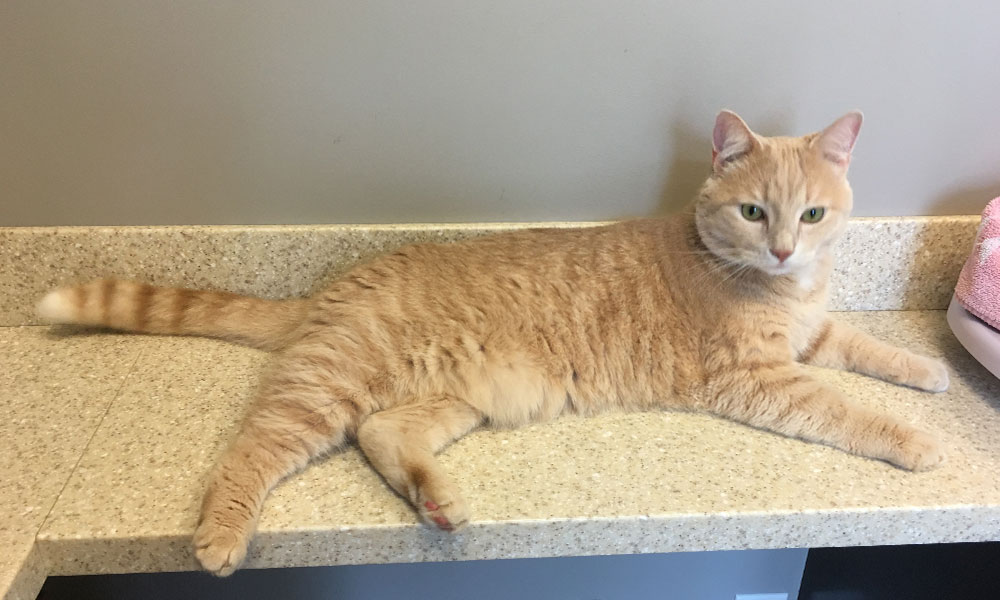
Credit: justcatsclinic.com
Safe Dosage Guidelines
Giving your cat medication for travel needs careful attention to dosage. Safe dosage guidelines ensure your cat stays calm without harmful effects. Incorrect amounts can cause serious health problems or fail to work. Always follow proper dosage rules to protect your pet’s well-being.
Weight-based Dosage
Dosage depends mainly on your cat’s weight. Each medicine has a recommended amount per pound or kilogram. Use a scale to weigh your cat accurately before giving medicine. Too much can harm your cat. Too little may not help with travel anxiety.
Consult your vet for exact dosage instructions. Some common sedatives have dosage ranges like:
- 0.5 to 1 mg per kg of body weight
- Or 0.2 to 0.5 mg per pound
Never guess or use human medicine doses. Follow professional advice strictly.
Timing Before Travel
When to give medication affects how well it works. Most drugs take 30 to 60 minutes to start calming your cat. Give the dose early enough to avoid stress during travel. Too late and your cat may still be anxious. Too early and the effect may wear off too soon.
Check your vet’s recommendation for timing. Usually, giving medicine 1 hour before departure works best. Watch your cat after dosing. Notice any signs of over-sedation or discomfort.
Administering Medication Effectively
Administering medication to your cat during travel can be a challenging task, especially since stress levels are already high for both of you. Ensuring that your cat takes its medicine without a struggle is crucial for their health and your peace of mind. By using thoughtful techniques, you can make the process smoother and less stressful for your feline friend.
Techniques To Reduce Stress
Keeping your cat calm before and during medication is key. Try to create a quiet, comfortable environment—dim the lights and speak softly to reassure your pet.
Gently wrapping your cat in a towel can prevent sudden movements, making it easier to give the medicine without causing panic. Have a helper hold your cat if possible, so you can focus on administering the medication calmly.
Ask yourself: How does your cat respond to being held? Tailoring your approach to their personality can make a big difference in how smoothly the process goes.
Using Pill Pockets And Treats
Pill pockets are a simple but effective tool for hiding medication inside a tasty treat. Most cats find these soft, flavored pockets irresistible, which can turn medicine time into snack time.
If your cat is a picky eater, try different flavors or brands of pill pockets until you find one they like. Alternatively, you can crumble the pill into a small amount of wet food or a favorite treat.
Be cautious to watch your cat swallow the entire treat to ensure they get the full dose. Have extra treats ready as a reward to reinforce positive behavior and make future medication easier.
Alternative Calming Strategies
Traveling with a cat can be stressful for both of you. Many pet owners worry about using medication to calm their cats. There are gentle ways to help your cat stay calm without drugs. These methods focus on making your cat feel safe and relaxed during the trip.
Pheromone Sprays And Diffusers
Pheromone sprays and diffusers release natural scents that calm cats. These scents mimic the ones cats produce to feel safe at home. Sprays can be applied inside the carrier or on a blanket. Diffusers work well in rooms where your cat spends time before the trip.
Using pheromone products can reduce anxiety and stress signals. They help cats feel more secure in unfamiliar places. These products are easy to use and have no side effects. Many vets recommend them as a first step in calming cats for travel.
Comfort Items And Familiar Scents
Bringing your cat’s favorite items can ease travel stress. A soft blanket, toy, or bed with familiar smells helps your cat feel at home. These items create a safe space inside the carrier.
Try using clothes or towels with your scent. Your smell can comfort your cat and reduce fear. Keep these items close during the trip to provide ongoing reassurance.
Comfort items also distract your cat from strange noises and sights. They make the journey less scary and more manageable. Preparing these familiar objects is a simple way to improve your cat’s travel experience.
Monitoring Your Cat During Travel
Monitoring your cat during travel is crucial, especially if you’ve given them medication to help with anxiety or motion sickness. Paying close attention to their behavior and physical state ensures their safety and comfort throughout the journey. It also helps you catch any unexpected side effects early, allowing you to act quickly and adjust your approach for future trips.
Recognizing Adverse Reactions
Keep an eye out for signs like excessive drowsiness, vomiting, or uncoordinated movements. These could indicate your cat is having a negative reaction to the medication. Some cats may become overly lethargic, while others might seem restless or agitated instead of calm.
Watch their breathing and heart rate if possible. Rapid breathing or irregular heartbeat can be warning signs. If you notice anything unusual, stop the trip if you can, and consult your vet immediately.
Adjusting Approaches For Future Trips
Every cat reacts differently to travel drugs, so take notes on what worked and what didn’t. Did the medication calm your cat without side effects? Or was the dosage too high or too low?
You might find that combining medication with familiar toys, blankets, or pheromone sprays reduces stress without heavy sedation. Think about timing too—sometimes giving the drug closer to departure helps, other times earlier does.
Have you tried natural calming options alongside medication? Sharing your experience with your vet can help tailor a better plan next time. What small changes could make your cat’s next trip smoother and safer?

Credit: www.prwe.com
Frequently Asked Questions
How Do I Safely Drug My Cat For Travel?
Consult your vet before giving any medication. Use only prescribed drugs. Follow dosage instructions carefully to avoid risks.
What Are Common Medications For Cat Travel Anxiety?
Veterinarians often recommend sedatives like gabapentin or mild tranquilizers. These help calm your cat during travel and reduce stress.
Are There Natural Alternatives To Drugging Cats For Travel?
Yes, natural options include pheromone sprays, calming collars, and herbal supplements. These can ease anxiety without side effects.
How Long Before Travel Should I Give Medication?
Administer medication as advised by your vet, usually 1-2 hours before the trip. This timing ensures effectiveness during travel.
Conclusion
Traveling with a cat can be stressful. Proper preparation makes a difference. Consult your vet for the best advice. Consider your cat’s needs and comfort. Testing medication beforehand is crucial. Pay attention to any side effects. Always monitor your cat during travel.
A calm environment helps ease anxiety. Bring familiar items like toys or blankets. Safety and comfort should be priorities. With careful planning, travel can be smoother. Keep your cat’s well-being in mind. Happy travels!

Lily Purrington is the founder of MyKittyPicks.com, a cozy corner of the web dedicated to helping cat lovers discover the best cat products, furniture, toys, and home decor ideas.
A lifelong cat enthusiast, Lily shares trusted tips, honest product recommendations, and stylish inspiration designed to keep kitties happy and homes beautiful.
Her mission is simple: to bring together practical advice and purr-fect picks that make life better for cats and the people who love them.


