
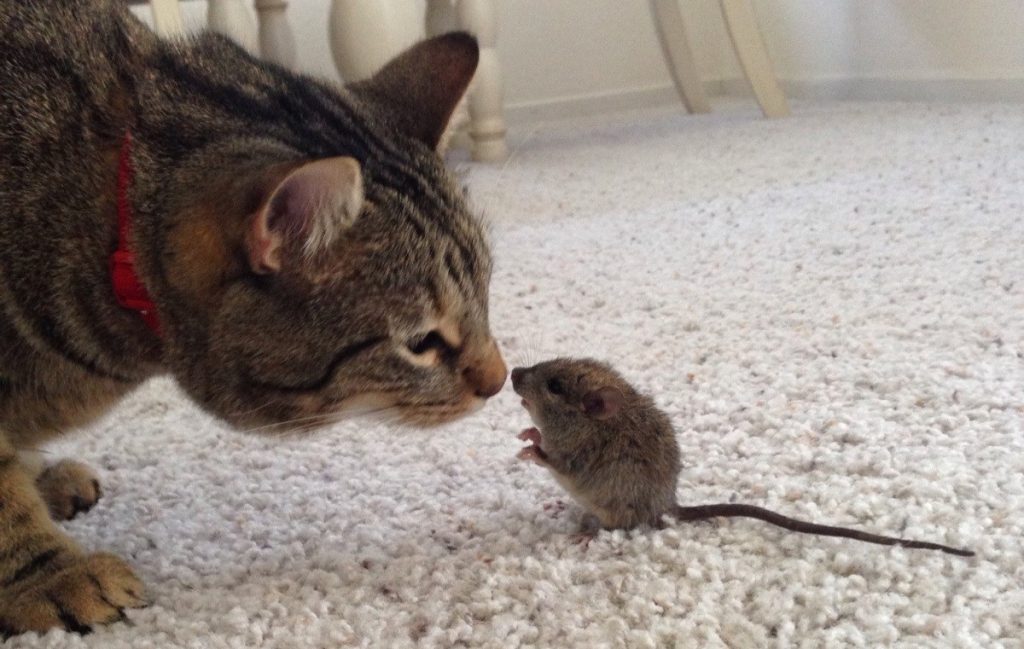
Have you ever wondered if your curious cat could get sick from catching a rat? Rats are more than just pests—they can carry germs that might harm your furry friend.
If your cat likes to explore or chase rodents, it’s important to know what diseases they could catch. You’ll discover the hidden risks rats pose to your cat’s health and how you can protect them. Keep reading to make sure your beloved pet stays safe and healthy.
Common Diseases Transmitted By Rats
Rats can carry many diseases that affect cats. Cats often catch these diseases when they hunt or come near rats. Knowing these illnesses helps protect your pet.
Rats spread infections through bites, fleas, or contact with their urine and droppings. Some diseases are serious and need quick care.
Bacterial Infections
Bacteria from rats can cause infections in cats. These infections often happen after a bite or scratch. They can affect the skin and other parts of the body.
Common bacterial infections include:
- Leptospirosis:Caused by contact with rat urine, it can cause fever and kidney problems.
- Salmonellosis:Cats get it by eating infected rats, leading to stomach upset.
- Rat Bite Fever:Happens after a rat bite and causes fever and joint pain.
Viral Threats
Rats can carry viruses that infect cats. These viruses spread through bites or contact with rat fluids. They can cause serious health issues.
Some viral threats from rats are:
- Hantavirus:This virus can cause lung problems in cats.
- Arenavirus:It may lead to fever and weakness.
Parasitic Conditions
Rats often carry parasites that can infect cats. Parasites may live on the rat or inside its body. Cats catch them by hunting or contact.
Common parasites from rats include:
- Fleas:Fleas from rats can bite cats and cause itching or infections.
- Toxoplasmosis:This parasite spreads through rat meat and causes illness in cats.
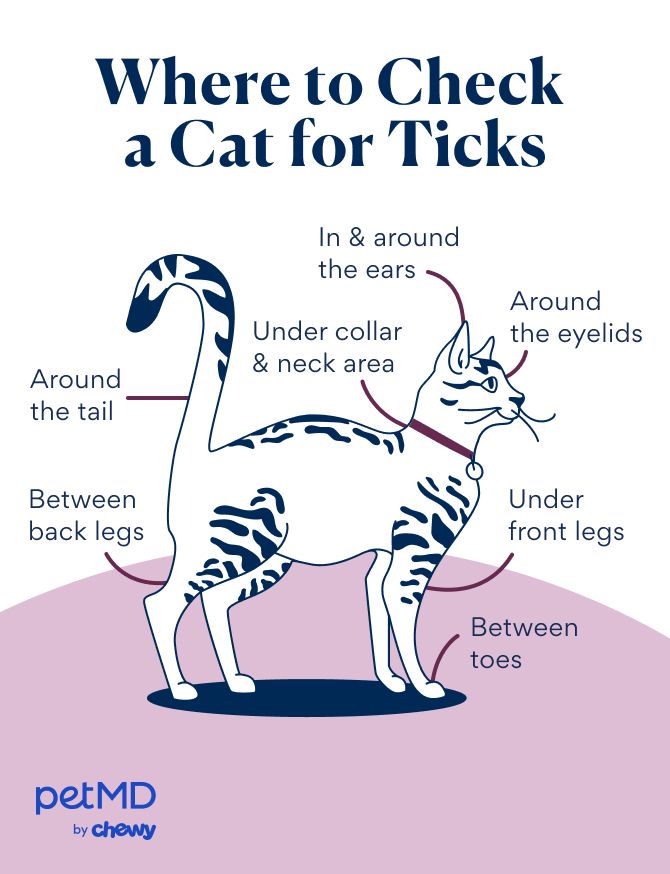
- Ticks:They carry diseases and attach to cats after contact with rats.
How Rats Spread Diseases To Cats
Rats can carry many harmful germs and parasites. These can make cats sick if they come into contact.
Cats can catch diseases from rats in different ways. It is important to understand these risks to keep cats safe.
Direct Contact Risks
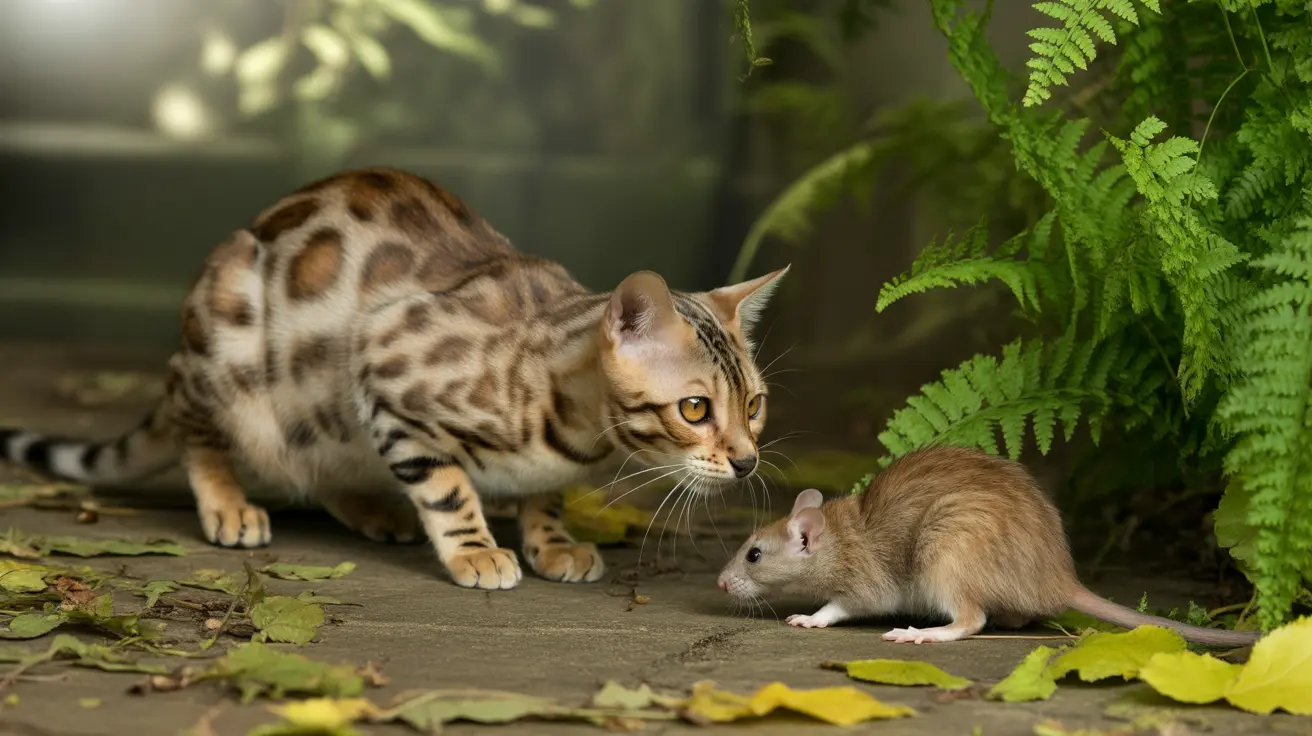
Cats may fight or play with rats. Bites and scratches can pass bacteria and viruses directly.
Contact with rat blood or saliva can also spread infections. Cats are at risk if they catch or eat rats.
- Bite wounds can lead to infections like rat-bite fever.
- Saliva can carry diseases such as leptospirosis.
- Eating infected rats may transmit parasites or bacteria.
Contaminated Environments
Rats leave urine and droppings in places cats explore. These can contain disease-causing germs.
Cats can get sick by touching or licking areas where rats live. They may breathe in harmful bacteria too.
- Rat urine can spread leptospirosis to cats.
- Droppings may carry salmonella and other bacteria.
- Contaminated soil and water are infection sources.
Flea And Tick Transmission
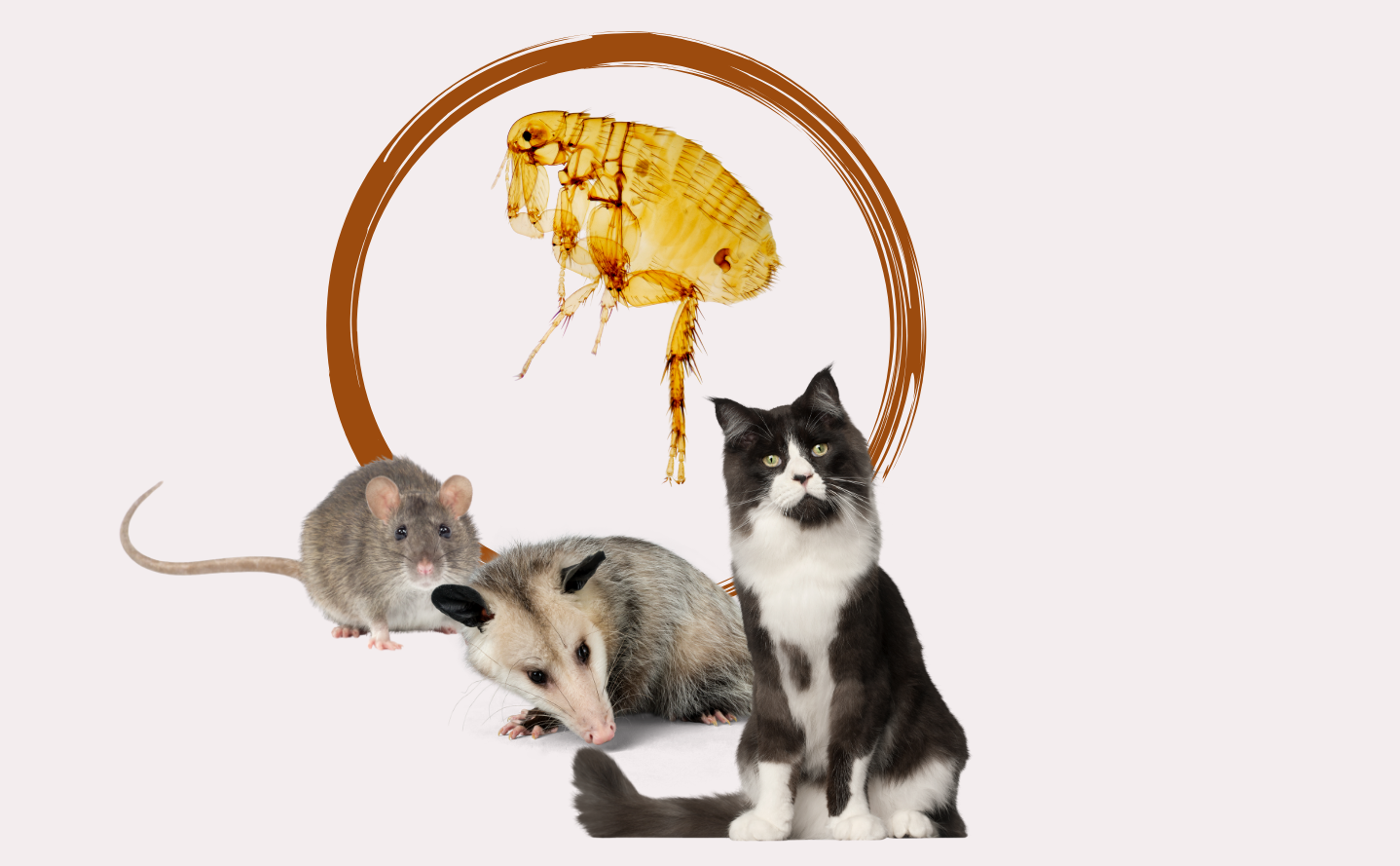
Rats often carry fleas and ticks. These parasites can move to cats and spread diseases.
Fleas and ticks feed on blood and pass infections from rats to cats. This can cause serious health problems.
- Fleas can transmit bartonella, causing cat scratch fever.
- Ticks may spread Lyme disease or other illnesses.
- Parasite bites cause irritation and skin problems.
Symptoms To Watch For In Cats
Cats can catch diseases from rats that make them very sick. Watching for certain signs helps catch problems early.
Some illnesses from rats affect how cats act. Others show on their bodies. Knowing these signs is important.
Behavioral Changes
Illness from rats can change your cat’s behavior. Watch for these signs:
- Loss of appetite or refusal to eat
- Unusual hiding or avoiding people
- Weakness or less activity than usual
- Excessive scratching or grooming
- Restlessness or trouble sleeping
Physical Signs
Physical symptoms often show on your cat’s body. Look for these common signs:
| Symptom | Possible Cause |
| Fever | Infection from bacteria or virus |
| Swollen lymph nodes | Body fighting illness |
| Persistent coughing or sneezing | Respiratory infection |
| Diarrhea or vomiting | Digestive upset |
| Skin sores or wounds | Bites or scratches infected by germs |
When To Seek Veterinary Care
If you see any of these signs, take your cat to the vet right away:
- High fever lasting more than one day
- Severe weakness or trouble walking
- Continuous vomiting or diarrhea
- Breathing problems like wheezing
- Any open wounds that look infected
Credit: www.publichealth.lacounty.gov
Preventing Rat-related Illnesses In Cats
Cats can get sick from rats. Rats carry many diseases that may harm your cat. It is important to keep your cat safe from these illnesses.
Understanding how to prevent rat-related illnesses helps protect your cat’s health. There are ways to reduce the risks in and around your home.
Home Rodent Control
Keeping rats out of your home is the first step in protecting your cat. Rats spread bacteria and viruses that can cause serious diseases in cats.
- Seal holes and cracks where rats can enter.
- Keep food in sealed containers.
- Remove garbage regularly to avoid attracting rats.
- Use traps or contact pest control if rats are present.
Safe Outdoor Practices
Rats live outside and can carry diseases like leptospirosis and toxoplasmosis. Limit your cat’s contact with rats by following safe outdoor practices.
| Practice | Benefit |
| Supervise your cat outside | Prevents hunting rats |
| Keep your yard clean | Reduces rat hiding places |
| Remove food scraps | Stops rats from gathering |
| Use secure cat enclosures | Keeps cats safe from rats |
Regular Vet Check-ups
Routine vet visits help catch diseases early. Cats exposed to rats need regular health checks to stay well.
- Tell your vet if your cat hunts or encounters rats.
- Schedule yearly exams and vaccinations.
- Watch for symptoms like fever, vomiting, or lethargy.
- Follow vet advice for testing and treatment.
Treatment Options For Infected Cats
Cats can catch diseases from rats, such as infections. Treating these infections early is important for your cat’s health. Vets use different methods to help infected cats get better.
This guide explains some common treatment options. It covers medicines, care at home, and check-ups after treatment.
Antibiotic Therapies
Antibiotics are the main treatment for bacterial infections cats get from rats. Your vet will choose the right antibiotic based on the illness and your cat’s health.
| Antibiotic | Common Use | Duration |
| Doxycycline | Fighting bacterial infections | 2 to 4 weeks |
| Amoxicillin | General infections | 1 to 2 weeks |
| Enrofloxacin | Severe cases | Depends on vet’s advice |
Supportive Care
Supportive care helps your cat feel better while the medicine works. This care can include rest, fluids, and good nutrition.
- Keep your cat warm and comfortable
- Provide fresh water and healthy food
- Help your cat stay calm and stress-free
- Follow the vet’s instructions carefully
Monitoring And Follow-up
Watching your cat’s progress is important. Return visits to the vet help ensure the infection is gone. The vet may check blood tests or examine your cat’s health.
Signs to watch for during recovery:
- Improved appetite and energy
- Less coughing or sneezing
- Normal temperature
- No new wounds or swelling
Credit: www.petscare.com
Credit: www.petmd.com
Frequently Asked Questions
What Diseases Can Cats Get From Rats?
Cats can contract diseases like leptospirosis, rat-bite fever, and toxoplasmosis from rats. These infections can cause fever, lethargy, and joint pain in cats. Early veterinary care is essential to prevent severe health issues.
How Do Rats Transmit Diseases To Cats?
Rats transmit diseases through bites, scratches, urine, or feces. Cats hunting or coming into contact with infected rats are at risk. Direct contact with contaminated materials can lead to infections and illnesses.
Can Rat-bite Fever Affect My Cat?
Yes, rat-bite fever can infect cats through rat bites or scratches. It causes symptoms like fever, swelling, and joint pain. Immediate veterinary treatment is crucial to avoid serious complications.
Is Leptospirosis From Rats Dangerous To Cats?
Leptospirosis is a serious bacterial infection cats can get from rat urine. It affects the kidneys and liver, causing vomiting and lethargy. Vaccination and prompt treatment help protect cats from this disease.
Conclusion
Cats can catch serious diseases from rats. These illnesses may cause health problems and need quick care. Keep your home clean to avoid rat contact. Watch your cat for any signs of illness. Regular vet visits help catch diseases early.
Protect your cat by controlling rats nearby. Knowing these risks keeps your pet safe and happy. Stay alert, stay safe.

Lily Purrington is the founder of MyKittyPicks.com, a cozy corner of the web dedicated to helping cat lovers discover the best cat products, furniture, toys, and home decor ideas.
A lifelong cat enthusiast, Lily shares trusted tips, honest product recommendations, and stylish inspiration designed to keep kitties happy and homes beautiful.
Her mission is simple: to bring together practical advice and purr-fect picks that make life better for cats and the people who love them.


