
Are you tired of seeing those tiny white flakes on your cat’s fur and around your home? Cat dandruff is more than just an annoying mess—it can signal discomfort for your furry friend.
But the good news is, you can take simple steps to prevent it and keep your cat’s coat healthy and shiny. You’ll discover easy, practical tips that make a big difference. Ready to say goodbye to dandruff and hello to a happier, healthier cat?
Keep reading to find out how.

Credit: futurefirsthomes.com
Causes Of Cat Dandruff
Dandruff in cats appears as small flakes on their fur. It can make their coat look dull and itchy. Understanding the causes helps to prevent it.
Many factors lead to dry skin and dandruff in cats. Some causes are easy to fix, while others may need a vet’s help.
Dry Skin Factors
Dry skin is a common cause of dandruff in cats. It happens when the skin loses moisture and becomes flaky.
Dry air, especially in winter, can make a cat’s skin dry. Bathing cats too often or using harsh shampoos also dries their skin.
Allergies And Sensitivities
Allergies can cause skin irritation and dandruff in cats. They may react to food, pollen, dust, or flea bites.
Sensitive skin reacts easily, causing itching and flaking. Identifying and avoiding allergens helps reduce dandruff.
Poor Nutrition
A cat’s diet affects its skin health. Lack of essential nutrients can cause dry, flaky skin.
Fatty acids, vitamins, and minerals keep the skin healthy. Poor nutrition weakens the skin barrier, leading to dandruff.
Underlying Health Issues
Some diseases cause dandruff in cats. Skin infections, parasites, and hormonal problems can all lead to flakes.
Regular check-ups help find health problems early. Treating the illness often clears the dandruff.
Credit: www.purina.com
Diet And Hydration
Cat dandruff can be a sign of poor skin health. Diet and water help keep your cat’s skin healthy.
Feeding the right food and ensuring enough water intake can reduce dandruff and dryness.
Balanced Nutrition
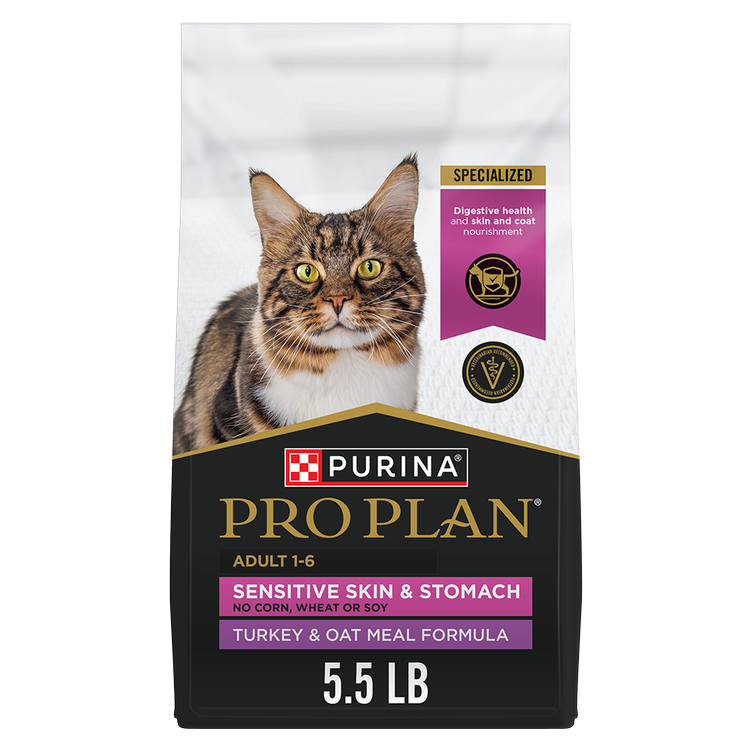
Good nutrition supports healthy skin and a shiny coat. Cats need proteins, fats, and vitamins in their food.
- Provide high-quality protein for skin repair.
- Include omega-3 and omega-6 fatty acids for skin moisture.
- Feed foods rich in vitamins A and E to support skin health.
- Avoid foods with fillers or artificial additives that may irritate skin.
Importance Of Water Intake
Water keeps your cat’s skin hydrated from inside. Dry skin often results from not enough water.
| Tip | Reason |
| Provide fresh water daily | Encourages drinking |
| Use water fountains | Makes water more appealing |
| Wet food meals | Adds extra hydration |
| Place water bowls in quiet areas | Reduces stress while drinking |
Supplements For Skin Health
Supplements can help if diet and water are not enough. Always ask a vet before adding supplements.
Common supplements include:
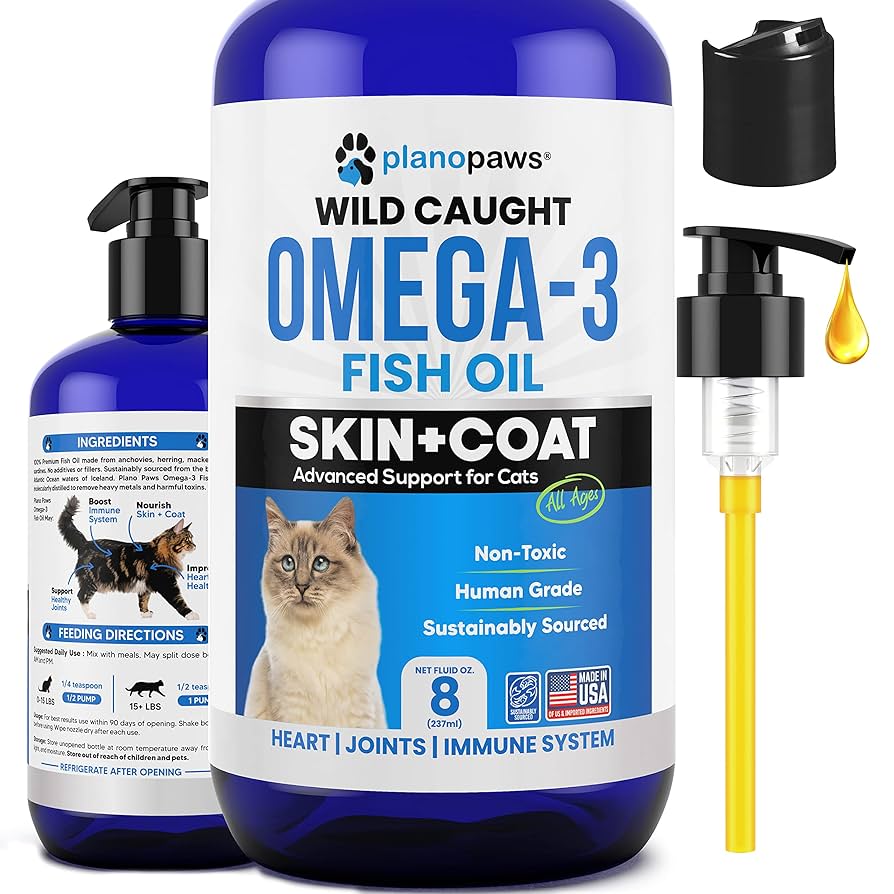
- Fish oil for omega-3 fatty acids
- Vitamin E capsules
- Zinc supplements
- Biotin for skin and coat health
Grooming Tips
Cat dandruff is a common problem that causes dry flakes on your cat’s fur. Regular grooming helps keep your cat’s skin healthy and reduces dandruff. Simple habits can make a big difference in your cat’s comfort and appearance.
Proper grooming removes dead skin cells and spreads natural oils. This keeps the coat shiny and prevents dryness. Follow these grooming tips to help prevent dandruff in your cat.
Regular Brushing Techniques
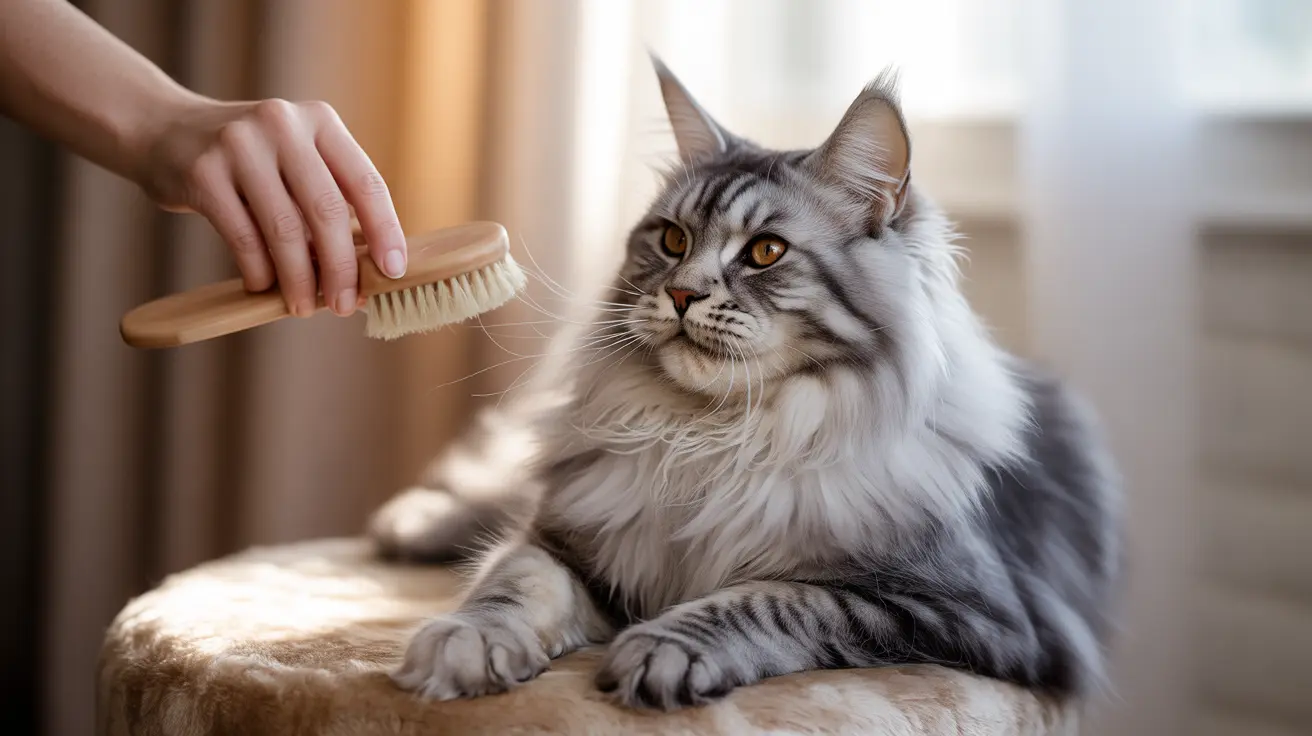
Brushing your cat often helps remove loose fur and dandruff flakes. Use gentle strokes to avoid hurting your cat’s skin. Brush in the direction of hair growth for best results. Start with short sessions and increase time as your cat gets used to it.
- Brush your cat at least two to three times a week
- Use slow, gentle strokes
- Focus on areas prone to dryness, like the back and tail
- Check for skin irritation or redness during brushing
- Reward your cat after grooming to create positive habits
Choosing The Right Brush
Select a brush that fits your cat’s fur type. Cats with short hair need soft-bristle brushes. Long-haired cats benefit from wide-toothed combs or slicker brushes. Avoid harsh brushes that can scratch the skin and cause more dryness.
| Fur Type | Recommended Brush |
| Short Hair | Soft-bristle brush |
| Medium Hair | Slicker brush |
| Long Hair | Wide-toothed comb or slicker brush |
| Sensitive Skin | Rubber brush or soft mitt |
Bathing Frequency And Products
Bathing your cat can help reduce dandruff but should not be too frequent. Too many baths dry out the skin further. Use mild, cat-safe shampoos designed to moisturize the skin. Avoid human shampoos or strong chemicals.
Follow these tips for bathing your cat:
- Bath your cat once every 4 to 6 weeks
- Use lukewarm water and a gentle cat shampoo
- Rinse thoroughly to remove all shampoo residue
- Dry your cat gently with a towel
- Brush your cat after drying to remove loose flakes
Home Environment
Cat dandruff often happens because of dry skin or poor home conditions. A clean and cozy home helps keep your cat’s skin healthy.
Adjusting your home environment can reduce dandruff and improve your cat’s comfort. Small changes make a big difference.
Maintaining Humidity Levels
Dry air can cause your cat’s skin to become flaky and itchy. Keeping the air moist helps prevent dandruff.
Use a humidifier to add moisture to the air, especially in winter. Avoid heaters that dry out the room too much.
- Set humidifiers to keep humidity between 30% and 50%
- Place water bowls near heat sources to add moisture
- Ventilate rooms to avoid stale, dry air
Reducing Allergens
Allergens like dust and pollen can irritate your cat’s skin. Keeping your home clean lowers these irritants.
Regular cleaning removes dust, dander, and pollen. Use pet-safe cleaning products to avoid harmful chemicals.
- Vacuum floors and furniture weekly
- Wash cat bedding often in hot water
- Keep windows closed during high pollen seasons
Stress Reduction For Cats
Stress can cause skin problems and dandruff in cats. A calm home helps your cat feel safe and relaxed.
Give your cat quiet spaces and playtime. Avoid loud noises and sudden changes in the environment.
- Provide cozy hiding spots for your cat
- Keep a regular feeding and play schedule
- Use gentle voices and slow movements around your cat
When To See A Vet
Cat dandruff is common but can mean health issues. Watch your cat’s skin and fur closely.
Knowing when to visit the vet helps catch serious problems early. Some signs need medical attention.
Signs Of Skin Infections
Skin infections cause redness, swelling, and sores. Your cat may scratch or lick the area a lot.
Infections need vet care to stop pain and spread. Watch for pus, bad smell, or hair loss.
- Red or swollen skin
- Sores or scabs
- Foul smell from skin
- Excessive scratching or licking
- Hair falling out in patches
Persistent Dandruff Issues
If dandruff stays for weeks, see a vet. It may signal allergies or other health problems.
Simple dandruff can clear with grooming. Long-lasting flakes need professional checks to find causes.
- Dandruff lasting more than two weeks
- Skin feels dry and rough
- Cat seems uncomfortable or itchy
- Changes in eating or behavior
Medical Treatments Available
Vets use treatments to clear infections and reduce dandruff. They pick options that fit your cat’s needs.
Treatments may include medicated shampoos, creams, or pills. Some cats need allergy tests or special diets.
- Antifungal or antibacterial shampoos
- Topical creams to heal skin
- Oral medications for infections
- Diet changes for allergies
- Regular check-ups to monitor progress
Credit: www.petscare.com
Frequently Asked Questions
What Causes Cat Dandruff And Dry Skin?
Cat dandruff is mainly caused by dry skin, poor nutrition, allergies, or parasites. Environmental factors like low humidity also contribute. Identifying the root cause helps in selecting the right prevention method to keep your cat’s coat healthy and dandruff-free.
How Often Should I Groom My Cat To Prevent Dandruff?
Groom your cat at least once or twice a week to prevent dandruff. Regular brushing removes dead skin cells and distributes natural oils evenly. This improves coat health and reduces flakiness, keeping your cat’s skin moisturized and clean.
Can Diet Affect My Cat’s Dandruff Condition?
Yes, a balanced diet rich in omega-3 and omega-6 fatty acids improves skin health. High-quality cat food supports hydration and reduces dryness. Supplements like fish oil can also help maintain a shiny, dandruff-free coat.
Is It Safe To Use Special Shampoos For Cat Dandruff?
Using shampoos formulated for cats is safe if used as directed. Avoid human shampoos as they can irritate your cat’s skin. Choose moisturizing and hypoallergenic options to soothe dry skin and prevent dandruff effectively.
Conclusion
Preventing cat dandruff takes simple daily care. Regular brushing helps remove dead skin and fur. Feeding a balanced diet supports healthy skin. Keep your cat hydrated with fresh water always. Clean their bedding and living space often. Watch for signs of dryness or irritation.
Visiting the vet ensures no health issues exist. Small steps lead to a happy, dandruff-free cat. Your cat will feel more comfortable and healthy. Consistency is key to keeping dandruff away. Try these tips to give your cat the best care.

Lily Purrington is the founder of MyKittyPicks.com, a cozy corner of the web dedicated to helping cat lovers discover the best cat products, furniture, toys, and home decor ideas.
A lifelong cat enthusiast, Lily shares trusted tips, honest product recommendations, and stylish inspiration designed to keep kitties happy and homes beautiful.
Her mission is simple: to bring together practical advice and purr-fect picks that make life better for cats and the people who love them.


