
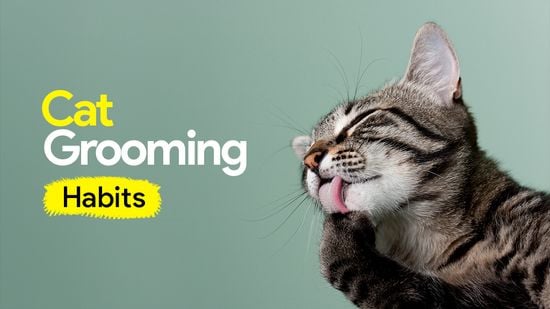
Have you ever wondered how often your cat should groom themselves? If you want to keep your furry friend healthy and happy, understanding their grooming habits is key.
Cats spend a lot of time cleaning their fur, but what is normal and what might signal a problem? You’ll discover the secrets behind your cat’s grooming routine and learn how to spot when they need a little extra care.
Keep reading to make sure your cat stays comfortable and well-groomed every day.
Credit: www.petscare.com
Cat Grooming Habits
Understanding your cat’s grooming habits can reveal a lot about their health and happiness. Cats spend a significant part of their day cleaning themselves, but the exact frequency can vary widely. Observing these habits closely helps you know when your furry friend is doing well or might need a vet’s attention.
Frequency Of Self-grooming
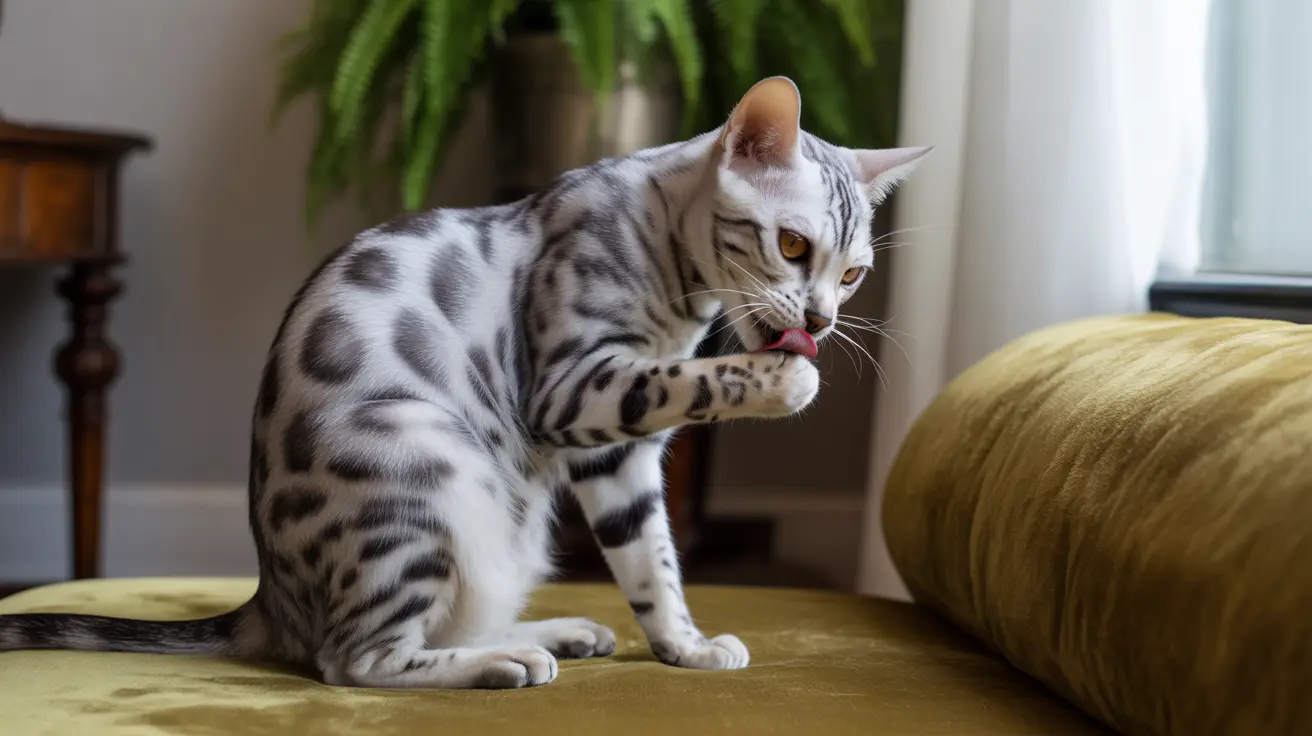
Cats typically groom themselves multiple times a day, often spending 30 to 50% of their waking hours licking their fur. Younger cats and those with longer hair tend to groom more frequently. However, if you notice your cat grooming excessively or barely at all, it might indicate stress, pain, or skin problems.
Think about your own cat’s routine. Does your cat pause after eating to lick its paws and face? That’s a normal cycle. Senior cats or those with arthritis may groom less because of discomfort, so keep an eye out for changes in their behavior.
Why Cats Groom Themselves
Grooming serves several essential purposes for cats beyond just cleanliness. It helps regulate their body temperature by spreading saliva across their fur, which cools them down. It also removes dirt, loose hair, and parasites, keeping their coat healthy.
Grooming is also a way cats reduce stress and feel calm. If your cat suddenly stops grooming, ask yourself if something in their environment has changed recently. Maybe a new pet, a move, or even a change in your schedule could be affecting their behavior.
Have you noticed your cat licking a particular spot repeatedly? This might be more than just grooming—it could signal irritation or pain. Watching these signs closely can help you support your cat’s well-being before bigger problems develop.
Factors Affecting Grooming
Cats groom themselves daily to stay clean and healthy. The frequency and style of grooming vary widely. Several factors affect how often a cat grooms. These include their age, breed, and environment. Understanding these factors helps owners care better for their pets.
Age And Health
Young cats usually groom more often than older cats. Kittens learn grooming from their mothers. Senior cats may groom less due to arthritis or dental pain. Illness can reduce a cat’s desire to groom. Cats with skin problems might groom excessively in certain areas.
Breed Differences
Long-haired cats need more grooming than short-haired breeds. Breeds like Persians often spend hours grooming. Short-haired cats like Siamese groom less but still stay clean. Some breeds have oily skin and groom more to manage it. Hairless breeds, such as Sphynx, need special care despite less fur.
Environmental Influences
Indoor cats usually groom more often than outdoor cats. Outdoor cats get dirtier and may need extra cleaning. Stressful environments can change grooming habits. Cats in calm homes tend to groom regularly. Changes in weather, like heat, can increase grooming to cool down.
Benefits Of Regular Grooming
Cats groom themselves daily to keep their fur clean and free from dirt. Regular grooming helps reduce shedding and prevents skin problems. It also keeps cats calm and comfortable.
Cats are known for their meticulous grooming habits. It’s not just about looking good; regular grooming provides significant health benefits. Understanding these benefits can help you support your cat’s natural grooming instincts.Skin And Coat Health
Regular grooming is essential for maintaining your cat's skin and coat health. By grooming, cats distribute natural oils across their fur, which keeps it shiny and smooth. This process can prevent matting and tangling, especially in long-haired breeds. Daily grooming can also help you spot any skin issues early. Look out for any redness, bumps, or signs of irritation. Early detection can lead to prompt treatment, preventing potential health problems from escalating.Temperature Regulation
Cats have a unique way of regulating their body temperature through grooming. The process of licking helps them cool down by spreading saliva that evaporates and lowers their body heat. This is particularly useful during hotter months. Grooming also aids in fluffing their fur, which acts as insulation in cooler weather. Are you aware of how your cat stays comfortable in fluctuating temperatures? It’s fascinating how their grooming routine plays a part in this natural regulation.Reducing Parasites
One crucial benefit of grooming is reducing parasites like fleas and ticks. Cats use their rough tongues to remove debris and parasites from their fur. Regular grooming helps prevent infestations and keeps your cat comfortable and itch-free. While grooming is beneficial, it’s not a substitute for regular flea and tick treatments. Consider grooming as a first line of defense in keeping your pet healthy. Have you checked your cat for parasites lately? Regular grooming sessions can be a great opportunity to do so.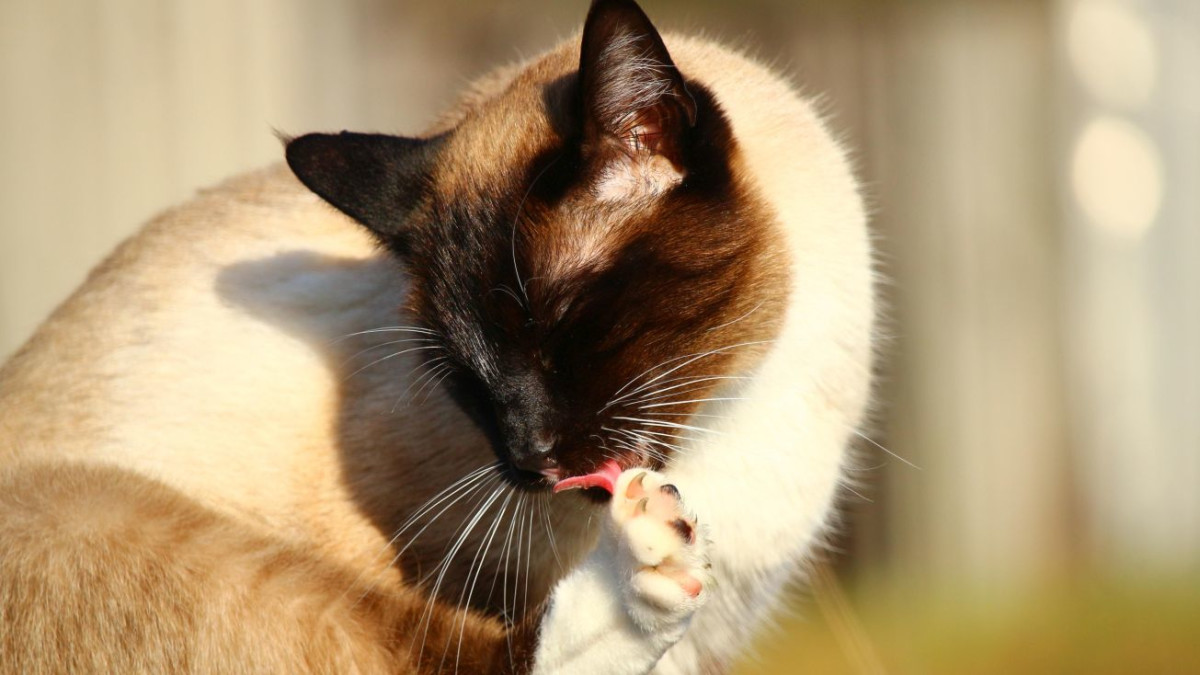
Credit: pethelpful.com
Signs Of Grooming Problems
Cats are usually clean animals that groom themselves regularly. Grooming keeps their fur healthy and skin free of dirt. Sometimes, cats may show signs of grooming problems. These signs can mean health or stress issues. Recognizing these signs early helps protect your cat’s well-being.
Over-grooming Symptoms
Over-grooming means a cat cleans too much. It can cause sore spots or hair loss. Look for:
- Red or irritated skin
- Bald patches
- Scabs or wounds
- Constant licking or biting of the same spot
Over-grooming can result from allergies, pain, or stress. It needs prompt care to avoid infections.
Under-grooming Risks
Under-grooming means a cat cleans too little. Their fur may look dirty or matted. Signs include:
- Greasy or tangled coat
- Foul odor
- Flaky skin or dandruff
- Excess fur shedding
Older or sick cats often under-groom. This can lead to skin problems or discomfort.
Behavioral Indicators
Changes in grooming habits often show in behavior. Watch for:
- Restlessness or irritability
- Hiding or avoiding touch
- Excessive scratching or biting
- Reduced activity or playfulness
Behavioral changes can signal pain or anxiety. They deserve careful attention and veterinary advice.
Supporting Your Cat’s Grooming
Supporting your cat’s grooming is essential for their health and happiness. While cats are naturally good at keeping clean, they sometimes need a little help from you. Regular attention to their grooming can prevent problems and strengthen your bond.
Brushing Techniques
Brushing your cat’s fur removes loose hair and prevents shedding around your home. Use a brush suited to your cat’s coat—slicker brushes work well for long-haired cats, while rubber brushes are great for short-haired breeds.
Brush gently in the direction of hair growth to avoid hurting your cat. Start with short sessions and watch how your cat responds. If your cat enjoys it, try brushing daily to keep their coat smooth and healthy.
Bathing Tips
Most cats don’t need frequent baths, but some may benefit from occasional washing, especially if they get into something sticky or dirty. Use a cat-specific shampoo that’s gentle on their skin.
Make the bath experience calm by using lukewarm water and speaking softly. Rinse thoroughly to avoid any shampoo residue, which can irritate your cat’s skin. Dry your cat quickly with a towel to keep them warm and comfortable.
Dealing With Matted Fur
Matted fur can be painful and cause skin problems if not treated. Regular brushing helps prevent mats, but if you find some, don’t pull hard—it can hurt your cat.
Try to loosen mats gently with your fingers or a dematting comb. If mats are severe, ask your vet or a professional groomer for help. Have you noticed any mats forming on your cat? Taking care early can save your pet discomfort.

Credit: www.kinship.com
When To Seek Veterinary Help
Knowing when your cat’s grooming habits signal a problem is crucial. Cats are usually meticulous groomers, but sudden changes in their routine or appearance can mean health issues. Paying attention to these signs helps you act before minor problems become serious.
Skin Issues
If you notice bald patches, redness, or scabs on your cat’s skin, it’s time to see a vet. Excessive scratching or biting at certain spots often points to irritation or parasites. Ignoring these symptoms can lead to infections or chronic discomfort for your cat.
Allergies And Infections
Watch out for unusual odors, swelling, or discharge around your cat’s skin or coat. These may indicate allergies or infections that need veterinary treatment. If your cat starts grooming obsessively in one area, it could be an attempt to soothe underlying pain or itchiness.
Behavioral Changes
Has your cat suddenly stopped grooming or become overzealous with cleaning? Both can signal stress, pain, or illness. Changes in grooming behavior often come with other signs like lethargy or loss of appetite, which should prompt a vet visit.
Frequently Asked Questions
How Often Do Cats Groom Themselves Daily?
Cats groom themselves several times a day, usually every 1 to 2 hours. This frequent grooming helps keep their fur clean and reduces shedding. Grooming also regulates body temperature and promotes healthy skin.
Why Do Cats Groom Excessively Sometimes?
Excessive grooming can indicate stress, allergies, or skin infections. It may also signal parasites or pain. If your cat grooms too much, consult a vet to identify and treat the underlying cause.
Can Grooming Frequency Vary By Cat Breed?
Yes, grooming frequency varies by breed and coat type. Long-haired cats groom more often to prevent matting. Short-haired cats require less grooming but still maintain daily cleaning habits.
Do Cats Groom More In Certain Seasons?
Cats often groom more in warmer months to cool down. Seasonal shedding increases grooming to remove loose fur. Grooming also helps maintain skin hydration during dry seasons.
Conclusion
Cats groom themselves several times each day to stay clean and healthy. This natural habit helps remove dirt and loose fur. Some cats may groom more, especially if they feel stressed or bored. Long-haired cats often need extra help from their owners.
Regular grooming supports skin health and reduces hairballs. Watch your cat’s behavior for changes in grooming habits. Healthy grooming keeps cats comfortable and happy. Simple care and attention make a big difference. Keep your cat’s coat shiny and neat with daily observation.

Lily Purrington is the founder of MyKittyPicks.com, a cozy corner of the web dedicated to helping cat lovers discover the best cat products, furniture, toys, and home decor ideas.
A lifelong cat enthusiast, Lily shares trusted tips, honest product recommendations, and stylish inspiration designed to keep kitties happy and homes beautiful.
Her mission is simple: to bring together practical advice and purr-fect picks that make life better for cats and the people who love them.


