
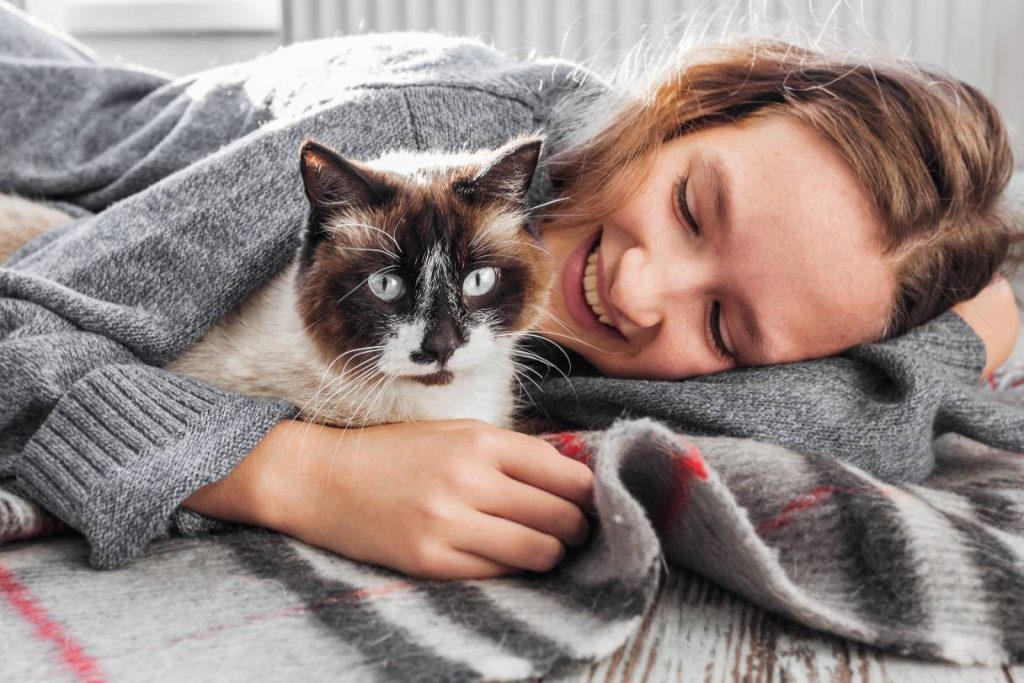
If you have an elderly cat at home, you know just how special they are. They’ve been by your side for years, offering comfort and love without asking for much in return.
As your feline friend ages, their needs change, and it’s essential to adapt your care routine to keep them healthy and happy. You might feel a bit overwhelmed, wondering how you can best support your senior cat. Don’t worry, you’re not alone.
In this guide, we’ll explore simple yet effective ways to ensure your elderly cat enjoys their golden years. Ready to discover how you can make a real difference in your cat’s life? Keep reading, because your furry companion is counting on you.

Credit: www.eliteveterinarycare.com
Recognize Aging Signs
Recognizing the signs of aging in your cat is key to providing the care they need as they grow older. These changes can be subtle at first, but paying close attention helps you catch issues early. Understanding what to look for allows you to adjust their environment and health routine to keep them comfortable and happy.
Changes In Behavior
Older cats often show shifts in how they act. You might notice your cat sleeping more or becoming less playful. Some cats become more withdrawn, while others might seek extra attention.
Watch for increased irritability or confusion, which can signal cognitive decline. Has your cat stopped grooming? That could mean they’re feeling unwell or less flexible. These behavior changes are your first clues.
Physical Symptoms
Physical signs of aging can include weight loss or gain, changes in coat texture, and reduced mobility. Your cat’s fur might become dull or patchy. Limping or stiffness when jumping on furniture are also common.
Check their eyes for cloudiness or discharge, and notice if their breath smells different. Dental problems often show up as difficulty eating. These symptoms point to conditions needing attention.
Health Monitoring
Regular health checks are essential as your cat ages. Keep a journal of any new symptoms or behaviors you observe. This record helps your vet spot trends and diagnose problems early.
Schedule more frequent vet visits and ask about blood tests to monitor organ function. You can also weigh your cat at home to track sudden changes. How often do you review your cat’s health with a professional?
Adjust Diet And Nutrition
Adjusting your elderly cat's diet is crucial as their nutritional needs change with age. Proper nutrition supports their health, energy levels, and overall well-being. Paying close attention to what and how you feed your senior cat can make a noticeable difference in their quality of life.
Choose Senior Cat Food
Senior cat food is specially designed to meet the needs of aging cats. These formulas usually have fewer calories but more protein and essential nutrients to support muscle maintenance and organ health.
Look for brands that highlight joint support, antioxidants, and easily digestible ingredients. Have you checked your cat’s food label lately? Switching to senior-specific food could improve their vitality.
Manage Weight
Weight management becomes more important as cats age because obesity can worsen health issues like arthritis and diabetes. Monitor your cat’s weight regularly and adjust food portions accordingly.
If your cat is overweight, try feeding smaller, more frequent meals instead of free feeding. On the other hand, if your cat is losing weight, consult your vet to rule out health problems and possibly increase calorie intake.
Hydration Needs
Older cats often drink less water, which can lead to dehydration and urinary tract problems. Encourage hydration by offering wet food, which has higher moisture content, or adding water to dry food.
Placing multiple water bowls around your home and changing the water daily can also help. Have you noticed if your cat prefers running water? A cat fountain might be a simple solution to keep them drinking enough.
Enhance Comfort At Home
Creating a comfortable environment at home is essential for your elderly cat’s well-being. As cats age, their needs change, and small adjustments can make a big difference in their daily comfort. Paying attention to their resting areas, litter box setup, and accessibility can help your cat feel safe, relaxed, and cared for.
Provide Cozy Resting Spots
Your senior cat needs soft, warm places to rest. Older cats often develop arthritis or joint pain, so cushioned beds with memory foam or thick padding are ideal. Placing these beds in quiet, draft-free corners will encourage your cat to relax without disturbance.
Think about the temperature too—cats love warmth. A heated cat bed or a blanket near a sunny window can offer extra comfort. Have you noticed your cat changing favorite spots? It might be time to add more cozy options around your home.
Modify Litter Box Setup
Ease of use is crucial for an elderly cat’s litter box. High sides can make entry difficult, especially for cats with mobility issues. Switching to a box with lower sides or a ramp can prevent discomfort and accidents.
Keep the litter box clean and place it on a non-slip surface. Sometimes adding a second box in a different room reduces stress and makes it easier for your cat to reach. Do you monitor your cat’s litter habits closely? Changes can signal health issues that need attention.
Ensure Easy Access
Older cats often struggle with jumping or climbing. Remove obstacles and create clear, easy pathways throughout your home. Using pet stairs or ramps to favorite resting spots, such as sofas or beds, helps your cat move independently.
Consider the height of food and water dishes too. Raised bowls can reduce strain on their neck and joints. Have you watched your cat struggle to reach their essentials? Simple modifications can improve their quality of life significantly.
Maintain Regular Vet Visits
Maintaining regular vet visits is vital for your elderly cat’s health. These visits help spot health problems early. They also keep vaccinations and dental care up to date. Older cats have unique health needs that require constant attention. Regular vet visits support a longer, happier life for your cat.
Schedule Checkups
Plan vet visits at least twice a year. Frequent checkups catch health issues before they worsen. Your vet will check weight, mobility, and organ function. Early detection of diseases like kidney problems or arthritis is possible. Keep a calendar to track appointments and vaccinations.
Vaccinations And Screenings
Elderly cats need vaccinations to stay protected. Your vet will recommend vaccines based on your cat’s health. Screenings help find hidden problems like diabetes or thyroid issues. Blood tests and urine checks are common. These tests guide treatment and improve quality of life.
Dental Care
Dental health is often overlooked but very important. Older cats suffer from gum disease and tooth decay. Your vet will examine teeth and gums regularly. Professional cleanings may be needed to prevent infections. Good dental care reduces pain and improves eating habits.
Promote Gentle Exercise
Promoting gentle exercise helps keep an elderly cat healthy and happy. It supports joint health and muscle strength. Regular movement also improves mood and reduces stress. Adjust activities to match your cat’s energy and health levels. Gentle exercise avoids strain while keeping your cat active and engaged.
Interactive Play
Use soft toys to engage your cat in light play. Wand toys with feathers or ribbons work well. Move toys slowly to encourage gentle chasing. Short play sessions keep your cat interested without tiring them. Let your cat set the pace and take breaks often.
Encourage Mobility
Place food and water bowls in easy-to-reach spots. Use ramps or low steps to help your cat access favorite resting places. Create safe paths around the house for easy walking. Soft bedding near windows invites your cat to move and relax. Regular movement helps maintain flexibility and balance.
Avoid Overexertion
Watch for signs of tiredness or discomfort during play. Stop activities if your cat breathes fast or limps. Avoid sudden, fast movements that could startle or strain your cat. Gentle, slow exercises prevent injury and fatigue. Keep exercise brief but frequent to support good health.

Credit: tica.org
Manage Health Conditions
Managing health conditions is vital for elderly cats. Age can bring many challenges to their well-being. Regular monitoring and proper care help maintain comfort and quality of life. Understanding common ailments helps you spot problems early. Managing medications correctly ensures treatments work safely. Effective pain relief keeps your cat active and happy.
Common Ailments
Older cats often face specific health issues. Kidney disease, arthritis, and dental problems are frequent. Diabetes and hyperthyroidism also affect many senior cats. Watch for signs like weight loss, changes in appetite, or difficulty moving. Regular vet check-ups can detect these ailments early. Early detection allows for better treatment options.
Medication Management
Give medicines exactly as prescribed by the vet. Keep a schedule to avoid missed doses. Use pill organizers or reminders for accuracy. Never change doses without veterinary advice. Observe your cat for side effects like vomiting or lethargy. Report any concerns to your vet immediately. Proper medication management supports recovery and comfort.
Pain Relief Strategies
Pain can reduce your cat’s quality of life. Arthritis and injury cause common discomfort in elderly cats. Consult your vet for safe pain relief options. Nonsteroidal anti-inflammatory drugs (NSAIDs) are often used. Gentle massage and warm bedding help soothe aches. Avoid giving human painkillers; they can be toxic. Monitor your cat’s behavior for signs of pain and adjust care accordingly.
Support Mental Wellbeing
Supporting the mental wellbeing of an elderly cat is vital for a happy life. Aging cats may feel confused, bored, or lonely. Keeping their minds active can reduce stress and prevent behavior problems. Mental care helps them stay sharp and joyful in their golden years.
Stimulate Senses
Use toys that encourage your cat to use sight, smell, and touch. Soft toys, feather wands, and puzzle feeders work well. Rotate toys often to keep your cat interested. Play gentle music or nature sounds to calm their mind. New smells like catnip can also excite their senses.
Maintain Routine
Cats feel safe with a regular daily schedule. Feed, play, and rest at the same times each day. Keep litter boxes and sleeping areas in the same place. Avoid sudden changes that might confuse your cat. Predictable routines give comfort and lower anxiety.
Provide Companionship
Spend quiet time together each day. Gentle petting and soft talking create strong bonds. Let your cat sit on your lap or beside you. If possible, consider adopting a calm cat friend for company. Social contact helps reduce loneliness and boosts mood.

Credit: www.petscare.com
Frequently Asked Questions
How Do I Recognize Signs Of Aging In My Cat?
Common signs include reduced activity, weight loss, and changes in appetite. Older cats may also show stiffness or less grooming. Regular vet check-ups help detect early aging signs. Observing behavior changes ensures timely care and comfort for your elderly cat.
What Diet Is Best For Elderly Cats?
Senior cats need diets rich in protein and low in calories. Specialized senior cat food supports kidney health and joint care. Always provide fresh water. Consult your vet for tailored dietary advice to maintain optimal health in aging cats.
How Often Should I Visit The Vet For An Elderly Cat?
Visit your vet at least twice a year for elderly cats. Regular check-ups catch health issues early. Monitoring helps manage chronic conditions effectively. Scheduling timely appointments ensures your cat stays healthy and comfortable in their senior years.
How Can I Keep My Elderly Cat Active Safely?
Encourage gentle play with soft toys and short sessions. Provide climbing spaces with easy access to avoid injuries. Regular, low-impact activity maintains muscle tone and mental health. Always monitor your cat’s energy and adjust activities accordingly.
Conclusion
Caring for an elderly cat takes patience and love. Watch for changes in behavior and health daily. Give your cat a quiet, comfortable place to rest. Feed them nutritious food made for older cats. Regular vet visits help catch problems early.
Gentle play keeps them active and happy. Small steps make a big difference in their life. Your care helps your cat feel safe and loved. Keep these tips in mind for a healthy, happy senior cat.

Lily Purrington is the founder of MyKittyPicks.com, a cozy corner of the web dedicated to helping cat lovers discover the best cat products, furniture, toys, and home decor ideas.
A lifelong cat enthusiast, Lily shares trusted tips, honest product recommendations, and stylish inspiration designed to keep kitties happy and homes beautiful.
Her mission is simple: to bring together practical advice and purr-fect picks that make life better for cats and the people who love them.


