

If you have a nursing cat, you’re probably worried about fleas and how to keep her safe. Fleas are more than just a nuisance—they can cause serious health problems for both your cat and her kittens.
But can you treat a nursing cat for fleas without putting her or her babies at risk? You want the best solution, one that works quickly and keeps your whole family healthy. You’ll discover what flea treatments are safe for nursing cats and how to use them effectively.
Keep reading to protect your cat and her kittens the right way.

Credit: www.walmart.ca
Risks Of Fleas For Nursing Cats
Fleas pose serious risks to nursing cats and their kittens. These tiny parasites don’t just cause discomfort—they can lead to health complications that affect both mother and baby. Understanding these risks helps you protect your feline family effectively.
Health Impact On Mother Cats
Fleas feed on the mother cat’s blood, which can cause anemia, especially if the infestation is heavy. An anemic cat feels weak and tired, making it harder for her to care for her kittens. Fleas also irritate the skin, leading to scratching that can cause wounds or infections.
Have you noticed your nursing cat constantly scratching or grooming herself excessively? This behavior might indicate flea trouble. Ignoring it can worsen her condition and even spread parasites to the kittens.
Potential Harm To Kittens
Kittens are even more vulnerable to fleas than their mothers. Their small size means even a few fleas can cause serious anemia, which can slow growth or, in extreme cases, be life-threatening. Fleas can also transmit tapeworms, which can affect a kitten’s digestive health.
Because kittens rely on their mother for warmth and food, fleas on the mother often spread quickly to them. This makes early flea detection and treatment crucial. Have you checked your newborn kittens for tiny black specks or red spots? These signs could mean fleas are already a problem.
Safe Flea Treatment Options
Nursing cats need flea treatments that are safe for both mother and kittens. Natural remedies and vet-approved products help avoid harm. Always check with a vet before starting any flea control on a nursing cat.
Dealing with fleas on a nursing cat can be a tricky situation. You want to ensure the safety of the kittens while effectively getting rid of those pesky parasites. Finding a balance between efficacy and safety is crucial. Let’s delve into some safe flea treatment options that can help you make an informed decision.Topical Treatments Suitable For Nursing Cats
Topical treatments are often a popular choice for treating fleas. Certain products are specially formulated to be safe for nursing cats. Brands like Frontline Plus and Revolution offer topical solutions that target fleas without harming the kittens. It’s important to apply these treatments correctly, usually between the shoulder blades. Always read the product label carefully and consult your vet if you have any concerns.Oral Medications To Consider
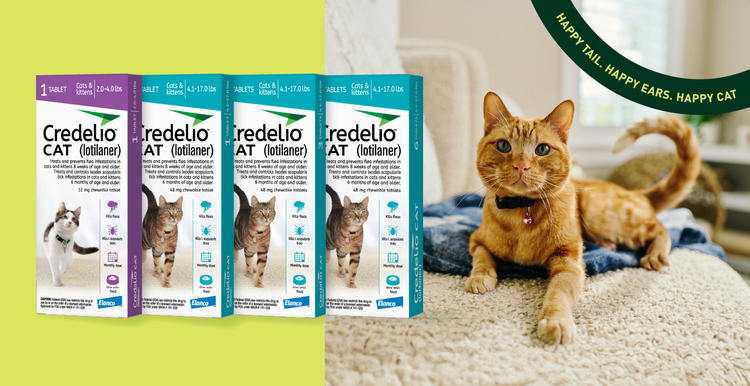
Oral medications can be another viable option. Products like Capstar offer a quick solution by killing adult fleas within hours. These can be administered safely to nursing cats, providing immediate relief. However, always consult your veterinarian before opting for any oral medication. They can advise on the correct dosage and ensure the medication is safe for your cat and her kittens.Natural Remedies And Their Effectiveness
Natural remedies, while appealing, often raise questions about their effectiveness. Some cat owners swear by solutions like apple cider vinegar or diatomaceous earth. These remedies are generally considered safe but may not provide the same level of effectiveness as commercial treatments. Regular vacuuming and washing of bedding can also help control the flea population. Have you tried any natural remedies that worked well for you? Share your experiences with other cat parents and help build a community of informed pet owners.Timing Flea Treatments During Nursing
Timing flea treatments during nursing is very important for the health of both the mother cat and her kittens. The right timing reduces risk to the kittens and helps control fleas effectively. Flea medications can affect nursing kittens if not used carefully. Understanding when and how to apply these treatments can keep everyone safe and comfortable.
Best Time To Apply Flea Medication
Apply flea medication when the kittens are at least eight weeks old. Before this age, kittens are very sensitive to chemicals. Choose a time when the mother cat is calm and still. Avoid bathing or grooming right before treatment. This helps the medication work better on her skin.
It is best to apply medication in the evening. Flea treatments usually work overnight. This timing gives the medicine time to spread and kill fleas. Always follow the product instructions closely for safe use.
Avoiding Exposure To Kittens
Keep kittens away from the mother right after applying flea treatment. The medication needs time to dry and absorb into her skin. This usually takes a few hours. Use a separate room or space to isolate the mother cat during this time.
Do not let kittens lick the treated areas on the mother. This can cause them to ingest harmful chemicals. Watch the mother cat closely until the treatment is fully dry. Make sure kittens stay clean and flea-free by checking them regularly.
Credit: my.elanco.com
Preventing Flea Infestations At Home
Preventing flea infestations at home is essential, especially when you have a nursing cat. Fleas can quickly spread and cause discomfort not only for your cat but also for other pets and family members. Taking proactive steps helps keep your home flea-free and your nursing cat safe.
Cleaning And Environmental Control
Fleas thrive in warm, dark places like carpets, bedding, and furniture. Regularly vacuum your home, focusing on areas where your cat spends time. Dispose of vacuum bags or empty canisters immediately to prevent fleas from escaping back into your home.
Launder your cat’s bedding, blankets, and any removable covers in hot water at least once a week. Heat kills flea eggs and larvae, breaking their life cycle. Don’t forget to clean under furniture and along baseboards where flea eggs might hide.
Consider using flea sprays or powders designed for home use, but always check if they are safe around cats, especially nursing ones. Keeping your environment clean reduces flea populations and lowers the risk of reinfestation.
Treating Other Pets In The Household
If you have other pets, they need flea treatment too. Fleas can easily jump from one animal to another. Ignoring other pets can undo all your efforts to protect your nursing cat.
Use flea preventatives recommended by your vet for all animals in your home. This might include topical treatments, collars, or oral medications. Be sure to follow dosage instructions carefully, especially for young or nursing pets.
Monitoring all your pets regularly helps catch flea problems early. Have you checked your other pets for fleas recently? Catching infestations early makes treatment simpler and keeps your entire household comfortable.
Signs Of Flea Infestation In Nursing Cats
Fleas cause serious discomfort for nursing cats and their kittens. Detecting flea infestation early helps protect both mother and babies. Watch for clear signs that show fleas may be present. These signs fall into two main groups: behavioral changes and physical symptoms.
Behavioral Changes
- Restlessness or frequent scratching and licking
- Increased grooming focused on certain areas
- Agitation during nursing or reluctance to nurse
- Excessive biting at the fur or skin
- Unusual irritability or nervousness
Physical Symptoms To Watch For
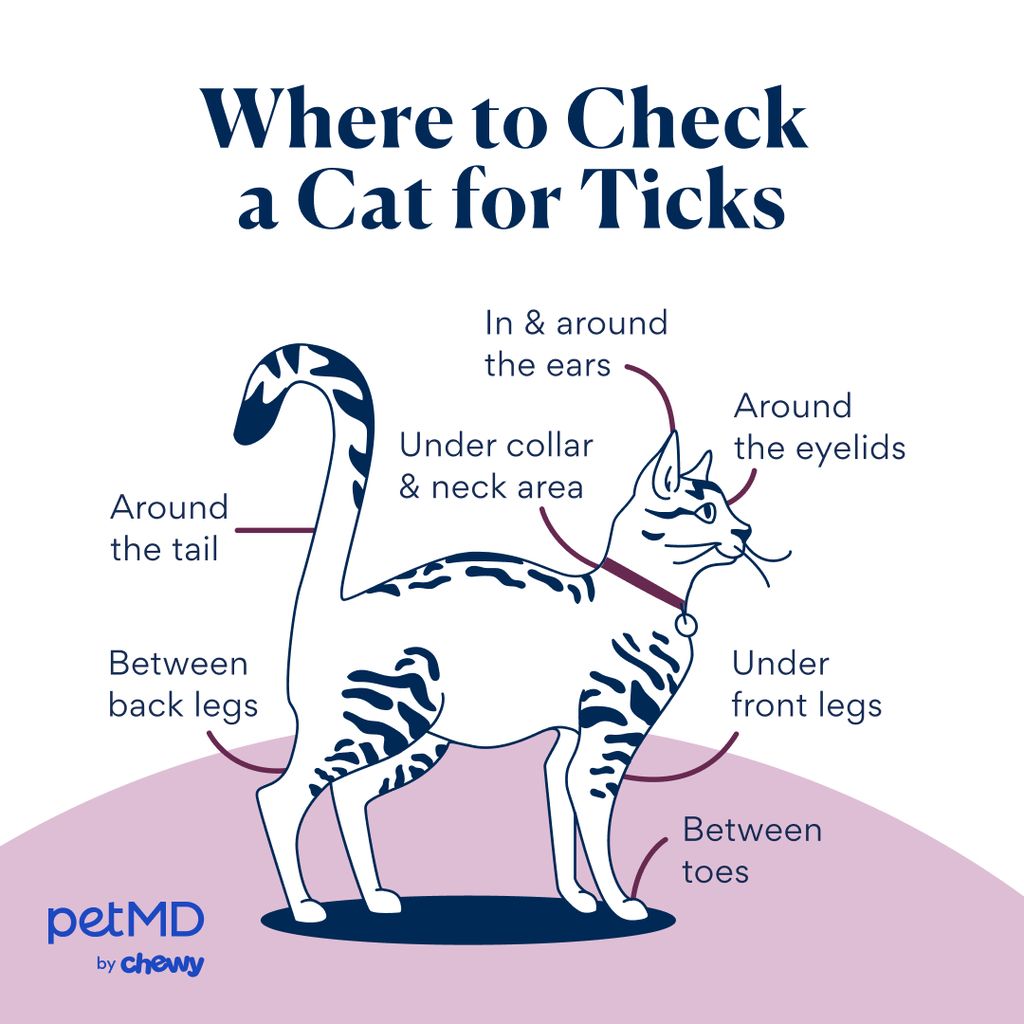
- Visible fleas or flea dirt on the fur
- Redness or small bumps on the skin
- Hair loss, especially around the neck and base of the tail
- Scabs or sores caused by scratching
- Pale gums, a sign of anemia from severe infestations
Credit: www.petmd.com
When To Consult A Veterinarian
Knowing when to consult a veterinarian is crucial if you are flea treating a nursing cat. Flea treatments can be tricky with nursing mothers because some products can harm both the cat and her kittens. Understanding the signs that require professional help can keep your cat and her babies safe and healthy.
Emergency Situations
Watch closely for any sudden changes in your cat’s behavior after flea treatment. If she shows signs of difficulty breathing, excessive drooling, vomiting, or seizures, seek immediate veterinary care. These could be signs of a severe allergic reaction to the medication.
Also, if you notice your kittens becoming weak, losing weight, or showing unusual lethargy, contact your vet right away. Flea treatments that are safe for mom might still affect the kittens indirectly. Quick action can prevent serious health problems.
Regular Health Checks For Moms And Kittens
Even without emergencies, regular health checks are essential for nursing cats and their kittens. Schedule vet visits to monitor flea infestations and overall health. Your vet can recommend safe flea control options tailored to nursing moms.
During these visits, ask about flea prevention methods that won’t harm the kittens through nursing. Maintaining a flea-free environment reduces stress on both mom and kittens. Remember, your vet is your best resource to keep your furry family safe and comfortable.
Frequently Asked Questions
Can You Safely Flea Treat A Nursing Cat?
Yes, you can flea treat a nursing cat using vet-approved products. Always choose treatments labeled safe for nursing cats to protect both mom and kittens.
Which Flea Treatments Are Safe For Nursing Cats?
Topical treatments like selamectin and fipronil are often safe. Always consult your vet before applying any product to ensure kitten safety.
When Is The Best Time To Flea Treat A Nursing Cat?
Treat the nursing cat once fleas are detected or preventively after kittens are at least 6 weeks old. Consult your vet for timing advice.
Can Flea Treatments Harm Nursing Kittens Through The Mother?
Some flea treatments can pass through milk and harm kittens. Use only vet-approved, safe products to minimize any risk to nursing kittens.
Conclusion
Treating fleas on a nursing cat needs careful attention. Choose flea treatments safe for both mother and kittens. Always check with a vet before applying any product. Clean the cat’s living area to stop fleas from returning. Keep watching your cat and kittens for any signs of discomfort.
Healthy pets mean happy homes. Taking small, smart steps helps protect your cat and her babies. Flea control is important, but safety comes first.

Lily Purrington is the founder of MyKittyPicks.com, a cozy corner of the web dedicated to helping cat lovers discover the best cat products, furniture, toys, and home decor ideas.
A lifelong cat enthusiast, Lily shares trusted tips, honest product recommendations, and stylish inspiration designed to keep kitties happy and homes beautiful.
Her mission is simple: to bring together practical advice and purr-fect picks that make life better for cats and the people who love them.


