
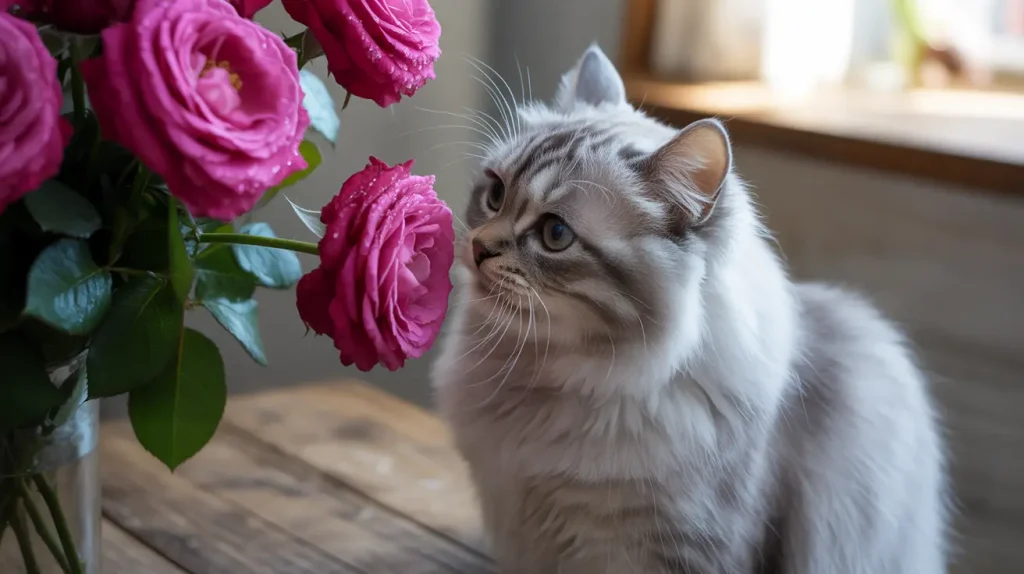
Imagine you’re admiring a beautiful bouquet of roses on your dining table, their vibrant colors and delicate fragrance filling the room. But then you spot your curious cat, inching closer to those enticing petals.
A question pops into your mind: Are cats safe around roses? You’re not alone in wondering about this. Many cat owners are concerned about the safety of their furry friends when it comes to common household plants. Roses are a popular choice for gardens and homes, but do they pose a risk to our beloved pets?
We’ll dive into what you need to know about cats and roses. You’ll learn about any potential dangers, discover how to keep your cat safe, and find out if those gorgeous blooms can coexist peacefully with your feline friend. Keep reading to ensure your pet can safely enjoy the beauty of roses along with you.
Toxicity Of Roses To Cats
Many cat owners wonder if roses pose any danger to their feline friends. Understanding the toxicity of roses to cats is crucial for keeping your pet safe while enjoying these beautiful flowers. Let’s clear up some common myths and identify which parts of roses, if any, could harm your cat.
Common Misconceptions
One common belief is that all parts of the rose plant are highly toxic to cats. This is not entirely true. While some plants can cause serious harm, roses are generally considered non-toxic to cats.
However, some cats may have mild reactions if they chew on rose leaves or stems, such as slight stomach upset. It’s important to know that these reactions are usually minor and not life-threatening.
Have you noticed your cat sniffing or nibbling on your roses? If so, watch for any unusual behavior or symptoms to be safe, but don’t panic immediately.
Parts Of Roses That May Harm Cats
While roses themselves are mostly safe, certain parts of the plant can cause issues. The thorns on rose stems can cause physical injury if your cat plays roughly or tries to chew on them.
Ingestion of large amounts of rose leaves or petals might lead to mild gastrointestinal upset, such as vomiting or diarrhea. This is more about irritation than poisoning.
Be cautious of any pesticides or fertilizers used on your roses; these chemicals can be harmful if your cat ingests them. Always opt for pet-safe gardening products to reduce risks.
To protect your cat, place roses in areas that are hard for them to reach, and keep an eye on their interactions with your plants. Have you taken steps to create a safe environment for your curious cat around your garden?
Symptoms Of Rose-related Poisoning
Understanding the symptoms of rose-related poisoning is vital if you have curious cats at home. Roses are common in many gardens, but some parts of the plant can cause harm to your feline friends. Recognizing early signs can help you act quickly and protect your cat’s health.
Digestive Issues
If your cat nibbles on rose petals or leaves, watch for signs of digestive upset. Symptoms can include:
- Vomiting
- Diarrhea
- Loss of appetite
- Excessive drooling
These symptoms often appear within a few hours after ingestion. I once noticed my cat suddenly refusing food and vomiting after sniffing a rose bush. It turned out the thorns had caused irritation, leading to mild poisoning symptoms.
Have you observed any unusual eating or drinking habits in your cat after being around plants?
Skin Reactions
Contact with rose thorns or sap can cause skin problems in cats. Look for:
- Redness or swelling
- Itching or scratching
- Small cuts or wounds
- Hair loss near the affected area
In my experience, even a small scratch from a rose thorn caused my cat to lick the area excessively, leading to further irritation. If your cat shows these signs, clean the area gently and keep an eye on it to prevent infection.
Could your cat’s unexplained scratching be linked to a run-in with your rose bushes?
Safe Handling Of Roses Around Cats
Handling roses around cats requires careful attention to keep your furry friends safe and your home beautiful. Roses have thorns that can cause physical harm, and some varieties may irritate your cat if touched or ingested. Taking simple precautions helps you enjoy roses without risking your pet’s health.
Preventing Access To Plants
Keep roses out of your cat’s reach by placing them on high shelves or in rooms your cat rarely visits. Use barriers like decorative fences or plant stands to create a physical block. If your cat is curious and persistent, consider using deterrent sprays safe for pets around the base of the plants.
Remember, even a quick sniff or nibble can cause discomfort or injury. Think about how you store cut roses too—vases should be stable and placed where cats can’t knock them over. Have you noticed your cat pawing at plants? That’s a clear sign to rethink placement.
Using Pet-friendly Alternatives
If you want to brighten your space without worry, choose flowers and plants known to be safe for cats. Options like cat grass, spider plants, or certain herbs can satisfy your cat’s curiosity and keep them from exploring roses. These alternatives can add color and texture without the risk.
You can also create a small indoor garden just for your cat, featuring plants they can safely chew. This not only protects your roses but enriches your cat’s environment. What safer plants have you found your cat enjoys?
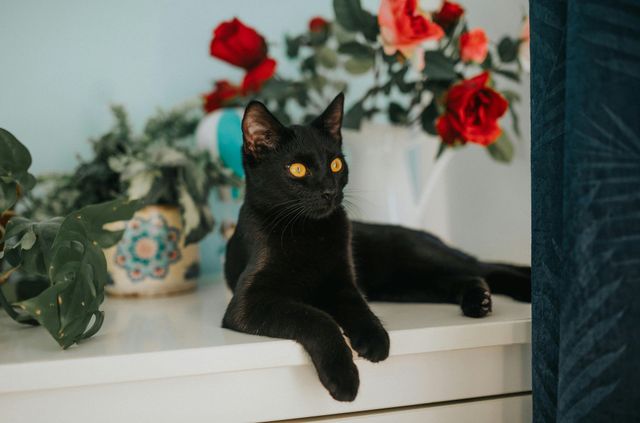
Credit: www.hosannafloral.com
First Aid For Cats Exposed To Roses
First aid for cats exposed to roses is important to know. Roses can sometimes cause mild irritation or more serious problems. Acting quickly helps keep your cat safe and comfortable.
Immediate Steps To Take
- Remove your cat from the area with roses.
- Check for signs like drooling, vomiting, or swelling.
- Rinse your cat’s mouth with clean water if it chewed on a rose.
- Look for thorns stuck in your cat’s skin or paws and remove them carefully.
- Keep your cat calm and watch for any changes in behavior.
When To Visit The Vet
- If your cat shows difficulty breathing or swallowing, go to the vet immediately.
- Visit the vet if vomiting or diarrhea lasts more than a few hours.
- Seek help if your cat becomes very weak or loses consciousness.
- Contact the vet if you see swelling around the face or mouth.
- Get professional care if you cannot remove thorns or injuries yourself.
Creating A Cat-safe Garden
Creating a cat-safe garden means making a space where cats can explore without harm. It involves careful plant choices and smart garden design. A safe garden protects cats from toxic plants and sharp objects. It also offers a fun and calm outdoor area for cats to enjoy. Planning a garden with cats in mind keeps them healthy and happy.
Choosing Non-toxic Plants
Select plants that are safe for cats to nibble or brush against. Avoid plants known to cause illness or allergies in cats. Some common safe plants include:
- Spider plants
- Boston ferns
- Catnip
- Bamboo palm
- Areca palm
Roses can be part of the garden but watch for thorns. Remove fallen petals and leaves regularly to avoid ingestion risks. Always check plant safety before planting.
Design Tips For Safety
Place thorny or toxic plants out of your cat’s reach. Use raised beds or hanging baskets to keep dangerous plants away. Create shaded areas for resting and hiding. Provide soft ground cover like grass or mulch for comfort.
Keep garden tools and chemicals locked away. Add paths or barriers to guide your cat safely through the garden. Use smooth stones or tiles instead of sharp gravel. These steps make the garden a safe playground for cats.
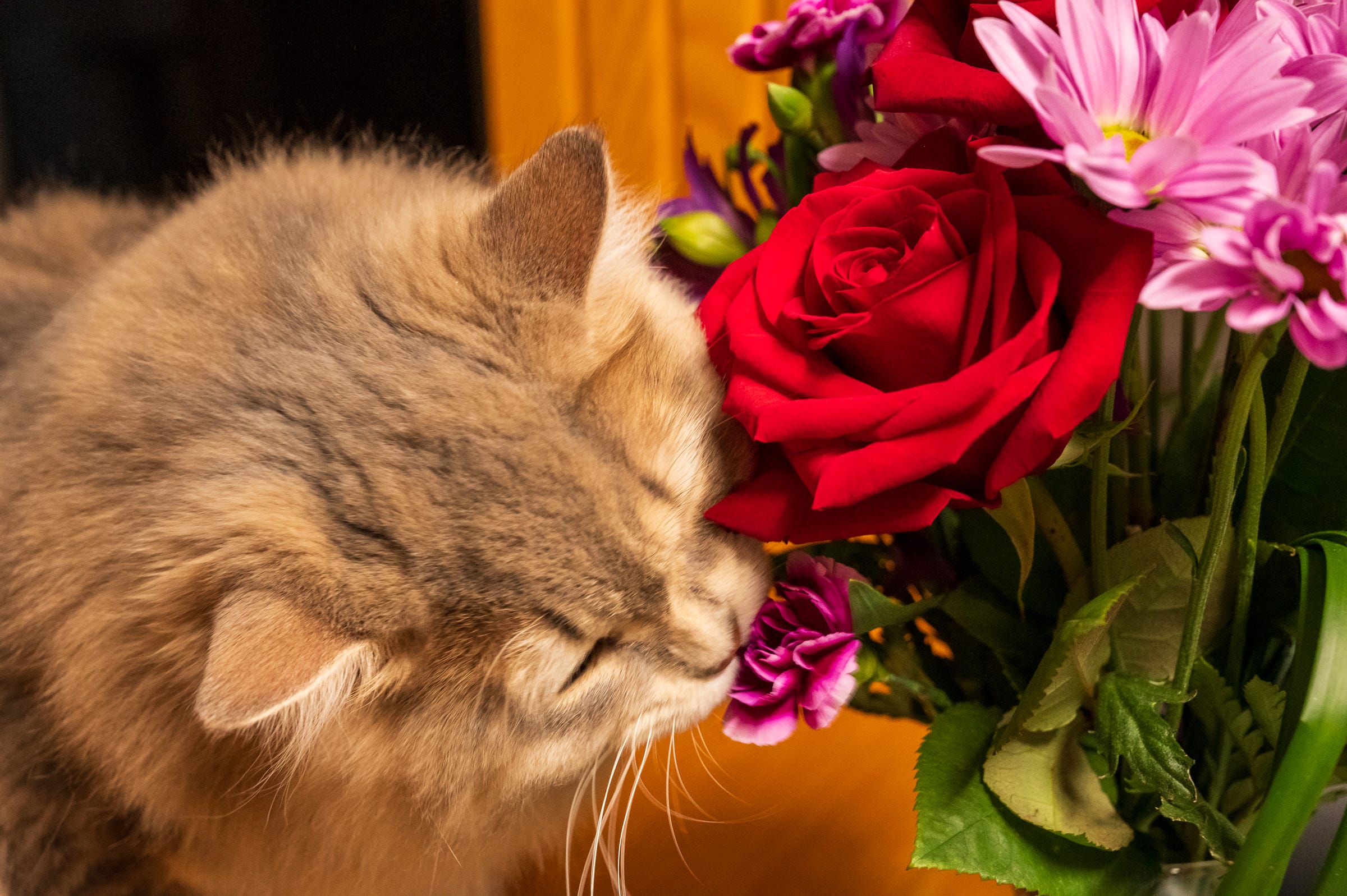
Credit: medium.com

Credit: rosaholics.com
Frequently Asked Questions
Are Roses Toxic To Cats If Ingested?
Roses are generally non-toxic to cats. However, thorns can cause injuries or irritation if cats chew on stems. Avoid letting cats eat rose petals or leaves to prevent mild stomach upset or irritation.
Can Cats Safely Play Near Rose Bushes?
Cats can safely play near rose bushes if thorns are trimmed or avoided. Supervise to prevent scratches or punctures. Providing alternative toys helps keep cats away from potentially harmful parts of the plant.
What Should I Do If My Cat Is Pricked By A Rose Thorn?
If pricked, clean the wound gently with water to prevent infection. Monitor for swelling or redness. Consult a vet if injury worsens or if your cat shows signs of pain or distress.
Do Rose Fertilizers Affect Cat Safety?
Some rose fertilizers contain chemicals harmful to cats. Always use pet-safe fertilizers and keep cats away from treated areas. Check product labels for toxicity warnings to ensure a safe environment.
Conclusion
Cats can be curious around roses, but they usually stay safe. Roses have thorns that might hurt cats if they play too roughly. The flowers themselves are not toxic, so cats won’t get sick from smelling or nibbling them. Still, keep an eye on your pet near rose bushes to avoid scratches or small injuries.
Choose safe plants and keep your cat’s space clean. This helps your furry friend enjoy the home without any risks. Roses and cats can share a home with simple care and attention.

Lily Purrington is the founder of MyKittyPicks.com, a cozy corner of the web dedicated to helping cat lovers discover the best cat products, furniture, toys, and home decor ideas.
A lifelong cat enthusiast, Lily shares trusted tips, honest product recommendations, and stylish inspiration designed to keep kitties happy and homes beautiful.
Her mission is simple: to bring together practical advice and purr-fect picks that make life better for cats and the people who love them.


