
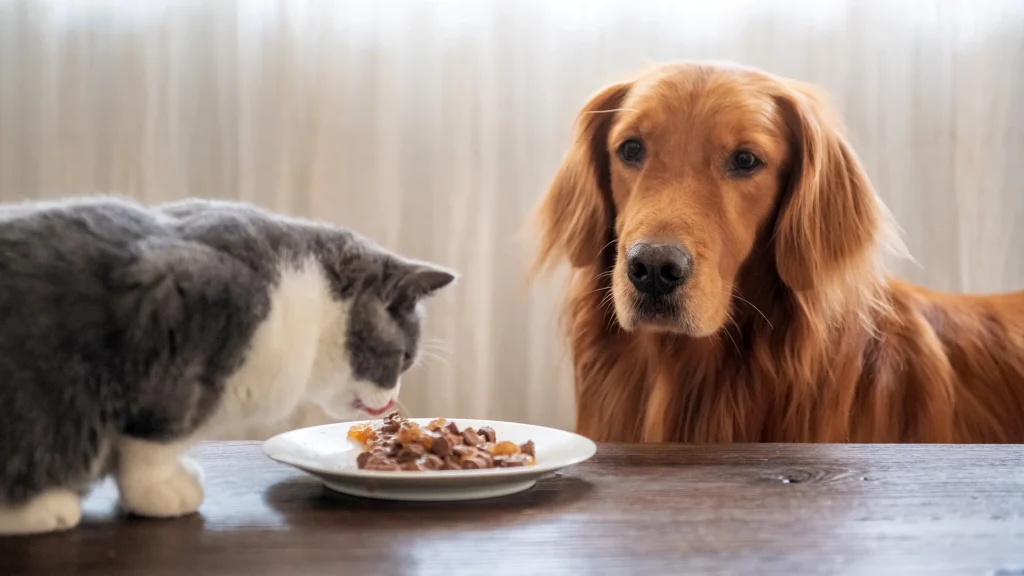
Have you ever wondered if your dog can safely eat cat food? It’s a question many pet owners ask, especially when their furry friends show interest in each other’s bowls.
You want what’s best for your dog’s health, but the confusion around feeding habits can be tricky. Understanding the differences between dog and cat food is crucial to keeping your pet happy and healthy. Keep reading to discover the surprising facts and expert advice that will help you make the right choice for your loyal companion.

Credit: www.lilyskitchen.co.uk
Differences Between Dog And Cat Food
Understanding the differences between dog and cat food is essential before you consider sharing meals between your pets. Dogs and cats have unique dietary needs that affect the ingredients and nutrient balance in their food. Recognizing these distinctions helps you make safer feeding choices and avoid potential health issues.
Nutritional Needs Of Dogs
Dogs are omnivores, which means they can eat both animal and plant-based foods. Their diet requires a balanced mix of protein, fats, carbohydrates, vitamins, and minerals.
Unlike cats, dogs don’t need as much protein or certain amino acids. Their food often contains grains and vegetables to provide energy and fiber. Have you ever noticed how dog food labels emphasize energy sources like rice or corn?
Nutritional Needs Of Cats
Cats are obligate carnivores, so their diet must be rich in animal proteins and fats. They need specific nutrients like taurine, arachidonic acid, and vitamin A, which are naturally found in meat but absent in most plants.
Missing these nutrients can lead to severe health problems for cats. For example, taurine deficiency can cause heart disease and vision issues. This is why cat food formulas are very different from dog food, even if both look similar in texture or shape.
Ingredient Variations
Cat food often contains higher levels of protein and fat to meet their energy needs. Ingredients like chicken, fish, and liver appear more frequently in cat food than in dog food.
Dog food includes more grains and vegetables, making it less protein-dense but higher in carbohydrates. It also contains different vitamin and mineral mixes tailored to dogs’ digestive systems.
- Cat food has added taurine and vitamin A, which are usually missing in dog food.
- Dog food often includes fiber sources like beet pulp or rice bran, which are uncommon in cat food.
- Fat content is generally higher in cat food to support their metabolism.
Knowing these differences, would you feed your dog cat food if you ran out of their regular meals? Understanding what each pet truly needs can prevent health problems and keep your furry friends happy.
What Happens If Dogs Eat Cat Food
Wondering what really happens if your dog sneaks a bite of cat food? It’s more common than you think. Understanding the effects can help you protect your furry friend and make better feeding choices.
Short-term Effects
Cat food is richer in protein and fat than dog food. If your dog eats some cat food occasionally, it might seem like a tasty treat. However, this richness can cause mild stomach upset such as vomiting or diarrhea.
Some dogs might experience increased thirst or slight lethargy after eating cat food. These symptoms usually pass quickly but can be uncomfortable for your pet. Have you noticed your dog acting off after raiding the cat’s bowl?
Long-term Health Risks
Feeding cat food to dogs regularly can lead to serious health problems. Cat food lacks the right balance of nutrients that dogs need, especially for heart and kidney health.
Over time, the high protein and fat content can cause obesity and pancreatitis in dogs. This inflammation is painful and sometimes requires emergency care. Preventing this means keeping cat food out of reach, even if your dog begs persistently.
Signs Of Digestive Issues
Watch for signs like frequent vomiting, diarrhea, or a bloated belly after your dog eats cat food. Loss of appetite and unusual lethargy can also indicate digestive distress.
If these signs persist, consult your vet promptly. Ignoring them can lead to chronic problems that affect your dog’s quality of life. What steps can you take today to stop your dog from sneaking cat food again?
Why Dogs Are Attracted To Cat Food
Dogs often show a strong interest in cat food. This attraction can confuse many pet owners. Understanding why dogs find cat food so appealing helps manage their eating habits better. Several factors explain this behavior, from the food’s flavor to the dog’s natural instincts.
Taste And Smell Appeal
Cat food usually contains more protein and fat than dog food. These ingredients create a richer taste that dogs enjoy. The smell of cat food is stronger and more intense. Dogs have a keen sense of smell, so the aroma is hard to resist.
The texture of cat food is often softer and moister. This can be easier for dogs to chew and enjoy. The combination of taste, smell, and texture makes cat food very tempting for dogs.
Behavioral Reasons
Dogs are curious animals by nature. They explore their world through taste and smell. When they see cats eating, dogs often want to try the same food. This behavior is part of their social learning.
Some dogs may eat cat food out of boredom or hunger. If their own food is not appealing or available, cat food becomes an option. Eating cat food can also be a way to get attention from their owners.
Credit: www.houndsy.com
When Cat Food Can Be Harmful
Knowing when cat food can be harmful to your dog is crucial for keeping them healthy. Cat food is designed for a cat’s specific needs, which can sometimes clash with what’s safe for dogs. Understanding these risks helps you avoid accidental health problems for your furry friend.
High Protein And Fat Content
Cat food often contains much higher levels of protein and fat than dog food. While dogs do need protein, too much can strain their kidneys and digestive system. If your dog eats cat food regularly, you might notice upset stomachs or even more serious issues like pancreatitis.
Have you ever seen your dog get sick after sneaking some cat food? That’s a sign the rich content just doesn’t agree with them. Keeping your dog’s diet balanced is key, so avoid feeding them cat food as a treat.
Toxic Ingredients For Dogs
Certain ingredients commonly found in cat food can be toxic to dogs. For example, some cat foods contain onion or garlic powder, which are harmful even in small amounts. Additionally, cat foods may have higher levels of taurine and vitamin A, which dogs don’t require as much of and can cause problems if ingested in excess.
Always check ingredient labels carefully. If you spot anything unusual, it’s better to keep that food away from your dog. Your dog’s health depends on avoiding these hidden dangers.
Portion Size Concerns
Dogs and cats have different calorie needs, so portion sizes matter a lot. Feeding your dog even a small amount of cat food regularly can lead to weight gain and nutritional imbalances. Over time, this can cause obesity and related health issues like diabetes or joint problems.
Think about how often you let your dog sample cat food. Could this habit be putting your dog’s weight and health at risk? Managing portion sizes and sticking to dog-specific food is a smarter choice for their long-term wellbeing.
Safe Feeding Practices For Dogs
Safe feeding practices keep dogs healthy and happy. Dogs need a diet made just for them. Cat food is not right for dogs long-term. It can cause health problems. Feeding dogs the right food helps avoid digestive issues and nutrient imbalances.
Avoiding Cat Food Temptation
Keep cat food out of your dog's reach. Use separate feeding areas for cats and dogs. Store cat food in sealed containers. This stops dogs from sneaking bites. Monitor your pets during mealtime to prevent sharing.
Providing Balanced Dog Diet
Feed your dog food designed for their needs. Choose high-quality dog food with balanced nutrients. Include proteins, fats, vitamins, and minerals. Avoid feeding table scraps or human food. Fresh water should always be available.
Consulting A Veterinarian
Talk to your vet about your dog’s diet. They offer advice on the best food and portions. Vets can spot signs of dietary problems early. Regular check-ups keep your dog in top shape. Always seek professional advice before changing diets.
Emergency Steps If Dog Eats Cat Food
Dogs sometimes eat cat food by accident or curiosity. Cat food has more fat and protein than dog food. This can upset a dog’s stomach or cause other problems. Knowing what to do quickly helps keep your dog safe and healthy. Acting fast can prevent serious issues.
Monitoring Symptoms
Watch your dog closely after eating cat food. Look for signs like:
- Vomiting or diarrhea
- Lethargy or weakness
- Excessive thirst or urination
- Loss of appetite
- Abdominal pain or bloating
Note how much cat food your dog ate. Mild symptoms may pass within a day. Keep your dog calm and offer fresh water.
When To Seek Veterinary Help
Contact a vet if your dog shows severe symptoms. Urgent signs include:
- Repeated vomiting or diarrhea
- Difficulty breathing or extreme weakness
- Swollen abdomen or pain
- Signs of pancreatitis like fever and dehydration
Also call a vet if your dog ate a large amount of cat food. Professional care may be needed to avoid complications. Quick vet attention can save your dog’s health.
Common Myths About Dogs Eating Cat Food
Many pet owners wonder about dogs eating cat food. Several myths surround this topic. Some believe cat food is always harmful to dogs. Others think dogs can safely eat cat food anytime. These myths can confuse pet care decisions. Understanding facts helps keep pets healthy.
Dogs Need The Same Nutrition As Cats
Dogs and cats have different dietary needs. Cat food has more protein and fat. Dogs do not need as much protein. Feeding cat food regularly can cause problems for dogs.
Cat Food Is Toxic To Dogs
Cat food is not toxic to dogs. Eating a small amount by mistake is usually safe. Problems happen if dogs eat cat food often or in large amounts.
Dogs Prefer Cat Food Over Their Own
Some dogs like the taste of cat food more. This does not mean cat food is better for them. Dogs can enjoy their food and stay healthy with dog food.
Feeding Cat Food To Dogs Helps Them Gain Weight
Cat food is high in calories. It may cause weight gain in dogs. But it is not a healthy way to add weight. Balanced dog food and exercise are better choices.

Credit: www.lilyskitchen.co.uk
Frequently Asked Questions
Can Dogs Eat Cat Food Regularly?
Dogs can eat cat food occasionally but not regularly. Cat food has higher protein and fat, which may upset a dog’s digestion over time.
Is Cat Food Safe For Puppies?
Cat food is not ideal for puppies. Puppies need balanced nutrients specific to their growth, which cat food does not provide.
What Happens If Dogs Eat Cat Food Often?
Frequent cat food consumption can cause obesity and nutrient imbalance in dogs. It may also lead to digestive problems and health issues.
Can Cat Food Cause Allergies In Dogs?
Yes, some dogs may develop allergies or sensitivities to ingredients in cat food. Watch for itching, vomiting, or diarrhea after eating it.
Conclusion
Dogs should not eat cat food regularly. It’s not ideal for them. Cat food lacks nutrients dogs need. Your pet might face health issues. Dogs and cats have different dietary needs. Always provide proper dog food. It ensures balanced nutrition.
If your dog eats cat food occasionally, it’s usually safe. Still, monitor for any signs of discomfort. Consult your vet if unsure. Understanding these differences helps keep pets healthy. Always prioritize your dog’s health with the right diet. This ensures a happy and active furry friend.

Lily Purrington is the founder of MyKittyPicks.com, a cozy corner of the web dedicated to helping cat lovers discover the best cat products, furniture, toys, and home decor ideas.
A lifelong cat enthusiast, Lily shares trusted tips, honest product recommendations, and stylish inspiration designed to keep kitties happy and homes beautiful.
Her mission is simple: to bring together practical advice and purr-fect picks that make life better for cats and the people who love them.


