

Are you curious about what house food can delight your furry friend without compromising their health? Discovering the right treats for your cat can be both rewarding and essential.
As a loving cat owner, you want the best for your feline companion, ensuring their diet is both nutritious and satisfying. But with countless human foods out there, it can be tough to know which ones are safe and which ones to avoid.
Imagine the peace of mind you’ll have knowing exactly what you can share from your kitchen. Dive into this guide to uncover the secrets of feeding your cat safely and deliciously. Your cat will thank you with every purr and playful nudge. Keep reading to learn how you can make meal times a delightful experience for both you and your cat.

Credit: bowwowinsurance.com.au
Common Safe Foods
Knowing which house foods are safe for your cat can make mealtime more interesting and nutritious for them. Cats are curious creatures, and they often want to try what you’re eating. Offering safe options from your kitchen can satisfy their curiosity without risking their health.
Cooked Meats
Cooked meats are a great source of protein for your cat. Plain chicken, turkey, and lean beef without any seasoning or sauces are safe choices. Always ensure the meat is fully cooked to avoid harmful bacteria.
Avoid giving your cat cooked bones or fatty cuts, as these can cause digestive problems or choking hazards. When I first gave my cat some plain boiled chicken, she eagerly licked her bowl clean—proof that many cats love simple, natural flavors.
Vegetables Cats Can Eat
Not all cats enjoy vegetables, but some do like crunchy, mild options. Safe veggies include cooked carrots, peas, and green beans. These provide fiber and vitamins without upsetting your cat’s stomach.
Steamed or boiled vegetables work best because they’re easier to digest than raw ones. Have you ever noticed your cat batting at a carrot stick like a toy? It’s a sign they might enjoy some veggie treats in their diet.
Fruits Safe For Cats
Cats aren’t big fruit fans, but certain fruits are safe and can be offered in small amounts. Blueberries, peeled apples (without seeds), and watermelon chunks are good examples. These fruits offer antioxidants and hydration.
Make sure to remove seeds and pits, as they can be toxic or cause choking. If you want to surprise your cat with a sweet snack, start with a tiny piece and watch their reaction carefully. Who knew a little fruit could become a feline favorite?
Credit: cats.com
Foods To Avoid
Cats have different dietary needs than humans. Some foods can harm them even in small amounts. Knowing which foods to avoid keeps your cat safe and healthy. This section covers key foods that can cause problems.
Toxic Ingredients
Many common ingredients are toxic to cats. Avoid these to prevent serious health issues:
- Onions and garlic – damage red blood cells
- Chocolate – contains theobromine, harmful to cats
- Grapes and raisins – cause kidney failure
- Alcohol – very dangerous, can cause poisoning
- Caffeine – overstimulates the nervous system
Harmful Human Foods
Some everyday human foods can upset your cat’s stomach or worse. Keep these away from your feline friend:
- Dairy products – many cats are lactose intolerant
- Raw eggs – risk of salmonella infection
- Raw fish – can cause nutrient deficiencies
- Fatty or fried foods – lead to obesity and pancreatitis
- Salt – excessive amounts can cause poisoning
Signs Of Food Poisoning
Watch for these signs if your cat eats something harmful:
- Vomiting and diarrhea
- Excessive drooling
- Lethargy or weakness
- Loss of appetite
- Difficulty breathing or seizures
Seek veterinary help immediately if these symptoms appear.
Homemade Cat Treats
Homemade cat treats offer a safe and tasty way to spoil your feline friend. You control the ingredients, ensuring treats are healthy and free from harmful additives. Preparing treats at home also lets you tailor flavors to your cat’s liking.
These snacks can strengthen your bond and provide variety beyond regular cat food. Simple ingredients from your kitchen can become delicious rewards your cat will love.
Simple Recipes
- Mix canned tuna with an egg and a tablespoon of oat flour. Shape into small balls and bake at 350°F for 10 minutes.
- Combine cooked chicken breast, a teaspoon of pumpkin puree, and a bit of whole wheat flour. Form tiny patties and bake until firm.
- Blend mashed sweet potato with a bit of catnip and rice flour. Roll into bite-size pieces and bake for 15 minutes.
Nutritional Tips
- Use lean proteins like chicken, turkey, or fish as the base.
- Include small amounts of safe veggies such as pumpkin or sweet potato.
- Avoid onions, garlic, chocolate, and artificial sweeteners—they are toxic to cats.
- Keep treats free from excessive salt or sugar.
- Fresh water should always be available alongside treats.
Portion Control
- Limit treats to no more than 10% of your cat’s daily calories.
- Offer small pieces to prevent overeating and choking.
- Observe your cat’s reaction and adjust treat size accordingly.
- Use treats as rewards during training or playtime only.
- Store treats in airtight containers to keep them fresh.
Feeding Tips
Feeding your cat house food requires careful attention and patience. Offering the right foods can boost their health and happiness, but sudden changes might upset their stomach or cause refusal to eat. Understanding how to introduce new foods, balance their diet, and watch for allergies will help you make smart choices that benefit your furry friend.
Introducing New Foods
Start by mixing a small amount of the new food with your cat’s current meals. Gradually increase the portion over several days to avoid digestive issues. Cats are often cautious eaters—have you noticed your cat sniffing new food before trying it?
Keep mealtime calm and offer fresh water alongside. Patience pays off; some cats take time to accept new tastes and textures.
Balancing Diet
House foods should complement your cat’s main diet, not replace it entirely. Include a mix of proteins like cooked chicken or fish, some cooked veggies, and a bit of rice or pumpkin. Avoid too many carbs—cats need mostly protein and fat.
Using a simple chart can help you track daily servings:
| Food Type | Recommended Portion |
|---|---|
| Cooked Meat (chicken, fish) | 50-70% |
| Cooked Vegetables (carrots, peas) | 10-20% |
| Grains (rice, oats) | 5-10% |
| Supplements (if vet advised) | As directed |
Are you tracking your cat’s nutrient intake or just hoping they get what they need? A little planning goes a long way.
Monitoring Allergies
Watch closely for signs like itching, vomiting, or diarrhea after introducing new foods. These symptoms might indicate an allergy or intolerance. Keep a food diary to pinpoint any problem ingredients.
If you see any reactions, stop the new food immediately and consult your vet. Remember, your cat can’t tell you what hurts, so your observations matter most.
Hydration And Snacks
Keeping your cat well-hydrated is just as important as feeding them nutritious meals. Cats often don’t drink enough water on their own, so offering the right snacks and food types can help maintain their hydration levels. Let’s look at how wet and dry foods compare, what safe hydrating options you can provide, and some healthy snack ideas that your cat will love.
Wet Vs Dry Foods
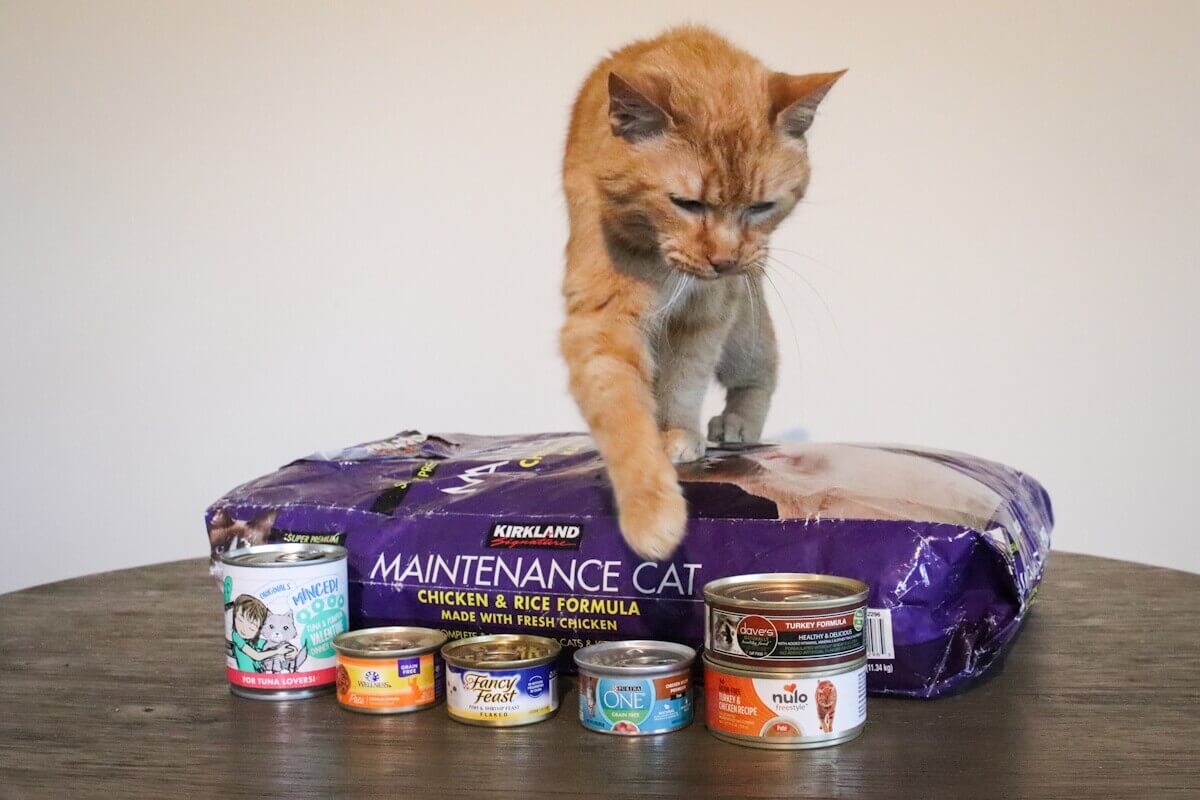
Wet food contains around 70-80% water, which naturally boosts your cat’s hydration. It’s especially useful if your cat doesn’t drink much water on its own. Dry food, on the other hand, has very low moisture content, making it less hydrating but convenient and good for dental health.
Think about your cat’s habits: do they prefer crunch or soft textures? You can balance their diet by mixing wet and dry foods. This way, you help keep them hydrated while offering variety.
Safe Hydrating Options
Besides wet food, you can add other hydrating treats that are safe for cats. Small amounts of plain chicken broth (without onions or garlic) can encourage your cat to drink more. Also, slices of cucumber or melon can provide extra moisture and are generally safe in moderation.
Watch for any signs of digestive upset when introducing new hydrating snacks. Always avoid anything with added salt, sugar, or harmful ingredients.
Healthy Snack Ideas
- Cooked Chicken or Turkey:A plain piece of cooked meat is a favorite for many cats and a good protein boost.
- Freeze-Dried Meat Treats:These keep nutrients intact and provide a crunchy texture cats enjoy.
- Small Portions of Tuna or Salmon:Use sparingly to avoid excessive mercury intake but great for hydration and flavor.
- Catnip or Cat Grass:While not food, these can stimulate appetite and hydration indirectly.
Have you noticed if your cat prefers certain textures or flavors? Adjusting snacks based on their preferences can make hydration easier and feeding time more enjoyable.
Credit: cats.com
Frequently Asked Questions
What House Foods Are Safe For Cats To Eat?
Cats can safely eat cooked chicken, turkey, plain rice, and carrots. Avoid onions, garlic, and chocolate as they are toxic to cats.
Can Cats Eat Dairy Products From The House?
Most cats are lactose intolerant. Small amounts of cheese or yogurt can be okay, but milk may cause digestive upset.
Is It Safe To Feed Cats Cooked Vegetables?
Yes, cats can eat cooked carrots, peas, and pumpkin in small amounts. Avoid onions and garlic as they are harmful.
Can Cats Eat Human Snacks Like Bread Or Eggs?
Plain cooked eggs are safe and nutritious for cats. Bread is okay in small amounts but offers little nutritional value.
Conclusion
Cats enjoy some house foods, but not all are safe. Always check ingredients before sharing. Plain cooked meat, certain veggies, and small amounts of cheese can be good treats. Avoid toxic foods like onions, garlic, and chocolate. Fresh water is important too.
Feeding your cat safe home foods helps keep them happy and healthy. Stay careful and watch for any signs of upset. Your cat will thank you with purrs and love. Keep learning about their diet for the best care.

Lily Purrington is the founder of MyKittyPicks.com, a cozy corner of the web dedicated to helping cat lovers discover the best cat products, furniture, toys, and home decor ideas.
A lifelong cat enthusiast, Lily shares trusted tips, honest product recommendations, and stylish inspiration designed to keep kitties happy and homes beautiful.
Her mission is simple: to bring together practical advice and purr-fect picks that make life better for cats and the people who love them.


