

Have you ever wondered if your cat can safely eat cold food? You might think it’s no big deal to serve leftovers straight from the fridge, but there’s more to this than meets the eye.
Your furry friend’s health and happiness depend on what you feed them, and temperature plays a key role. Keep reading to discover why the temperature of your cat’s food matters, what risks cold meals might bring, and how you can make mealtime both safe and enjoyable for your beloved pet.

Credit: www.reddit.com
Cold Food And Cat Digestion
Understanding how cold food affects your cat’s digestion can help you make better feeding choices. Cats have sensitive digestive systems that react differently depending on the temperature of their food. Let’s look closely at how cold meals impact their digestion and how that compares to warm food.
How Temperature Affects Digestion
Cold food can slow down your cat’s digestion process. When the food is cold, the stomach takes longer to break it down, which might cause mild discomfort or even reduce nutrient absorption. You might notice your cat hesitating or eating more slowly when served cold food.
On the other hand, some cats seem perfectly fine with cold meals, especially if they’re used to it. If you feed your cat cold food, watch for signs like vomiting or stomach upset. These signs indicate that their digestion may be affected negatively.
Comparison With Warm Food
Warm food typically mimics the natural temperature of prey animals, which can make it more appealing and easier to digest for cats. The warmth helps activate enzymes and speeds up stomach processing, making nutrients more accessible.
Many cat owners find that their pets eat more eagerly and digest food better when it is warmed slightly. However, avoid overheating as very hot food can burn your cat’s mouth. Serving food just slightly warm is a simple way to help your cat’s digestion without risking harm.
Potential Risks Of Cold Food
Feeding cats cold food can bring certain risks that pet owners should know. Cold food might not suit every cat’s digestion or mood. Understanding these risks helps keep cats healthy and happy.
Digestive Issues
Cold food can upset a cat’s stomach. Cats have sensitive digestive systems. Eating cold meals may cause:
- Vomiting
- Diarrhea
- Stomach cramps
Warm food is easier to digest and feels better to cats. Cold food may slow digestion and cause discomfort.
Behavioral Changes
Some cats may avoid cold food. This refusal can lead to less eating or picky habits. Cats might:
- Show less interest in meals
- Become irritable or restless
- Spend more time searching for preferred food temperatures
Feeding cold food regularly might affect a cat’s eating behavior and mood negatively.
Benefits Of Feeding Cold Food
Feeding cats cold food has its own set of benefits. It can support their health and satisfy their taste buds. Some cats enjoy eating cold meals, which can make mealtime more enjoyable for them. Cold food can also help keep important nutrients intact, offering a balanced diet. Understanding these benefits can help cat owners make better feeding choices.
Preservation Of Nutrients
Cold food keeps vitamins and minerals safe. Heat can destroy some nutrients in cat food. Feeding food cold helps maintain these nutrients. Cats get more nutrition from their meals this way. This supports their overall health and energy levels.
Preference For Some Cats
Some cats like cold food better. It can feel fresher and more appealing to them. Cold meals may be more exciting than warm food. This can encourage picky eaters to eat well. Feeding cold food can improve their appetite and mood.
Credit: www.purina.com
Signs Your Cat Dislikes Cold Food
Cats have unique preferences for their food temperature. Some cats enjoy warm meals, while others may reject cold food. Watching your cat’s behavior helps understand its likes and dislikes. Recognizing signs your cat dislikes cold food is important for its health and happiness.
Refusal To Eat
Your cat may simply walk away from the bowl when food is cold. It might sniff the food and lose interest quickly. Refusing to eat cold food can be a clear sign of dislike. Cats rely on smell, and cold food often has less aroma. This makes cold food less appealing to them.
Changes In Appetite
Notice if your cat eats less when served cold meals. A drop in appetite may indicate discomfort or dislike. Some cats eat only a small portion and leave the rest. This change can affect their nutrition over time. Keeping food at a preferred temperature encourages better eating habits.
Tips For Serving Cold Food
Serving cold food to cats requires careful attention. Proper handling keeps the food safe and tasty. Cats can be sensitive to sudden changes in food temperature. Following some simple tips helps your cat enjoy cold meals comfortably.
Proper Storage Techniques
Keep cold food in airtight containers to maintain freshness. Store it in the refrigerator at a temperature below 40°F (4°C). Avoid leaving food out for more than two hours to prevent bacteria growth. Label containers with the date to track freshness. Always discard any food left out overnight. Clean bowls and containers regularly to avoid contamination.
Transitioning To Cold Food
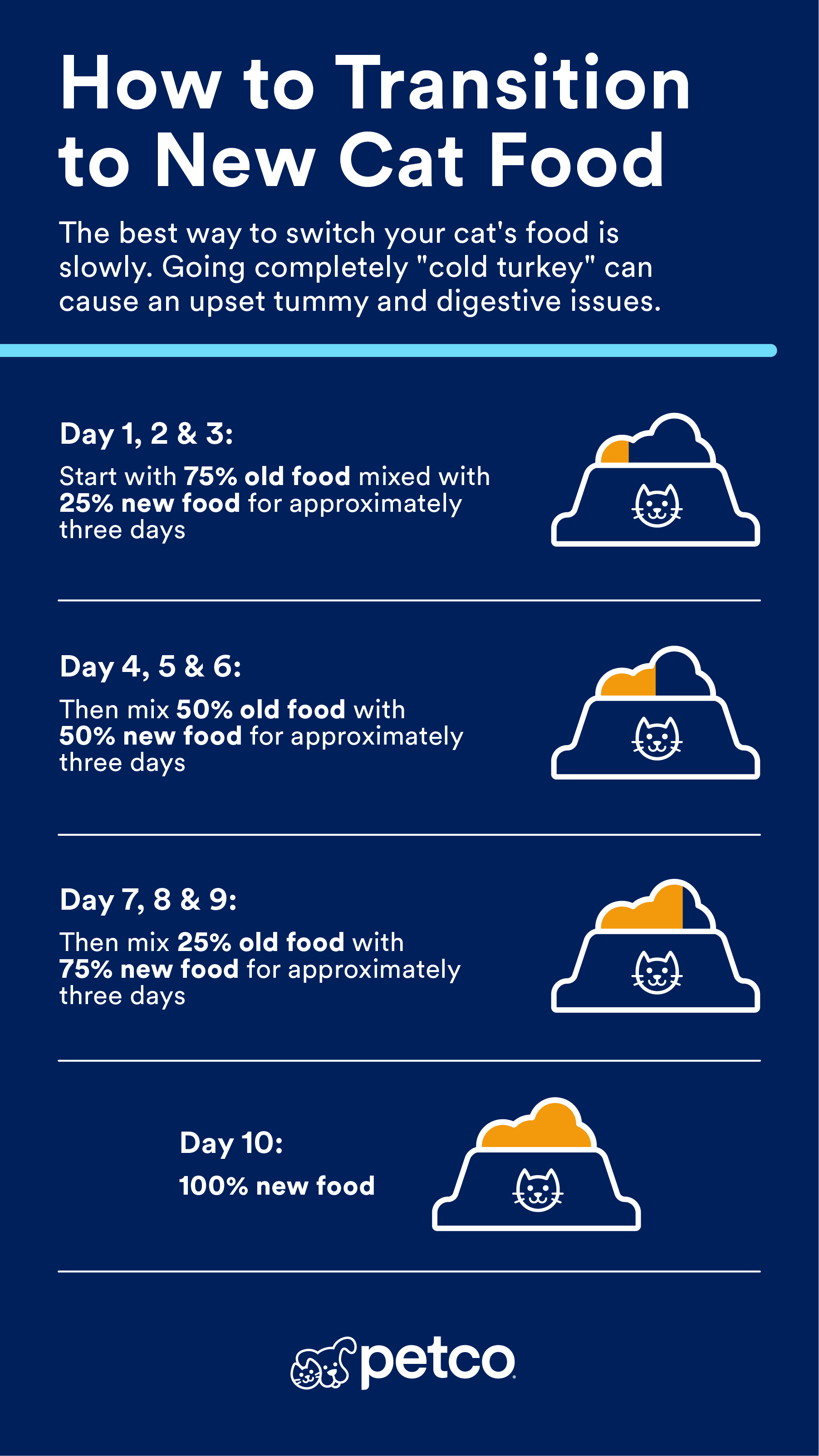
Introduce cold food slowly to your cat’s diet. Start by mixing a small amount with their usual warm food. Gradually increase the portion of cold food over several days. Watch for any signs of digestive upset or refusal. Some cats prefer food slightly chilled instead of straight from the fridge. Patience helps your cat adjust to new textures and temperatures.
Veterinarian Recommendations
Veterinarians often get asked whether cats can safely eat cold food. Their advice is rooted in keeping your feline friend healthy and happy. Understanding their recommendations helps you make informed choices about your cat’s diet and feeding habits.
When To Consult A Vet
If your cat suddenly refuses warm food or seems uninterested in eating, it’s time to check with a vet. Changes in appetite or behavior might signal underlying health issues.
Also, if you notice vomiting, diarrhea, or lethargy after feeding cold food, don’t wait to seek professional advice. Your vet can help determine whether cold food is suitable or if another approach is necessary.
General Feeding Guidelines
Most vets agree that cats prefer food at or near body temperature. Warming food slightly enhances aroma and palatability, encouraging better eating habits.
However, feeding cold food occasionally isn’t harmful if your cat tolerates it well. Always ensure the food is fresh and properly stored to avoid bacterial risks.
- Serve portions that match your cat’s appetite to reduce leftovers.
- Check the texture and smell before feeding; avoid anything that seems off.
- Introduce cold food gradually if you want to see how your cat reacts.
Have you noticed your cat’s preference for warm or cold meals? Observing their response can guide you on what suits them best, but a vet’s input is key when concerns arise.
Credit: www.petco.com
Frequently Asked Questions
Can Cats Safely Eat Cold Food?
Yes, cats can eat cold food safely if it is fresh and properly stored. Cold food retains nutrients and can be appealing to some cats.
Does Cold Food Affect Cat Digestion?
Cold food may slow digestion slightly but generally does not harm cats. Some cats prefer room temperature food for better digestion.
Is Cold Food Less Nutritious For Cats?
No, cold food is not less nutritious if stored correctly. Nutrient content remains stable whether food is cold or warm.
Should I Warm Up My Cat’s Cold Food?
Warming food can enhance aroma and appeal, but it’s not necessary. Always avoid overheating to prevent burns or nutrient loss.
Conclusion
Cats can eat cold food safely in most cases. Many cats enjoy it, especially on warm days. Cold food keeps nutrients fresh and taste strong. Always check the food’s quality before serving. Avoid giving cold food that is spoiled or too hard.
Warming food a little can help picky eaters. Pay attention to your cat’s preferences and health. This way, you keep your pet happy and healthy every day. Try cold food sometimes, but watch your cat’s reaction closely. Safe feeding means happy cats and peace of mind.

Lily Purrington is the founder of MyKittyPicks.com, a cozy corner of the web dedicated to helping cat lovers discover the best cat products, furniture, toys, and home decor ideas.
A lifelong cat enthusiast, Lily shares trusted tips, honest product recommendations, and stylish inspiration designed to keep kitties happy and homes beautiful.
Her mission is simple: to bring together practical advice and purr-fect picks that make life better for cats and the people who love them.


