
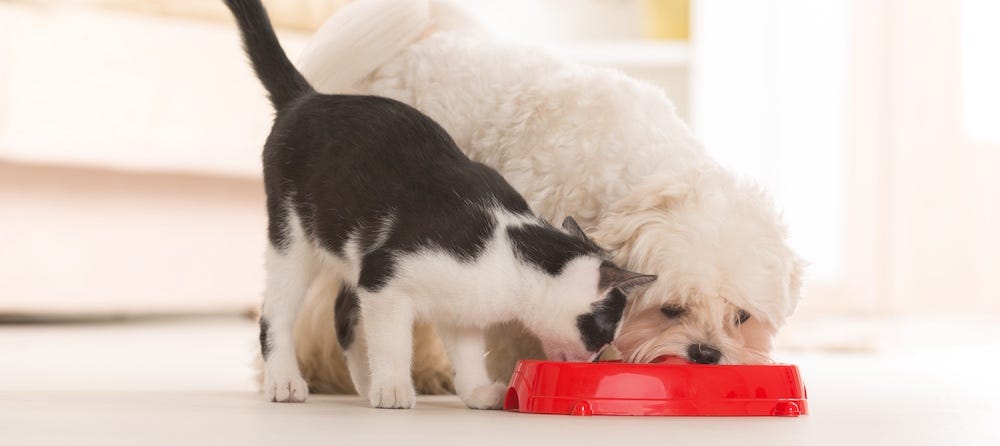
If you have both a dog and a cat, you know how tricky it can be to keep your furry friends happy and healthy. One common problem many pet owners face is keeping your dog away from your cat’s food.
It’s more than just a little annoyance—it can cause health issues for both pets and lead to wasted food and extra costs for you. But don’t worry, you’re not alone, and there are simple, effective ways to solve this problem.
Keep reading to discover easy tips and tricks that will help you protect your cat’s meals and keep peace between your pets.

Credit: www.ebay.com
Why Dogs Eat Cat Food
Have you ever caught your dog sneaking bites from your cat’s food bowl and wondered why? Understanding why dogs are drawn to cat food can help you find better ways to keep them away. It’s not just about taste; several factors come into play that explain this curious behavior.
Nutritional Differences
Cat food contains higher levels of protein and fat compared to dog food. Cats need more nutrients like taurine and certain vitamins that dogs don’t require as much of. This rich nutrient profile can make cat food more appealing and tempting for dogs.
Your dog might be instinctively seeking out these extra nutrients, especially if their own diet lacks something. Have you checked if your dog’s food meets all their nutritional needs? Sometimes, a change in diet can reduce their interest in cat food.
Behavioral Reasons
Dogs are curious and often explore their environment through taste. Stealing cat food can be a way to get attention or satisfy boredom. If your dog feels neglected or under-stimulated, cat food becomes an easy and rewarding target.
Think about your dog’s daily routine. Are they getting enough exercise and mental stimulation? Dogs that are left alone or bored tend to develop habits like scavenging, which includes going after cat food.
Attraction To Cat Food Smell
Cat food is designed to have a strong, appealing smell to entice cats. This aroma is often irresistible to dogs as well. Even if they aren’t hungry, the smell alone can lure them in for a quick snack.
Have you noticed how your dog reacts when you open a can of cat food? The scent can be more powerful than the taste itself. Keeping the cat’s food covered or feeding cats in a separate room can help reduce this temptation.
Risks Of Dogs Eating Cat Food
Dogs sneaking into cat food might seem harmless at first, but it can lead to several serious problems. Cat food is designed differently than dog food, and feeding it to your dog can cause health issues, disrupt your cat’s diet, and trigger allergies. Understanding these risks helps you take better care of both your pets.
Health Concerns For Dogs
Cat food is richer in protein and fat than dog food because cats have different nutritional needs. When your dog eats cat food regularly, it can lead to obesity and digestive upset.
High fat content might cause pancreatitis, a painful inflammation of the pancreas. If your dog starts vomiting or has diarrhea after eating cat food, it’s a red flag you shouldn’t ignore.
Impact On Cats’ Diet
Dogs eating cat food often means less food for your cat. This can leave your feline friend hungry and stressed, potentially leading to behavioral issues.
Even more, cats need specific nutrients like taurine that aren’t in dog food. When cats lose access to their proper diet, their health can decline over time.
Potential Allergies
Both dogs and cats can develop allergies, but cat food contains ingredients that might not suit your dog’s system. Eating cat food might trigger skin problems, itching, or ear infections in your dog.
Have you noticed your dog scratching more after sneaking into the cat’s bowl? That could be an allergy warning sign worth discussing with your vet.
Choosing The Right Feeding Location
Choosing the right feeding location can make a big difference in keeping your dog away from your cat’s food. It’s about finding a spot that feels natural for your cat but challenging for your dog. You want to create a feeding environment that respects both pets’ needs without constant supervision.
Elevated Feeding Stations
Raising your cat’s food bowl off the ground can be a game-changer. Cats are natural jumpers, so placing their food on a counter or a sturdy shelf can keep it out of your dog’s reach. I once placed a small table in the corner of my kitchen just for my cat’s meals, and it stopped my dog from sneaking bites.
Make sure the surface is stable and safe for your cat to jump on and off. Avoid slippery materials that might scare your cat or cause accidents. Elevation not only protects the food but also gives your cat a sense of security during mealtime.
Separate Feeding Rooms
Does your home have a spare room or a quiet corner? Using a separate feeding room can solve many problems. Closing the door during feeding times allows your cat to eat peacefully while your dog stays out of temptation.
This setup can also help reduce stress for shy cats who might feel pressured by dogs nearby. If a closed door isn’t an option, consider rooms with baby gates or barriers that only your cat can access. Have you noticed how your pets behave differently when they eat alone versus together?
Using Barriers And Gates
Barriers and gates are simple tools that can create a clear boundary. Baby gates with small openings or pet doors designed for cats work well to keep dogs away from cat food. I installed a gate with a cat door in my living room, and my cat quickly learned to use it while my dog stayed on the other side.
Choose gates that are tall enough so your dog can’t jump over and sturdy enough to withstand their attempts. Position the feeding station behind the barrier, and your dog will likely lose interest after a few tries. Have you tried using gates, or do you think your dog might find a way around them?
Feeding Schedule Adjustments
Adjusting your pet’s feeding schedule helps keep your dog away from cat food. Setting clear meal times creates boundaries. Dogs learn when and where they can eat. Cats get their own quiet time to enjoy food without interruptions. These small changes reduce stress for both pets.
Timed Feeding
Offer food to your cat only at specific times. Remove any leftover food after 20-30 minutes. This stops your dog from eating cat food later. Timed feeding also helps control your cat’s diet. It encourages healthy eating habits and prevents overeating.
Supervised Meal Times
Stay close during your pets’ feeding sessions. Watch your dog to stop it from approaching the cat’s bowl. Use a barrier if needed, like a baby gate or a separate room. Supervision teaches your dog to wait patiently. It also gives your cat space to eat calmly.
Consistent Routine
Feed your pets at the same times every day. Dogs and cats thrive on routine. Predictable meal times reduce anxiety and confusion. Your dog will learn when it can eat its own food. Cats will feel safe eating without being disturbed.
Training Techniques To Discourage Behavior
Training your dog to avoid cat food requires patience and clear techniques. Teaching them what is allowed and what is not helps reduce unwanted behavior. Using the right training methods builds good habits that last.
Positive Reinforcement
Reward your dog for staying away from the cat’s food bowl. Use treats or praise to encourage good behavior. Give rewards immediately after the dog ignores the cat food. This helps your dog connect the action with a positive outcome.
Be consistent with rewards. Avoid giving treats when the dog approaches the cat food. This teaches your dog that only ignoring the cat food brings rewards.
Command Training
Teach clear commands like “leave it” or “no.” Use these commands whenever your dog moves toward the cat food. Practice in short sessions for better focus. Repeat commands firmly but gently.
Combine commands with hand signals to help your dog understand. Always reward your dog when it follows the command. This builds respect for your instructions.
Redirecting Attention
Offer an alternative to distract your dog from the cat food. Use toys or a special treat to shift their focus. Engage your dog in play or training to keep their mind busy.
Remove the dog from the area calmly if they still try to eat cat food. Then guide them to the new activity. This reduces the chance they will return to the cat’s bowl.
Credit: www.litter-robot.com
Using Technology And Tools
Technology and tools offer smart ways to keep dogs away from cat food. These devices provide convenience and control. They help maintain peace during mealtime. Using the right tools makes feeding time easier for both pets and owners.
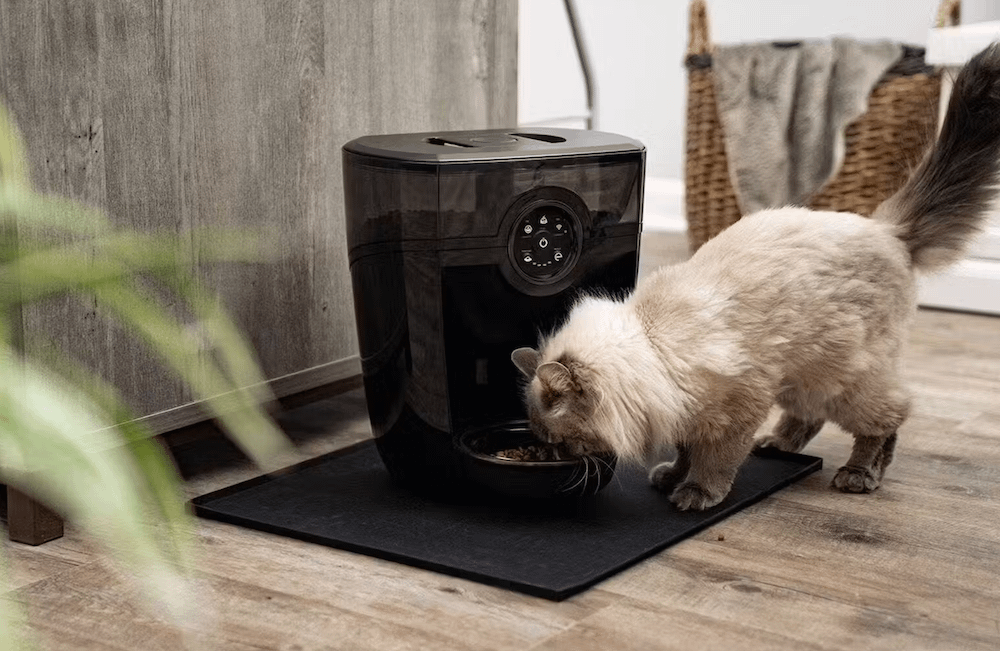
Automatic Cat Feeders
Automatic cat feeders release food at set times. This prevents dogs from eating cat food between meals. Some feeders have locking lids that only open for cats. They reduce food waste and keep portions controlled. These feeders also help pets eat on a schedule.
Motion-activated Deterrents
Motion-activated deterrents detect when a dog approaches the cat’s food. They emit sounds or sprays to scare the dog away. These tools train dogs to avoid the feeding area. They work without hurting pets. Deterrents encourage good behavior through gentle correction.
Specialized Feeding Bowls
Specialized feeding bowls are designed to limit dog access. Some bowls have narrow openings that only fit a cat’s face. Others use raised platforms or barriers. These bowls protect cat food from being stolen. They help cats eat peacefully without interruption.
Improving Dog’s Diet And Environment
Improving your dog’s diet and environment helps reduce their interest in cat food. A well-fed dog feels satisfied and less tempted. Their surroundings also play a key role in behavior. Small changes can create a big difference in how your dog behaves around the cat’s food.
Providing Satisfying Dog Food
Choose dog food that meets all nutritional needs. High-quality food keeps your dog full longer. Balanced meals reduce cravings for other foods. Consider food with enough protein and fiber. These ingredients help dogs feel satisfied. Avoid feeding low-quality or too little food.
Increasing Exercise And Mental Stimulation
Active dogs are less likely to seek extra food. Regular walks and playtime burn energy. Mental games and training keep dogs busy. Use puzzle toys or treat dispensers. Mental exercise tires dogs out like physical activity. This lowers boredom and food-seeking behavior.
Avoiding Hunger-induced Behavior
Feed your dog on a consistent schedule. Avoid long gaps between meals. Small, frequent meals can prevent hunger-driven actions. Never leave your dog too hungry. Hunger makes dogs more likely to steal cat food. A well-fed dog is a happier dog.

Credit: petzyo.com.au
Frequently Asked Questions
How Can I Stop My Dog From Eating Cat Food?
Use separate feeding areas for pets. Elevate cat food where dogs can’t reach. Train your dog with commands to avoid cat food.
Why Is Dog Eating Cat Food A Problem?
Cat food has higher protein and fat. It can upset your dog’s stomach. Eating cat food regularly may cause obesity in dogs.
What Are Safe Feeding Habits For Dogs And Cats?
Feed pets in different rooms or times. Use automatic feeders with timers. Supervise feeding to prevent food stealing.
Can Training Help Keep Dogs Away From Cat Food?
Yes, consistent training with commands like “leave it” works. Reward good behavior. Avoid punishment, and be patient.
Conclusion
Keeping your dog away from cat food helps both pets stay healthy. Use barriers or place cat food in high spots. Train your dog with gentle commands and rewards. Watch your pets during feeding times to prevent problems. Small changes make a big difference in your home.
Happy pets, happy family. Try these tips and enjoy peace of mind.

Lily Purrington is the founder of MyKittyPicks.com, a cozy corner of the web dedicated to helping cat lovers discover the best cat products, furniture, toys, and home decor ideas.
A lifelong cat enthusiast, Lily shares trusted tips, honest product recommendations, and stylish inspiration designed to keep kitties happy and homes beautiful.
Her mission is simple: to bring together practical advice and purr-fect picks that make life better for cats and the people who love them.


