

Are you wondering if your kitten can eat wet cat food? It’s a common question for new cat owners who want the best for their furry friend.
Choosing the right food is crucial for your kitten’s growth and health. Wet cat food might seem like a tasty option, but is it safe and healthy for your little companion? Keep reading to discover the facts you need to make the best choice for your kitten’s diet.
Wet Food Benefits
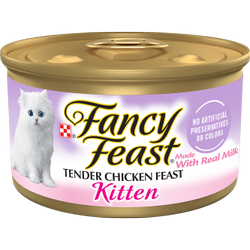
Wet cat food offers many benefits for kittens. It helps support their health and growth in gentle ways. This type of food is soft, easy to eat, and full of important nutrients. It also helps keep kittens hydrated, which is very important at their young age.
Hydration Support
Wet food contains a lot of moisture, which helps kittens stay hydrated. Kittens may not drink enough water on their own. Wet food adds water to their diet. This helps prevent dehydration and supports healthy kidneys.
Nutrient Density
Wet cat food is rich in essential nutrients. It provides proteins, fats, and vitamins needed for growth. Kittens need more nutrients than adult cats. Wet food gives them the right balance to grow strong and healthy.
Palatability
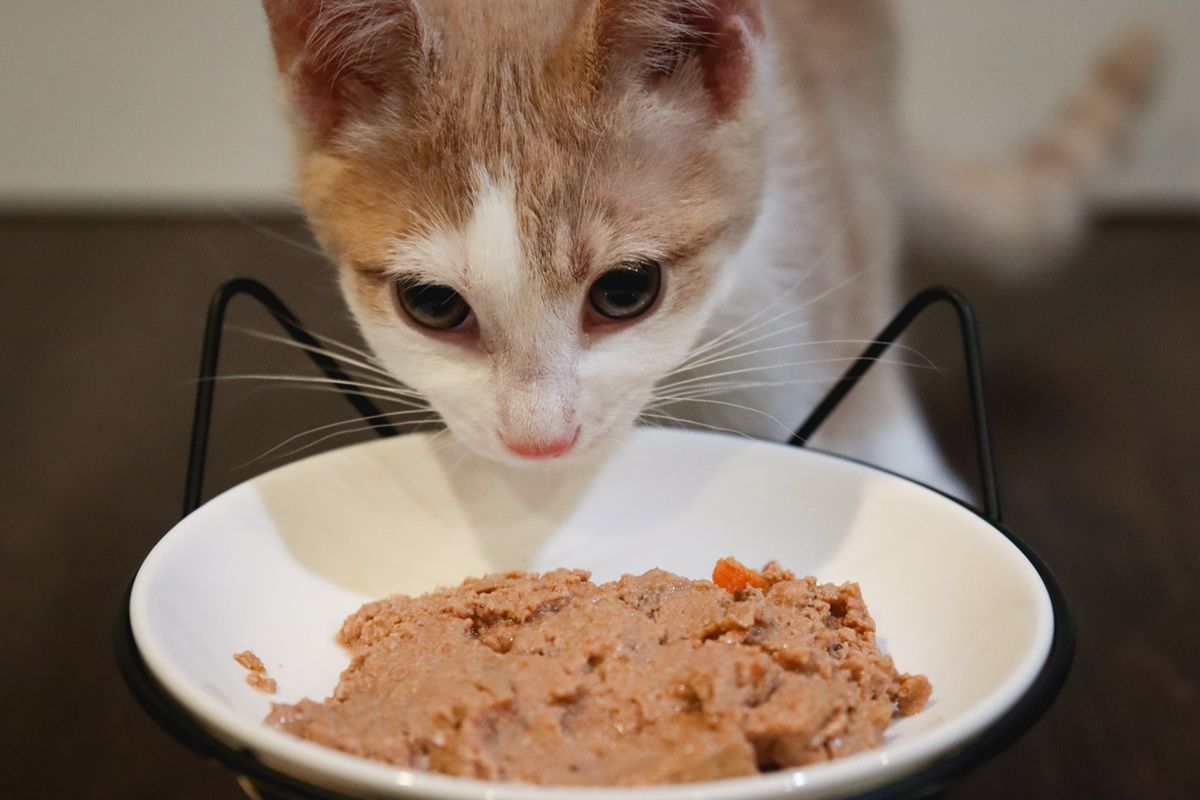
Wet food tastes good and smells appealing to kittens. This encourages them to eat more, especially if they are picky. The soft texture is easy to chew for small teeth. Wet food helps kittens enjoy their meals and get proper nutrition.
Credit: www.purina.com
Kitten Nutritional Needs
Kittens grow fast and need the right fuel to support their development. Their diet must meet specific nutritional needs to keep them healthy and active. Wet cat food can be a good option if it covers these essential nutrients properly.
Protein Requirements
Protein is the building block for your kitten’s muscles, organs, and immune system. Kittens need more protein than adult cats to support rapid growth. Look for wet cat food that lists a high-quality animal protein, like chicken or fish, as the first ingredient.
Did you know that a kitten’s body uses protein not just for growth but also to heal and maintain tissues? Without enough protein, your kitten might feel tired or fail to gain weight properly.
Fat And Energy
Fat provides energy and helps your kitten absorb important vitamins. Growing kittens burn a lot of calories, so they need a diet rich in healthy fats. Wet cat food often contains fat from animal sources, which is ideal for energy and brain development.
Watch out for foods with too little fat, as this can lead to sluggishness. On the other hand, a balanced fat content keeps your kitten playful and ready to explore.
Vitamins And Minerals
Vitamins and minerals support everything from bone growth to immune defense. Calcium and phosphorus are crucial for strong bones and teeth, while vitamins like A and E protect cells and skin. Wet cat food formulated for kittens usually includes these in the right amounts.
Have you checked if your kitten’s food has a proper balance of these nutrients? Some homemade diets miss out on key vitamins and minerals, which can stunt your kitten’s growth or cause health issues down the road.
Choosing The Right Wet Food
Choosing the right wet food for your kitten is important for their health and growth. Wet food can provide essential moisture and nutrients. Not all wet foods suit every kitten. Selecting the right product ensures balanced nutrition and good digestion.
Age-appropriate Formulas
Kittens have different nutritional needs than adult cats. Wet food made for kittens supports growth and development. These formulas contain higher protein and fat levels. They also include important vitamins and minerals. Avoid adult cat food for kittens to prevent nutrient imbalances.
Ingredients To Look For
High-quality protein should be the main ingredient. Real meat or fish is best. Look for named sources like chicken, turkey, or salmon. Healthy fats help brain and eye development. Ingredients like taurine and DHA are important. Whole grains and vegetables add fiber and vitamins.
Avoiding Harmful Additives
Steer clear of artificial colors and flavors. These can irritate sensitive stomachs. Avoid preservatives like BHA and BHT. Too much salt or sugar is unhealthy. Check labels for by-products or fillers. Choose wet food with natural, simple ingredients.
Credit: cats.com
Feeding Schedule Tips
Setting a proper feeding schedule helps kittens grow healthy and strong. It supports their digestion and energy needs. Wet cat food can be part of this schedule, but timing and portions matter. A clear plan keeps kittens comfortable and happy during mealtime. Understanding their needs at different ages improves feeding success.
Frequency For Young Kittens
Kittens need frequent meals due to their small stomachs. Feed wet food about four times a day. This keeps their energy steady and helps with growth. Avoid long gaps between meals to prevent hunger and fussiness. As they grow, reduce meal frequency gradually.
Transitioning From Milk To Wet Food
Start introducing wet food at about four weeks old. Mix wet food with kitten formula to ease the change. Offer small amounts several times daily. Watch your kitten’s reaction and adjust the mix accordingly. By eight weeks, kittens can eat mostly wet food without formula.
Portion Control
Feed the right amount to avoid overeating and waste. Follow package guidelines based on your kitten’s weight. Divide daily portions into multiple meals. Monitor your kitten’s weight and adjust portions as needed. Fresh water should always be available alongside wet food.
Common Feeding Challenges
Feeding a kitten wet cat food can bring some challenges. These challenges can affect how well your kitten eats and digests food. Understanding these common issues helps you provide better care. It also makes feeding time smoother and more enjoyable for your kitten.
Picky Eaters
Kittens can be very picky about their food. Some may refuse wet food because of its smell or texture. They might prefer dry food or specific flavors only. Offering a variety of wet food flavors can help. Try warming the food slightly to enhance aroma. Patience is key to encourage your kitten to eat well.
Food Allergies
Food allergies can cause itching, vomiting, or diarrhea in kittens. Some wet cat foods contain common allergens like fish or dairy. Watch for signs such as scratching or upset stomach. If allergies appear, switch to hypoallergenic or limited ingredient formulas. Consult a vet for proper diagnosis and feeding advice.
Digestive Issues
Kittens have sensitive stomachs that can react to new foods. Wet food may cause diarrhea or constipation if introduced too quickly. Gradually mix wet food with their current diet over several days. Keep fresh water available to help digestion. Monitor your kitten’s stool and energy levels closely.
Credit: www.whiskas.co.uk
Combining Wet And Dry Food
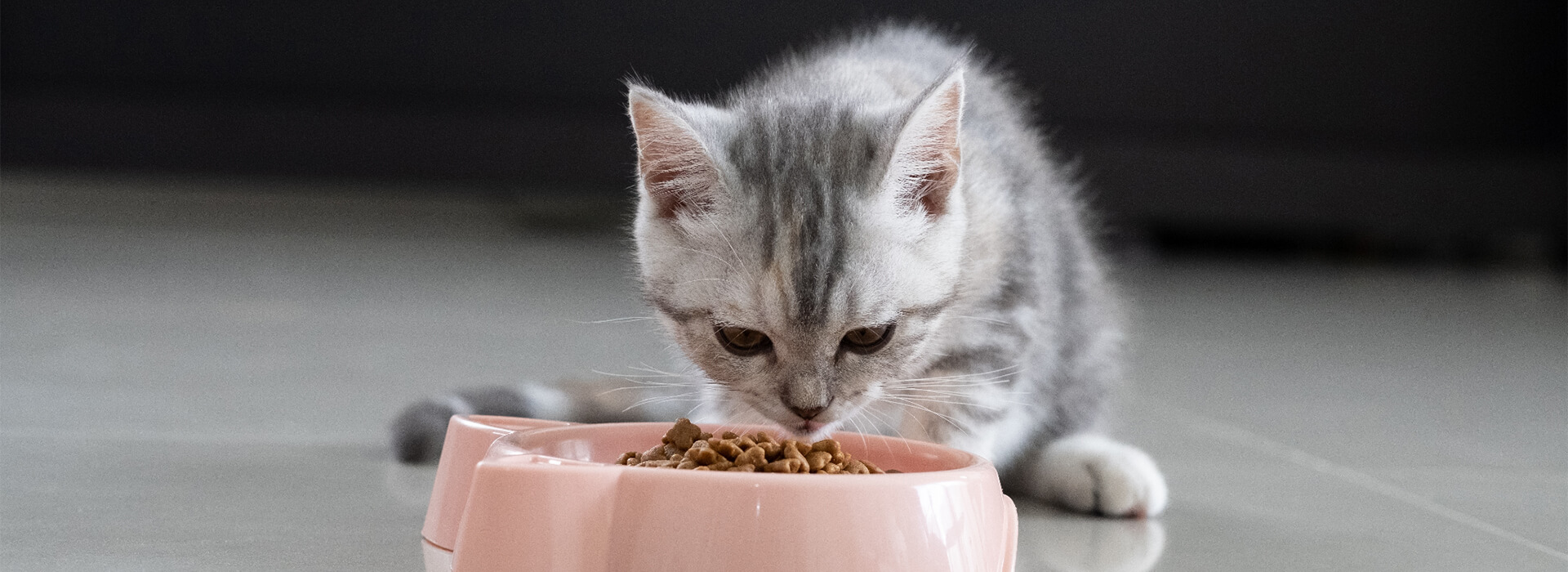
Combining wet and dry cat food offers a balanced diet for your kitten. This approach supports hydration and dental health. It also provides variety in taste and texture, which keeps mealtime interesting for your young feline.
Benefits Of Mixed Feeding
- Wet food adds moisture to your kitten’s diet, helping prevent dehydration.
- Dry food supports strong teeth by reducing plaque buildup.
- Mixing both types can improve nutrient intake and digestion.
- Variety helps reduce picky eating habits in kittens.
- Wet food offers higher protein levels, important for growth.
How To Introduce Both
Start by offering small amounts of wet food alongside dry food. Gradually increase wet food portions over several days. Keep meal times consistent to build a routine. Use separate dishes to avoid confusion. Observe your kitten’s preferences and adjust accordingly.
Monitoring Intake
Track how much your kitten eats from each food type. Ensure they consume enough calories for healthy growth. Watch for any signs of digestive upset, like vomiting or diarrhea. Adjust feeding amounts to prevent overeating or underfeeding. Consult a vet if unsure about portion sizes.
Signs Of A Healthy Diet
Recognizing the signs of a healthy diet in your kitten is crucial to ensuring they thrive on wet cat food. It’s not just about what you feed them, but how their body responds. Watching for key indicators can help you confirm if their meals meet their nutritional needs.
Growth Milestones
Your kitten should steadily gain weight and grow in size during their first months. Healthy kittens often double their birth weight in the first week and continue growing at a rapid pace.
If you notice your kitten lagging behind typical growth charts or looking smaller than their siblings, it could mean their diet lacks essential nutrients. Are you tracking your kitten’s weight regularly? It’s a simple way to spot problems early.
Coat And Skin Health
A shiny, soft coat and smooth skin are clear signs your kitten is getting the right balance of fats, vitamins, and proteins. Dull fur or flaky skin might indicate deficiencies.
Wet cat food often helps with hydration, which supports healthy skin from the inside out. Have you observed changes in your kitten’s coat since switching to wet food? This can tell you a lot about their overall health.
Energy Levels
Kittens should be lively and playful, showing curiosity and bursts of energy throughout the day. Low energy or excessive sleeping could be a red flag that their diet isn’t fueling them properly.
Wet cat food can provide the moisture and nutrients needed to keep your kitten active. How does your kitten behave after meals? Their energy can reflect how well their food supports their growth and daily activities.
Frequently Asked Questions
Can Kittens Eat Wet Cat Food Safely?
Yes, kittens can safely eat wet cat food. It provides essential moisture and nutrients ideal for their growth and hydration.
When Should I Start Feeding Kittens Wet Food?
Introduce wet food at about 3-4 weeks old. This helps kittens transition from nursing to solid food gradually.
Is Wet Food Better Than Dry For Kittens?
Wet food is often better for kittens. It offers higher moisture and easier digestion, supporting their developing bodies effectively.
How Often Should Kittens Eat Wet Cat Food?
Feed kittens wet food 3-4 times daily. Frequent small meals support their rapid growth and energy needs during early life.
Conclusion
Wet cat food can be a good choice for kittens. It helps keep them hydrated and provides nutrients. Make sure the food is made for kittens, not adult cats. Introduce new food slowly to avoid stomach upset. Always watch your kitten’s reaction to the food.
Balance wet food with some dry food for dental health. Feeding your kitten right supports healthy growth and strong bones. Choose quality wet food to keep your kitten happy and healthy. Regular feeding and care make a big difference in their life.

Lily Purrington is the founder of MyKittyPicks.com, a cozy corner of the web dedicated to helping cat lovers discover the best cat products, furniture, toys, and home decor ideas.
A lifelong cat enthusiast, Lily shares trusted tips, honest product recommendations, and stylish inspiration designed to keep kitties happy and homes beautiful.
Her mission is simple: to bring together practical advice and purr-fect picks that make life better for cats and the people who love them.


