
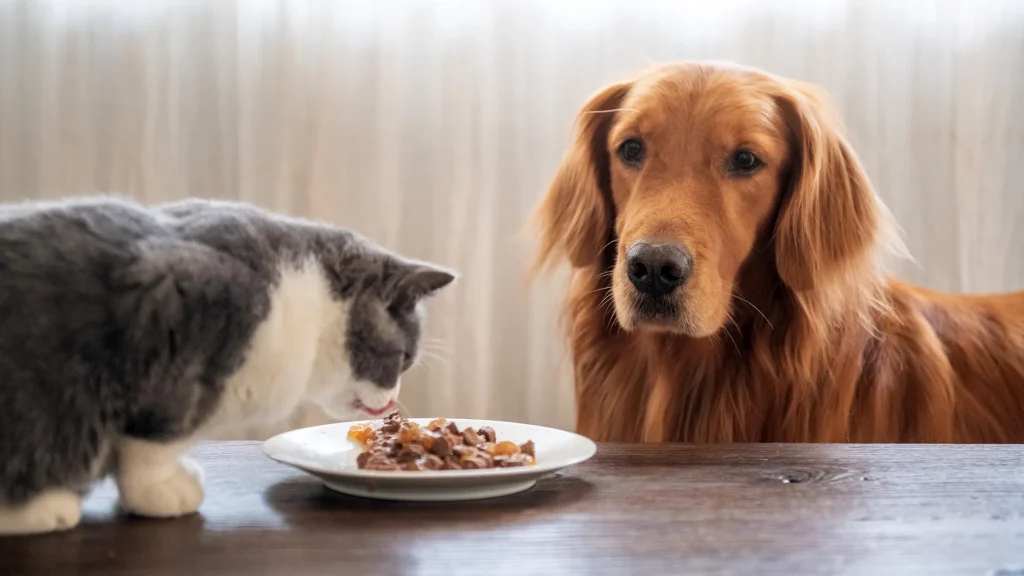
Have you ever caught your dog sneaking a bite of cat food and wondered if it’s safe? You’re not alone.
Many pet owners find themselves in this predicament, questioning whether their furry friend is in danger from this feline feast. Understanding what goes into your pets’ diets is crucial for their health and happiness. But don’t worry—you’re about to uncover the truth.
Is cat food safe for your dog, or are there hidden risks lurking in that shiny bowl? Keep reading, because what you discover next might just surprise you and change the way you feed your four-legged companions forever.
Differences Between Cat And Dog Nutrition
Understanding the differences between cat and dog nutrition is key to knowing whether cat food is safe for dogs. Cats and dogs have unique dietary needs shaped by their biology. Feeding your dog cat food without considering these differences can lead to health issues over time.
Protein Needs
Cats are obligate carnivores, which means they require a higher amount of protein in their diet than dogs do. Cat food typically contains more protein to meet this demand.
Dogs are more flexible in their diet and can thrive on lower protein levels. Giving your dog high-protein cat food occasionally might not cause harm, but regular feeding can strain their kidneys.
Taurine And Other Nutrients
Taurine is an essential amino acid for cats but not for dogs. Cat food is enriched with taurine to prevent deficiencies in cats.
Dogs produce taurine naturally, so they don’t need it added to their food. However, cat food often contains other added nutrients like arachidonic acid and vitamin A in higher amounts, which dogs don’t require as much of.
Fat Content
Cat food usually has higher fat content to support a cat’s energy needs. This extra fat can be too rich for dogs and may lead to weight gain or digestive upset if fed frequently.
Dogs benefit from moderate fat levels, balanced to avoid obesity and maintain healthy skin and coat. Feeding your dog cat food regularly can disrupt this balance and cause health problems.
Potential Risks Of Feeding Cats Food To Dogs
Feeding your dog cat food might seem like a harmless shortcut, especially if you find yourself out of dog food. However, there are several potential risks that you should be aware of before offering your dog a cat’s meal. Understanding these dangers can help you protect your dog’s health and avoid unnecessary vet visits.
Digestive Issues
Cat food is richer in fat and protein compared to dog food, which can upset your dog’s stomach. You might notice vomiting, diarrhea, or an upset tummy shortly after your dog eats cat food. Dogs aren’t designed to digest such rich meals regularly, so even a small amount can cause discomfort.
Have you ever seen your dog refuse their regular food after tasting cat food? This is because the high-fat content can make cat food more appealing but harder to digest for dogs.
Nutritional Imbalances
Cat food contains nutrients tailored specifically for cats, such as higher levels of taurine and vitamin A, which dogs don’t need in those amounts. Feeding your dog cat food regularly can lead to an imbalance in essential nutrients your dog requires.
For example, the excess protein and fat can strain your dog’s kidneys and liver over time. Dogs need a balanced diet with the right mix of carbohydrates, proteins, and fats — something cat food isn’t designed to provide.
Long-term Health Effects
Repeatedly feeding your dog cat food can have serious long-term consequences. You risk obesity, pancreatitis, and other metabolic issues because of the inappropriate nutrient levels.
Imagine your dog developing chronic health problems simply because of a diet that seemed convenient at the moment. Would you want to take that risk, knowing it could cost you more than just money, but your dog’s wellbeing?
When Cat Food Might Be Safe For Dogs
Cat food is designed for the unique needs of cats, but dogs sometimes eat it too. There are moments when cat food might be safe for dogs to consume. Understanding these situations helps keep your dog healthy and happy. Knowing when it is okay can prevent worry or accidental harm.
Occasional Treats
Giving cat food to your dog as an occasional treat is usually safe. Small amounts will not harm most dogs. Cat food is richer in protein and fat, which dogs do not need every day. Use cat food as a special snack, not a regular meal. Watch your dog for any signs of upset stomach after eating it.
Emergency Situations
In emergencies, cat food can provide quick nutrition for dogs. If dog food is unavailable, cat food is better than no food. It offers calories and nutrients that keep your dog stable. Give only a small portion to avoid digestive problems. Once you can, switch back to proper dog food as soon as possible.

Credit: petzyo.com.au
Signs Your Dog Is Reacting Poorly
Not all dogs digest cat food well. Some dogs show clear signs of distress after eating it. Knowing these signs helps protect your dog’s health.
Gastrointestinal Symptoms
- Vomiting often occurs after eating cat food.
- Diarrhea is a common sign of poor digestion.
- Excessive gas can indicate stomach upset.
- Loss of appetite may follow after discomfort.
- Stomach bloating or cramps can cause pain.
Behavioral Changes
- Restlessness shows your dog feels uneasy.
- Whining or crying may signal discomfort.
- Unusual tiredness can result from digestive issues.
- Irritability or aggression might appear suddenly.
- Hiding or avoiding people indicates distress.
Better Alternatives To Cat Food For Dogs
Choosing better food options for your dog is essential for their health. Cat food is not suitable for dogs because it has different nutrients. Dogs need food made just for them to stay strong and happy.
Choosing The Right Dog Food
Pick dog food that matches your dog’s size and age. Puppies, adults, and senior dogs have different needs. Look for food with balanced protein, fats, and vitamins. Avoid foods with too many fillers or artificial ingredients. Check labels for ingredients like chicken, beef, or fish as the main source of protein.
Consult your vet for specific recommendations. Some dogs need special diets for allergies or health issues. Choose brands with good reviews and clear ingredient lists. Proper dog food supports healthy skin, coat, and digestion.
Healthy Homemade Options
Making homemade dog food can be a healthy choice. Use simple ingredients like cooked chicken, rice, and vegetables. Avoid onions, garlic, grapes, and chocolate, which are toxic to dogs. Prepare meals in small batches to keep food fresh.
Here is a basic homemade dog food recipe:
- 1 cup cooked chicken (shredded)
- 1/2 cup cooked rice
- 1/4 cup cooked carrots or peas
- 1 teaspoon olive oil
Mix all ingredients well. Serve in portions suitable for your dog’s size. Always check with your vet before changing your dog’s diet. Homemade food helps control ingredients and avoid additives found in some commercial foods.
Credit: www.cdc.gov
Tips For Feeding Pets Safely Together
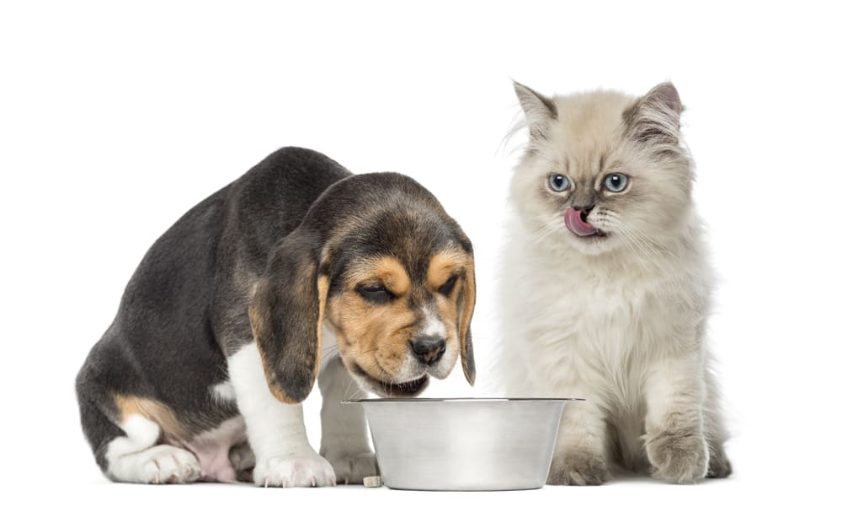
Feeding pets safely together requires careful planning and attention. Pets have different nutritional needs and eating habits. Mixing their food or feeding in the same space can cause problems.
Following clear tips helps keep pets healthy and happy. It also reduces stress and fights during meal times.
Separate Feeding Areas
Use different spots for each pet’s meals. This stops dogs and cats from eating each other’s food. Separate areas help pets feel secure while eating. It also prevents food guarding and fights.
Place bowls far apart, in quiet places. Ensure each pet has its own bowl. Clean bowls regularly to avoid germs and smells.
Monitoring Eating Habits
Watch your pets while they eat. Notice if one finishes too fast or steals food. Keep track of how much each pet eats daily.
Look for signs like vomiting, diarrhea, or weight changes. These may show a diet problem. Consult a vet if you see any issues.
Adjust feeding routines to fit each pet’s needs. This keeps them healthy and avoids conflicts.
Credit: www.mrnmrspet.com
Frequently Asked Questions
Is Cat Food Safe For Dogs To Eat Occasionally?
Cat food is not ideal for dogs regularly. It has higher protein and fat, which can upset a dog’s digestion if eaten often. Occasional small amounts usually do not cause harm, but it’s best to feed dogs food formulated for their needs.
What Are The Risks Of Dogs Eating Cat Food?
Eating cat food regularly can cause obesity, pancreatitis, or nutrient imbalances in dogs. Cat food is richer and can strain a dog’s organs. It may lead to digestive upset or long-term health issues if consumed frequently.
Can Cat Food Cause Allergies In Dogs?
Yes, cat food contains ingredients that may trigger allergies in dogs. Proteins or fats in cat food can cause skin irritation or digestive problems. If your dog shows signs of allergy, avoid feeding cat food and consult a vet.
How To Safely Transition A Dog From Cat Food?
Gradually replace cat food with dog-specific food over 7-10 days. Mix increasing amounts of dog food with cat food daily. This helps avoid digestive upset and ensures the dog receives balanced nutrition tailored to its needs.
Conclusion
Feeding cat food to dogs is not a good idea. Cat food has more protein and fat than dogs need. This can cause stomach problems or weight gain in dogs. Dogs need balanced food made just for them. Always choose dog food to keep your pet healthy.
Consult a vet if your dog eats cat food by mistake. Caring for your dog means giving the right food every day. Keep your furry friend happy and strong with proper nutrition.

Lily Purrington is the founder of MyKittyPicks.com, a cozy corner of the web dedicated to helping cat lovers discover the best cat products, furniture, toys, and home decor ideas.
A lifelong cat enthusiast, Lily shares trusted tips, honest product recommendations, and stylish inspiration designed to keep kitties happy and homes beautiful.
Her mission is simple: to bring together practical advice and purr-fect picks that make life better for cats and the people who love them.


