
Are you worried about your cat’s dental health? Just like people, cats need good dental care to avoid pain and costly vet visits.
But did you know that what you feed your cat can make a big difference in keeping their teeth clean and healthy? Choosing the best dental hygiene food for your cat isn’t always easy. You’ll discover simple, effective food options that help fight plaque and keep your cat’s smile bright.
Keep reading to learn how you can protect your furry friend’s teeth with the right diet—your cat will thank you!
Credit: blog.homesalive.ca
Importance Of Dental Health In Cats
Dental health in cats is more than just a clean smile. It plays a crucial role in their overall well-being and comfort. Ignoring your cat’s dental hygiene can lead to pain, infections, and even affect vital organs over time.
Common Dental Issues
Cats often suffer from problems like tartar buildup, gingivitis, and periodontal disease. These issues start small but can quickly worsen without proper care. You might notice bad breath, difficulty eating, or pawing at the mouth—signs that should never be overlooked.
Some cats develop resorptive lesions, painful spots where the tooth breaks down. Others might experience stomatitis, a severe inflammation inside the mouth. Regular dental check-ups can catch these problems early before they cause lasting damage.
Effects Of Poor Oral Hygiene
When dental care is neglected, bacteria multiply and cause infections that can spread beyond the mouth. This can lead to heart, kidney, and liver problems, putting your cat’s life at risk.
Oral pain often makes cats eat less or avoid food altogether, resulting in weight loss and weakened immunity. Think about how your own energy and mood change when your mouth hurts—your cat feels the same way, only they can’t tell you.
What steps are you taking today to protect your cat from these hidden dangers? Small changes in diet and routine can make a big difference in keeping their teeth strong and healthy.

Credit: www.amazon.com
Characteristics Of Ideal Dental Hygiene Foods
Choosing the right food for your cat’s dental health is important. Ideal dental hygiene foods help reduce plaque and tartar buildup. These foods support strong teeth and fresh breath. Understanding the key features of these foods helps in making better choices for your pet.
Texture And Crunch
Foods with a firm texture encourage chewing. Crunchy kibble scrapes the teeth gently, removing food debris. This action helps prevent plaque from forming. Soft foods do not provide this benefit. Cats need foods that make them chew more to clean their teeth naturally.
Ingredients That Promote Oral Health
Look for foods with natural ingredients that fight bacteria. Some foods include enzymes that break down plaque. Ingredients like seaweed and certain herbs support gum health. Vitamins such as vitamin C and E strengthen gums. These components help maintain overall oral hygiene.
Avoiding Harmful Additives
Steer clear of foods with high sugar content. Sugar feeds harmful bacteria in the mouth. Artificial colors and preservatives can irritate gums. Avoid foods with excessive salt or chemical additives. Clean, simple ingredient lists are best for dental health.
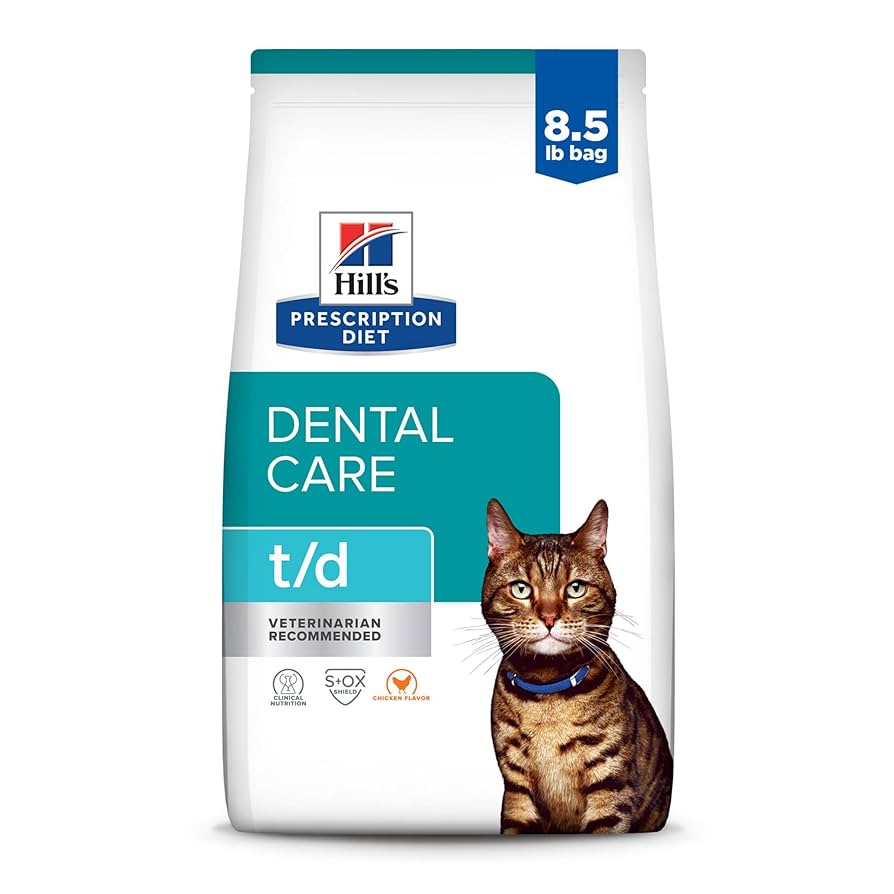
Top Dental Hygiene Cat Foods
Keeping your cat’s teeth clean is vital for their health. Certain foods help reduce plaque and tartar build-up. These foods support fresh breath and healthy gums. Choosing the right type of food makes dental care easier.
Some foods are specially designed to clean teeth while cats eat. Others have ingredients that promote oral health naturally. Below are the best options to consider for your cat’s dental hygiene.
Dry Kibble Options
Dry kibble helps scrape off plaque as cats chew. The crunchy texture acts like a toothbrush. Some dry foods include special fibers to improve cleaning.
- Look for kibble shaped to encourage chewing.
- Foods with added enzymes help break down tartar.
- Low sugar content prevents bacteria growth in the mouth.
Regular feeding of dry kibble supports daily dental care. It also helps keep your cat’s teeth strong and clean.
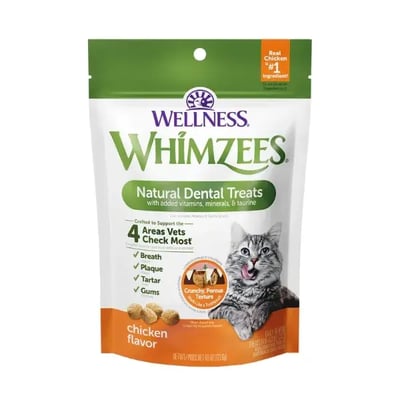
Specialty Dental Treats
Dental treats are made to fight plaque and freshen breath. They often contain ingredients that reduce bacteria in the mouth. Treats provide extra care between meals.
- Choose treats with dental active ingredients like chlorhexidine.
- Look for treats with a texture that cleans teeth.
- Limit treat quantity to avoid overfeeding.
Daily use of dental treats can improve oral health effectively. They are easy to give and liked by most cats.
Raw And Natural Alternatives
Raw diets can help maintain natural dental health. Chewing raw meat and bones may reduce plaque build-up. Natural foods avoid artificial additives that harm oral health.
- Offer raw meaty bones safe for cats to chew.
- Include fresh vegetables that support gum health.
- Consult a vet before switching to a raw diet.
Raw and natural foods encourage strong teeth and healthy gums. They provide nutrients that processed foods may lack.

Credit: www.petfoodprocessing.net
Homemade Dental Treats For Cats
Homemade dental treats provide a natural way to keep your cat’s teeth clean. These treats can help reduce plaque and freshen breath. Making treats at home lets you control ingredients and avoid harmful additives. Cats enjoy tasty snacks that are good for their dental health. Simple recipes and safe ingredients create effective treats your cat will love.
Simple Recipes
Try mixing canned pumpkin with whole wheat flour to form a dough. Roll the dough into small balls and bake at 300°F for 15 minutes. Another easy recipe uses cooked chicken, mashed sweet potato, and oat flour. Shape into bite-sized pieces and bake until firm. These recipes need minimal ingredients and little time to prepare.
Safe Ingredients
- Chicken or turkey (cooked, no seasoning)
- Plain pumpkin (no spices)
- Oat flour or whole wheat flour
- Sweet potato (cooked and mashed)
- Parsley (small amounts for fresh breath)
Avoid onions, garlic, salt, sugar, and artificial sweeteners. These can harm your cat. Use fresh, natural foods to keep treats healthy and safe.
Feeding Tips
- Offer treats in small amounts to prevent overeating
- Use treats as rewards during training or playtime
- Monitor your cat’s reaction to new treats
- Keep treats dry and store in airtight containers
- Consult your vet before introducing new foods
Additional Tips For Maintaining Cat Oral Health
Keeping your cat’s teeth clean goes beyond just feeding them the right dental hygiene food. You need a few extra habits to ensure their mouth stays healthy and free from pain. These additional tips can make a huge difference in preventing dental issues before they start.
Regular Brushing Techniques
Brushing your cat’s teeth regularly is one of the best ways to fight plaque buildup. Use a toothbrush designed for cats or a soft-bristled children’s brush to avoid hurting their gums.
Start slowly by letting your cat sniff and lick the brush. Then, gently lift their lip and brush in small circles for about 30 seconds per session. Consistency is key—try to brush at least 3-4 times a week.
Have you noticed your cat resisting brushing? Try using a flavored toothpaste made specifically for cats to make the experience more pleasant for them.
Professional Dental Cleanings
Even with regular brushing, some plaque and tartar can build up over time. A professional cleaning by your vet can remove stubborn deposits and catch early signs of dental disease.
These cleanings usually require anesthesia, so talk to your vet about the risks and benefits. Scheduling cleanings once a year is a good starting point, but your cat may need it more often based on their dental health.
Think about your last vet visit—did they check your cat’s mouth thoroughly? If not, it might be time to ask for a dental exam during the next appointment.
Combining Diet With Dental Care
Feeding your cat dental-specific food helps reduce plaque but doesn’t replace brushing or cleanings. Look for foods with a texture that scrubs teeth gently as your cat chews.
Some dental diets include additives that help control bacteria and freshen breath. Pairing these foods with daily brushing creates a stronger defense against oral problems.
Have you noticed changes in your cat’s breath or chewing habits after switching foods? These clues can help you decide if the diet is working or if you need to try a different approach.
Frequently Asked Questions
What Foods Promote Dental Hygiene In Cats?
Foods with crunchy textures, like dry kibble, help reduce plaque buildup. Special dental treats also clean teeth and freshen breath.
Are There Specific Cat Foods For Dental Health?
Yes, many brands offer dental-specific cat foods. These are formulated to reduce tartar and improve oral health effectively.
Can Raw Food Improve My Cat’s Dental Hygiene?
Raw food can help by naturally cleaning teeth during chewing. However, consult your vet before switching to raw diets.
How Do Dental Treats Benefit My Cat’s Teeth?
Dental treats are designed to mechanically clean teeth and reduce plaque. They also stimulate saliva production, aiding oral hygiene.
Conclusion
Feeding cats the right dental hygiene food supports healthy teeth and gums. Crunchy textures help reduce plaque and tartar buildup naturally. Ingredients like natural fibers and enzymes boost oral care. Regular dental food, paired with brushing, keeps cats’ mouths fresh.
Choose foods designed specifically for dental health. This small change can improve your cat’s comfort and overall health. Remember, good dental care helps prevent pain and costly vet visits. Keep your cat happy with simple, effective dental nutrition every day.

Lily Purrington is the founder of MyKittyPicks.com, a cozy corner of the web dedicated to helping cat lovers discover the best cat products, furniture, toys, and home decor ideas.
A lifelong cat enthusiast, Lily shares trusted tips, honest product recommendations, and stylish inspiration designed to keep kitties happy and homes beautiful.
Her mission is simple: to bring together practical advice and purr-fect picks that make life better for cats and the people who love them.


