
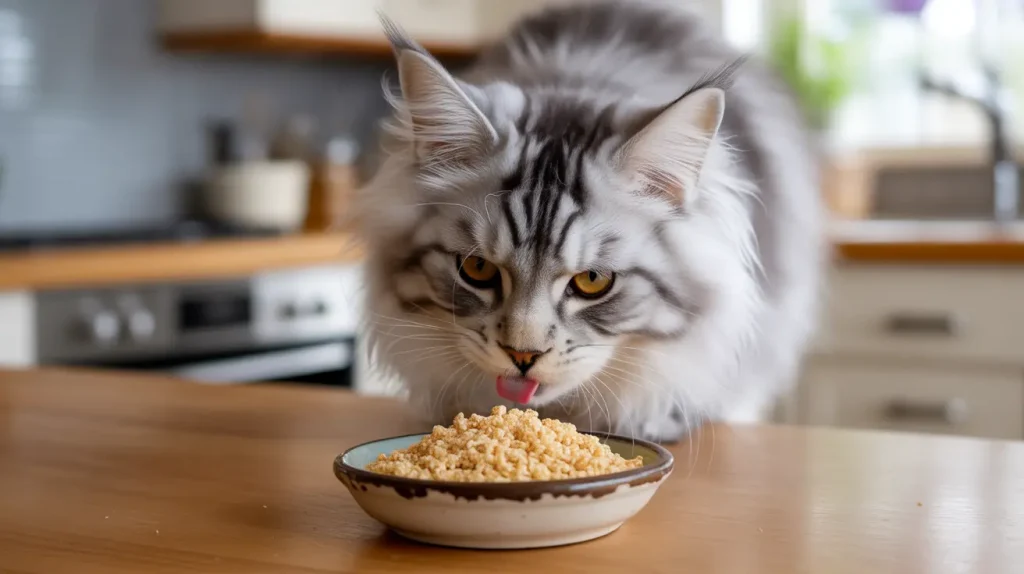
Have you ever wondered if nutritional yeast is safe for your cat? You might have seen this popular supplement sprinkled on food for its cheesy flavor and health benefits.
But when it comes to your furry friend, you want to be sure before sharing anything new. Could nutritional yeast be a healthy treat, or is it something you should avoid? Keep reading to discover what you need to know to keep your cat happy and healthy.
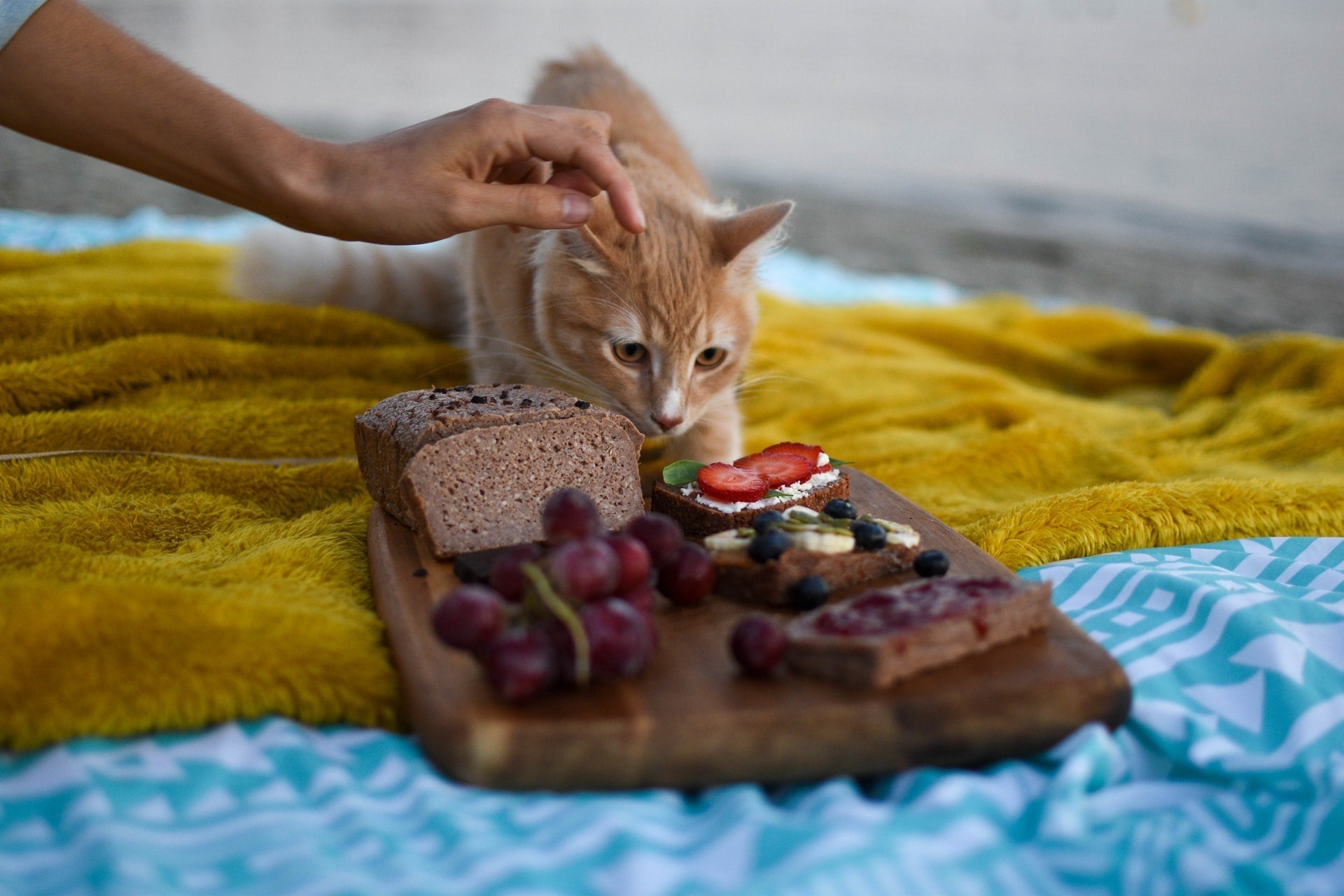
Credit: www.pethonesty.com
Nutritional Yeast Basics
Nutritional yeast is a popular ingredient among people who want to add flavor and nutrients to food. It comes from a single-celled fungus grown on sugar-rich mediums.
This yeast is inactive, so it does not cause dough to rise like baking yeast. It has a cheesy and nutty taste, making it a great addition to many dishes.
What Is Nutritional Yeast?
Nutritional yeast is made from Saccharomyces cerevisiae. It is grown, harvested, washed, and then dried with heat to kill it. The result is a yellow flaky or powdery product.
- It contains no live yeast cells.
- It is safe to eat for most people and pets in small amounts.
- It is often used as a cheese substitute in vegan recipes.
- It adds a savory flavor to foods like popcorn, pasta, and soups.
Nutritional Profile
| Nutrient | Amount per 2 tablespoons (16 grams) | Benefits |
| Protein | 8 grams | Supports muscle growth and repair |
| Fiber | 4 grams | Helps with digestion and fullness |
| Vitamin B12 | 100% Daily Value | Supports nerve function and red blood cells |
| Iron | 10% Daily Value | Important for oxygen transport in the blood |
| Folate (Vitamin B9) | 20% Daily Value | Helps with DNA formation and cell growth |
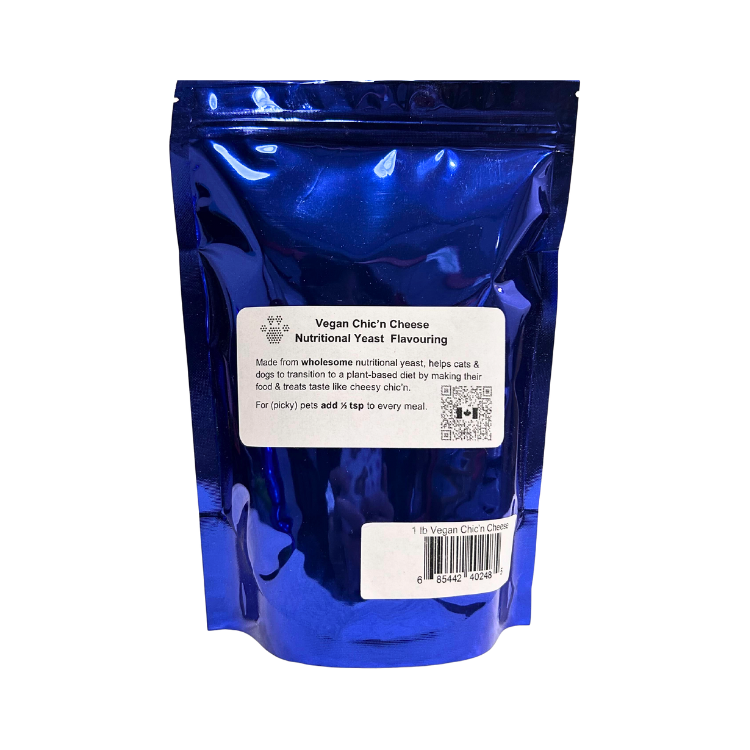
Credit: vegansupply.ca
Benefits For Cats
Nutritional yeast is a popular supplement for humans. Some cat owners wonder if it can help their pets. It contains vitamins and nutrients that may benefit cats.
Adding small amounts of nutritional yeast to a cat’s diet may support health in several ways. Always check with a vet before introducing new foods.
Boosting Immune System
Nutritional yeast has antioxidants and B vitamins. These help the immune system fight off illnesses. A strong immune system keeps cats healthy.
The beta-glucans in nutritional yeast can activate immune cells. This helps cats resist infections and recover faster.
Improving Coat And Skin
Vitamins like B-complex and zinc in nutritional yeast support healthy skin. They help reduce dryness and itching in cats.
These nutrients also promote a shiny, soft coat. A good coat shows that a cat is well-nourished and cared for.
- Reduces skin irritation
- Helps with dandruff
- Boosts fur growth and shine
Supporting Digestion
Nutritional yeast is rich in fiber. Fiber helps keep a cat's digestive system working well. It prevents constipation and supports gut health.
The nutrients in nutritional yeast also promote healthy gut bacteria. Good bacteria aid digestion and nutrient absorption.
Potential Risks
Cats are curious creatures, and they often explore new foods. Nutritional yeast is popular among humans, but can it be safe for cats? Let’s look at some potential risks.
While nutritional yeast is often healthy for humans, it can cause issues for cats. Understanding these risks can help you make informed choices for your pet.
Allergic Reactions
Some cats can have allergic reactions to nutritional yeast. These reactions might include itching or skin rashes. It’s important to watch for signs of allergies.
If your cat shows signs of an allergy, stop feeding it nutritional yeast. Consult your veterinarian for further advice and alternatives.
Digestive Issues
Nutritional yeast can sometimes cause digestive problems in cats. Cats have sensitive stomachs, and new foods can upset them.
Signs of digestive issues include vomiting or diarrhea. If these occur, it’s best to avoid giving nutritional yeast to your cat.
Overconsumption Concerns
Overeating nutritional yeast can lead to health problems for cats. It’s important to offer it in moderation, if at all.
Too much nutritional yeast can lead to weight gain or nutritional imbalances. Always keep portions small and infrequent.
- Monitor your cat’s reaction to new foods
- Consult with a vet before introducing new dietary items
- Use nutritional yeast sparingly, if you choose to give it
Safe Feeding Guidelines
Cats are curious creatures and love to try new foods. Nutritional yeast is one such food that can be a healthy treat for them. It is important to follow safe feeding guidelines to ensure your cat’s health.
Nutritional yeast is rich in B vitamins and can support your cat’s diet. However, it should be given in moderation.
Recommended Serving Size
It’s important to give cats the right amount of nutritional yeast. A small amount is usually enough for them to enjoy the benefits.
- Start with a pinch sprinkled over their food.
- For larger cats, use no more than half a teaspoon.
- Adjust based on your cat’s size and weight.
How To Introduce Nutritional Yeast
Introducing nutritional yeast to your cat’s diet should be done gradually. This helps to prevent any digestive issues.
Watch your cat’s reaction to the new taste. Some may love it, while others might need more time to adjust.
- Mix a small amount with their usual food.
- Observe your cat for any signs of discomfort.
- Increase the amount slowly over a few days.
Frequency Of Use
Nutritional yeast should not be a daily addition to your cat’s diet. It is best used as an occasional treat.
Feeding it too often can lead to imbalances in their diet. Aim for moderation to keep your cat healthy.
- Offer it once or twice a week.
- Use it as a reward for good behavior.
- Avoid making it a staple in their diet.
Choosing The Right Product
Nutritional yeast can be a healthy treat for cats if chosen carefully. Not all products are safe or suitable for your pet.
Picking the right nutritional yeast helps avoid health problems and gives your cat the best benefits.
Organic Vs. Non-organic
Organic nutritional yeast is made without pesticides or harmful chemicals. It is cleaner and safer for cats.
Non-organic yeast may contain residues from growing or processing. These can upset your cat’s stomach.
- Choose organic for fewer chemicals
- Check labels to confirm organic certification
- Organic yeast is often fresher and more natural
Avoiding Additives
Some nutritional yeasts have added flavors, colors, or preservatives. These additives can harm cats.
Choose plain nutritional yeast without any additives or artificial ingredients.
- Read the ingredient list carefully
- Avoid yeast with added salt or sugar
- Steer clear of artificial colors and flavors
Trusted Brands
Pick brands known for quality and safety in pet nutrition. Trusted brands test their products well.
Look for brands with good reviews from pet owners and vets.
- Check for brands specializing in pet supplements
- Look for clear labeling and ingredient transparency
- Choose products with quality assurance seals
Signs Of Adverse Effects
Feeding cats nutritional yeast can sometimes cause problems. It is important to watch for signs of adverse effects.
Early detection helps keep your cat safe and healthy. Learn what changes to look for after giving nutritional yeast.
Behavioral Changes
Behavioral changes can show that your cat is not feeling well. Cats may act differently after eating nutritional yeast.
Watch for unusual signs such as increased hiding, restlessness, or aggression. Cats might also lose interest in play or food.
- Hiding more than usual
- Being restless or agitated
- Showing aggression or irritability
- Losing interest in toys or food
Physical Symptoms
Physical symptoms can tell you if nutritional yeast is harming your cat. Look for changes in their body or health.
Common signs include vomiting, diarrhea, or itching. Your cat may also have swelling or difficulty breathing in severe cases.
- Vomiting or nausea
- Diarrhea or upset stomach
- Itching or skin redness
- Swelling of face or paws
- Difficulty breathing or coughing
When To Consult A Vet
Seek veterinary help if you notice worrying signs after feeding nutritional yeast. Early care can prevent serious problems.
If your cat vomits repeatedly, has trouble breathing, or shows severe behavior changes, contact a vet right away.
- Repeated vomiting or diarrhea
- Labored or fast breathing
- Severe swelling or hives
- Sudden and strong behavior changes
- Loss of consciousness or weakness
Alternatives To Nutritional Yeast
Many cat owners wonder if there are safe alternatives to nutritional yeast. Cats need balanced nutrition to stay healthy. Some other options can provide similar benefits.
These alternatives include supplements and natural foods. They can add vitamins and nutrients to your cat’s diet.
Other Supplements For Cats
Some supplements offer the nutrients found in nutritional yeast. They help support your cat’s immune system and coat health. Always use products made for cats.
- Taurine supplements support heart and eye health
- Fish oil adds omega-3 fatty acids for skin and fur
- Vitamin B-complex supplements can boost energy and metabolism
- Probiotics help with digestion and gut health
Talk to your vet before starting any new supplement. They can guide you on safe doses and types.
Natural Food Sources
Some natural foods provide key nutrients cats need. These foods can be added to meals in small amounts. They are often rich in vitamins and minerals.
- Cooked chicken and turkey offer protein and B vitamins
- Eggs provide essential amino acids and vitamins
- Small amounts of cooked fish supply omega-3 fatty acids
- Pumpkin supports digestion with fiber and vitamins
Always avoid toxic foods like onions, garlic, or raw fish. Ensure the food is plain and cooked without seasoning.

Credit: cattime.com
Frequently Asked Questions
Can Cats Safely Eat Nutritional Yeast?
Yes, cats can eat nutritional yeast in small amounts. It is generally safe and non-toxic but should be given as a treat, not a regular food source.
What Are The Benefits Of Nutritional Yeast For Cats?
Nutritional yeast may provide B vitamins and protein to cats. It supports their immune system and skin health when used moderately.
Are There Any Risks Feeding Cats Nutritional Yeast?
Feeding large amounts can cause digestive upset or allergies. Always introduce nutritional yeast gradually and monitor your cat’s reaction.
How Much Nutritional Yeast Can Cats Consume?
A small pinch or less is enough for a cat. Overfeeding can lead to stomach issues or nutrient imbalances.
Conclusion
Cats can eat nutritional yeast in small amounts safely. It provides vitamins that may benefit their health. Too much yeast might cause stomach upset or allergies. Always introduce new foods slowly and watch for reactions. Consult your vet before adding anything new to your cat’s diet.
Nutritional yeast is not a must-have but can be a tasty treat. Keep your cat’s meals balanced with proper nutrition. Healthy cats are happy cats. Simple care goes a long way.

Lily Purrington is the founder of MyKittyPicks.com, a cozy corner of the web dedicated to helping cat lovers discover the best cat products, furniture, toys, and home decor ideas.
A lifelong cat enthusiast, Lily shares trusted tips, honest product recommendations, and stylish inspiration designed to keep kitties happy and homes beautiful.
Her mission is simple: to bring together practical advice and purr-fect picks that make life better for cats and the people who love them.


