
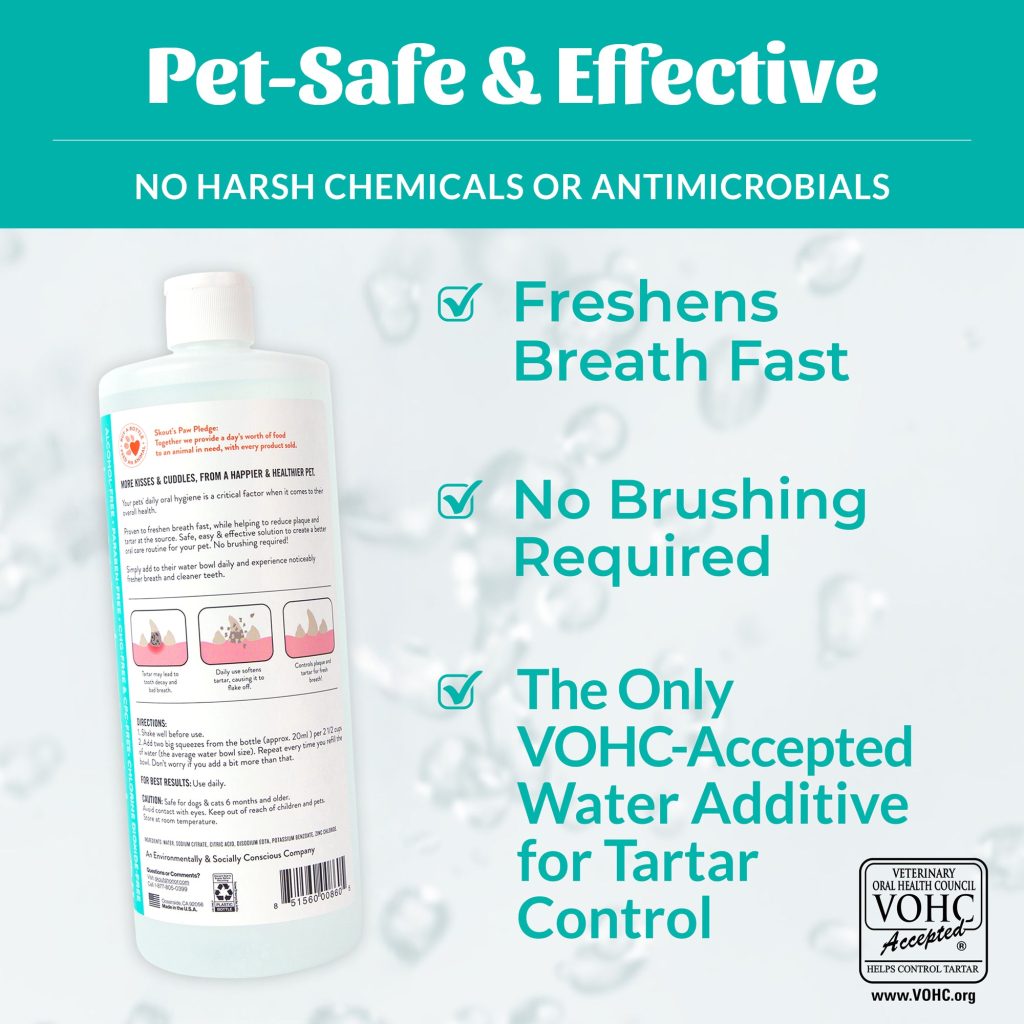
If you’re a cat owner, you know how important it is to keep your furry friend healthy. But have you ever wondered if a cat oral hygiene solution really works?
You want the best for your pet, especially when it comes to their teeth and gums. Bad breath, plaque, and gum disease can cause discomfort and lead to bigger health problems. You’ll discover how these solutions work, what to look for, and whether they’re worth your time and money.
Keep reading to find out how you can protect your cat’s smile and improve their overall well-being.
Cat Oral Hygiene Basics
Maintaining your cat’s oral hygiene is more important than many pet owners realize. Healthy teeth and gums can prevent painful conditions and improve your cat’s overall well-being. Understanding the basics of cat oral hygiene can help you spot problems early and keep your furry friend comfortable.
Common Dental Issues In Cats
Dental problems in cats are quite common and often go unnoticed until they cause serious discomfort. Issues like tartar buildup, gingivitis, and tooth resorption can develop silently. You might notice bad breath, difficulty eating, or pawing at the mouth as signs something is wrong.
Did you know that almost 70% of cats over three years old show signs of dental disease? This makes it essential to regularly check your cat’s mouth and visit the vet for dental exams.
Importance Of Oral Care
Regular oral care can prevent many dental diseases and save you from costly treatments. Brushing your cat’s teeth, using oral hygiene solutions, or providing dental treats can reduce plaque and keep gums healthy.
Think about how often you brush your own teeth. Your cat needs similar care to avoid bacteria buildup that can affect not just their mouth but also their heart and kidneys. Have you noticed how much happier and active your cat is after a dental cleaning? That’s the difference good oral care makes.
Types Of Oral Hygiene Solutions
Oral hygiene solutions for cats come in various forms. These products help reduce plaque, freshen breath, and protect gums. Choosing the right type depends on your cat’s needs and preferences. Some cats tolerate liquids better, while others prefer gels or wipes. Understanding these types can guide you in picking the best solution.
Ingredients To Look For
Effective oral hygiene solutions contain safe, gentle ingredients. Look for natural antimicrobials that fight bacteria. Some common ingredients include:
- Chlorhexidine: Kills harmful bacteria and reduces plaque.
- Enzymes: Break down food debris and plaque buildup.
- Essential oils: Provide natural antibacterial effects and fresh breath.
- Aloe vera: Soothes gums and reduces inflammation.
- Vitamin C and E: Support gum health and healing.
Avoid harsh chemicals or alcohol, which can irritate your cat’s mouth.
Popular Products On The Market
Many brands offer cat oral hygiene solutions. They vary by form and active ingredients. Some popular options include:
| Product | Form | Main Ingredients |
|---|---|---|
| Vet’s Best Water Additive | Liquid Additive | Aloe, neem oil, enzymes |
| Petsmile Professional Toothpaste | Toothpaste | Enzymes, fluoride-free formula |
| Oxyfresh Pet Dental Gel | Gel | Chlorine dioxide, aloe vera |
| Vet’s Best Dental Wipes | Wipes | Neem oil, aloe vera |
Each product suits different cats. Some prefer adding to water; others accept brushing or wiping.
How Oral Hygiene Solutions Work
Oral hygiene solutions for cats help keep their teeth and gums healthy. These products fight bacteria and reduce plaque buildup. They support fresh breath and lower the risk of dental diseases. Understanding how these solutions work can help pet owners use them effectively.
Mechanism Of Action
Oral hygiene solutions contain ingredients that kill harmful bacteria in the mouth. These ingredients break down plaque and prevent it from hardening into tartar. Some solutions create a protective layer on teeth to reduce bacteria growth. Others stimulate saliva production, which naturally cleans the mouth. Together, these effects help maintain cleaner teeth and healthier gums.
Application Methods
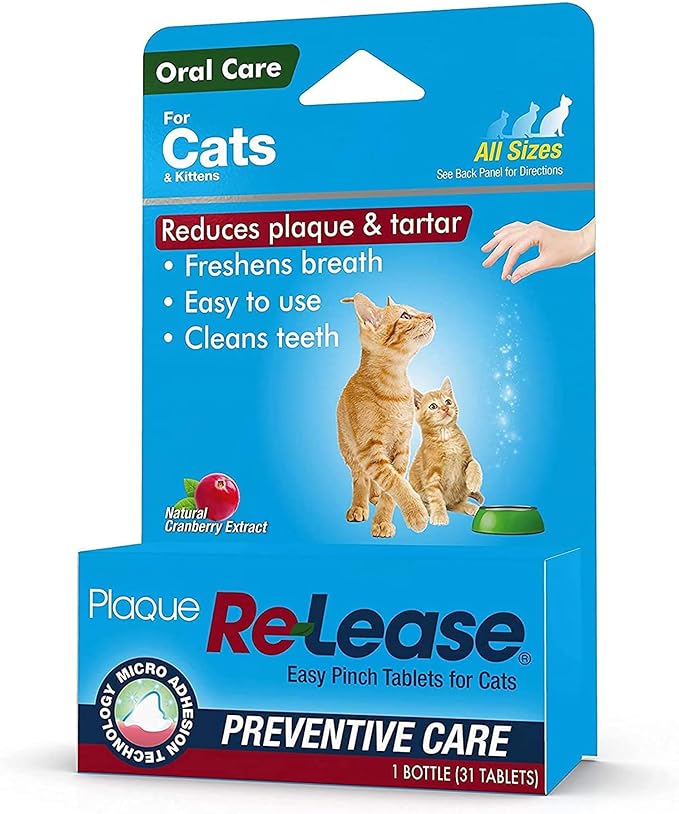
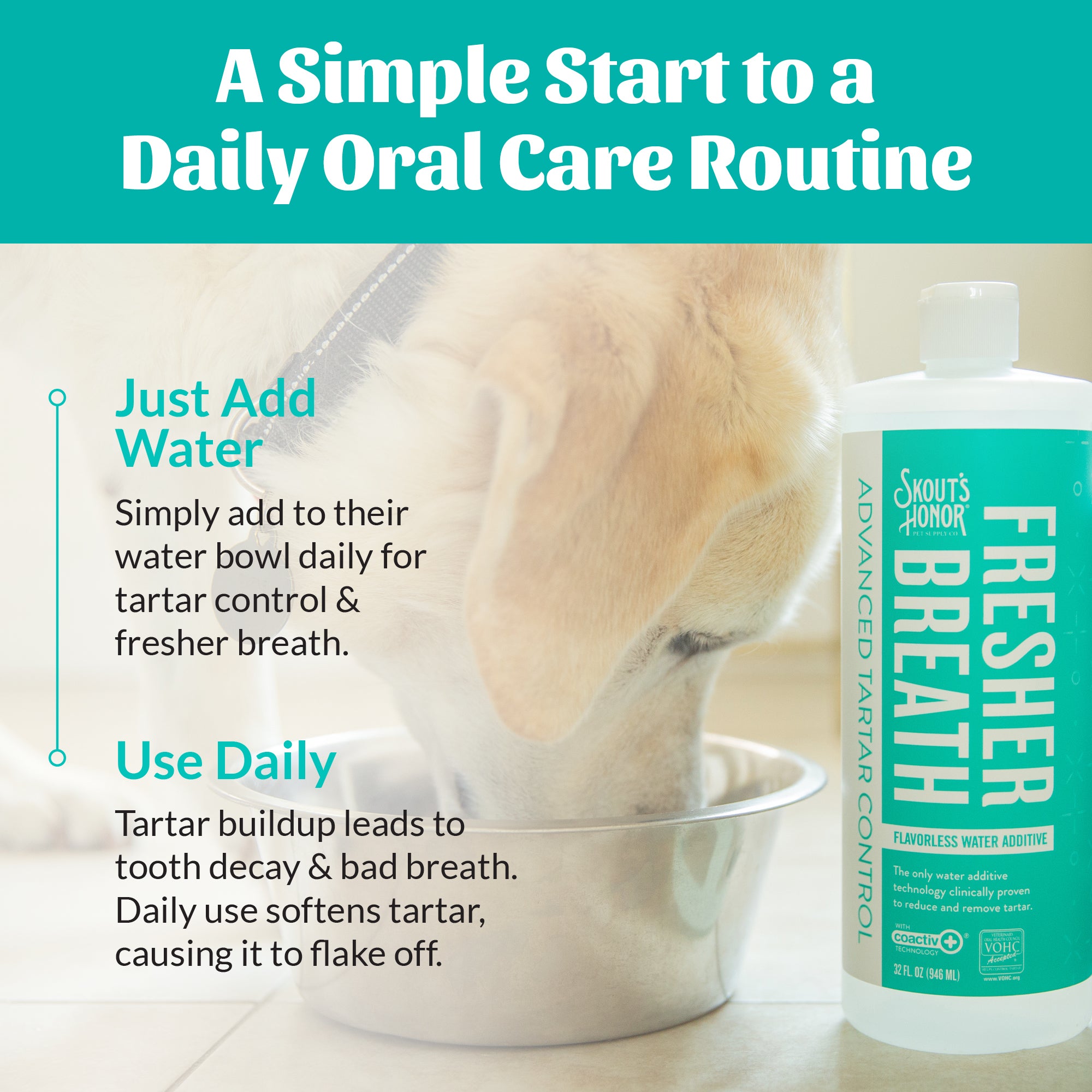
These solutions come in various forms for easy use. Some are added to drinking water, offering a simple way to treat the mouth daily. Others are sprays or gels applied directly to teeth and gums. Toothpaste designed for cats works with a soft brush to remove plaque. Choosing the right method depends on the cat’s comfort and the owner’s routine.
Credit: www.miamiherald.com
Effectiveness Of Cat Oral Hygiene Solutions
Cat oral hygiene solutions aim to reduce plaque, freshen breath, and promote gum health. These products include gels, sprays, and water additives designed for easy use. Understanding their effectiveness helps pet owners make informed choices for feline dental care.
Scientific Studies And Evidence
Several studies examine the impact of oral hygiene products on cats. Research shows these solutions can reduce bacteria in the mouth. Lower bacteria levels help prevent plaque buildup and dental diseases.
Some products contain ingredients like chlorhexidine or enzymes. These compounds have antibacterial properties proven in lab tests. Regular use may improve gum health and decrease bad breath.
However, results vary depending on product formulation and application frequency. Not all solutions have equal scientific backing. Consulting a veterinarian ensures the best choice for your cat’s dental needs.
User Experiences And Reviews
Many cat owners report positive results using oral hygiene solutions. They notice fresher breath and less tartar over time. Cats often tolerate sprays and water additives well.
Some users find gels effective but challenging to apply consistently. Success depends on the cat’s comfort and owner’s persistence. Patience and routine are key factors in achieving good results.
Negative reviews mention limited change or dislike of taste by cats. Individual reactions differ, so trying various products may help. Sharing experiences online helps others choose wisely.
Potential Risks And Side Effects
Using a cat oral hygiene solution can seem like a simple way to protect your feline friend’s dental health. However, it’s important to be aware of potential risks and side effects before introducing any new product to your cat’s routine. Understanding these concerns helps you make safer choices and avoid unwanted problems.
Allergic Reactions
Cats can be sensitive to ingredients in oral hygiene solutions. Some may develop allergic reactions, which can show up as redness, swelling, or itchiness around the mouth.
Watch out for excessive drooling or pawing at the face after applying the solution. These signs indicate discomfort and should prompt you to stop use immediately.
If your cat has a history of allergies, consult your vet before trying any new dental product. You want to avoid a situation where a simple cleaning causes more harm than good.
Incorrect Usage Concerns
Applying the solution incorrectly can reduce its effectiveness or even cause harm. Using too much product or applying it too often may irritate your cat’s gums and mouth.
Some owners accidentally let their cats swallow large amounts, which can lead to stomach upset or vomiting. Always follow the recommended dosage and application instructions carefully.
Could skipping a proper introduction or rushing the process stress your cat? Taking it slow and making the experience positive is key to safe and successful oral care.

Credit: www.amazon.com
Alternatives To Oral Hygiene Solutions
If you’re questioning whether cat oral hygiene solutions truly work, it’s good to know there are other ways to keep your feline friend’s teeth healthy. Sometimes, these alternatives can be more effective or easier to manage depending on your cat’s preferences and your routine. Let’s look at some practical options that can help maintain your cat’s oral health without relying solely on those solutions.
Regular Brushing
Brushing your cat’s teeth regularly is one of the most reliable ways to prevent dental issues. It might sound challenging, but many cats get used to it with patience and gentle handling. Start slowly by letting your cat sniff the toothbrush and toothpaste made specifically for cats.
Consistency is key. Aim to brush at least a few times a week to reduce plaque buildup and keep gums healthy. If your cat resists, try shorter sessions and reward them with a favorite treat afterward—this builds positive association.
Diet And Treats
What your cat eats plays a big role in their oral health. Dry kibble can help scrape off plaque better than wet food, but not all dry foods are created equal. Look for dental-specific diets or treats designed to reduce tartar and freshen breath.
Some treats have enzymes that target bacteria in the mouth, supporting cleaner teeth. Have you noticed your cat’s breath after giving certain treats? That’s a good sign they’re doing their job.
Professional Dental Care
Even with great home care, professional dental check-ups are essential. Vets can spot hidden problems and perform cleanings that you simply can’t do at home. Scheduling regular dental exams can prevent small issues from turning into painful or expensive problems.
Think about it like a tune-up for your cat’s mouth. How often have you delayed a vet visit, only to wish you hadn’t? Staying on top of professional care ensures your cat’s smile stays bright and pain-free.
Tips For Maintaining Cat Oral Health
Maintaining your cat’s oral health is important for their overall well-being. Good oral care helps prevent bad breath, tooth decay, and gum disease. Simple daily habits can make a big difference. Regular checks and timely vet visits keep problems away.
Daily Care Practices
- Brush your cat’s teeth gently with a soft brush.
- Use toothpaste made specially for cats, never human toothpaste.
- Offer dental treats or toys to reduce plaque buildup.
- Provide a balanced diet that supports dental health.
- Check your cat’s mouth regularly for redness or swelling.
When To See A Vet
- Look for signs like bad breath or drooling.
- Watch for difficulty eating or pawing at the mouth.
- Check for loose or broken teeth during your daily care.
- Schedule regular dental exams as advised by your vet.
- Seek immediate care if your cat shows pain or discomfort.
Credit: www.skoutshonor.com
Frequently Asked Questions
Does Cat Oral Hygiene Solution Improve Dental Health?
Cat oral hygiene solutions help reduce plaque and tartar buildup. They support healthier gums and fresher breath. Regular use can prevent dental diseases in cats. It’s a safe, effective supplement to brushing and vet care.
How Often Should I Use Cat Oral Hygiene Solution?
Use the oral hygiene solution daily or as directed by the product. Consistent use ensures optimal dental benefits. Consult your vet for the best frequency based on your cat’s needs.
Can Cat Oral Hygiene Solution Replace Teeth Brushing?
No, it cannot replace brushing entirely. Oral solutions complement brushing by reaching areas brushing misses. Combining both provides the best dental care for your cat.
Are Cat Oral Hygiene Solutions Safe For All Cats?
Yes, most solutions are safe for all cats. Always check ingredients for allergies or sensitivities. Consult your vet before starting any new dental product.
Conclusion
Cat oral hygiene solutions can help keep your pet’s teeth clean. They reduce bad breath and fight plaque build-up. Many cat owners see better dental health after using them. Consistent use is key for good results. Remember to combine these solutions with regular vet visits.
Healthy teeth mean a happier, healthier cat. Try it and watch your cat’s smile improve. Small steps lead to big benefits. Good oral care is simple and worth the effort.

Lily Purrington is the founder of MyKittyPicks.com, a cozy corner of the web dedicated to helping cat lovers discover the best cat products, furniture, toys, and home decor ideas.
A lifelong cat enthusiast, Lily shares trusted tips, honest product recommendations, and stylish inspiration designed to keep kitties happy and homes beautiful.
Her mission is simple: to bring together practical advice and purr-fect picks that make life better for cats and the people who love them.


