
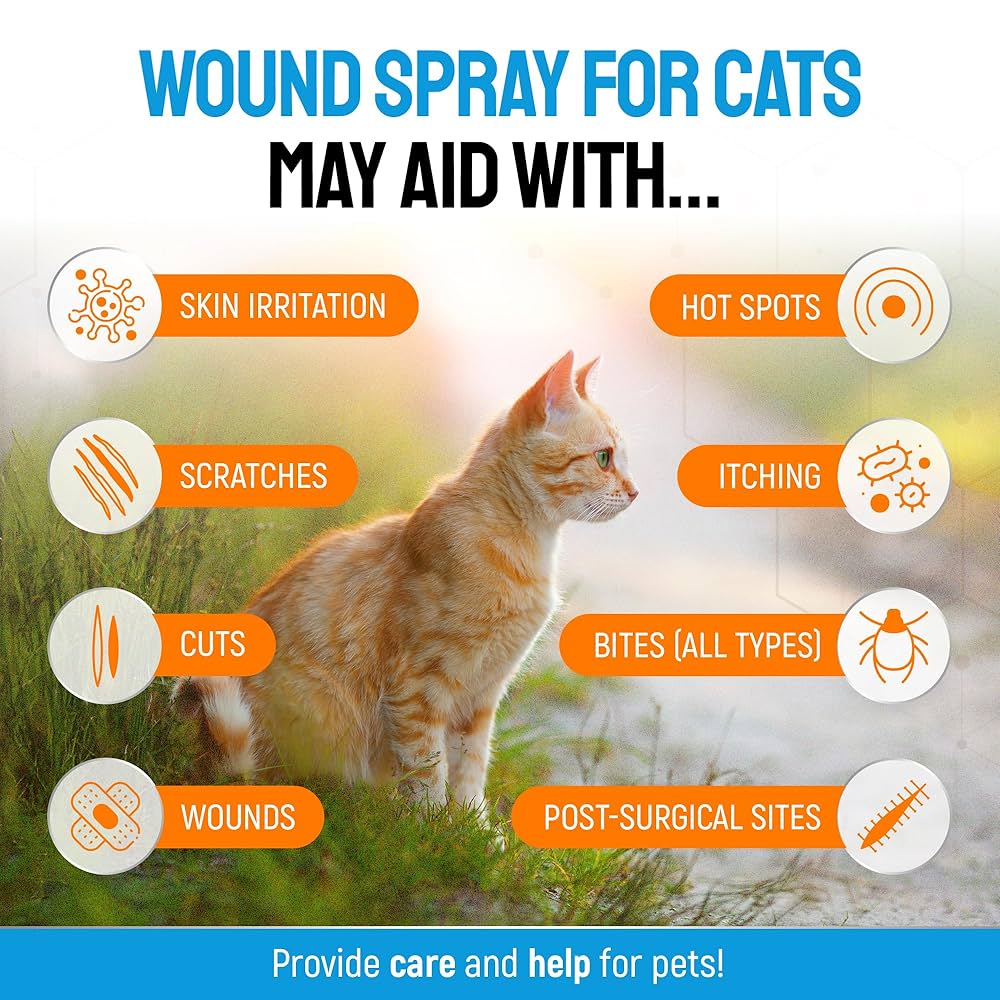
Caring for a wound on your cat can be a daunting task, but it’s one you can handle with the right guidance. Your feline friend depends on you for comfort and healing, and knowing exactly what steps to take can make all the difference in their recovery.
You might feel a mix of concern and uncertainty, but imagine the peace of mind that comes with knowing you’re doing the best for your cat. We’ll walk you through simple, effective methods to ensure your cat’s wound heals quickly and safely.
Stay with us, and you’ll gain the confidence and skills needed to be the hero your cat needs right now.

Credit: www.amazon.com
Identify Different Types Of Cat Wounds
Understanding the type of wound your cat has is crucial before you start any care routine. Different wounds require different approaches, and knowing what you’re dealing with helps you act quickly and correctly. Let’s explore the common types of wounds you might encounter on your cat.
Scratches And Abrasions
Scratches and abrasions are usually shallow wounds caused by rough surfaces or fights with other animals. They often look like small, red lines or scraped skin. These wounds might bleed a little but generally heal well if kept clean.
Watch out for signs of infection like swelling or pus. You can clean these wounds gently with warm water and a mild antiseptic. Do you notice your cat licking the area constantly? That can slow healing and may require a protective collar.
Bite Wounds
Bite wounds are deeper and more dangerous than scratches. They often appear as small punctures but can cause serious internal damage and infection. Cats can develop abscesses if these wounds are left untreated.
It’s important to seek veterinary help quickly with bite wounds. You might not see the full extent of the injury on the surface. Have you ever underestimated a cat bite because it looked small on the outside?
Surgical Incisions
Surgical incisions are clean cuts made by vets during operations. These wounds have precise edges and are usually closed with stitches or staples. Monitoring these incisions daily is key to spotting any signs of infection early.
Keep your cat from scratching or biting the incision site. Using an Elizabethan collar can help prevent damage. Are you checking your cat’s incision as often as recommended by your vet?
Puncture Wounds
Puncture wounds occur when a sharp object pierces the skin deeply. They might look small but can harbor bacteria deep inside. These wounds often don’t bleed much on the surface but can be very painful for your cat.
Cleaning puncture wounds at home can be tricky—veterinary assessment is usually best. You should monitor for swelling, discharge, or heat around the area. Have you ever noticed your cat hiding or acting withdrawn after an injury? This could be due to a painful puncture wound.
Initial Steps After Finding A Wound
Finding a wound on your cat can be alarming, but how you respond immediately makes a big difference. Acting calmly and quickly helps prevent infection and eases your cat’s discomfort. The first moments after discovering a wound are crucial for setting the stage for proper healing.
Assessing The Severity
Look closely at the wound to decide how serious it is. Is the bleeding heavy or just a small trickle? Are there deep cuts, punctures, or missing fur around the area?
If the wound is deep, gaping, or bleeding nonstop, it needs urgent veterinary care. Small scratches or minor cuts might be treated at home, but keep an eye on any swelling or pus, which signals infection.
Calming Your Cat
Your cat is likely scared and in pain, which can make handling difficult. Speak softly and move slowly to avoid startling them. Wrapping your cat gently in a towel can help keep them secure and reduce struggling.
Have you noticed how a calm voice can sometimes soothe your cat during stressful moments? Use this to your advantage—it can make first aid easier and safer for both of you.
Gathering First Aid Supplies
Before you start cleaning the wound, get everything you need within reach. Essentials include:
- Clean gauze or cloth
- Antiseptic solution safe for cats (like chlorhexidine)
- Disposable gloves
- Bandages or vet wrap
- Scissors and tweezers
Having these ready prevents you from leaving your cat unattended and rushing around. Preparation is key to providing effective care.
Cleaning Cat Wounds Safely
Cleaning wounds on cats requires care and attention. Proper cleaning helps prevent infection and speeds healing. Use gentle methods to avoid causing pain or stress to your cat. Follow safe steps to clean wounds effectively.
Using Appropriate Cleaning Solutions
Choose solutions that are safe for cats. Use warm water or a saline solution to rinse the wound. Avoid strong chemicals that can irritate or harm the skin. Veterinary-approved wound cleansers work well and are gentle.
Avoiding Harmful Substances
Never use hydrogen peroxide or alcohol on cat wounds. These substances damage healthy tissue and slow healing. Avoid ointments or creams without vet advice. Some human products are toxic to cats and must be kept away.
Proper Technique For Cleaning
Wash your hands before touching the wound. Use a clean cloth or gauze to gently wipe away dirt. Dab the wound softly without rubbing hard. Rinse with saline or warm water to remove debris. Dry the area with a clean towel by patting gently.
Applying Treatments And Dressings
Applying treatments and dressings to your cat’s wound is a delicate task that requires attention and care. How you handle this step can make a big difference in how quickly your cat heals and how comfortable they feel. Let’s look at some important points to keep in mind while treating and dressing your cat’s injury.
Choosing The Right Antibiotic Ointments
Not all antibiotic ointments are safe for cats. Many products made for humans contain ingredients that can be harmful if licked or swallowed by your pet. Always use ointments specifically labeled for cats or prescribed by your vet.
Look for ointments that are gentle and free from steroids unless your vet advises otherwise. Applying a thin layer helps prevent infection without causing irritation. Have you checked if your cat shows any allergic reaction after the first application?
How To Bandage A Cat’s Wound
Bandaging your cat’s wound can be tricky because cats don’t like feeling restricted. Start by gently cleaning the wound with a saline solution before applying any ointment. Use a non-stick sterile pad to cover the wound.
- Wrap a soft gauze around the wound area without making it too tight.
- Secure the bandage with medical tape, but avoid sticking it to the fur.
- Check the bandage daily to make sure it stays clean and dry.
If your cat struggles with the bandage, consider using an Elizabethan collar to prevent them from biting or scratching the dressing. Have you noticed if your cat is more restless after bandaging? That’s normal but keep an eye on their behavior.
When To Leave The Wound Open
Sometimes, leaving the wound open to air can speed up healing, especially if it’s small and not deep. Wounds that drain or have a lot of moisture may benefit from being uncovered, which helps keep them dry and prevents bacteria buildup.
However, leaving a wound open is only safe if your cat is unlikely to lick or scratch it. If your pet has a habit of disturbing the wound, it’s better to cover it to avoid infections. Ask yourself: does your cat have the patience to let the wound breathe?
Knowing when and how to apply treatments and dressings puts you in control of your cat’s recovery. It’s about balancing protection and comfort to help your furry friend heal faster and happier.
Preventing Infection And Complications
Preventing infection and complications is key to helping your cat heal quickly and comfortably. Wounds can easily become infected if not cared for properly, leading to pain and more serious health issues. Being proactive and attentive can make all the difference in your cat’s recovery.
Signs Of Infection To Watch For
Keep a close eye on your cat’s wound for any changes that might indicate infection. Look for redness, swelling, or warmth around the area. Pus or a foul smell are clear signs that bacteria may have taken hold.
Also, notice if your cat seems more lethargic or loses appetite, which can signal that the infection is affecting their overall health. Don’t wait—contact your vet if you see these signs.
Keeping The Wound Dry And Clean
Moisture can promote bacterial growth, so keeping the wound dry is essential. Gently clean the area with a saline solution or vet-approved antiseptic, but avoid harsh chemicals that can irritate the skin.
Pat the wound dry with a clean cloth or gauze—never rub, as this can damage healing tissue. Regular cleaning helps prevent debris buildup and reduces the risk of infection.
Preventing Your Cat From Licking
Cats instinctively lick wounds, but this can introduce germs and delay healing. Use an Elizabethan collar or a soft recovery suit to stop your cat from reaching the wound.
If your cat tries to remove these, distract them with toys or treats. Have you noticed how much cats focus on wounds? It’s a challenge, but keeping them from licking is crucial for infection control.

Credit: www.amazon.com
When To Seek Veterinary Care
Knowing when to seek veterinary care is crucial for your cat’s health. Some wounds need immediate attention to avoid serious problems. Other wounds may look minor but can worsen without proper treatment. Understanding the signs that require professional care helps protect your cat and speeds healing.
Emergency Situations
Go to the vet right away if the wound:
- Is bleeding heavily and won’t stop.
- Is deep or gaping open.
- Has visible foreign objects inside.
- Shows signs of severe pain or distress.
- Comes with difficulty breathing or swelling of the face.
These are emergencies that need fast and expert care.
Persistent Or Worsening Wounds
Visit the vet if the wound:
- Does not heal after a few days.
- Becomes red, swollen, or hot to touch.
- Starts to ooze pus or smells bad.
- Makes your cat lick or bite the area constantly.
- Causes your cat to lose appetite or act tired.
These signs may mean infection or other complications.
Follow-up Visits And Care
Follow your vet’s advice for wound care and return visits. They may want to:
- Check the wound’s progress regularly.
- Change bandages or clean the wound professionally.
- Prescribe antibiotics or pain medicine if needed.
- Remove stitches or clips safely.
Proper follow-up helps your cat heal fully and prevents problems.
Promoting Faster Healing
Helping your cat’s wound heal faster isn’t just about cleaning it regularly. You can actively support your furry friend’s recovery by focusing on nutrition, comfort, and the right supplements. These elements work together to strengthen your cat’s body and speed up the healing process.
Nutrition And Hydration Tips
Your cat’s diet plays a huge role in how quickly wounds heal. Make sure your cat gets plenty of protein, which is essential for tissue repair. Foods rich in vitamins A and C, like pumpkin or sweet potatoes, can boost the immune system.
Hydration is just as important. Dehydration slows healing, so always provide fresh water. If your cat isn’t drinking enough, try adding wet food to their diet or offering broth to encourage fluids.
Creating A Comfortable Recovery Area
Where your cat rests matters. A quiet, clean, and warm space reduces stress and prevents further injury to the wound. Soft bedding can protect the wound from rubbing or irritation.
Try to keep the area free from other pets and loud noises. Have you noticed how your cat behaves differently when they have a calm spot? That calmness can help them heal faster.
Using Supplements To Support Healing
Certain supplements can help your cat’s body repair itself more efficiently. Omega-3 fatty acids, found in fish oil, reduce inflammation and promote skin health. Zinc and vitamin E are also known to aid wound healing.
Before giving supplements, consult your vet to ensure safety and proper dosage. Have you ever seen a noticeable difference in your cat’s recovery with supplements? Many pet owners find they speed up healing when combined with good care.
Credit: www.amazon.com
Preventing Future Wounds
Preventing future wounds is key to keeping your cat healthy and safe. Small injuries can lead to infections or other problems. Creating a safe environment helps reduce risks. Monitoring your cat’s behavior and health supports early wound detection.
Safe Indoor And Outdoor Practices
Keep your cat indoors during nighttime to avoid fights with other animals. Check your yard for sharp objects or toxic plants. Use cat-safe fencing to limit access to dangerous areas. Always supervise outdoor time to prevent accidents and injuries.
Regular Grooming And Inspection
Brush your cat often to spot cuts or scratches early. Look for redness, swelling, or broken skin during grooming. Clean your cat’s paws after outdoor play to remove debris. Regular grooming reduces the chance of skin problems and infections.
Managing Aggressive Behavior
Watch for signs of aggression like hissing or growling. Give your cat a quiet space to reduce stress. Use toys for play instead of hands to avoid bites and scratches. Consult a vet or trainer if aggression causes frequent injuries.
Frequently Asked Questions
How Do I Clean A Cat’s Wound Safely?
Gently clean the wound with warm water and mild antiseptic. Avoid harsh chemicals. Use a soft cloth to prevent irritation. Pat dry carefully. Regular cleaning helps prevent infection and promotes healing.
When Should I Take My Cat To The Vet For A Wound?
Visit the vet if the wound is deep, bleeding heavily, or shows signs of infection. Also, seek help if your cat is in pain, the wound smells bad, or doesn’t heal in a few days.
Can I Use Human Ointments On My Cat’s Wound?
Avoid using human ointments unless prescribed by a vet. Some ingredients can harm cats. Use only vet-approved wound care products to ensure safety and proper healing.
How Can I Prevent My Cat From Licking Its Wound?
Use an Elizabethan collar or a recovery suit to stop licking. Licking can cause infection and delay healing. Keep the cat calm and distract it with toys or treats.
Conclusion
Caring for your cat’s wound needs patience and care. Clean the wound gently and keep it dry. Watch for signs of infection like redness or swelling. Keep your cat calm to help healing. Visit the vet if the wound looks worse or does not heal.
Small steps every day make a big difference. Your cat trusts you to keep it safe and healthy. Simple care helps wounds heal faster and keeps your cat happy.

Lily Purrington is the founder of MyKittyPicks.com, a cozy corner of the web dedicated to helping cat lovers discover the best cat products, furniture, toys, and home decor ideas.
A lifelong cat enthusiast, Lily shares trusted tips, honest product recommendations, and stylish inspiration designed to keep kitties happy and homes beautiful.
Her mission is simple: to bring together practical advice and purr-fect picks that make life better for cats and the people who love them.


