
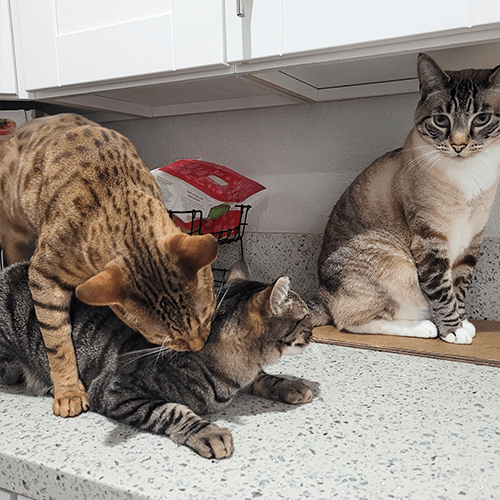
Have you ever wondered why your cats might exhibit surprising behaviors during mating? If you’ve noticed your feline friends biting each other during these times, you’re not alone.
The world of cat behavior can be puzzling, especially when it comes to mating rituals. Understanding why cats bite when mating can help you provide a more comfortable environment for them and ease any concerns you may have. Dive into this intriguing topic as we explore the reasons behind this curious behavior, ensuring you have the knowledge to keep your pets happy and healthy.
Let’s unravel the mystery together, so you can become an expert in your cat's unique world.
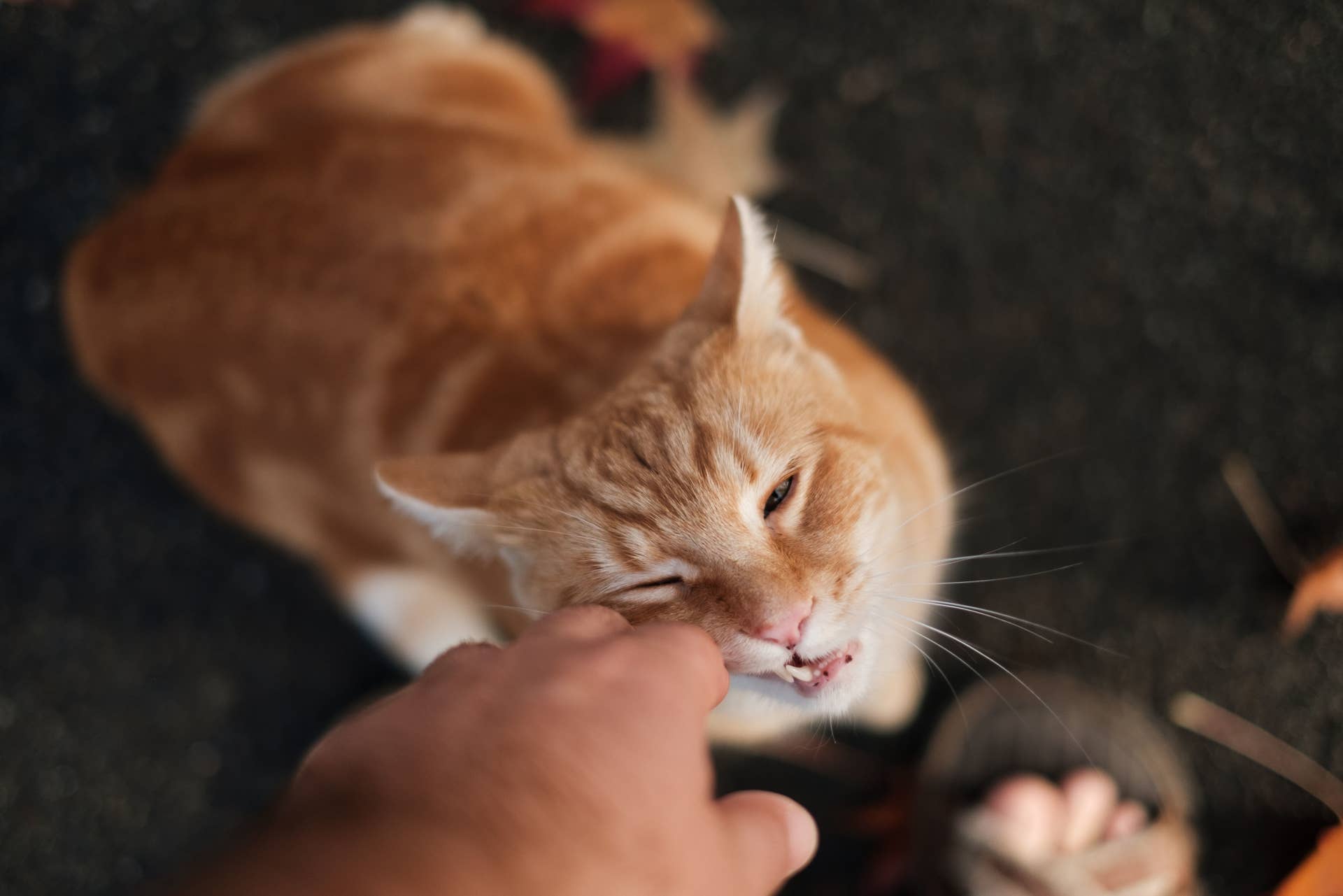
Credit: pethelpful.com
Cat Mating Behavior
Cats have unique behaviors during mating that can seem strange to humans. Their actions include biting, vocalizing, and body movements. Understanding these behaviors helps explain why cats bite when mating. This behavior is part of their natural mating process.
Typical Courtship Rituals
Male cats start by searching for a female in heat. They use strong scents to find her. Once nearby, the male cat approaches slowly to avoid scaring the female. She may respond with vocal sounds and body language. The male then follows her closely. Sometimes, the female rolls on the ground or rubs against objects. These actions signal she is ready to mate. Both cats may groom each other as a bonding act. This courtship can last several hours or even days.
Role Of Aggression In Mating
Biting during mating is a common behavior in cats. The male bites the female’s neck gently but firmly. This bite helps hold her in place during mating. It also triggers ovulation in the female. The female may hiss or scratch to show discomfort. This is normal and part of the process. Aggression is not meant to harm but to communicate readiness. It ensures the mating is successful and reproductive goals are met. This biting behavior is instinctive and necessary for reproduction.

Credit: www.reddit.com
Reason Behind Biting
Cats biting during mating might seem strange or even painful. This behavior has clear reasons tied to their natural instincts. Understanding why cats bite helps explain their unique mating rituals. Biting plays a role in communication and physical response during this time.
Bite As A Mating Signal
The male cat bites the female’s neck to signal his intentions. This bite acts as a way to hold the female in place. It helps the male stay balanced during mating. The neck bite also signals to the female that the male is ready to mate.
For the female cat, this bite is a cue to accept or reject the male. It is part of their natural courtship dance. The bite is firm but usually not meant to hurt deeply. It is a key part of feline mating communication.
Pain And Hormonal Triggers
The female cat’s body reacts strongly to the bite. The bite can cause pain, triggering a hormonal response. This response helps induce ovulation, which is necessary for fertilization.
Cats are induced ovulators. This means the physical stimulation of mating causes eggs to be released. The bite and mating process work together to trigger this hormonal change. Pain and hormones are closely linked in this natural cycle.
Though the bite may look aggressive, it plays a vital role in reproduction. It helps ensure the female’s body is ready to conceive. This natural behavior supports the survival of the species.
Female Cat’s Response
The female cat’s response to biting during mating is a natural and important behavior. It plays a role in communication between the male and female cats. The female may show different reactions based on her tolerance and feelings. Understanding this helps explain why biting happens and what it means for cat behavior.
Tolerance To Biting
Female cats develop a certain tolerance to the male’s bite. This bite is usually on the neck and is gentle enough not to cause harm. The bite helps keep the female in place during mating. Some females accept the bite calmly, while others may react more strongly. This tolerance can vary with the cat’s mood and experience.
Behavioral Changes Post-bite
After being bitten, female cats often show noticeable changes. They may become more restless or vocal. Some females might groom themselves intensely at the bite spot. Others may seek solitude or act more alert. These behaviors are part of the natural mating process and help prepare the female for the next stages.
Male Cat’s Perspective
The male cat’s behavior during mating can seem rough or confusing. Biting is a natural part of this process. It helps the male communicate and manage the female cat’s movements. This behavior is instinctive, shaped by nature to increase mating success.
Biting To Control Movement
The male cat bites the female’s neck firmly. This action helps keep the female steady. Females often become restless or try to move away. The bite acts like a gentle restraint, preventing sudden movements. It allows the male to continue mating without interruption. This control reduces the chance of injury to both cats.
Ensuring Successful Mating
Biting plays a role in stimulating the female cat. The neck bite triggers hormonal responses in the female. These responses increase the chance of ovulation. Without this stimulation, mating may not lead to pregnancy. The male’s bite is part of a natural cycle that ensures reproduction. It helps both cats complete the mating process effectively.
Comparisons With Other Animals
Understanding why cats bite during mating becomes clearer when you compare their behavior with that of other animals. This comparison highlights both shared instincts and distinct differences. It invites you to think about how nature shapes mating rituals across species.
Similar Mating Behaviors
Many animals use biting as part of their mating process. Dogs, for instance, often hold their partner gently by the neck, known as a “tie,” to maintain closeness during copulation.
Likewise, some primates bite or grasp to signal dominance or to encourage mating readiness. These actions serve to communicate and coordinate mating rather than cause harm.
You might notice that biting often helps animals stay connected physically during a vulnerable moment. It’s a natural way to ensure successful mating and protection from interruption.
Unique Traits In Cats
Cats, however, have a very specific reason for biting during mating. The male cat bites the female’s neck to hold her firmly in place. This grip helps immobilize the female, who may try to escape due to the discomfort of mating.
Unlike dogs, the cat’s bite is more intense and focused on a precise spot to trigger ovulation. This unique trait makes cat mating quite different from many other animals.
Have you ever wondered how this behavior affects the female’s experience? The bite can be painful, but it’s essential for reproduction. It shows how evolution fine-tunes behaviors to meet biological needs.
Implications For Cat Owners
Understanding why cats bite during mating helps owners care better for their pets. This behavior is natural but can be confusing or worrying. Knowing what is normal protects both cats and owners from stress and injury. Awareness helps owners provide the right environment and support during mating seasons.
Recognizing Normal Behavior
Biting during mating is a typical behavior for cats. The male cat bites the female’s neck to hold her gently. This bite is firm but usually not harmful. It helps keep the female still during mating. Female cats may hiss or try to move away, which is also normal.
Owners should watch for signs like:
- Gentle neck biting by the male
- Short bursts of biting, not continuous
- Female’s calm or mild resistance
- No open wounds or heavy bleeding
This behavior is part of their natural mating process. It rarely causes injury if the cats are healthy and calm.
When To Seek Veterinary Advice
Sometimes biting during mating can cause problems. Owners need to check the cats after mating sessions. Look for wounds, swelling, or unusual behavior.
Visit a vet if you notice:
- Deep bite marks or bleeding
- Swelling or redness on the female’s neck
- Signs of pain or distress in either cat
- Behavior changes like hiding or aggression
Veterinarians can treat injuries and check for infections. They also advise on safe breeding practices. Early care prevents serious health issues.
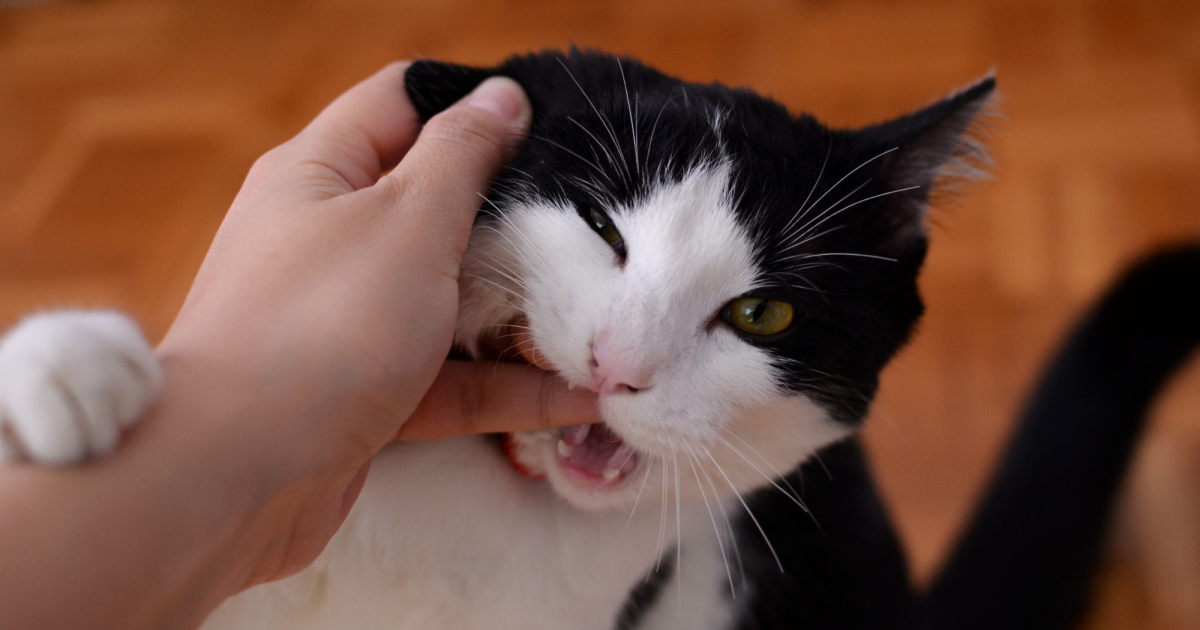
Credit: pethelpful.com
Frequently Asked Questions
Why Do Cats Bite During Mating?
Cats bite during mating to hold the female securely. This behavior helps the male maintain position and stimulate ovulation. It is a natural and instinctive act, ensuring successful reproduction.
Is Biting Normal Behavior In Cat Mating?
Yes, biting is normal during cat mating. It signals dominance and triggers hormonal responses essential for reproduction. The female tolerates it as part of the mating process.
Does Cat Biting Hurt The Female?
Yes, the bite can cause mild pain. However, females usually tolerate it due to hormonal changes. The bite helps stimulate ovulation, which is vital for fertilization.
How Long Does The Biting Last In Mating?
The biting typically lasts only a few seconds to a minute. It happens during the male’s grip before and during mating. This brief bite is enough to stimulate the female.
Conclusion
Cats bite during mating as a natural behavior. The bite helps the male hold the female gently. It also triggers her to go into heat. This act is part of their mating ritual. Understanding this can reduce worry for cat owners.
Remember, it is normal and not a sign of aggression. Watching these behaviors helps you learn more about cats. Each bite has a purpose in their natural world. Observing calmly lets cats feel safe and secure. This knowledge helps you care better for your pets.

Lily Purrington is the founder of MyKittyPicks.com, a cozy corner of the web dedicated to helping cat lovers discover the best cat products, furniture, toys, and home decor ideas.
A lifelong cat enthusiast, Lily shares trusted tips, honest product recommendations, and stylish inspiration designed to keep kitties happy and homes beautiful.
Her mission is simple: to bring together practical advice and purr-fect picks that make life better for cats and the people who love them.


