
If your cat has a wound, you know how hard it can be to keep them from licking it. While it might seem like a natural way for your cat to clean the injury, licking can actually slow healing and cause infections.
You want your furry friend to get better as quickly and safely as possible. But how do you stop your cat from licking without stressing them out? You’ll discover simple and effective ways to protect your cat’s wound and help them heal faster.
Keep reading to learn the best tips that you can start using right away.
Reasons Cats Lick Wounds
Cats often lick their wounds after injury. This behavior is natural and can help in some cases.
Understanding why cats lick wounds helps owners prevent problems. It is important to know both good and bad effects.
Natural Healing Instincts
Cats lick wounds because their bodies try to heal naturally. Saliva contains enzymes that fight bacteria.
Licking cleans the wound by removing dirt and dead skin. This helps the skin heal faster and stay healthy.
Possible Risks Of Excessive Licking
Too much licking can cause more harm than good. It may irritate the wound and delay healing.
Excessive licking can also cause infections and open sores. Some cats may even make the wound worse by biting.
- Skin irritation and redness
- Increased risk of infection
- Wound reopening or swelling
- Hair loss around the wound

Credit: www.amazon.com
Signs Your Cat Is Over-licking
Cats may lick wounds to clean them. Too much licking can cause problems. Watch for signs that your cat is over-licking.
Early detection helps prevent infection and slows healing. Learn the common signs to keep your cat safe.
Redness And Swelling
Redness around the wound shows irritation. Swelling means the area is inflamed. Both can get worse if your cat licks too much.
Check the wound area daily. If it looks redder or puffier, your cat may be over-licking and causing damage.
Hair Loss Around The Wound
Over-licking removes hair near the wound. This can slow healing and increase infection risk.
- Bald spots near the wound
- Broken or patchy fur
- Shiny or raw skin
Behavioral Changes
| Behavior | What It Means |
|---|---|
| Restlessness | Your cat may feel pain or irritation |
| Excessive grooming | Sign of over-licking and discomfort |
| Hiding | Stress or pain from the wound |
| Vocalizing more | Possible pain or anxiety |
Immediate Steps To Protect The Wound
Protecting your cat’s wound quickly helps it heal well. You must stop your cat from licking the wound.
Follow these simple steps to clean and treat the wound safely at home.
Cleaning The Wound Properly
First, wash your hands to avoid infection. Use clean water to rinse the wound gently. Avoid using soap or hydrogen peroxide.
- Use a soft cloth or gauze to clean around the wound.
- Remove dirt and debris carefully.
- Dry the area gently with a clean towel.
- Keep your cat calm during cleaning.
Applying Vet-recommended Ointments
After cleaning, apply the ointment your vet suggests. This helps fight infection and speeds healing.
| Ointment Type | Purpose | Application Tips |
| Antibiotic Cream | Stops infection | Apply a thin layer once or twice daily |
| Antiseptic Gel | Kills germs | Use as directed, avoid overuse |
| Healing Ointment | Soothes skin | Apply gently to avoid irritation |
Physical Barriers To Prevent Licking
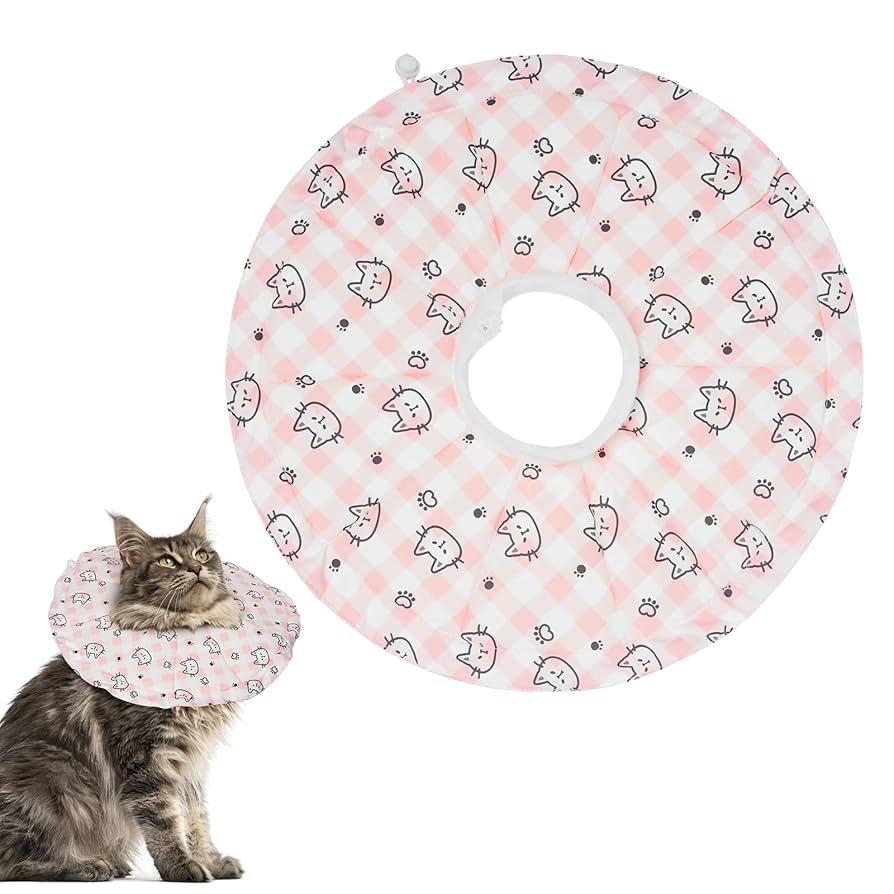
Cats often lick their wounds, which can slow healing or cause infection. Using physical barriers helps keep the wound clean and safe.
This guide covers three common barriers to stop cats from licking their wounds: Elizabethan collars, soft recovery suits, and bandaging techniques.
Using Elizabethan Collars
Elizabethan collars, also called “E-collars,” are cone-shaped devices that fit around a cat’s neck. They stop cats from reaching wounds with their tongues.
These collars are usually made of plastic and come in many sizes. They provide a strong physical barrier but may take some time for cats to get used to.
Soft Recovery Suits
Soft recovery suits are clothes designed to cover wounds gently. They let cats move freely while stopping licking.
- Made from soft, stretchable fabric
- Cover the wound without tight pressure
- Washable and reusable
- More comfortable than hard collars
These suits work well for wounds on the body but not on the head or legs.
Bandaging Techniques
Bandages protect wounds directly and can stop licking if applied correctly. They need to be secure but not too tight.
| Bandage Type | Use | Advantages |
| Gauze Pad | Cover wound | Breathable and absorbent |
| Adhesive Tape | Hold gauze in place | Easy to apply |
| Cohesive Bandage | Wrap over tape | Sticks to itself, not fur |
Check bandages daily. Change if dirty or loose. If unsure, ask a vet to help.
Behavioral Techniques To Reduce Licking
Cats often lick wounds because it feels soothing or helps clean the area. Too much licking can cause more harm and slow healing. Using behavioral techniques can help reduce this licking habit.
These techniques focus on keeping your cat busy and calm. They help distract your cat from licking and promote better healing.
Distraction With Toys And Play
Playing with your cat can take their mind off the wound. Toys like feather wands or laser pointers can catch their attention. Regular play sessions keep them active and less focused on licking.
Try to offer new toys often. Rotate toys so your cat stays interested. Play helps reduce stress that causes licking.
- Use interactive toys like feather wands
- Schedule daily play sessions
- Offer different toys to keep interest
- Play in short, frequent bursts
Positive Reinforcement
Reward your cat when it avoids licking. Use treats or gentle praise to encourage good behavior. This helps your cat learn that not licking brings rewards.
Be patient and consistent. Offer a reward right after your cat stops licking. This builds a connection between good behavior and positive outcomes.
- Give treats for calm behavior
- Use soft voice praise
- Reward immediately after no licking
- Repeat often for best results
Environmental Enrichment
Make your cat’s space fun and interesting. Adding scratching posts, climbing shelves, or cozy beds keeps them engaged. A rich environment lowers boredom and stress, which reduce licking.
Provide hiding spots and windows to watch outside. New smells or safe plants can also help. A happy cat is less likely to lick wounds excessively.
- Add scratching posts or pads
- Provide climbing shelves or perches
- Offer cozy resting areas
- Place window views for outside watching
- Introduce safe plants or new scents

Credit: www.reddit.com
When To Seek Veterinary Help
Cats often lick their wounds to clean them. But excessive licking can cause problems. When should you call a vet?
Knowing the signs can help you decide. It’s important to act quickly to ensure your cat’s health.
Signs Of Infection
Look for specific signs that show infection. These signs mean you should contact a vet.
- Redness around the wound
- Swelling or puffiness
- Pus or discharge from the wound
- Bad smell coming from the area
Persistent Licking Despite Interventions
If your cat keeps licking even after you try to stop it, there might be an issue. This behavior can worsen the wound.
| Intervention | Expected Outcome |
| Using an Elizabethan collar | Prevents licking |
| Applying bitter spray | Reduces interest in licking |
| Covering the wound with a bandage | Protects the wound |
Preventing Future Wounds
Keeping your cat safe from wounds is important for its health. A few simple steps can prevent future injuries.
By creating a safe environment and ensuring regular health checks, you can protect your furry friend from harm.
Safe Indoor Environment
A safe indoor environment reduces the risk of injuries for your cat. Focus on making your home a secure space.
- Remove sharp objects from areas where your cat plays.
- Keep windows and balconies secure to prevent falls.
- Ensure cords and wires are out of reach.
Regular Health Checks
Regular health checks are vital for early detection of potential health issues. Taking your cat to the vet helps in monitoring its overall well-being.
| Check-Up Type | Frequency |
| General Health | Annually |
| Dental Check | Every 6 months |
| Weight Monitoring | Monthly |

Credit: www.reddit.com
Frequently Asked Questions
How Can I Stop My Cat From Licking A Wound?
Use an Elizabethan collar or a soft recovery suit to block access. Keep the wound clean and monitor healing. Distraction with toys or treats helps reduce licking urges.
Why Is My Cat Licking Its Wound Excessively?
Cats lick wounds to clean and soothe pain, but excessive licking delays healing. It may indicate infection or discomfort needing vet attention.
What Home Remedies Prevent Cats From Licking Wounds?
Apply bitter apple spray or a vet-approved topical deterrent around the wound. Use clean bandages and keep the area dry to discourage licking.
When Should I See A Vet About My Cat’s Wound?
If the wound worsens, shows redness, swelling, or discharge, consult a vet immediately. Persistent licking causing injury also requires professional care.
Conclusion
Preventing your cat from licking wounds helps speed up healing. Use collars or bandages to keep the area safe. Keep the wound clean and watch for signs of infection. Distract your cat with toys or treats to reduce licking. Stay patient and gentle during the healing process.
Taking these steps protects your cat’s health and comfort. Your care makes a big difference in recovery. Keep learning and caring for your furry friend every day.

Lily Purrington is the founder of MyKittyPicks.com, a cozy corner of the web dedicated to helping cat lovers discover the best cat products, furniture, toys, and home decor ideas.
A lifelong cat enthusiast, Lily shares trusted tips, honest product recommendations, and stylish inspiration designed to keep kitties happy and homes beautiful.
Her mission is simple: to bring together practical advice and purr-fect picks that make life better for cats and the people who love them.


