
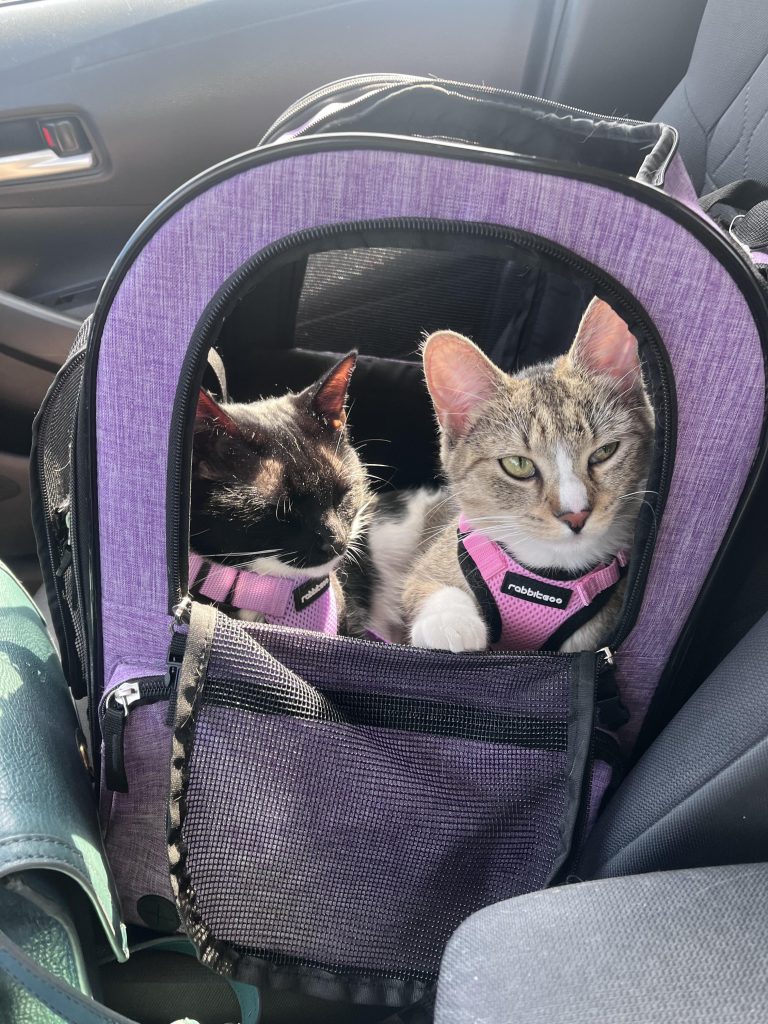
Taking your cat on a car ride can be a challenge. You might be wondering what you can do to make the experience smoother for both you and your furry friend.
Cats are creatures of habit, and traveling can be stressful for them. But don’t worry; there are ways to ease their anxiety and make the trip enjoyable. Imagine a calm, happy cat by your side as you drive. Sounds great, right?
In this blog post, you’ll discover what to give cats for car rides to ensure a peaceful journey. From comfort items to tasty treats, we’ve got you covered. Stick around to learn how to turn a potentially stressful trip into a pleasant adventure for your feline companion.
Preparing Your Cat For Travel
Traveling with your cat can be stressful without the right preparation. Preparing your cat for travel helps reduce anxiety and makes the trip smoother. Small steps before the ride can make a big difference in your cat’s comfort and safety.
Choosing The Right Carrier
Select a carrier that fits your cat comfortably. It should be large enough for your cat to turn around but snug enough to feel secure. Hard-sided carriers offer better protection, while soft-sided ones are lighter and easier to carry. Look for good ventilation and secure latches to keep your cat safe during the ride.
Familiarizing Your Cat With The Carrier
<pintroduce a="" add="" and="" area="" association.Packing Essentials
- Comfortable bedding or a soft blanket
- Small water bowl or bottle
- Favorite treats and toys
- Litter box or pads for long trips
- Leash and harness for safety outside the carrier
- Cleaning supplies for accidents
Pack these items in a handy bag for easy access. Being prepared helps keep your cat calm and comfortable during the trip.

Credit: www.reddit.com
Foods And Treats For Car Rides
Choosing the right foods and treats for your cat during car rides can make a significant difference in their comfort and behavior. Providing familiar and safe snacks helps keep your cat calm and distracted from the stress of travel. However, not all treats are suitable, especially when motion sickness or dehydration is a concern.
Safe Snacks To Bring Along
Stick to treats your cat already enjoys at home to avoid any digestive upset. Small pieces of cooked chicken, turkey, or commercial cat treats labeled as healthy options work well.
- Freeze-dried meat treats are lightweight and easy to carry.
- Soft treats can soothe your cat if they feel uneasy.
- Avoid human foods with spices, onions, or garlic.
Have you noticed how your cat responds to a particular snack during trips? Bringing those along can create a positive association with travel.
Avoiding Motion Sickness Triggers
Motion sickness can make your cat refuse food or vomit, so timing snacks is crucial. Offer small amounts of food at least a few hours before the ride, not right before you leave.
Heavy or greasy foods can worsen nausea. Instead, choose bland, easy-to-digest options like plain boiled chicken or specially formulated cat treats for sensitive stomachs.
Does your cat tend to get queasy? Experiment with different snacks and observe which ones they tolerate best during travel.
Hydration Tips
Keeping your cat hydrated is essential, especially on longer trips. Bring a portable water bowl and fresh water to offer breaks during stops.
- Some cats prefer running water, so consider a small pet water fountain if the trip is long.
- Wet cat food can also help with hydration if your cat is reluctant to drink.
- Avoid sugary or flavored drinks that can upset their stomach.
Have you tried offering water at different points in the trip? Some cats drink better when calm, so timing hydration with rest stops can help.
Calming Aids And Comfort Items
Calming aids and comfort items help cats feel safe during car rides. These tools reduce stress and make travel less scary. Cats respond well to familiar smells and soothing scents. Comfort items bring a sense of home to an unfamiliar place.
Using Calming Sprays And Pheromones
Calming sprays release synthetic pheromones that mimic a cat’s natural calming signals. Spraying the carrier or car seat before travel helps relax your cat. These sprays are safe and odorless to humans. They create a peaceful environment, lowering anxiety and restlessness.
Bringing Favorite Toys And Blankets
Favorite toys provide distraction and comfort during the ride. Soft blankets carry your cat’s scent and warmth. Placing these items in the carrier gives a feeling of security. Familiar objects help calm nerves and reduce fear. Choose toys your cat plays with often to keep them engaged.
Natural Supplements For Relaxation
Natural supplements like valerian root or chamomile can ease anxiety. These supplements come in treats or drops, making them easy to give. Always check with a vet before giving supplements. They support calm behavior without strong side effects. Use these aids alongside comfort items for best results.

Credit: www.reddit.com
During The Trip
During the trip, your cat’s comfort and safety should be your top priorities. This phase can be stressful for both you and your furry friend, but managing the environment and closely observing your cat can make a significant difference. Knowing how to react calmly and quickly will help prevent small issues from escalating.
Maintaining A Calm Environment
Keep the car quiet and avoid loud music or sudden noises that might startle your cat. Soft background sounds or your gentle voice can help soothe them. Dim the lights if possible, as bright lights can increase stress.
Use a familiar blanket or toy inside their carrier to create a sense of security. I once brought my cat’s favorite blanket on a trip, and it noticeably calmed her, preventing frantic meowing.
Limit unnecessary stops and keep the temperature comfortable. A cool, well-ventilated space makes a big difference in keeping your cat relaxed.
Monitoring Your Cat’s Behavior
Watch for signs of distress such as excessive meowing, panting, or restlessness. Cats often hide discomfort, so subtle changes like a trembling tail or wide eyes may indicate anxiety.
Check your cat periodically without opening the carrier, using a mirror or camera if needed. If you notice signs of stress, try speaking softly to reassure them or gently stroke through the carrier’s mesh.
Ask yourself: Is my cat showing signs of nausea or overheating? If so, consider pulling over safely to offer water or a break in a secure area.
Handling Emergencies
Prepare for unexpected situations by keeping a cat first-aid kit and emergency contacts handy. Include items like gauze, antiseptic wipes, and your vet’s phone number.
If your cat becomes seriously ill or injured during the trip, stay calm and find the nearest veterinary clinic immediately. Panicking can worsen the situation for both you and your cat.
Have a backup plan for shelter or help if the trip gets interrupted. Knowing what to do if your cat escapes or the carrier breaks can save precious time and stress.
Post-trip Care
After a car ride, cats need gentle care to recover from the trip. Post-trip care helps them relax and feel safe again. It also reduces their stress and keeps them healthy. Taking time to care for your cat right after travel strengthens your bond and makes future trips easier.
Helping Your Cat Unwind
Give your cat a quiet, comfy space to rest. Soft blankets and familiar toys can soothe them. Speak softly and avoid loud noises or sudden moves. Let your cat explore on their own time without pressure. Offer fresh water and a small meal if they seem hungry.
Checking For Stress Signs
Watch your cat closely for signs of stress. These include:
- Excessive grooming
- Hiding or avoiding interaction
- Loss of appetite
- Vocalizing more than usual
- Restlessness or pacing
If you see these signs, give your cat extra comfort and patience. Contact your vet if stress lasts more than a day.
Rewarding Good Behavior
Praise your cat for calm behavior during and after the trip. Use treats or gentle petting to show approval. Positive rewards help your cat associate car rides with good outcomes. Keep rewards consistent to encourage relaxed future travel.

Credit: www.reddit.com
Frequently Asked Questions
What Treats Are Safe For Cats During Car Rides?
Safe treats include small, soft, and easily digestible options. Avoid anything spicy or hard to chew. Stick to your cat’s usual treats to prevent upset stomachs during travel.
Should I Give My Cat Water On A Car Ride?
Yes, offer water during breaks to keep your cat hydrated. Avoid giving too much at once to prevent nausea. Use a spill-proof bowl for convenience and cleanliness.
Can Calming Supplements Help Cats On Car Rides?
Calming supplements like pheromone sprays or natural herbs can reduce stress. Always consult your vet before using any supplement. These aids help make car rides more comfortable and less anxious.
Is It Safe To Feed Cats Before A Car Ride?
Feed your cat a light meal 2-3 hours before traveling. Avoid heavy or rich foods to reduce motion sickness risk. A small snack can help keep your cat calm and satisfied.
Conclusion
Giving your cat the right items for car rides helps reduce stress. Bring familiar toys or blankets for comfort. Offer small treats or water in a secure way. Keep your cat safe inside a carrier during travel. Calm voices and gentle petting also soothe your pet.
These simple steps make trips easier for both of you. Enjoy peaceful rides and happy cats every time.

Lily Purrington is the founder of MyKittyPicks.com, a cozy corner of the web dedicated to helping cat lovers discover the best cat products, furniture, toys, and home decor ideas.
A lifelong cat enthusiast, Lily shares trusted tips, honest product recommendations, and stylish inspiration designed to keep kitties happy and homes beautiful.
Her mission is simple: to bring together practical advice and purr-fect picks that make life better for cats and the people who love them.


