
Have you ever wondered why your cat seems so interested in drinking from that bubbling fountain instead of their regular water bowl? Understanding how cat water fountains work can help you keep your furry friend happier and healthier.
These clever devices do more than just look cool—they encourage your cat to drink more water, which is essential for their well-being. If you want to discover the simple science behind these fountains and why they might be the best choice for your pet, keep reading.
You’ll soon see how a small change in your cat’s water routine can make a big difference.
Mechanism Of Cat Water Fountains
Understanding how cat water fountains work can help you appreciate why your feline friend might prefer them over a regular bowl. These fountains are designed to keep water fresh and appealing, encouraging your cat to drink more. Let’s break down the key components that make this possible.
Water Reservoir And Flow
The core of a cat water fountain is its water reservoir, which holds the water supply. Water is continuously circulated from this reservoir to keep it moving, which prevents stagnation and helps maintain freshness.
This constant flow mimics natural water sources, which many cats find more attractive than still water. Have you noticed how your cat reacts differently to moving water compared to a regular bowl?
Electric Pump System
At the heart of the fountain is a small electric pump. This pump pushes water from the reservoir up through the fountain, creating the flowing stream or bubbling effect.
The pump runs quietly to avoid startling your cat while ensuring a steady flow. If the pump stops working, the water becomes still, and your cat may lose interest quickly.
Filtration Components
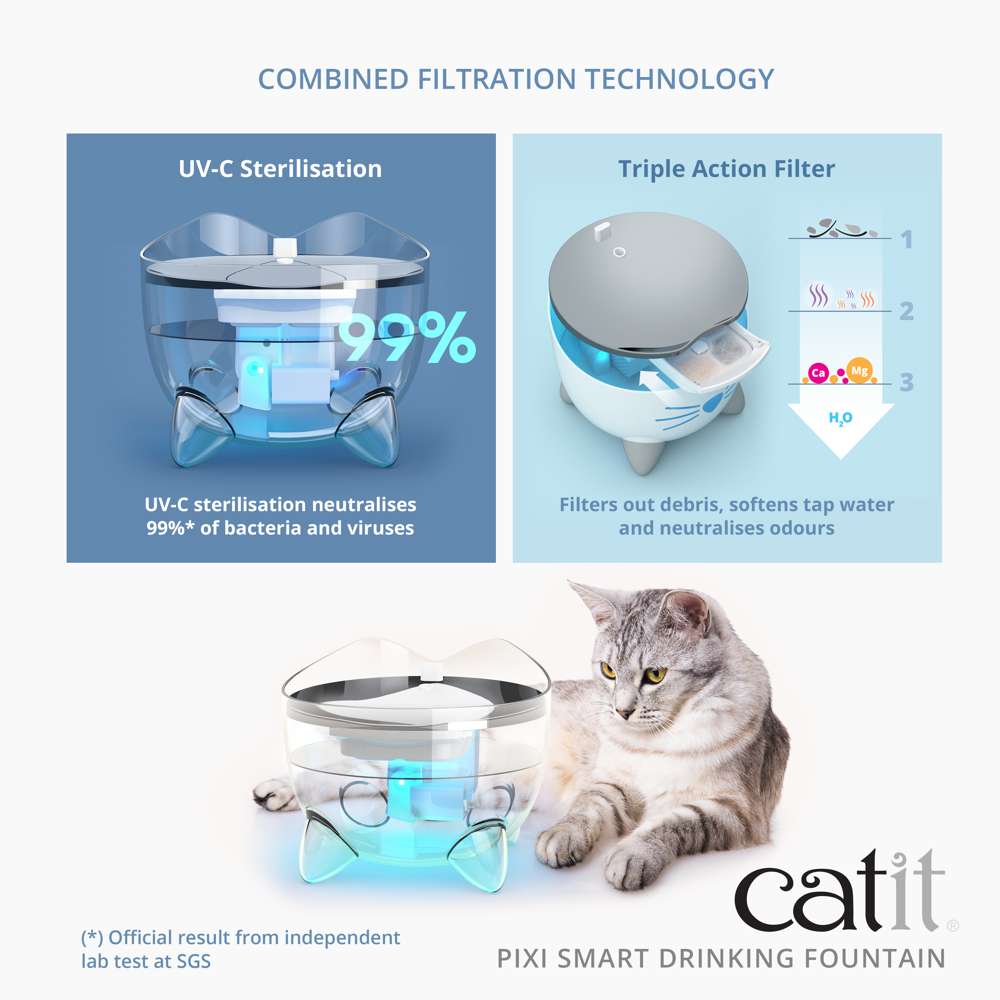
Most cat water fountains include a built-in filtration system. Filters often combine activated carbon and foam to remove impurities, odors, and debris.
Keeping the water clean is essential for your cat's health and encourages regular drinking. How often do you change your fountain’s filter? Regular maintenance is key to keeping water fresh.
Design And Material
The materials used for the fountain, like stainless steel or BPA-free plastic, affect water taste and hygiene. Smooth surfaces reduce bacterial buildup and make cleaning easier.
Design also influences how accessible the water is to your cat. Some cats prefer drinking from a gentle stream, while others like a small waterfall or bubbler.

Credit: www.chicagotribune.com
Types Of Cat Water Fountains
Cat water fountains come in different types, each working in its own way. These fountains keep water fresh and encourage cats to drink more. Understanding the types helps choose the best one for your pet’s needs.
Gravity-based Fountains
Gravity-based fountains use the natural force of gravity. Water flows from an upper reservoir to a lower bowl. As the cat drinks, water refills automatically. No electricity or batteries are needed. These fountains are quiet and simple to use. Cleaning is usually easy since they have fewer parts.
Electric-powered Fountains
Electric-powered fountains use a small pump to move water. The pump circulates water continuously, keeping it fresh and oxygenated. Many models include filters to remove dirt and hair. These fountains often have flowing water streams or cascades. The sound can attract cats and encourage drinking. They require a power source and regular cleaning of the pump.
Key Components
Understanding the key components of a cat water fountain helps you see why your pet prefers it over a regular bowl. Each part plays a crucial role in keeping the water fresh, flowing, and appealing. Let’s break down these components so you can appreciate how they work together to encourage your cat to drink more water.
Water Reservoir
The water reservoir holds the supply of water that your cat drinks from. It’s designed to store enough water so your cat has access throughout the day without constant refills.
Some reservoirs are transparent, which makes it easy to check water levels. Others come with a lid to keep debris out. Have you noticed how a full reservoir can motivate your cat to take more sips?
Pump System
The pump system is the heart of the fountain, pushing water through the device to create a steady flow. This moving water catches your cat’s attention more than still water in a bowl.
Most pumps are electric and run quietly, ensuring your cat isn’t scared away by loud noises. If the pump stops working, the water becomes stagnant, which is less appealing and unhealthy for your pet.
Filtration System
The filtration system cleans the water by removing impurities like hair, dust, and other particles. It often uses activated carbon or foam filters that trap contaminants and keep water tasting fresh.
Keeping the filter clean is essential; a clogged filter means poor water quality and may deter your cat from drinking. How often do you check your fountain’s filter? Regular maintenance can make a big difference in your cat’s hydration habits.
Benefits For Cats
Cat water fountains offer more than just a steady stream of water. They provide real benefits that can improve your cat’s health and happiness. Understanding these benefits can help you decide if a fountain is the right choice for your furry friend.
Encouraging Hydration
Cats often don’t drink enough water, especially if they eat mostly dry food. A fountain’s moving water catches their attention and entices them to drink more frequently.
I noticed my cat started drinking twice as much after I introduced a fountain. The continuous flow mimics natural water sources, which many cats find more appealing than still water in a bowl.
More hydration means better kidney function and reduced risk of urinary tract issues. Could a simple change like this prevent health problems down the road for your cat?
Improving Water Quality
Standing water can quickly become stale and collect dust, hair, or even bacteria. Fountains keep water circulating and often include filters that remove impurities and odors.
This means your cat drinks cleaner, fresher water every time. I’ve seen a noticeable reduction in my cat’s drinking hesitation once the water tasted better.
Maintaining water quality is crucial, especially for cats sensitive to taste or with health concerns. Wouldn’t you want your pet to have the purest water possible?
Maintenance Tips
Keeping your cat’s water fountain clean and well-maintained is key to ensuring your furry friend drinks fresh, healthy water every day. Regular maintenance not only extends the life of the fountain but also prevents bacterial growth and unpleasant odors. Let’s dive into some practical tips that make upkeep simple and effective.
Cleaning Procedures
Cleaning your cat’s water fountain regularly keeps the water fresh and safe. Aim to clean the fountain at least once a week to avoid slime buildup and bacteria. Use warm water and mild soap, making sure to rinse thoroughly to remove any soap residue that could deter your cat from drinking.
Focus on all parts of the fountain, including the reservoir, spout, and any small crevices where dirt can hide. If your fountain has a pump, take it apart carefully and clean it according to the manufacturer’s instructions to prevent clogging.
Have you noticed your cat drinking less? Sometimes, a dirty fountain is the reason. A quick clean can bring back their interest in hydrating properly.
Filter Replacement
Filters in cat water fountains trap hair, food particles, and impurities to keep water pure. Check the filter every two to four weeks depending on usage and replace it when it looks dirty or clogged. Using a worn-out filter can lead to stale water and may cause health issues for your cat.
Keep extra filters on hand so you can swap them out without delay. Some brands provide carbon or charcoal filters that also help reduce odors and improve taste. Paying attention to your fountain’s filter schedule ensures your cat always has access to clean, tasty water.
Have you tracked how often you change your fountain’s filter? Setting a reminder can help you stay consistent and keep your cat’s water at its best quality.
Credit: thirstycatfountains.com
Choosing The Right Fountain
Choosing the right cat water fountain can make a big difference in your cat’s hydration and overall health. A fountain that fits your cat’s needs encourages regular drinking and keeps the water fresh and inviting. But with so many options, how do you pick the best one for your furry friend?
Material Considerations
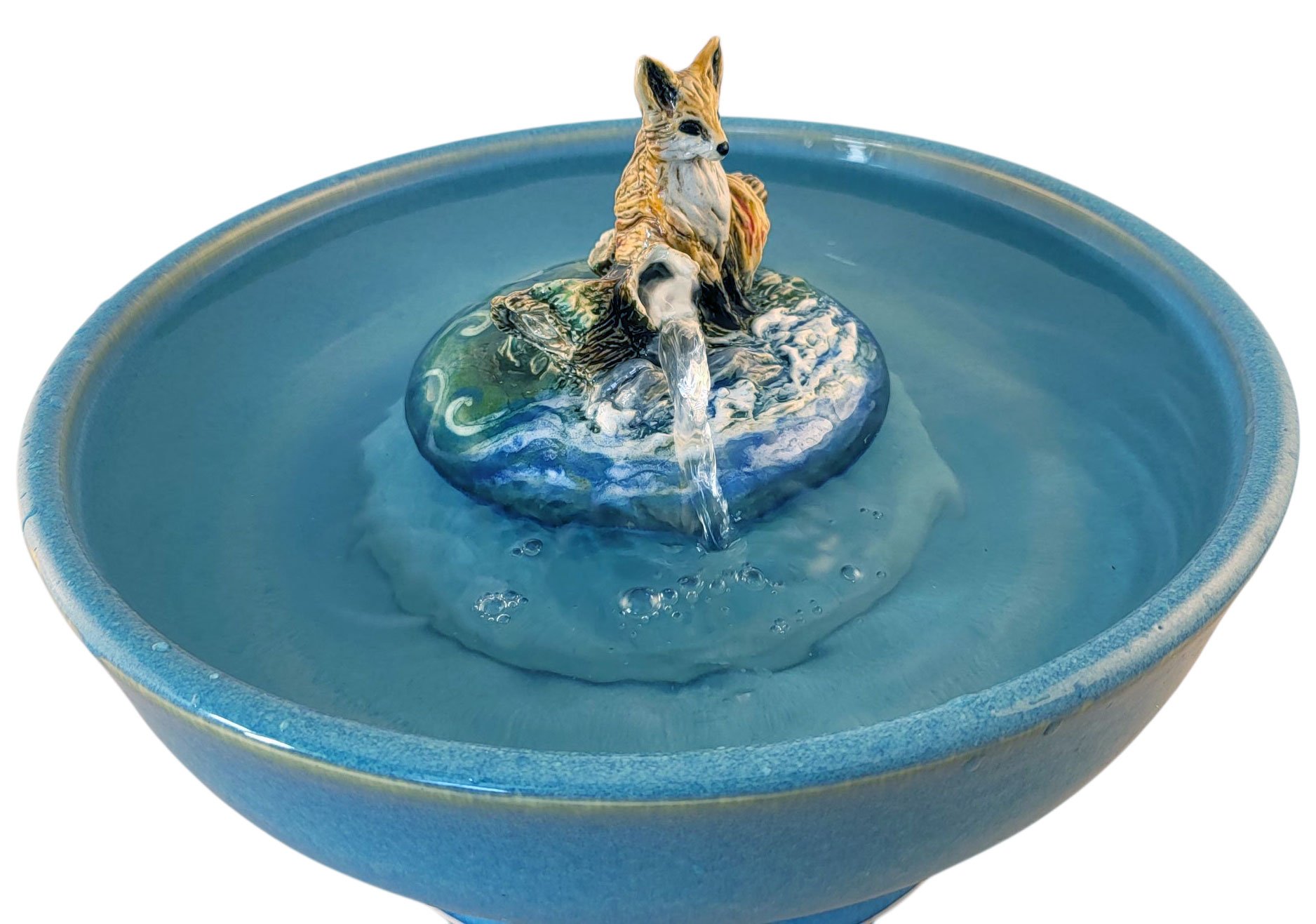
The material of the fountain affects both your cat’s health and the ease of cleaning. Stainless steel and ceramic are top choices because they don’t hold odors and are less likely to develop bacteria compared to plastic. Have you noticed your cat avoiding certain materials? That’s a clue to switch to something more comfortable for them.
Plastic fountains can be cheaper but may cause allergies or retain smells over time. If you opt for plastic, choose BPA-free and dishwasher-safe options. Remember, a clean fountain means healthier water and a happier cat.
Size And Capacity
Think about how many cats will use the fountain and how much water they typically drink. A small fountain may run dry quickly if you have multiple cats, which defeats the purpose of continuous fresh water. Larger capacity fountains require less frequent refilling, saving you time and ensuring your cat never goes thirsty.
Measure the space where you plan to place the fountain. Does it fit comfortably without getting in the way? Cats often prefer wide, shallow bowls to avoid whisker fatigue, so check the bowl’s depth and width before buying.
Noise Levels
Some fountains can be noisy, with constant humming or splashing sounds. If your cat is sensitive to sound, a loud fountain might scare them off. Look for models specifically designed to operate quietly or have adjustable flow settings.
Have you ever noticed your cat avoiding a noisy appliance? The same principle applies here. A silent or near-silent fountain keeps your pet comfortable and your home peaceful.
Common Issues And Solutions
Cat water fountains are fantastic for encouraging your feline friend to drink more water, but like any device, they can run into issues. Understanding common problems and how to fix them can save you time and frustration. Let’s look at some typical challenges and what you can do to keep the fountain running smoothly.
Pump Malfunctions
The pump is the heart of your cat water fountain, and if it stops working, the water won’t flow properly. Sometimes, the pump may get clogged with hair, dirt, or mineral buildup. Cleaning the pump regularly can prevent this—try soaking it in vinegar for 15 minutes to dissolve deposits.
If your fountain suddenly stops working, check if the pump is fully submerged. Running it dry can cause permanent damage. Also, inspect the power cord and connections to make sure they’re secure and not damaged.
Water Spillage
Water spilling around the fountain can be frustrating and messy. Often, the cause is overfilling or placing the fountain on an uneven surface. Make sure your fountain is on a flat, stable spot to avoid tipping and spills.
Some cats splash water when they drink or play with the fountain. If your pet is a splashy drinker, try a fountain with lower water flow or a design that minimizes splashing. You can also place a waterproof mat underneath to catch drips and make cleanup easier.
Noise Problems
Is your cat water fountain making more noise than usual? Pumps can get louder over time due to dirt buildup or wear. Cleaning the pump and replacing worn parts can often reduce the noise.
Sometimes, noise comes from vibrations against the surface the fountain sits on. Placing a rubber mat or towel under the fountain can dampen these sounds effectively. Have you noticed if the noise changes depending on where you place the fountain in your home?

Credit: catit.us
Frequently Asked Questions
How Do Cat Water Fountains Keep Water Fresh?
Cat water fountains continuously circulate water using a small pump. This movement prevents stagnation, reducing bacteria growth. Filters trap debris and impurities, ensuring cleaner water. Fresh, flowing water encourages cats to drink more, promoting better hydration and health.
What Powers A Cat Water Fountain’s Pump?
Cat water fountain pumps are usually electric and plug into a standard outlet. Some models use rechargeable batteries. The pump draws water from the reservoir and pushes it through filters. This circulation keeps water moving, clean, and oxygenated for your cat.
Why Do Cats Prefer Drinking From Water Fountains?
Cats prefer fountains because flowing water is fresher and cooler. Moving water mimics natural streams, appealing to their instincts. It also reduces the chance of contaminants. This encourages cats to drink more, preventing dehydration and urinary issues.
How Often Should I Clean A Cat Water Fountain?
Cleaning every 1 to 2 weeks is ideal to maintain hygiene. Rinse the reservoir, pump, and filters with warm water. Use mild soap if needed, avoiding harsh chemicals. Regular cleaning prevents bacteria buildup and keeps water tasting fresh for your cat.
Conclusion
Cat water fountains keep water fresh and moving for pets. They use pumps to circulate water through filters. This helps remove dirt and bad smells. Cats often prefer flowing water over still bowls. The steady flow encourages them to drink more.
Clean water supports better health and hydration. Choosing the right fountain can make a big difference. It’s simple care that helps your cat stay happy. Remember, regular cleaning keeps the fountain working well. A small effort leads to a healthier, more active pet.

Lily Purrington is the founder of MyKittyPicks.com, a cozy corner of the web dedicated to helping cat lovers discover the best cat products, furniture, toys, and home decor ideas.
A lifelong cat enthusiast, Lily shares trusted tips, honest product recommendations, and stylish inspiration designed to keep kitties happy and homes beautiful.
Her mission is simple: to bring together practical advice and purr-fect picks that make life better for cats and the people who love them.


