
Have you ever wondered if those tasty cat treats you give your furry friend actually do any good? You want to make sure your cat stays healthy and happy, but with so many treat options out there, it’s hard to know what really matters.
Understanding the nutritional value of cat treats can help you make smarter choices for your pet’s diet. Keep reading to discover what’s inside those little bites and how they can affect your cat’s health. This information could change the way you treat your cat forever.
Nutritional Basics Of Cat Treats
Cat treats can add flavor and fun to your pet’s diet. They also provide some nutrients.
Understanding what is inside these treats helps you choose the best ones for your cat.
Common Ingredients In Cat Treats
Most cat treats contain proteins, fats, and sometimes grains or vegetables. Protein often comes from chicken, fish, or beef. Fats provide energy and keep the treat tasty. Some treats include fillers like corn or wheat.
- Chicken or fish as main protein
- Animal fats for energy
- Grains like corn or wheat
- Added flavors and preservatives
- Vitamins and minerals
Calories And Macronutrients
Cat treats contain calories from proteins, fats, and sometimes carbohydrates. Treats should only make up a small part of a cat’s daily calories. Too many treats can cause weight gain.
| Macronutrient | Function | Approximate Calories per Gram |
| Protein | Builds muscles and tissues | 4 |
| Fat | Energy and healthy skin | 9 |
| Carbohydrates | Energy source | 4 |
Vitamins And Minerals Present
Cat treats often contain added vitamins and minerals. These support health and bodily functions. Common ones include vitamin A, vitamin E, calcium, and taurine.
- Vitamin A for vision and skin
- Vitamin E as an antioxidant
- Calcium for strong bones
- Taurine for heart and eye health
Comparing Treats To Regular Cat Food
Cat treats and regular cat food serve different purposes. Treats are snacks, while food provides daily nutrition. Understanding their differences helps you feed your cat well.
This article looks at nutrient density and the role each plays in a cat’s diet.
Differences In Nutrient Density
Regular cat food is packed with nutrients cats need every day. Treats have fewer nutrients and often more fillers. They are not made to replace meals.
| Type | Protein | Fat | Vitamins & Minerals | Calories |
| Regular Cat Food | High | Balanced | Complete | Moderate |
| Cat Treats | Low to Moderate | Often High | Limited | High |
Role In A Balanced Diet
Cat treats add variety and reward your pet. They should not be more than 10% of daily calories. Feeding too many treats can cause weight gain or nutrient gaps.
- Treats offer little essential nutrition.
- Regular food meets all dietary needs.
- Balance treats and food carefully.
- Consult a vet for proper feeding.
Health Benefits Of Cat Treats
Cat treats are more than just tasty snacks. They can add value to your cat’s diet.
Some treats help with health issues while making your cat happy.
Supporting Dental Health
Certain cat treats help keep your cat’s teeth clean. They reduce plaque and tartar buildup.
Chewing these treats can also freshen your cat’s breath and support gum health.
- Helps remove food particles from teeth
- Reduces risk of dental diseases
- Encourages chewing to strengthen gums
Providing Essential Nutrients
Cat treats often contain important vitamins and minerals. These nutrients support your cat’s body.
Treats can supply extra protein, omega fatty acids, and antioxidants for better health.
- Protein helps build strong muscles
- Omega fatty acids improve skin and coat
- Antioxidants support the immune system
Encouraging Hydration
Some cat treats contain moisture that helps increase water intake. This is good for urinary health.
Wet treats can be a tasty way to keep your cat hydrated throughout the day.
- Supports kidney function
- Helps prevent urinary tract problems
- Keeps cats refreshed and healthy

Credit: purebites.com
Potential Risks Of Overfeeding Treats
Giving cats treats can be a nice way to show love. But too many treats can cause problems for your cat’s health.
Cat treats often have extra calories and nutrients that might not be balanced. It is important to watch how many treats you give.
Weight Gain And Obesity
Cat treats add extra calories that can lead to weight gain. Over time, this may cause obesity in cats.
Obesity can cause many health problems like joint pain and diabetes. Keeping treats limited helps prevent these issues.
- Treats often have more calories than regular food
- Too many treats can upset calorie balance
- Watch your cat’s weight regularly
- Use treats sparingly for training or rewards
Nutrient Imbalance
Treats may not have all the nutrients cats need. Feeding too many treats can cause nutrient imbalances.
This can make it harder for cats to get enough vitamins and minerals from their regular food. Balanced meals are very important.
- Treats can have too much fat or protein
- Too many treats reduce appetite for regular food
- Nutrient gaps may develop with frequent treat feeding
- Always feed treats as a small part of diet
Allergic Reactions
Some cats may be allergic to ingredients in treats. Overfeeding increases the chance of an allergic reaction.
Signs of allergies include itching, redness, and upset stomach. Watch your cat closely when introducing new treats.
- Common allergens: fish, dairy, grains
- Allergic symptoms: skin irritation, vomiting
- Stop treats if any allergic signs appear
- Consult a vet for safe treat options
Choosing The Best Treats For Your Cat
Cats love treats, but not all treats are the same. Some treats offer nutritional benefits, while others are just tasty snacks. Choosing the right treats ensures your cat stays healthy and happy.
Understanding the nutritional value of cat treats helps you make better choices. Always consider ingredients, labels, and your cat’s dietary needs.
Reading Labels Effectively
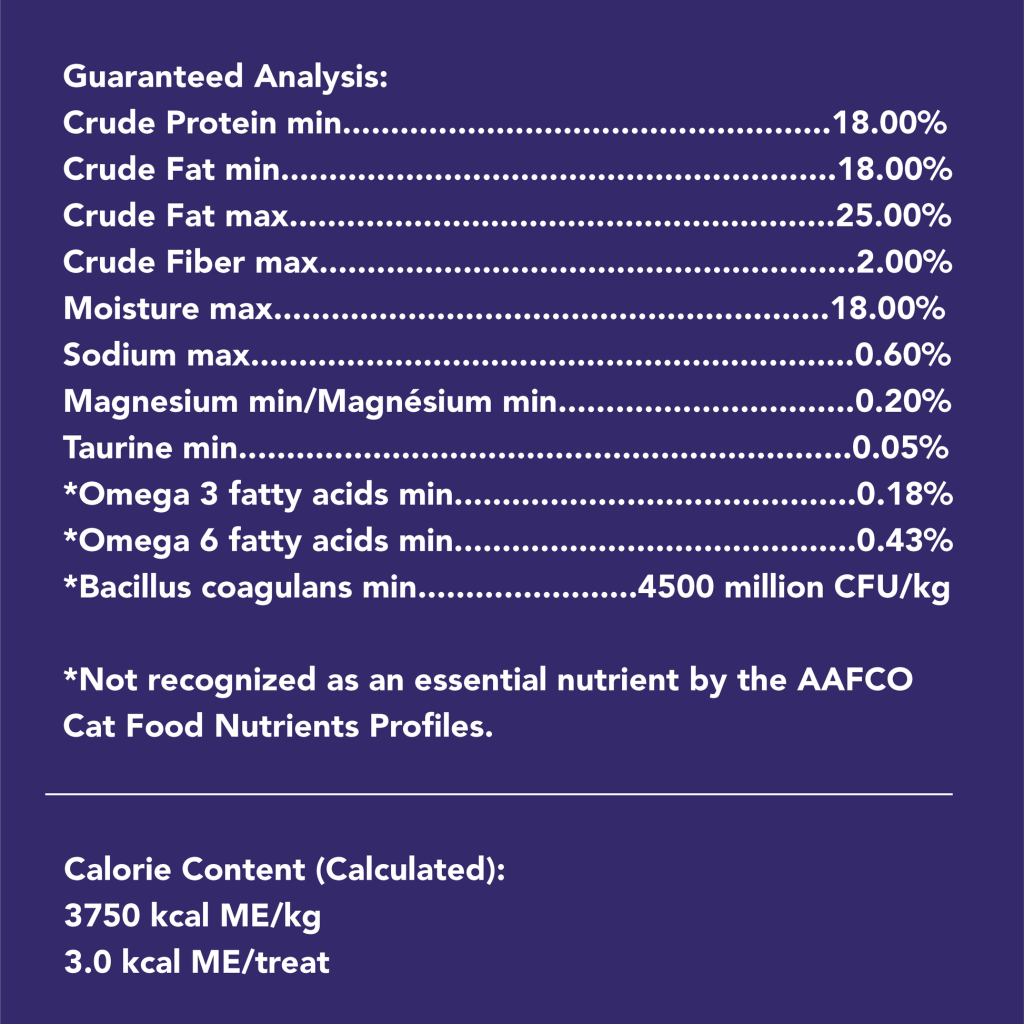
Labels give you important information about cat treats. Always check for protein, fat, and calorie content. Look for treats with high-quality ingredients.
Avoid treats with too many additives or preservatives. Simple and natural ingredients are usually better for your cat.
- Check protein and fat content
- Avoid artificial preservatives
- Look for simple ingredients
Natural Vs. Artificial Ingredients
Natural ingredients are usually healthier for cats. They often contain fewer chemicals and are easier to digest. Artificial ingredients can cause allergies or other health issues.
Choose treats with whole foods like chicken, fish, or vegetables. These provide more nutrition and are better for your cat’s health.
- Prefer natural over artificial
- Look for whole food ingredients
- Watch for possible allergens
Treats For Special Dietary Needs
Some cats have special dietary needs. They may require low-calorie or hypoallergenic treats. Always consult your vet if your cat has specific health issues.
Special treats are available for cats with conditions like diabetes or kidney disease. These treats help manage their health without sacrificing taste.
- Consult your vet for advice
- Consider low-calorie options
- Look for hypoallergenic treats

Credit: farmtopettreats.com
Homemade Vs. Store-bought Treats
Cat treats can be a tasty reward for your pet. You can choose between homemade treats or store-bought options. Each type has different benefits and drawbacks to consider.
Understanding the differences helps you make better choices for your cat’s health and happiness.
Benefits Of Homemade Options
Homemade cat treats let you control the ingredients. You can avoid fillers and artificial additives. This control can improve your cat’s nutrition and reduce allergy risks.
- Use fresh, natural ingredients
- Customize treats for dietary needs
- Reduce chemicals and preservatives
- Save money by making treats in bulk
- Ensure treats are free from harmful additives
Safety Considerations
Not all ingredients are safe for cats. Some common human foods can harm them. It is important to know which ingredients to avoid.
| Ingredient | Safe for Cats? | Notes |
| Onion | No | Can cause anemia |
| Chocolate | No | Toxic to cats |
| Chicken | Yes | Good protein source |
| Milk | Sometimes | Many cats are lactose intolerant |
| Fish | Yes | Use cooked, avoid bones |
Simple Recipes To Try
Making treats at home can be easy and fun. Here are a few simple recipes you can try.
- Cook and shred chicken breast. Mix with a small spoon of plain pumpkin. Shape into bite-size balls and bake at 350°F for 10 minutes.
- Blend canned tuna (in water) with one egg. Spoon small amounts on a baking sheet. Bake for 15 minutes until firm.
- Mix cooked salmon flakes with oat flour. Form into small patties. Bake at 325°F for 12 minutes. Cool before serving.
Frequency And Portion Control
Giving cat treats is a fun way to bond with your pet. Treats can add some nutrition but should not replace regular meals.
It is important to control how often and how much you give. Too many treats can harm your cat’s health.
Recommended Treat Amounts
Experts suggest treats should make up no more than 10% of a cat’s daily calories. This helps keep a healthy diet balance.
- Limit treats to small pieces to avoid overeating.
- Choose treats with good nutritional value, like protein-rich options.
- Adjust treat amounts based on your cat’s size and activity level.
- Consult your vet if unsure about the right portion size.
Timing Treats With Meals
Giving treats at the right time can help your cat enjoy them better. Pair treats with meals or training sessions.
| Timing | Why It Helps |
| Before Meals | Can increase appetite for the main food. |
| After Meals | Acts as a reward and limits hunger-driven begging. |
| During Training | Keeps your cat focused and motivated. |
Credit: farmtopettreats.com
Surprising Facts About Cat Treats
Cat treats are more than just tasty snacks. They can provide nutritional benefits too. Let’s explore some surprising facts about them.
Many cat treats contain ingredients that support health. These ingredients can improve your cat’s overall well-being.
Treats That Double As Supplements
Some treats are not just for enjoyment. They can also work as supplements. These treats may include vitamins and minerals.
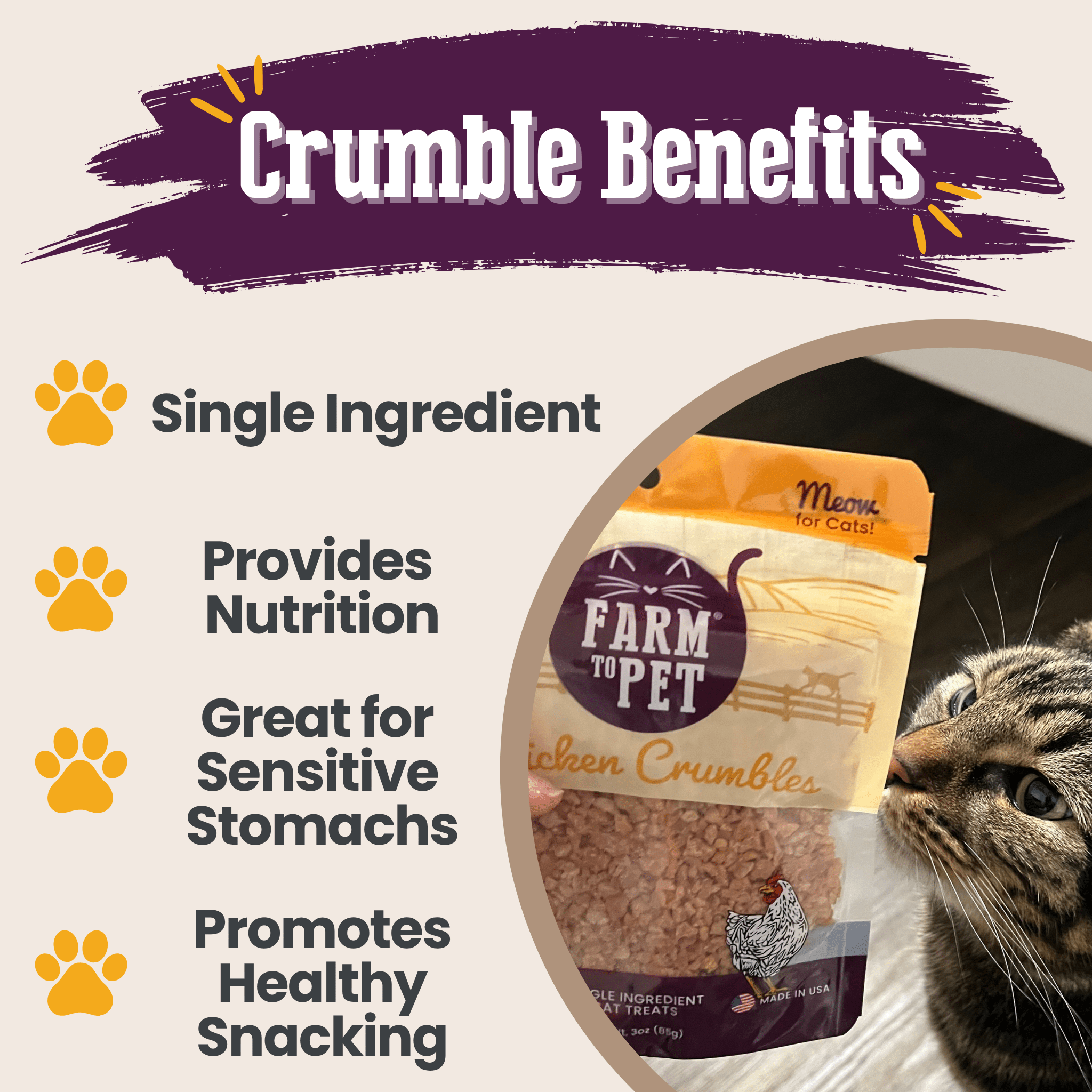
These treats can support bone health or improve coat shine. They often contain Omega-3 or calcium.
- Omega-3 for a shiny coat
- Calcium for strong bones
- Probiotics for digestive health
Trends In Cat Treat Ingredients
The ingredients in cat treats are changing. People want more natural and healthy options for their pets.
Organic and grain-free ingredients are now popular. These ingredients aim to mimic a cat's natural diet.
- Organic chicken or fish
- Grain-free options
- Natural preservatives
Myths About Treat Nutrition
There are common myths about cat treats. Some people think they are unhealthy. This is not always true.
Many treats offer nutritional benefits. They can be part of a balanced diet if chosen wisely.
- Myth: All treats are unhealthy
- Fact: Some treats are nutritious
- Myth: Treats cannot be part of a diet
- Fact: Balanced treats are beneficial
Frequently Asked Questions
Do Cat Treats Provide Essential Nutrients?
Cat treats can offer some nutrients like protein and vitamins, but they shouldn’t replace a balanced diet. Treats are mainly for rewards or training, not primary nutrition.
Are Cat Treats Healthy For Daily Feeding?
Feeding cat treats daily is okay in small amounts, but overfeeding can cause obesity or nutrient imbalance. Moderation is key to keeping cats healthy.
Can Cat Treats Improve My Cat’s Diet?
Certain cat treats contain added supplements like omega-3 or taurine that may support health. However, treats alone won’t replace a complete diet.
What Ingredients Add Nutritional Value To Cat Treats?
High-quality cat treats often include real meat, vitamins, minerals, and amino acids. Avoid treats with excessive fillers, artificial colors, or sugars.
Conclusion
Cat treats can offer some nutrients but should not replace meals. They work best as small rewards or snacks. Always check the ingredients for healthy options. Too many treats might cause weight gain or upset stomachs. Balanced meals remain key for your cat’s health.
Treats add variety but don’t provide full nutrition. Choose treats wisely to keep your cat happy and well. Small amounts, given carefully, make treats a nice bonus. Remember, good nutrition comes from a complete diet, not just treats.

Lily Purrington is the founder of MyKittyPicks.com, a cozy corner of the web dedicated to helping cat lovers discover the best cat products, furniture, toys, and home decor ideas.
A lifelong cat enthusiast, Lily shares trusted tips, honest product recommendations, and stylish inspiration designed to keep kitties happy and homes beautiful.
Her mission is simple: to bring together practical advice and purr-fect picks that make life better for cats and the people who love them.


