
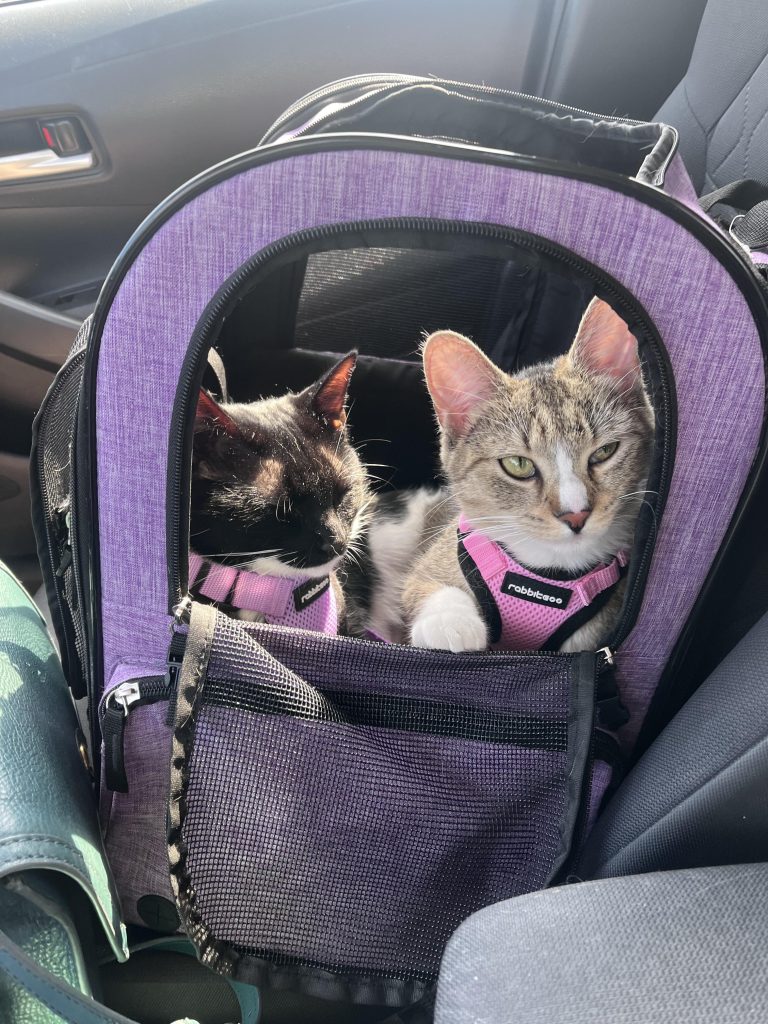
Ever wondered if your feline friend actually enjoys those car rides? You’re not alone.
Many cat owners like you have pondered this very question. Understanding your cat’s preferences can make all the difference between a peaceful journey and a fur-flying fiasco. Imagine a car ride where your cat is calm and content, purring quietly by your side.
Sounds dreamy, right? This article will explore what makes car rides enjoyable for cats and how you can make traveling with your pet a breeze. You’ll discover tips and tricks to transform your car into a feline-friendly space. So, buckle up as we dive into the world of cats and car rides, ensuring a smoother, happier travel experience for both you and your beloved pet.
Cats And Car Rides
Cats and car rides create different feelings for many felines. Some enjoy the ride, while others get nervous or scared. Understanding these reactions helps pet owners prepare better trips.
Car rides can be strange for cats. The moving vehicle, new smells, and sounds may confuse them. Their natural instincts play a big role in how they respond.
Why Cats React Differently
Each cat has a unique personality. Some are curious and adventurous, eager to explore. Others prefer calm and familiar places. Stress and anxiety can rise in unfamiliar situations.
Past experiences also shape their behavior. Cats used to car rides often stay calm. Cats with no experience may panic or hide. Age matters too; kittens may adapt faster than older cats.
Common Cat Behaviors In Cars
- Hiding under seats or in carriers
- Meowing loudly or crying
- Pacing or restless movement
- Drooling or licking excessively
- Remaining very still and quiet
Some cats show excitement, looking out windows. Others freeze, trying to stay safe. Recognizing these signs helps owners ease their cat’s stress.

Credit: www.reddit.com
Stress Factors During Travel
Travel can be a tough experience for cats. Many cats feel uneasy during car rides. Various stress factors affect their comfort and mood. Understanding these factors helps improve their travel experience.
Noise And Motion Sensitivity
Cats have very sharp hearing. Loud noises from the car engine or traffic can scare them. Sudden sounds make cats anxious and restless. Movement inside the car also affects them. The car’s motion can cause dizziness or nausea. This combination of noise and motion often leads to stress.
Unfamiliar Surroundings
Cats rely on familiar smells and sights to feel safe. A car interior is strange and new to them. Strange smells and sights cause confusion and fear. The lack of a safe spot increases their stress. This unfamiliar environment can make cats hide or act nervously.
Benefits Of Car Rides For Cats
Car rides can be more than just a way to get from point A to point B for your cat. They offer unique opportunities that can benefit your feline friend’s mental and emotional well-being. Understanding these benefits can help you see car rides in a new light and motivate you to introduce your cat to the experience gradually and positively.
Exposure And Socialization
Taking your cat on car rides exposes them to new sights, sounds, and smells. This variety challenges their senses and helps them become more adaptable. Cats that regularly experience different environments tend to handle changes and new situations better.
You might notice that your cat becomes less startled by noises or unfamiliar places after a few calm car rides. This kind of exposure is a gentle way to build their social skills without overwhelming them. Have you observed your cat reacting differently to new experiences after a trip?
Building Confidence
Car rides can boost your cat’s confidence by encouraging them to face new challenges. Each ride can be a small adventure where your cat learns that unfamiliar situations aren’t always scary. This helps reduce anxiety over time.
One cat owner shared that their shy cat became more outgoing and curious after regular short drives. The key is to keep rides short and positive, always rewarding your cat with treats or affection. Could a few positive rides help your cat become more self-assured too?

Credit: www.reddit.com
Preparing Your Cat For Travel
Getting your cat ready for a car ride takes more than just opening the door and placing them inside a carrier. The right preparation can turn a stressful experience into a calm one for both of you. By focusing on the carrier, familiarization, and calming techniques, you can help your cat feel safer and more comfortable during travel.
Choosing The Right Carrier
Pick a carrier that is sturdy and well-ventilated but also cozy enough to make your cat feel secure. Look for carriers with soft padding inside or add a familiar blanket or towel from home. Avoid carriers that are too small; your cat should have enough space to turn around but not so much that they feel unstable during the ride.
Think about how easy it is to open and close the carrier, too. A top-opening carrier can make placing your cat inside easier and less stressful. Does the carrier fit well in your car? A secure fit prevents unnecessary movement that can upset your pet.
Familiarizing Cats With The Carrier
Start by leaving the carrier out in your living area with the door open. Place treats, toys, or catnip inside to encourage exploration. The goal is to make the carrier a normal and inviting space, not just a travel box.
Try feeding your cat near or inside the carrier for several days. This creates a positive association and reduces fear. How often do you give your cat new experiences? Gradually increase the time your cat spends inside the carrier before the trip.
Calming Techniques
Use calming sprays or pheromone diffusers designed for cats to create a soothing environment. These products mimic natural comforting scents and can lower anxiety. You can also play soft music or white noise to mask road sounds that might startle your cat.
Consider gentle petting or massage before and during the ride to keep your cat relaxed. Some cats respond well to a snug wrap or towel, which can make them feel secure. Have you noticed your cat’s favorite relaxation cues at home? Try to replicate those during the travel experience.
Making The Ride Comfortable
Making your cat’s car ride comfortable is key to reducing their stress and making the journey smoother for both of you. Cats are sensitive to changes in their environment, so small adjustments can make a big difference. Let’s look at some practical ways to create a cozy and calming space in the car for your feline friend.
Temperature And Ventilation
Keeping your car at a comfortable temperature is crucial. Cats don’t handle extreme heat or cold well, so aim for a moderate climate inside the vehicle.
Open a window slightly or use the air conditioning to keep fresh air flowing. However, avoid direct drafts on your cat as that can cause discomfort.
Have you noticed your cat panting or shivering during rides? That’s a clear sign to adjust the temperature or ventilation immediately.
Soothing Sounds And Scents
Noise can be unsettling for cats, so soft, calming sounds help. Playing gentle classical music or white noise can mask sudden road noises.
Some cats respond well to familiar scents. Bringing along a blanket or toy that smells like home can provide comfort during the trip.
Consider using natural calming sprays made for cats, but test them first to make sure your cat doesn’t react negatively.
Frequent Breaks
Long trips can be overwhelming. Stopping every hour or two allows your cat to stretch and relax in a safe, quiet spot.
Use these breaks to check on your cat’s water and offer small treats. This can also help them associate car rides with positive experiences.
Have you tried letting your cat explore a secure carrier outside the car during breaks? It might reduce their anxiety and make the ride less stressful.
Signs Of Distress To Watch For
Cats do not always enjoy car rides. Many show clear signs of stress during travel. Watching for signs of distress helps keep your cat safe and calm. Recognizing these signs early can prevent bigger problems. Stress affects cats both physically and behaviorally. Knowing what to look for is important.
Physical Symptoms
- Heavy panting or rapid breathing
- Excessive drooling or licking lips
- Shaking or trembling
- Vomiting or nausea
- Wide, dilated pupils
- Flattened ears
- Increased heart rate (can sometimes be felt if calm)
Physical symptoms show your cat’s body is stressed. These signs often appear quickly during car rides.
Behavioral Changes
- Trying to hide or escape the carrier
- Meowing loudly or yowling
- Freezing or refusing to move
- Aggressive behavior such as hissing or scratching
- Restlessness and pacing inside the carrier
- Excessive grooming or biting at themselves
Behavioral changes reveal your cat’s emotional state. They may act differently than usual during travel. Watching behavior helps you understand their comfort level.
When To Avoid Car Rides
Car rides can be stressful for some cats. Knowing when to avoid taking your cat on a drive helps keep them safe and calm. Certain situations can make car trips harmful or upsetting for your pet.
Health Concerns
Cats with health problems should not ride in cars unless necessary. Motion sickness is common and makes cats feel sick and uneasy. Cats with respiratory issues or heart conditions may struggle with the stress of travel. Avoid car rides if your cat is recovering from surgery or illness. Travel can slow healing and cause discomfort.
Severe Anxiety Cases
Some cats get very scared during car rides. Signs include trembling, hiding, or aggressive behavior. Severe anxiety can lead to harmful stress responses. If your cat panics or shows extreme fear, skip the trip. Try calming products or consult a vet before traveling again.
Tips From Experienced Cat Owners
Traveling with cats can be tricky but rewarding. Experienced cat owners share helpful tips to ease the journey. Patience and preparation are key to positive car rides with cats.
Successful Travel Stories
Many cat owners report success by starting with short trips. Cats get used to the carrier and car sounds slowly. One owner said gentle petting calmed their cat during drives. Another used familiar blankets in the carrier to provide comfort. Regular breaks for water and quiet time helped some cats relax. Playing soft music reduced stress for a few pets. These small steps build trust and confidence over time.
Common Mistakes To Avoid
- Forcing the cat into the carrier causes fear and resistance.
- Skipping carrier training leads to stress and escape attempts.
- Loud music or sudden noises increase anxiety.
- Not securing the carrier properly can be dangerous in a crash.
- Ignoring signs of motion sickness delays comfort.
- Feeding right before travel may cause nausea.

Credit: www.reddit.com
Frequently Asked Questions
Do Cats Enjoy Car Rides?
Most cats do not enjoy car rides due to unfamiliar sounds and motion. Some may tolerate short trips if gradually introduced. Proper acclimation and comfort measures can help reduce stress during travel.
How Can I Make Car Rides Easier For My Cat?
Use a secure carrier, familiar bedding, and calm your cat with soft talk. Short, frequent trips help cats adjust. Avoid feeding before travel to prevent nausea.
Why Do Cats Get Stressed In Cars?
Cats get stressed because of unfamiliar environments, loud noises, and motion. Their natural instinct is to hide or escape, causing anxiety during car rides.
Can Car Rides Harm My Cat’s Health?
Long or frequent stressful rides can cause anxiety and motion sickness. Proper preparation, breaks, and hydration help protect your cat’s health during travel.
Conclusion
Cats often feel nervous during car rides. Some enjoy the view, but many prefer calm spaces. Preparing your cat helps reduce stress and fear. Use a carrier and familiar items to comfort them. Short trips can help cats get used to car travel.
Patience and care make rides easier for your pet. Remember, every cat is different and reacts uniquely. Understanding your cat’s feelings improves travel experiences. Keep your cat safe and calm on every journey.

Lily Purrington is the founder of MyKittyPicks.com, a cozy corner of the web dedicated to helping cat lovers discover the best cat products, furniture, toys, and home decor ideas.
A lifelong cat enthusiast, Lily shares trusted tips, honest product recommendations, and stylish inspiration designed to keep kitties happy and homes beautiful.
Her mission is simple: to bring together practical advice and purr-fect picks that make life better for cats and the people who love them.


