
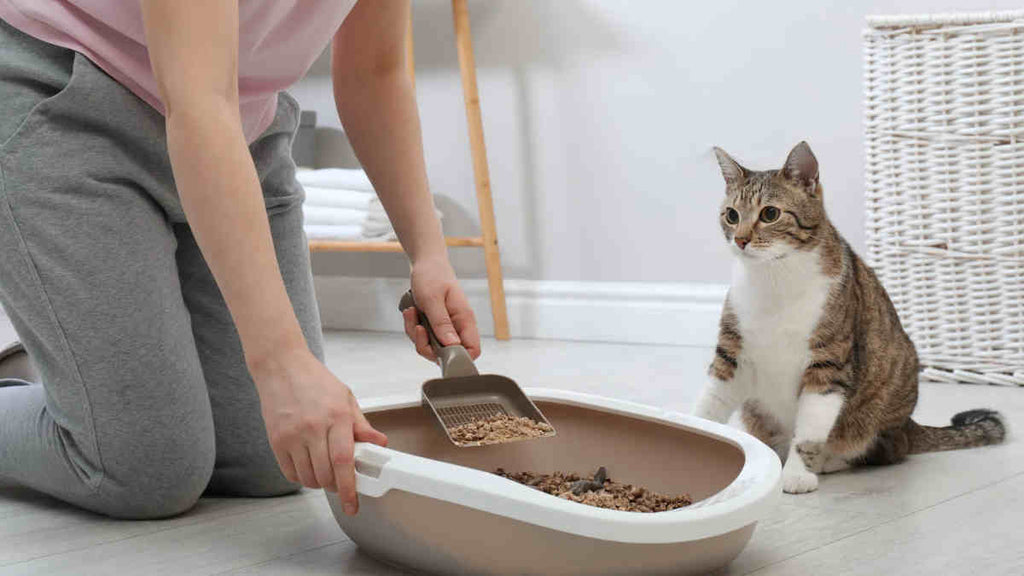
Have you ever wondered what happens to your cat’s litter after you throw it away? If you’re like most cat owners, you probably don’t think much about where it ends up or how long it stays there.
But understanding whether cat litter decomposes can change the way you care for your pet and the environment. You’ll discover the truth about cat litter’s breakdown process, what affects it, and what choices you can make to reduce waste. Keep reading to find out how your daily routine impacts the planet—and what simple steps you can take to make a difference.
Credit: medium.com
Types Of Cat Litter
Choosing the right cat litter is more than just a matter of preference. It affects how easily it decomposes and how eco-friendly it is. Understanding the types of cat litter can help you make a choice that benefits both your cat and the environment.
Clumping Vs Non-clumping
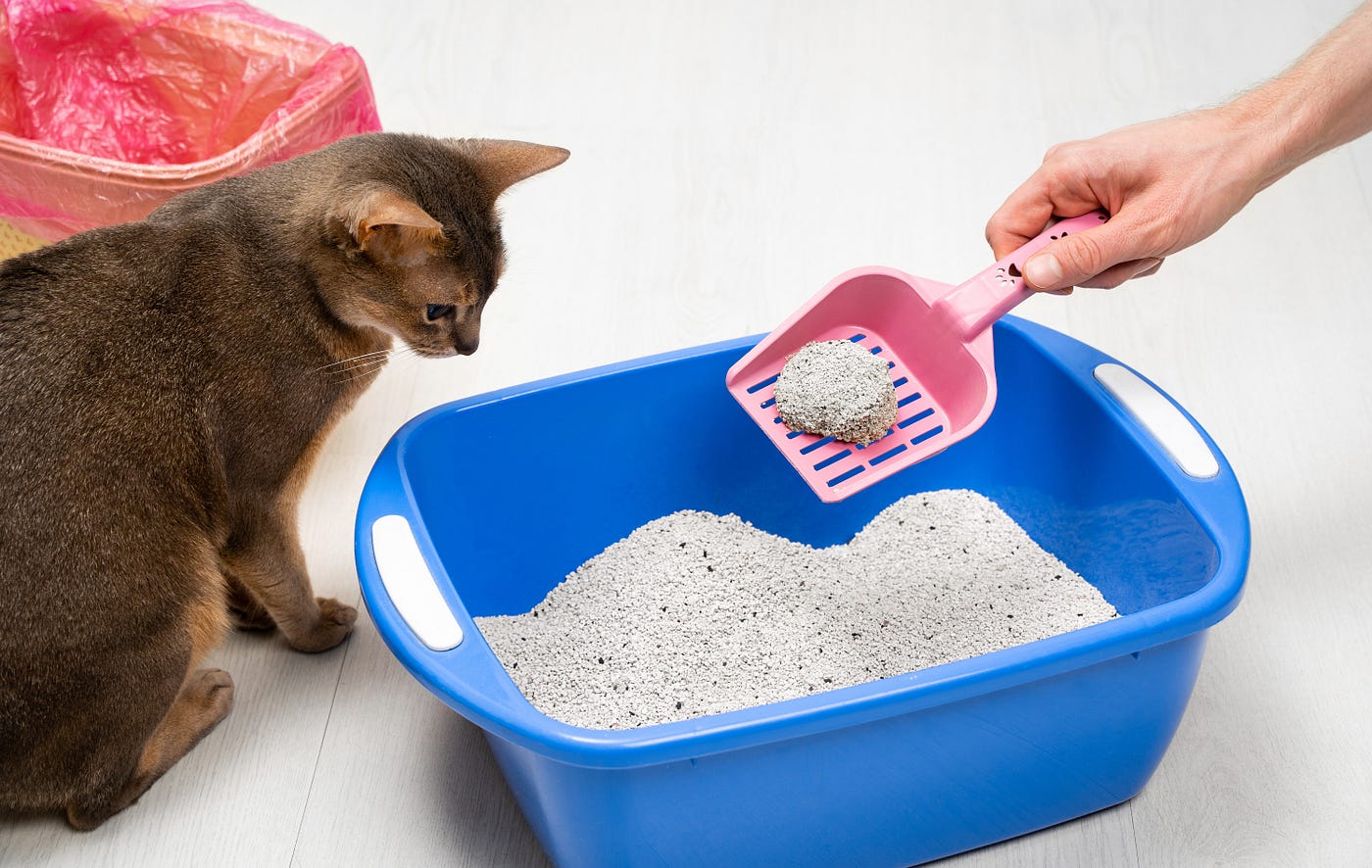
Clumping litter contains materials that form solid clumps when wet. This makes scooping easier and helps control odors effectively. However, clumping litters often contain bentonite clay, which does not break down easily in the environment.
Non-clumping litter, on the other hand, absorbs moisture without forming clumps. It usually needs to be changed more frequently but often contains natural materials that decompose faster. Have you noticed how non-clumping litters sometimes feel lighter and less dusty?
Natural Vs Synthetic Materials
Natural cat litters are made from materials like corn, wheat, pine, or paper. These tend to break down faster and can even be composted in some cases. They also reduce the risk of harmful dust and chemicals around your cat.
Synthetic litters, often made from silica gel or other man-made substances, last longer but decompose very slowly. If you care about landfill impact, natural litters might be worth trying. Have you ever considered how your choice impacts the environment beyond your home?
Credit: medium.com
Decomposition Process
The decomposition process of cat litter varies widely depending on the type of litter you use. Understanding how it breaks down can help you choose an option that fits your lifestyle and environmental concerns. Let’s look closer at what actually happens when cat litter decomposes.
Biodegradable Components
Some cat litters are made from natural materials that break down more easily. Ingredients like wood, corn, wheat, paper, and coconut shells decompose because they contain organic fibers. These fibers attract microbes and fungi that feed on them, turning litter into nutrient-rich matter over time.
Clay-based litters, which are common, do not decompose quickly because they are mined minerals. They can stay in landfills for hundreds of years. If you want litter that disappears naturally, look for labels that say “biodegradable” or “compostable.”
Factors Affecting Breakdown
- Moisture:Litter needs some moisture to support microbial life, but too much can slow down decomposition or create bad odors.
- Oxygen:Aerobic bacteria require oxygen, so litter broken down in open-air compost piles decomposes faster than in sealed bags.
- Temperature:Higher temperatures speed up microbial activity, making decomposition quicker during warm seasons.
- Type of litter:As mentioned, natural litters break down faster, while clay-based litters resist decay.
Have you ever tried composting your cat litter? You might be surprised how adjusting moisture and airflow can make a difference. Paying attention to these factors allows you to manage waste in a more eco-friendly way.
Environmental Impact
Cat litter often breaks down slowly, depending on its material. Clay-based litters do not decompose easily, causing long-term waste issues. Biodegradable litters made from natural fibers break down faster and have less impact on the environment.
Cat litter is a ubiquitous product in households with feline friends, but its environmental impact often goes unnoticed. While it serves a practical purpose, the environmental footprint of cat litter can be significant. Let’s dive into how it affects our planet, focusing on landfill concerns and its effect on soil and water.Landfill Concerns
Many cat litters, especially those made from clay, don’t decompose easily. They often end up in landfills, taking years to break down. Imagine the mountains of litter accumulating over time. This non-decomposable waste contributes to landfill expansion, posing a serious environmental challenge. You might have heard that biodegradable litters are a better option. While they do break down faster, the process in a landfill environment can still be slow. Without proper air and moisture, even biodegradable materials struggle to decompose efficiently.Effect On Soil And Water
Once in landfills, cat litter can leach chemicals into the soil. This can disrupt the natural balance, affecting plant growth and soil health. If these chemicals reach water sources, they can contaminate them, posing risks to aquatic life and potentially affecting human water supplies. Natural litters made from materials like corn or wheat are less likely to have these negative impacts. However, their production processes can still consume significant resources. Have you ever considered how much water and energy goes into making these eco-friendly options? Choosing litter that balances functionality with environmental responsibility is key. How often do you think about the impact of something as simple as cat litter? The choices you make can contribute to a healthier planet for all creatures.Biodegradable Cat Litter Options
Biodegradable cat litter offers an eco-friendly alternative to traditional clay litters. These options break down naturally, reducing landfill waste. They come from renewable resources and often have less dust. Choosing biodegradable litter helps protect the environment and supports sustainability efforts.
Wood-based Litters
Wood-based litters use sawdust, pine, or cedar. They absorb moisture well and control odors naturally. These litters break down quickly in compost or soil. Their natural scent often appeals to cats. Wood litters are lightweight and low in dust.
Corn And Wheat Litters
Corn and wheat litters are made from agricultural byproducts. They clump well and are flushable in small amounts. These litters biodegrade fast and can be composted safely. They offer a natural smell without chemicals. Corn and wheat litters are gentle on paws.
Paper And Other Alternatives
Paper litters use recycled paper and pellets. They are soft, low in dust, and absorb moisture. Paper litters break down easily and compost well. Other options include coconut husks and grass seed. These alternatives provide different textures and scents for cats.
Composting Cat Litter
Composting cat litter can be a sustainable way to reduce waste, but it requires careful attention to ensure safety and effectiveness. Not all cat litters decompose the same way, and handling them properly can protect your health and environment. Understanding the right approach helps you make the most of your compost pile without risks.
Safety Precautions
Cat litter often contains pathogens that can be harmful to humans. Always use gloves when handling used litter to avoid direct contact with harmful bacteria or parasites.
Do not add composted cat litter to vegetable gardens or areas where you grow food. Instead, use it for ornamental plants or trees to minimize health risks.
Make sure your compost pile reaches a high enough temperature to kill off harmful organisms. Regularly turning the pile helps maintain these temperatures and speeds up decomposition.
Proper Composting Methods
Choose biodegradable cat litter made from materials like wood, paper, or corn, as these break down more easily than clay-based litters.
Set up a separate compost bin specifically for cat litter to prevent cross-contamination with your regular compost. This bin should be well-ventilated and kept away from your home.
- Layer the litter with high-carbon materials such as dry leaves or straw to balance moisture and nitrogen.
- Maintain a hot compost environment, ideally between 130°F and 150°F (54°C to 65°C), to ensure safe breakdown.
- Turn the compost regularly to introduce oxygen and promote uniform decomposition.
Have you ever considered how your compost pile’s temperature impacts the safety of composted cat litter? Monitoring this is crucial for a successful and hygienic compost.
Tips For Eco-friendly Disposal
Disposing of cat litter in an eco-friendly way can make a big difference in reducing your environmental footprint. Many cat owners worry about the impact of litter waste, but there are simple steps you can take to manage it responsibly. Let’s dive into practical tips that help you minimize waste and choose products that align with a greener lifestyle.
Reducing Waste
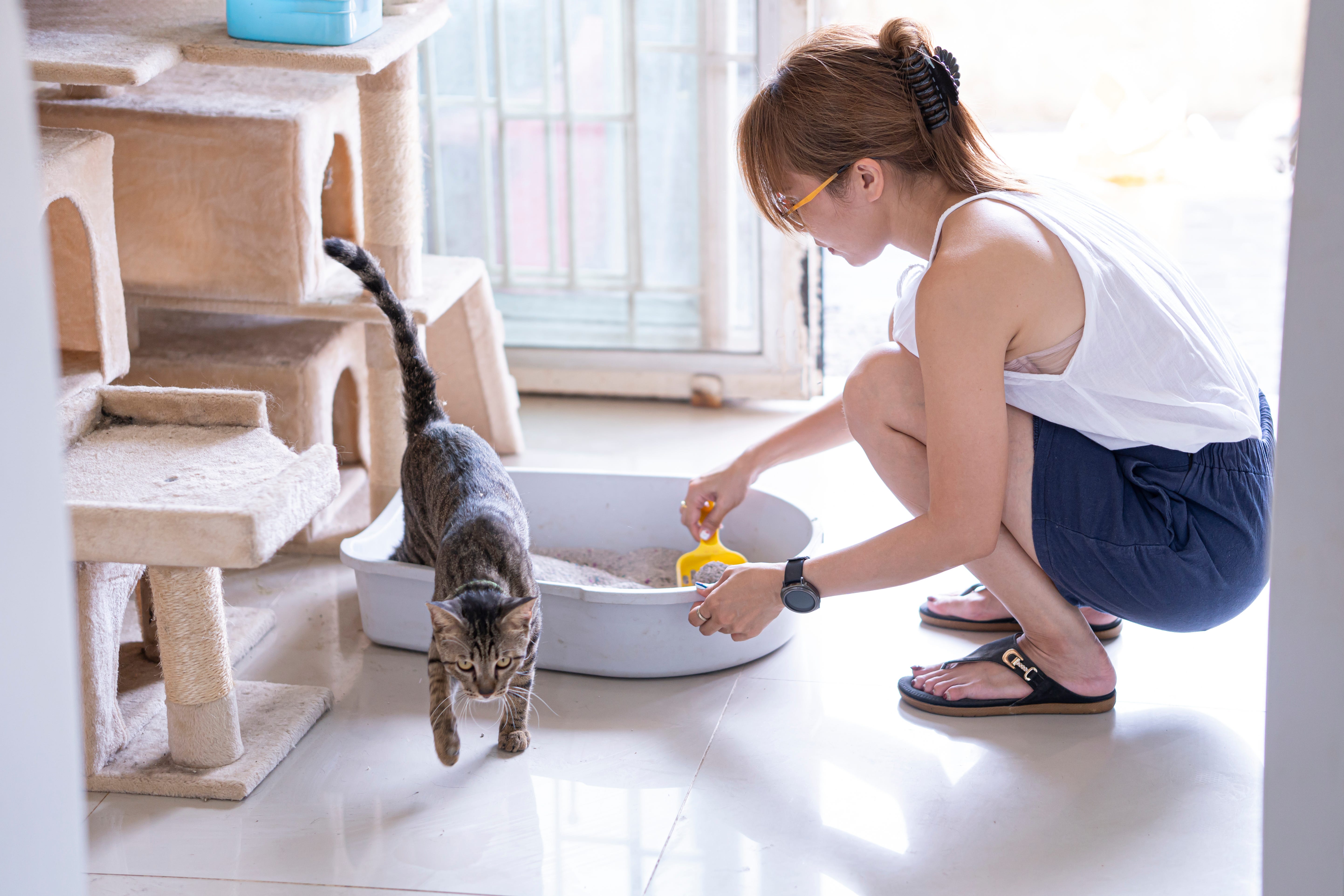
Start by scooping daily to keep the litter box clean and avoid the need for full changes too often. Instead of dumping all the litter at once, remove only the used clumps and top up with fresh litter. This method extends the life of the litter and cuts down on the total amount you throw away.
You might wonder how much you can really cut back. Try mixing your litter with some biodegradable options—this can reduce the volume of waste that ends up in the trash. Also, consider using a litter mat to catch stray bits; less mess means less waste.
Choosing Sustainable Products
Not all cat litters are created equal. Look for brands that use natural materials like corn, wheat, pine, or recycled paper. These options often break down faster in landfills or can even be composted safely.
Be cautious about clay-based litters as they take much longer to decompose and sometimes contain harmful additives. Have you checked the packaging lately? Some companies clearly label whether their litter is biodegradable or flushable, making your eco-friendly choice easier.
- Opt for clumping litters made from plant-based materials.
- Buy in bulk to reduce packaging waste.
- Support brands with clear sustainability commitments.
Credit: medium.com
Frequently Asked Questions
Does Cat Litter Break Down Naturally?
Some types of cat litter, like biodegradable ones, decompose naturally over time. Clay-based litters do not break down easily. Biodegradable litters use materials like wood, corn, or wheat, which help them break down in compost or landfill conditions.
How Long Does Cat Litter Take To Decompose?
Biodegradable cat litter takes a few months to a year to decompose. Clay-based litter can take hundreds of years. Decomposition speed depends on litter type, moisture, and environmental conditions like temperature and oxygen availability.
Can I Compost Used Cat Litter Safely?
Composting used cat litter is risky due to harmful pathogens from cat waste. Only biodegradable, plant-based litters should be composted, and only in specialized compost systems. Avoid composting clay or silica-based litters to prevent contamination.
Is Clay Cat Litter Environmentally Harmful?
Yes, clay cat litter harms the environment. It is non-biodegradable and requires strip mining, which damages ecosystems. It also takes centuries to decompose in landfills, contributing to long-term waste problems.
Conclusion
Cat litter does not break down quickly like natural materials. Clay-based litters take years to decompose. Some plant-based litters break down faster but still need time. Throwing litter in nature can harm the environment. Proper disposal helps reduce pollution and protect soil.
Choose biodegradable options for a greener choice. Remember, caring for pets means caring for the planet too. Small actions make a big difference over time. Keep your home and earth clean and safe.

Lily Purrington is the founder of MyKittyPicks.com, a cozy corner of the web dedicated to helping cat lovers discover the best cat products, furniture, toys, and home decor ideas.
A lifelong cat enthusiast, Lily shares trusted tips, honest product recommendations, and stylish inspiration designed to keep kitties happy and homes beautiful.
Her mission is simple: to bring together practical advice and purr-fect picks that make life better for cats and the people who love them.


