

Have you ever stopped to wonder if the cat litter you use could be harming your furry friend or even you? It’s something many cat owners don’t think about, but the truth might surprise you.
Understanding the possible risks of cat litter can help you keep your home safer and your pet healthier. Keep reading to discover what you need to know before choosing or continuing to use that litter box. Your cat’s well-being—and your peace of mind—might depend on it.
Credit: purrfectinsights.com
Types Of Cat Litter
Choosing the right cat litter can impact both your cat’s health and your home’s cleanliness. Different types of cat litter come with unique features, benefits, and potential drawbacks. Understanding these options helps you pick a product that suits your cat’s needs and your lifestyle.
Clay-based Litter
Clay-based litter is the most common type found in many homes. It clumps well, making it easy to scoop out waste and keep the litter box clean.
However, clay litter often contains dust, which can irritate your cat’s respiratory system. Have you noticed your cat coughing or sneezing after using this litter? That could be a sign to try something less dusty.
This type is typically heavier and not biodegradable, which means it adds to landfill waste. If environmental impact matters to you, clay litter might not be the best choice.
Silica Gel Crystals
Silica gel crystals absorb moisture and control odor effectively. They don’t clump like clay but keep the litter box dry by trapping liquid.
Many cat owners appreciate how low-maintenance silica litter is because it lasts longer before needing a full change. But some cats dislike the texture, and it can be more expensive than clay options.
Think about your cat’s preferences and your budget before switching to silica gel crystals. Will your cat accept this new texture?
Biodegradable Options
Biodegradable litters are made from natural materials like corn, wheat, pine, or recycled paper. They break down quickly and are compostable, making them a greener choice.
These litters often have less dust and are gentler on sensitive paws. You might find your cat enjoys the natural scent and texture more than synthetic types.
Keep in mind that some biodegradable litters don’t clump as well, so cleaning might take a bit more effort. Could you balance eco-friendliness with your cleaning routine?
Health Risks For Cats
Understanding the health risks that cat litter might pose to your feline friend is crucial. Some litters can affect cats in ways you might not expect, impacting their well-being over time. Paying attention to these risks can help you choose safer options and protect your cat’s health.
Respiratory Issues
Dusty cat litter can cause breathing problems, especially for cats with sensitive lungs. Silica and clay-based litters often release fine dust particles that irritate your cat’s nose and throat. If your cat starts coughing or sneezing more after using a certain litter, it could be a sign of respiratory distress.
Have you noticed your cat avoiding the litter box or showing signs of discomfort? Switching to low-dust or dust-free litters might reduce these risks and make your cat more comfortable.
Toxic Ingredients
Some litters contain chemicals or additives that can be harmful if ingested or inhaled. For example, litters with added fragrances or antibacterial agents might cause toxic reactions in cats. Even natural clumping litters sometimes include substances that upset your cat’s digestive system if swallowed.
It’s wise to check the ingredient list carefully. Choosing unscented, natural litters with minimal additives can lower the chances of toxicity for your cat.
Allergic Reactions
Cats can develop allergies to certain litter materials, leading to itching, redness, or irritation around their paws and skin. Clay and pine litters are common culprits that might trigger these reactions. Allergies can also cause your cat to avoid the litter box, resulting in behavioral problems.
If you see your cat scratching more or stepping gingerly around the litter box, consider testing a different type of litter. Hypoallergenic or plant-based litters often work better for sensitive cats.
Health Risks For Humans
Cat litter is a common household item for pet owners. While convenient, it may pose health risks to humans. Understanding these risks can help ensure a safer environment at home.
Dust Inhalation
Many cat litters produce dust when poured. Inhaling this dust can irritate the respiratory system. This is especially concerning for those with asthma or allergies. The fine particles can linger in the air, posing a risk to anyone nearby.
Bacterial Exposure
Cat litter can harbor bacteria from cat waste. Handling it without proper precautions increases the risk of bacterial exposure. This can lead to infections if bacteria enter the body through cuts or the mouth. Always wash hands thoroughly after handling litter.
Impact On Children And Pregnant Women
Children often play on the floor, making contact with litter more likely. This increases their risk of exposure to dust and bacteria. Pregnant women should be cautious due to the risk of toxoplasmosis. This infection can harm the unborn baby. It’s advisable for them to avoid changing cat litter entirely.
Environmental Impact
The environmental impact of cat litter is a growing concern for many pet owners. Traditional cat litter often contributes to pollution and waste problems. Understanding these effects helps in making better choices for the planet.
Non-biodegradable Waste
Many cat litters are made from clay, which does not break down easily. This leads to large amounts of waste in landfills. Clay litter can take hundreds of years to decompose. This creates long-term environmental problems. It fills landfill spaces and harms soil quality.
Chemical Contamination
Some cat litters contain chemicals to control odor and moisture. These chemicals can leach into the soil and water. This contamination affects plants, animals, and even humans. Chemicals may include fragrances, clumping agents, and disinfectants. Over time, these substances build up in the environment.
Sustainable Alternatives
There are eco-friendly options that reduce harm to the environment. Biodegradable litters use materials like corn, wheat, or wood. These break down naturally and add nutrients to the soil. Some brands use recycled paper or coconut shells. These alternatives reduce landfill waste and chemical pollution. Choosing sustainable litters helps protect our planet.
Safe Litter Practices
Safe litter practices are essential to protect both your cat’s health and your own. Using the right products and maintaining cleanliness can prevent many common problems linked to cat litter. Let’s look at practical ways to keep your cat’s litter area safe and hygienic.
Choosing The Right Litter
Not all cat litters are created equal. Some contain harmful chemicals or dust that can irritate your cat’s respiratory system and your lungs.
Opt for natural, unscented litters made from materials like corn, wheat, or wood pellets. These are less likely to cause allergies or breathing problems.
Have you noticed your cat sneezing or avoiding the litter box? It might be time to try a different type of litter that suits their sensitivity better.
Proper Cleaning Techniques
Cleaning the litter box regularly is key to preventing bacteria buildup and unpleasant odors.
Scoop waste daily and change the entire litter at least once a week. Use mild, unscented soap and warm water to clean the box—avoid harsh chemicals that could harm your cat.
Wearing gloves during cleaning protects you from germs. Also, rinse the box thoroughly to remove any soap residue that might deter your cat from using it.
Storage And Disposal Tips
How you store and dispose of cat litter impacts safety and hygiene.
Keep unused litter in a sealed container to avoid moisture and contamination. Moist litter can clump prematurely and encourage mold growth.
Dispose of soiled litter in tightly sealed bags to control odors and prevent pests. Avoid flushing litter down the toilet, as it can cause plumbing issues and harm the environment.
Have you considered composting certain types of biodegradable litter? It’s an eco-friendly option if done correctly and safely away from edible plants.

Credit: www.catit.com
Signs Of Litter-related Health Problems
Recognizing the signs of litter-related health problems in your cat can prevent serious issues before they escalate. Changes in behavior or physical health often signal discomfort caused by the type of litter or its cleanliness. Paying close attention to these signs helps you act promptly and keep your feline friend comfortable and healthy.
Behavioral Changes In Cats
Has your cat suddenly stopped using the litter box? Avoiding the box or excessive scratching around it might indicate irritation or pain. You may notice your cat spending more time grooming, which can be a sign of discomfort linked to the litter.
Watch for increased restlessness or hiding, as these subtle shifts often mean your cat is stressed or unwell. Small changes in daily habits are your cat’s way of telling you something isn’t right.
Physical Symptoms To Watch
Look for redness, swelling, or sores on your cat’s paws or around their genital area. Respiratory issues like sneezing or coughing can also be connected to dust or strong odors from certain litters. Some cats develop allergies leading to watery eyes or skin irritation.
Keep an eye on your cat’s overall energy and appetite as well, since illness tied to litter problems can affect more than just their bathroom habits.
When To Consult A Veterinarian
If you notice persistent changes in behavior or physical symptoms, don’t wait to get professional advice. Sudden avoidance of the litter box or visible discomfort warrants a vet visit. Your vet can help determine if the litter is causing allergies, infections, or other health issues.
Early intervention often makes treatment easier and keeps your cat feeling their best. Would you want to risk your cat’s health over something as simple as litter? Taking quick action shows you care.
Innovations In Cat Litter
Innovations in cat litter have transformed how we care for our feline friends and maintain a clean home. Today’s products go beyond just absorbing waste—they focus on safety, health, and environmental impact. These advances help you choose litter that fits your lifestyle and your cat’s needs.
Eco-friendly Developments
Many brands now offer biodegradable and compostable cat litter made from materials like corn, wheat, pine, and recycled paper. These options reduce landfill waste and minimize harmful dust and chemicals. Have you noticed how some eco-friendly litters control odors naturally without relying on artificial fragrances?
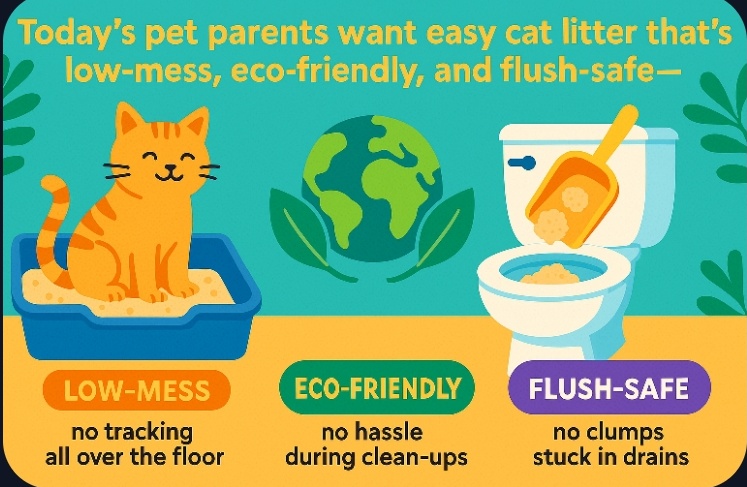
Switching to sustainable litter can lower your carbon pawprint while keeping your cat comfortable. Plus, some of these products flush safely, making cleanup easier and more environmentally responsible.
Health-focused Products
Health-conscious cat litters aim to protect both your cat and your family’s wellbeing. Low-dust and hypoallergenic formulas help reduce respiratory issues, especially for cats with asthma or allergies. There are litters infused with probiotics to support your cat’s urinary tract health by maintaining a balanced pH level.
Have you ever wondered if your cat’s litter could affect their health? Choosing the right litter can prevent infections and discomfort, making your pet happier and healthier in the long run.
Technological Advances
Technology has entered the litter box with smart cat litter solutions. Some litters change color to alert you if your cat might be sick, signaling issues like urinary tract infections early. Others work with automated self-cleaning litter boxes, simplifying your daily chores.
Imagine a litter that not only keeps your home fresh but also acts as an early warning system for your cat’s health. Would you consider investing in such technology to stay ahead of potential problems?

Credit: thekindpet.com
Frequently Asked Questions
Is Cat Litter Toxic To Cats?
Most cat litters are safe but some contain harmful chemicals. Clay-based litters can cause respiratory issues. Always choose non-toxic, dust-free options to protect your cat’s health.
Can Cat Litter Harm Humans?
Cat litter can pose health risks if inhaled or ingested. Dust and silica can irritate lungs. Handling litter with care and washing hands reduces risks, especially for pregnant women and children.
What Are The Dangers Of Scented Cat Litter?
Scented litters contain fragrances that can irritate cats’ sensitive noses. They may cause allergic reactions or respiratory problems. Unscented, natural litters are better for cats with sensitivities.
How To Choose Safe Cat Litter?
Look for natural, biodegradable, and dust-free litters. Avoid clumping litters with harmful chemicals. Research brands and read labels to ensure safety for both cats and humans.
Conclusion
Cat litter can be safe if used and handled correctly. Choose products made from natural materials to reduce risks. Always clean the litter box regularly to keep your cat healthy. Watch for any signs of allergies or breathing problems in your pet.
Proper disposal of used litter helps protect the environment. Understanding the types and ingredients helps make smart choices. Your cat’s safety depends on your care and attention. Keep learning and stay aware to provide a safe home. Simple steps can make a big difference for your pet’s well-being.

Lily Purrington is the founder of MyKittyPicks.com, a cozy corner of the web dedicated to helping cat lovers discover the best cat products, furniture, toys, and home decor ideas.
A lifelong cat enthusiast, Lily shares trusted tips, honest product recommendations, and stylish inspiration designed to keep kitties happy and homes beautiful.
Her mission is simple: to bring together practical advice and purr-fect picks that make life better for cats and the people who love them.


