
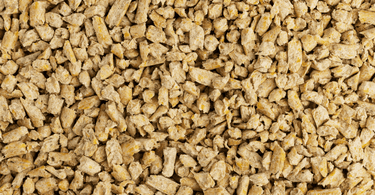
Have you ever stopped to think about what happens to your cat’s litter after you scoop it? If you care about the environment and want to make smarter choices for your furry friend, understanding whether cat litter is biodegradable is important.
You might be surprised by the answer—and how it can impact your daily routine and the planet. Keep reading to discover the truth about cat litter, what makes it biodegradable, and how you can choose the best option for your home and the earth.

Credit: www.tuftandpaw.com
Types Of Cat Litter
Cat litter comes in many types, each with unique features. Choosing the right one affects odor control, cleaning ease, and environmental impact. Understanding these types helps find the best match for your cat and home.
Clumping Vs Non-clumping
Clumping litter forms solid clumps when wet. This makes scooping waste easier and keeps the rest clean. Non-clumping litter absorbs moisture but does not clump. It requires full litter changes more often. Many prefer clumping for convenience and cleanliness.
Clay-based Litters
Clay litter is common and usually affordable. It absorbs moisture well and controls odor. Most clay litters are not biodegradable because they come from strip-mined sources. This can harm the environment. Clay litters often create dust and are heavy to carry.
Natural And Plant-based Options
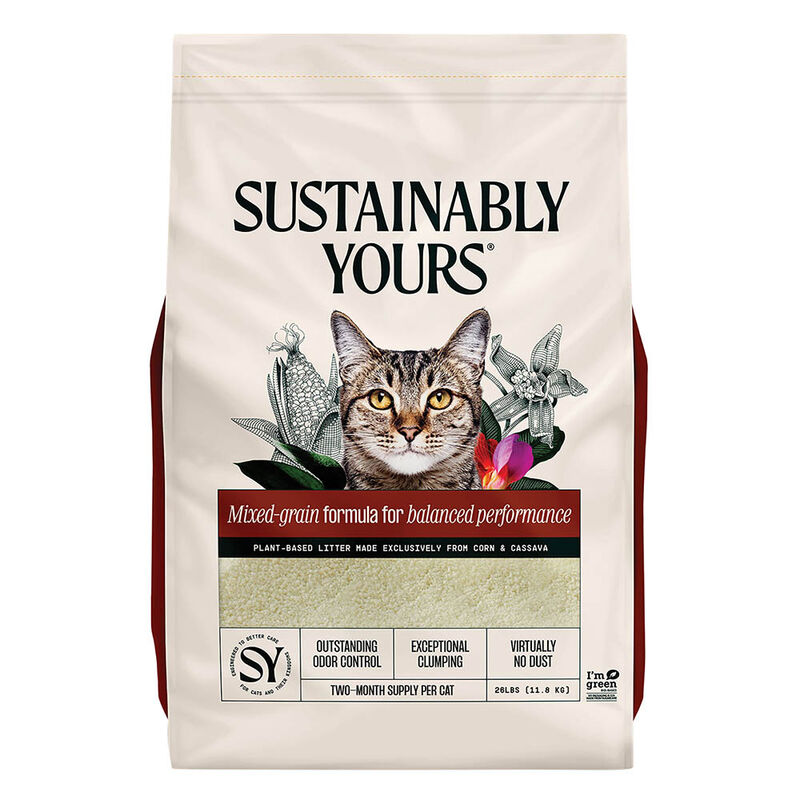
Natural litters use materials like corn, wheat, pine, or paper. These litters are usually biodegradable and eco-friendly. They break down faster in compost or landfill. Many plant-based litters also clump well and control odor naturally. These options suit owners wanting greener choices.
Credit: www.renspets.com
What Makes Litter Biodegradable
Understanding what makes cat litter biodegradable helps you choose products that are better for the planet and your home. Biodegradable litter breaks down naturally over time without leaving harmful residues. But what exactly allows some litters to decompose while others linger in landfills for years?
Materials That Break Down Naturally
Biodegradable cat litter usually contains materials like wood, corn, wheat, paper, or coconut shells. These are organic substances that microbes can easily digest, turning them into harmless components like water, carbon dioxide, and biomass.
For example, wood-based litters made from sawdust or pine pellets crumble and compost well. Paper litters, often made from recycled newspaper, dissolve quickly in water and decompose fast in soil. You might wonder if these litters absorb odors as well as clay-based ones, but many brands now balance natural ingredients with effective odor control.
On the other hand, clay litters, especially those made from bentonite, do not break down easily. They are mined from the earth and can take hundreds of years to decompose, posing a bigger environmental problem.
Environmental Impact Of Ingredients
The environmental impact of litter depends on its source and how it breaks down. Plant-based litters typically use renewable resources and have a smaller carbon footprint compared to clay.
Think about how much energy and water mining clay requires versus harvesting agricultural byproducts like corn husks or wheat straw. These byproducts would otherwise go to waste, so turning them into litter helps reduce overall waste.
However, not all biodegradable litters are equal. Some use additives or fragrances that might slow decomposition or introduce chemicals into the soil. When choosing litter, check the ingredient list for natural components and avoid synthetic fillers.
Have you considered how your choice of litter affects your garden or local landfill? Small changes in the litter you pick can add up to a big difference for the environment around you.
Popular Biodegradable Litters
Choosing the right cat litter can be a daunting task, especially with the growing variety of biodegradable options. These eco-friendly alternatives not only help reduce your carbon footprint but also ensure a safer environment for your feline friend. But which biodegradable litter should you choose?
Corn-based Litter
Corn-based litter is becoming a favorite among cat owners for its natural absorbency and odor control. Made from whole-kernel corn, it’s both biodegradable and flushable, making disposal easy and environmentally friendly. However, if you’re living in a humid area, be cautious as moisture can lead to mold growth.
Wheat And Rye Varieties
Wheat and rye litters offer a natural, clumping option that’s gentle on your cat’s paws. They are great at absorbing moisture and controlling odors with their natural enzymes. If you’re sensitive to dust, these might be a good choice since they produce minimal dust compared to clay litters.
Pine And Wood Pellets
Pine and wood pellets are known for their pleasant, natural scent that can mask litter box odors effectively. These pellets break down into sawdust when they get wet, making them easy to clean. They also tend to be less tracking, meaning less mess around your home.
Recycled Paper Options
Recycled paper litter is an excellent choice if you’re aiming for maximum environmental impact. It’s made from post-consumer paper, like newspapers, and is highly absorbent. Plus, it’s soft on your cat’s paws, making it a comfortable choice for cats with sensitive feet.
With so many biodegradable options available, which one aligns with your lifestyle and your cat’s needs? Choosing the right litter can make a significant difference in your household’s environmental footprint while keeping your home clean and fresh.

Credit: catit.ca
Benefits Of Biodegradable Cat Litter
Biodegradable cat litter offers several benefits beyond just waste disposal. It supports a greener lifestyle and promotes better health for pets. Choosing this type of litter can also help reduce waste and encourage sustainable habits at home.
Reduced Environmental Footprint
Biodegradable cat litter breaks down naturally in the environment. It avoids adding harmful chemicals or plastics to landfills. Many types come from renewable resources like corn, wheat, or pine. This reduces the demand for mining or heavy manufacturing. The lower energy needed for production means fewer carbon emissions. Overall, it helps protect soil and water quality.
Health Advantages For Cats
Natural materials cause less dust and fewer irritants. Cats with sensitive respiratory systems breathe easier. There is less risk of allergic reactions or infections. Many biodegradable litters avoid synthetic fragrances and chemicals. This creates a safer, more comfortable environment for cats. Owners often notice improved hygiene and fewer litter box issues.
Composting Potential
Some biodegradable cat litters can be composted safely. This turns waste into nutrient-rich soil for plants. Composting reduces garbage and promotes recycling at home. Care must be taken to avoid pathogens by using proper methods. Using biodegradable litter supports a circular waste system. This gives cat owners a practical way to lessen their ecological impact.
Challenges With Biodegradable Litter
Choosing biodegradable cat litter sounds like a win for the environment, but it comes with its own set of challenges. These litters often demand more from you in terms of cost, odor control, and availability. Understanding these hurdles can help you make a smarter choice for your pet and the planet.
Cost Considerations
Biodegradable litter tends to be pricier than traditional clay options. This is because the raw materials, such as corn, wheat, or wood fibers, are often more expensive to source and process.
You might notice that a bag of biodegradable litter doesn’t last as long, which means you spend more over time. Have you ever calculated how much more you could be paying monthly?
Odor Control Issues
Odor control is a major factor for any cat owner. Many biodegradable litters struggle to mask strong smells as effectively as clay-based litters.
Some brands add natural additives to combat odor, but these don’t always work equally well for every cat or household. Does your cat’s litter box smell fresh throughout the day, or do you find yourself needing to clean it more often?
Availability And Accessibility
Finding biodegradable litter can be tricky, especially if you don’t live near specialty pet stores. Many mainstream supermarkets and big-box retailers still stock mostly traditional clay litters.
Ordering online is an option, but it might add shipping costs and delay when you need a refill urgently. How often do you want to wait for your litter to arrive instead of picking it up locally?
How To Dispose Of Cat Litter Responsibly
Disposing of cat litter responsibly is crucial for both your home environment and the planet. How you handle your cat’s waste can reduce odors, prevent harmful chemicals from entering nature, and even support eco-friendly practices. Let’s look at practical ways to manage your cat litter disposal without causing harm.
Composting Guidelines
Not all cat litters are safe to compost. If you choose a biodegradable litter made from natural materials like wood, paper, or corn, you can add it to your compost pile. Avoid composting clumping or clay-based litters as they don’t break down easily and may contain harmful chemicals.
Separate the waste carefully. Remove any clumps or solid waste and dispose of them properly, then add only the clean, unused litter to your compost. Keep your compost pile well-aerated to speed up decomposition and reduce odors.
Trash Disposal Best Practices
Most cat litter will end up in the trash, but you can still minimize environmental impact by wrapping it properly. Use biodegradable bags or double-bag the litter to prevent leaks and odors. This also helps keep your trash container cleaner and reduces the chance of contamination.
Check with your local waste management service for specific guidelines, as some areas have rules against flushing or composting pet waste. You might find special disposal programs for pet waste in your community.
Avoiding Environmental Harm
Flushing cat litter down the toilet might seem convenient, but it often causes plumbing issues and pollutes waterways. Think about where your waste ends up and how it affects wildlife and water quality.
Choose litters made from sustainable materials and avoid those with harmful additives. Your choices influence the demand for eco-friendly products and help reduce landfill waste.
Have you ever wondered if your simple daily actions with cat litter could make a bigger difference? Taking a moment to dispose of it responsibly can protect your home, your pet, and the environment all at once.
Choosing The Right Eco-friendly Litter
Choosing the right eco-friendly cat litter is more than just picking a product labeled “green.” It involves understanding your cat’s habits, your lifestyle, and the environmental impact of your choice. Finding a balance between what works best for your feline friend and what benefits the planet can be surprisingly simple and rewarding.
Evaluating Your Cat’s Needs
Every cat has unique preferences and sensitivities. Some cats prefer fine, clumping litter, while others do better with coarser, non-clumping types. Consider your cat’s health—cats with respiratory issues might need dust-free options.
Think about odor control and absorbency too. An eco-friendly litter that doesn’t manage odor well could lead you back to less sustainable options. Have you noticed any reactions your cat has to certain litters? That’s a crucial clue.
Balancing Eco-friendliness And Practicality
Eco-friendly litters come in various materials like corn, wheat, pine, and recycled paper. Each has pros and cons in terms of biodegradability, odor control, and ease of cleaning. You want something that breaks down naturally but also fits your daily routine.
Will you scoop daily or use a liner? How often can you change the litter completely? Answering these questions helps you find a sustainable litter that won’t feel like a chore. What compromises are you willing to make to reduce your carbon pawprint?
Where To Buy Sustainable Litter
Not all stores carry a wide range of eco-friendly cat litters. Specialty pet stores often stock organic and biodegradable options. Online shops can be a goldmine, offering detailed product descriptions and customer reviews.
Look for brands transparent about their sourcing and production. Some local farms even sell pine or wood-based litters made nearby, cutting down transportation emissions. Could supporting small, local businesses make your eco-choice even stronger?
Frequently Asked Questions
What Materials Make Cat Litter Biodegradable?
Biodegradable cat litter is made from natural materials like corn, wheat, pine, paper, or wood. These ingredients break down easily in compost or landfill environments, reducing environmental impact compared to clay-based litters.
How Long Does Biodegradable Cat Litter Take To Decompose?
Biodegradable cat litter typically decomposes within 30 to 90 days. The exact time depends on the material and composting conditions, making it a more eco-friendly option than traditional clay litters.
Can Biodegradable Cat Litter Be Composted Safely?
Yes, most biodegradable cat litters can be composted if free from chemicals or additives. However, composting should exclude cat waste to avoid health risks. Always follow manufacturer guidelines for safe composting.
Is Biodegradable Cat Litter Better For The Environment?
Biodegradable cat litter is more environmentally friendly than clay litter. It uses renewable resources and breaks down naturally, reducing landfill waste and pollution. This choice supports sustainable pet care.
Conclusion
Choosing biodegradable cat litter helps protect the environment. It breaks down naturally and reduces waste. Many options use natural materials like corn, wheat, or wood. These litters are safer for the planet than traditional clay types. Remember to check product labels for true biodegradability.
Small changes in pet care make a big difference. Think about your cat and the earth together. Biodegradable litter offers a cleaner, greener solution for pet owners. Simple steps lead to a healthier home and world.

Lily Purrington is the founder of MyKittyPicks.com, a cozy corner of the web dedicated to helping cat lovers discover the best cat products, furniture, toys, and home decor ideas.
A lifelong cat enthusiast, Lily shares trusted tips, honest product recommendations, and stylish inspiration designed to keep kitties happy and homes beautiful.
Her mission is simple: to bring together practical advice and purr-fect picks that make life better for cats and the people who love them.


