

Have you ever wondered if your cat’s litter can be composted? If you’re like many pet owners, you want to be kind to the environment but aren’t sure if composting cat litter is safe or even possible.
You might worry about odors, germs, or harmful chemicals. What if you could reduce waste and help your garden at the same time? Keep reading, because we’ll uncover the truth about cat litter and composting—and what you need to know before you try it yourself.
Credit: www.almonature.com
Types Of Cat Litter
Cat litter comes in various types, each with unique materials and features. Knowing these types helps in choosing the right litter for your cat and your home. Some litters are better for the environment, while others focus on odor control or clumping ability.
Clay-based Litters
Clay-based litters are the most common type. They usually contain bentonite clay, which clumps well when wet. This makes cleaning easy and quick. However, clay litter is not biodegradable and can harm the environment. It is heavy and dusty, which some cats and owners dislike.
Biodegradable Options
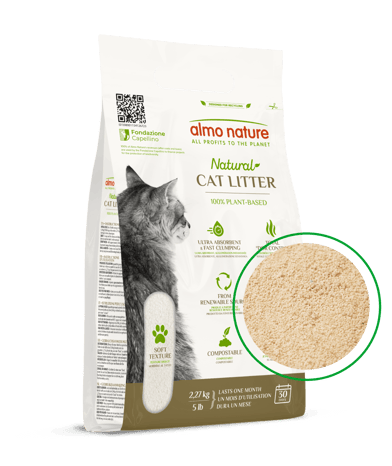
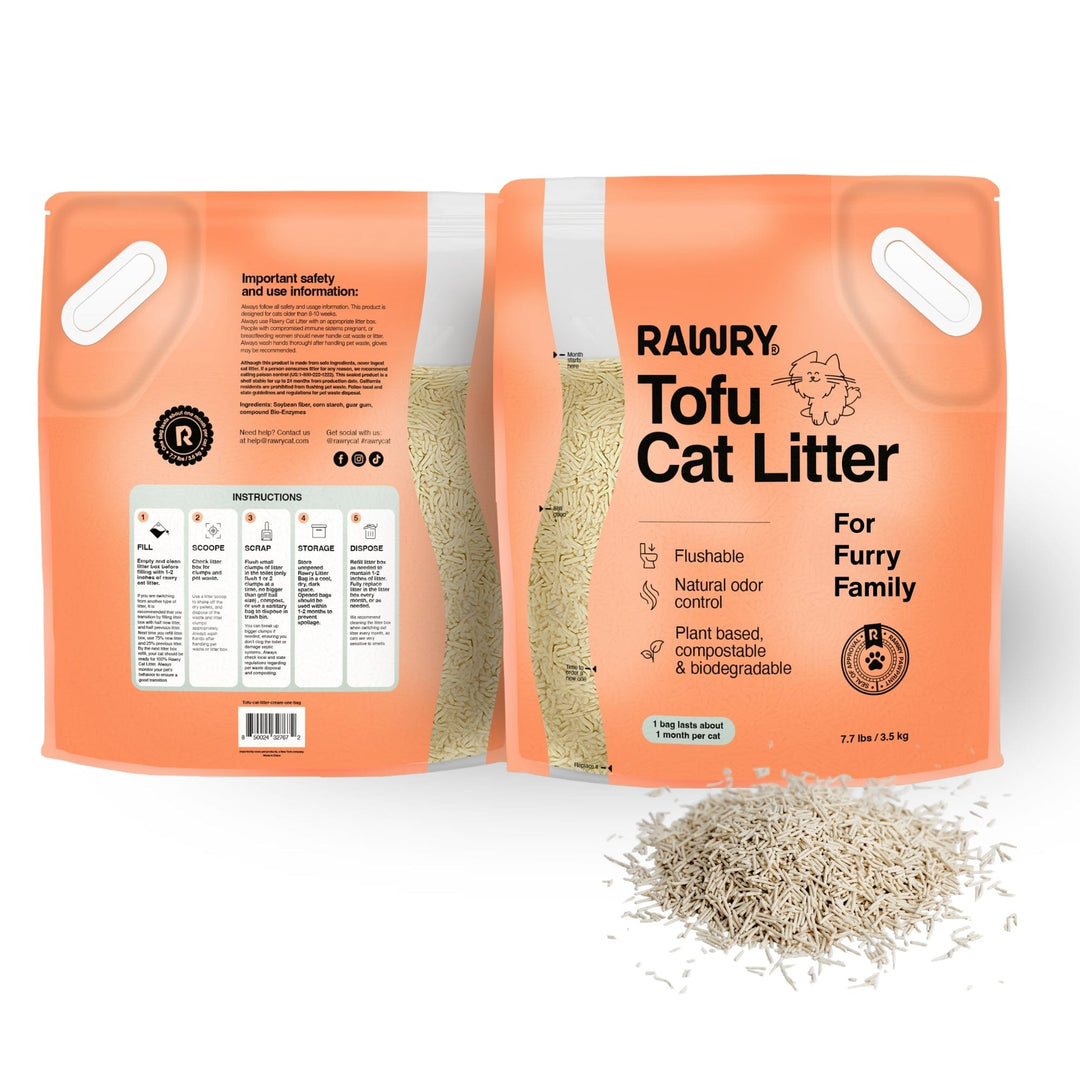
Biodegradable litters use natural materials like corn, wheat, pine, or paper. These litters break down over time and are better for composting. They are lighter and often less dusty than clay litters. Many owners prefer these for their eco-friendliness and safety for cats.
Silica Gel Litters
Silica gel litters contain tiny crystals that absorb moisture and control odor. They do not clump but stay dry on the surface. This litter is low dust and lightweight. Silica gel litter is not compostable and usually ends up in landfills.
Credit: rawrycat.com
Compostability Of Cat Litter
Thinking about composting your cat litter? It’s an idea that sounds great for reducing waste but comes with some important details you need to know. Not all cat litters break down the same way, and your choice can impact both your compost’s health and safety.
Which Litters Break Down Naturally
Some cat litters are made from natural materials like wood, corn, wheat, or paper. These types tend to break down in compost because they are organic and biodegradable.
For example, wood pellet litters often crumble into compost-friendly bits over time. Plant-based litters, such as those made from corn or wheat, also decompose well if kept moist and mixed properly with other compost materials.
However, always check the packaging or product info for compostability claims. Not all natural-sounding litters compost easily or safely.
Impact Of Clay And Silica On Compost
Clay and silica-based litters are popular but don’t break down in compost piles. Clay litter, especially bentonite clay, clumps well but remains intact and non-biodegradable.
Silica gel crystals absorb moisture but do not decompose. Adding these litters to your compost can lead to contamination and poor compost quality.
Have you ever noticed gritty bits in your compost? That’s often leftover clay or silica, which you don’t want in your garden soil.
Safety Concerns With Composting Cat Waste
Cat waste can carry harmful pathogens like Toxoplasma gondii, which pose health risks if not treated correctly. Composting cat litter with waste requires high temperatures to kill these organisms, which home compost bins rarely reach.
One option is to compost only the litter without waste or use specialized pet waste composters designed for safety. Otherwise, consider alternative disposal methods to protect your family and garden.
Ask yourself: Is the risk worth the benefit? Proper handling is key if you decide to compost cat litter containing waste.
Eco-friendly Disposal Methods
Eco-friendly disposal methods for cat litter can protect our planet. Many cat owners seek sustainable ways to manage their pet’s waste. Compostable cat litter offers an environmentally friendly option. But, using it correctly is crucial to avoid harm. Explore alternatives and prevent harmful chemicals in your disposal routine.
Using Compostable Cat Litter Properly
Compostable cat litter requires proper management to ensure effectiveness. Choose litter made from natural materials like corn, wheat, or paper. These materials break down naturally in compost. Avoid using clay-based or silica litter, as they do not decompose. Create a separate compost pile for cat waste. Do not use this compost on edible plants to avoid health risks.
Alternatives To Traditional Disposal
Consider alternative disposal methods to reduce landfill impact. Flushable cat litter is one option, but check local regulations. Some areas restrict flushing due to plumbing issues. Specialized waste removal services offer another solution. They collect and dispose of pet waste responsibly. You can also explore community composting programs. These initiatives often accept pet waste for composting.
Avoiding Harmful Chemicals
Many traditional litters contain harmful chemicals. These chemicals can leach into soil and water. Opt for natural, chemical-free litter to reduce environmental impact. Read labels carefully to ensure no artificial fragrances or additives. This choice protects both the environment and your cat’s health. By avoiding harmful chemicals, you contribute to a cleaner, safer world.
Credit: medium.com
Benefits Of Compostable Cat Litter
Choosing compostable cat litter offers more than just an eco-friendly alternative for your pet’s needs. It provides tangible benefits that impact your home, garden, and the planet. Understanding these advantages helps you make smarter decisions that align with your values and lifestyle.
Reducing Landfill Waste
Most traditional cat litters are made from clay or silica, which don’t break down easily and take up space in landfills for years. Compostable cat litter, made from materials like corn, wheat, or wood, decomposes naturally and quickly.
By switching, you cut down on the volume of waste sent to landfills. Have you ever thought about how much litter your cat uses in a month? Imagine all that piling up if it doesn’t break down.
Lowering Carbon Footprint
Compostable litter often requires less energy to produce compared to clay-based options. Since it’s biodegradable, it also reduces methane emissions—a harmful greenhouse gas that forms when organic waste decomposes in landfills without oxygen.
Using compostable litter means you play a part in lowering your household’s carbon footprint. How much difference can a simple switch make in your overall environmental impact?
Supporting Sustainable Gardening
Once composted properly, cat litter made from natural ingredients enriches your soil with nutrients. This can improve the health of your garden plants and reduce the need for chemical fertilizers.
Imagine turning your cat’s waste into something that helps your flowers bloom or your vegetables grow. Compostable litter supports a natural cycle that benefits both your home and the environment.
Choosing The Right Eco-friendly Litter
Choosing the right eco-friendly cat litter helps reduce waste and protect the environment. It also keeps your home fresh and your cat happy. Not all compostable litters are equal. Some break down faster, while others control odor better. Knowing what to check makes a big difference.
Factors To Consider
- Material: Look for natural ingredients like wood, corn, or paper.
- Biodegradability: Choose litter that breaks down fully in compost.
- Odor Control: Ensure it keeps smells under control without chemicals.
- Dust Levels: Low dust is better for your cat’s health and your home.
- Clumping Ability: Some compostable litters clump, making cleaning easier.
- Environmental Impact: Check if the brand uses sustainable sources.
Popular Compostable Brands
- World’s Best Cat Litter – made from whole-kernel corn.
- Ökocat Natural Wood Cat Litter – crafted from reclaimed wood fibers.
- Feline Pine – uses natural pine pellets without chemicals.
- SmartCat All Natural Clumping Litter – made from grass seed.
- ökocat Natural Wood Clumping Cat Litter – lightweight and biodegradable.
Cost And Availability
Eco-friendly litters often cost more than traditional clay types. Prices vary by brand and package size. Buying in bulk can reduce costs. Many stores and online shops stock popular compostable brands. Local availability depends on your region. Some brands offer subscription services for regular delivery.
Tips For Transitioning Your Cat
Transitioning your cat to a new type of litter can be challenging. Cats are creatures of habit and may resist change. Patience and careful steps help make the switch smooth and stress-free. Follow these tips to ease your cat into compostable litter successfully.
Gradual Introduction
Start by mixing a small amount of compostable litter with the current litter. Increase the new litter amount slowly over several days. This helps your cat get used to the texture and smell. Avoid sudden changes to prevent confusion or refusal.
Encouraging Acceptance
Make the litter box inviting by keeping it clean and accessible. Praise your cat when it uses the box correctly. Use treats or gentle petting as positive reinforcement. Place the box in a quiet, low-traffic area to reduce stress.
Monitoring Health And Behavior
Watch your cat for signs of discomfort or stress. Check for changes in bathroom habits, like avoiding the box or accidents. Look for any skin irritation or unusual behavior. Consult a vet if problems continue or worsen during the transition.
Frequently Asked Questions
Is Cat Litter Safe For Composting At Home?
Not all cat litters are safe for home composting. Natural, biodegradable litters like wood or paper can be composted. Avoid clay or clumping litters as they contain harmful chemicals and do not break down easily. Always check product labels before composting.
Which Cat Litter Types Are Compostable?
Biodegradable cat litters made from wood, paper, wheat, or corn are compostable. These materials break down naturally and enrich soil. Avoid clay-based or silica gel litters because they are not eco-friendly and do not decompose well.
Can Composted Cat Litter Be Used In Gardens?
Composted cat litter should not be used directly in edible gardens. It may contain harmful pathogens. Use it only for ornamental plants or non-food areas after thorough composting at high temperatures to ensure safety.
How Long Does Cat Litter Take To Compost?
Biodegradable cat litter typically takes 3 to 6 months to fully compost. Composting time varies depending on litter type, moisture, temperature, and aeration. Proper composting conditions speed up the breakdown process.
Conclusion
Choosing compostable cat litter helps reduce waste and protect nature. Many types break down safely in compost piles. Some litters work better for compost than others. Avoid clumping or clay litters for composting. Always check the product label before composting.
Composting cat litter needs care to avoid germs. This practice supports a cleaner environment and less landfill trash. Small changes in pet care can make a big difference. Consider compostable litter as a simple eco-friendly choice. Your pets and the planet both benefit from it.

Lily Purrington is the founder of MyKittyPicks.com, a cozy corner of the web dedicated to helping cat lovers discover the best cat products, furniture, toys, and home decor ideas.
A lifelong cat enthusiast, Lily shares trusted tips, honest product recommendations, and stylish inspiration designed to keep kitties happy and homes beautiful.
Her mission is simple: to bring together practical advice and purr-fect picks that make life better for cats and the people who love them.


