
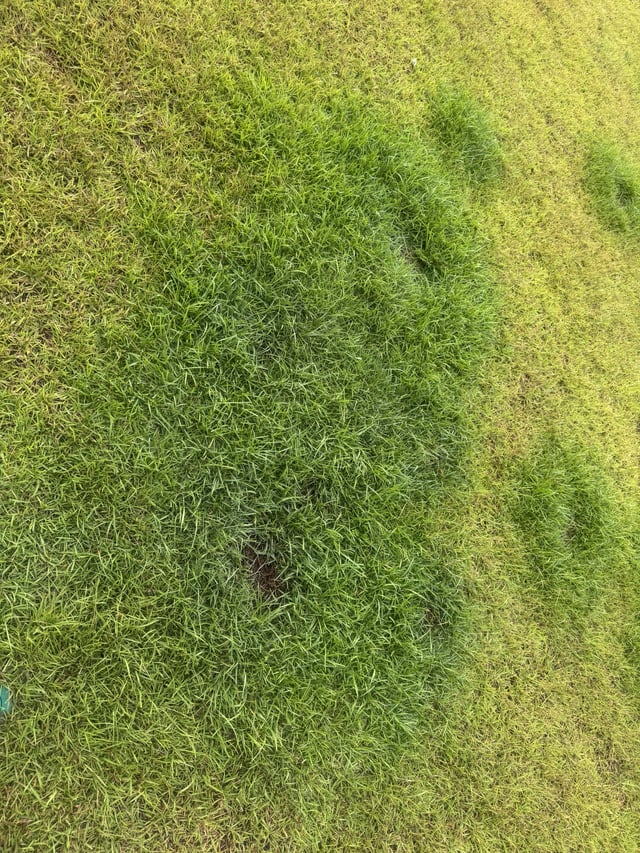
Have you noticed patches of dead grass in your yard and wondered if your cat’s visits might be the cause? You’re not alone.
Many pet owners struggle with the frustrating question: does cat urine kill grass? If you want to protect your lawn without keeping your furry friend indoors all the time, understanding how cat urine affects grass is key. Keep reading, and you’ll discover simple ways to save your lawn while still enjoying your pet’s company outside.
Credit: www.holmesutah.com
Why Cat Urine Affects Grass
Understanding why cat urine affects grass can help you protect your lawn and keep it green. The damage isn’t just random; it comes down to specific chemicals and how they interact with your grass. Knowing what’s in cat urine and how it impacts grass growth can guide you to better lawn care strategies.
Composition Of Cat Urine
Cat urine contains a mix of water, waste products, and chemicals like urea, ammonia, and salts. Urea breaks down into nitrogen compounds, which grass needs in small amounts but can harm in excess.
Ammonia and salts in urine create a concentrated solution that can burn grass blades and roots. This blend of substances makes cat urine especially potent on your lawn.
Impact Of Nitrogen Levels
Nitrogen is essential for grass growth, but too much can be toxic. Cat urine often delivers a nitrogen overload in a small area, causing the grass to turn yellow or brown.
Think about how fertilizer works—controlled amounts help, but a nitrogen spike from urine acts like a chemical burn. This imbalance stresses the grass, sometimes killing it outright.
Role Of Urine Concentration
The concentration of cat urine plays a big role in how much damage it causes. A single, highly concentrated spray can be more harmful than multiple diluted spots.
Factors like your cat’s hydration and diet affect urine strength. If your cat drinks less water, their urine is more concentrated, increasing its potential to kill grass.

Credit: www.reddit.com
Symptoms Of Urine Damage On Grass
Cat urine can harm grass in several visible ways. Recognizing these signs helps in early action to save your lawn. Damage from urine is often clear and affects grass health and color.
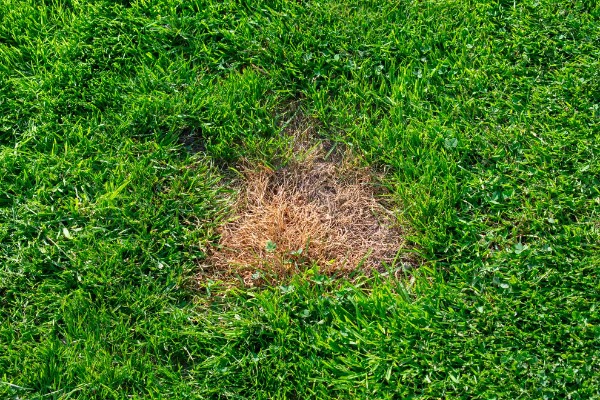
Yellow And Brown Patches
One common sign is yellow or brown spots on the lawn. These patches appear where cats frequently urinate. The grass loses its green color and looks dry or scorched. These discolored areas stand out against healthy grass.
Grass Thinning And Dieback
Urine can cause grass to thin out and die back in spots. The affected grass blades become weak and sparse. Over time, these areas shrink as more grass dies. This creates bare patches with little or no growth.
Soil Condition Changes
Cat urine alters the soil’s health beneath the grass. It increases nitrogen levels, which can burn roots. The soil may become compacted or lose nutrients. These changes make it hard for grass to grow back strong.
Factors Influencing Grass Damage
Grass damage from cat urine depends on several factors that affect how your lawn reacts to the nitrogen and salts in the urine. Understanding these influences helps you manage or prevent those unsightly brown patches effectively. Let’s break down what plays a key role in whether your grass survives or suffers.
Type Of Grass
Not all grass types handle cat urine the same way. Some grasses, like Kentucky bluegrass and perennial ryegrass, are more sensitive and show damage quickly. On the other hand, fescues and Bermuda grass tend to be more resilient and recover faster.
If you have a lawn with a more sensitive grass, you might notice spots turning yellow or brown after just a few visits from your cat. Have you checked what type of grass you have? This knowledge can guide your choice of lawn care products or even the grass species you plant.
Frequency Of Urination
Repeated urination in the same spot is a big reason grass dies. The nitrogen in cat urine acts like fertilizer in small amounts but becomes toxic when concentrated. Your cat’s habit of returning to favorite spots means the grass doesn’t get a chance to recover.
Try observing your cat’s behavior. Does it return to one place often? If yes, spreading out those visits or training your cat to use a litter box outdoors could save your lawn. Even occasional watering after your cat urinates can dilute the urine and reduce damage.
Environmental Conditions
The weather and soil conditions also influence how grass reacts. During dry spells, urine damage worsens because the grass is already stressed and less able to recover. Conversely, in wet conditions, urine is diluted faster, causing less harm.
Soil type matters too. Sandy soils drain quickly and may reduce urine concentration, while clay soils hold moisture and urine longer, increasing damage risk. What’s the climate like where you live? Adjust your lawn care routine to match those conditions and protect your grass better.
Credit: pethelpful.com
Preventing Urine Damage
Cat urine can harm grass by burning it due to high nitrogen levels. Rinsing the area with water quickly helps reduce damage. Planting hardy grass types also lowers the risk of dead patches.
Preventing urine damage to your lawn is key to maintaining a lush, green yard that your neighbors will envy. While your feline friends may not understand the impact their bathroom habits have on your grass, you can take effective measures to minimize the damage. With some training and a few strategic interventions, you can protect your lawn and keep it looking vibrant.Training Cats To Use Designated Areas
Encouraging your cat to use specific areas for their bathroom needs can save your grass. Start by placing a litter box or a patch of sand in a corner of your yard. Cats are naturally drawn to sandy textures for their bathroom needs, making this an inviting option. Reward your cat with treats and affection when they use the designated area. Consistent reinforcement helps them learn quickly. Over time, this simple training can significantly reduce the risk of urine spots on your lawn.Using Lawn Treatments
Certain lawn treatments can neutralize the effects of cat urine. Look for products specifically designed to protect grass from pet urine damage. These treatments often contain enzymes that break down the compounds in urine, preventing them from burning your grass. Apply these treatments regularly to maintain their effectiveness. It’s a proactive step that ensures your lawn remains healthy even if your cat occasionally misses the mark.Physical Barriers And Repellents
Installing physical barriers can deter cats from accessing sensitive parts of your lawn. Consider using decorative fencing or plant bushes that naturally keep cats away. This physical separation can help guide them to designated areas. Additionally, you can use repellents made from natural ingredients like citrus peels or vinegar. Cats dislike these scents, encouraging them to steer clear of treated areas. These simple solutions can help protect your lawn while keeping your feline friend content.Repairing Grass After Urine Damage
Repairing grass after urine damage takes some care and attention. Cat urine contains high nitrogen levels, which can burn grass and leave brown spots. Fixing these spots requires watering, reseeding, and improving the soil. Act quickly to help your lawn recover and look green again.
Watering And Dilution Techniques
Water the affected area immediately after spotting damage. Use plenty of water to dilute the urine and reduce its nitrogen concentration. This helps prevent the grass from burning further. Water deeply to flush the urine below the root zone. Repeat this process several times over a few days for best results.
Reseeding And Lawn Care
Remove dead grass from the damaged spots by gently raking. Spread grass seed suitable for your climate and soil type. Lightly cover the seeds with soil to protect them. Keep the area moist until the new grass grows strong. Avoid heavy foot traffic on the new grass to help it establish well.
Soil Amendment Options
Test your soil to check its pH and nutrient levels. Adding gypsum can help neutralize excess nitrogen and improve soil structure. Organic compost boosts soil health and supports new grass growth. Avoid over-fertilizing, which can worsen urine damage. Healthy soil helps grass recover faster and stay green.
Alternatives To Protect Lawns
Protecting your lawn from cat urine damage is possible with smart alternatives. These solutions help keep grass healthy and your yard looking good. They also provide a safe space for pets to play and roam.
Artificial Turf
Artificial turf offers a durable, grass-like surface. It does not get damaged by pet urine. This option saves water and reduces lawn care tasks. It stays green and clean all year. It is easy to wash and maintain. Artificial turf is pet-friendly and long-lasting.
Pet-friendly Landscaping
Choose plants and ground covers that tolerate pet urine. Use hardy grasses like fescue or ryegrass. Add mulch or gravel in play areas. These materials absorb urine and reduce grass burn. Plant shrubs or bushes to create barriers. This landscaping style protects the lawn and adds beauty.
Designated Pet Zones
Create specific areas for pets to relieve themselves. Use gravel, sand, or mulch in these zones. Train pets to use these spots consistently. This keeps the rest of the lawn safe. Adding a small fence or border helps define the zone. It controls damage and keeps the yard neat.
Frequently Asked Questions
Does Cat Urine Damage Grass Permanently?
Yes, cat urine can damage grass due to high nitrogen and salts. This causes yellow or dead patches. Damage may be permanent if urine is frequent and untreated.
Why Does Cat Urine Kill Grass Quickly?
Cat urine contains concentrated nitrogen and salts. These chemicals burn grass blades and roots. This rapid burn causes grass to turn yellow or brown fast.
Can Watering Grass Fix Cat Urine Damage?
Watering grass dilutes urine chemicals, reducing their harmful effects. It helps grass recover if done immediately after urination. However, repeated urine spots may still kill grass.
How To Prevent Cat Urine From Killing Grass?
Train cats to use litter boxes or designated areas. Use repellents or barriers to keep cats off lawns. Regular watering also helps minimize urine damage.
Conclusion
Cat urine can harm grass because of its high nitrogen content. This often causes yellow or brown patches in your lawn. Treating these spots quickly helps grass recover faster. Watering the area can dilute the urine and protect roots. Using lawn repair products may also help regrow grass.
Understanding this problem allows you to keep a healthy yard. Small steps make a big difference in lawn care. Stay patient and consistent for the best results. Your grass can bounce back with proper attention.

Lily Purrington is the founder of MyKittyPicks.com, a cozy corner of the web dedicated to helping cat lovers discover the best cat products, furniture, toys, and home decor ideas.
A lifelong cat enthusiast, Lily shares trusted tips, honest product recommendations, and stylish inspiration designed to keep kitties happy and homes beautiful.
Her mission is simple: to bring together practical advice and purr-fect picks that make life better for cats and the people who love them.


