

Is your cat having trouble urinating? It can be worrying to see your furry friend in discomfort.
You want to help, but you might not know where to start. This guide will show you simple, effective ways to encourage your cat to urinate safely. By the end, you’ll feel more confident in supporting your pet’s health and comfort.
Keep reading to discover easy tips that could make all the difference for your cat.
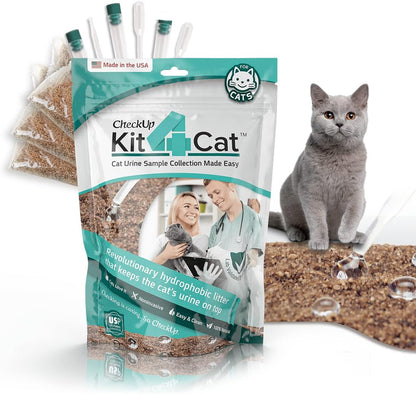
Credit: www.checkupkit.com
Signs Of Urinary Issues In Cats
Noticing signs of urinary problems in cats is crucial for their health. These issues can cause pain and discomfort. Early detection helps prevent serious complications. Cats often hide their pain, making it hard to spot problems. Watch carefully for changes in their bathroom habits and behavior.
Common Symptoms To Watch For
- Frequent attempts to urinate with little output
- Straining or crying while urinating
- Blood in the urine
- Urinating outside the litter box
- Strong or unusual urine smell
- Licking the genital area more than usual
- Excessive grooming near the urinary opening
- Signs of discomfort or restlessness
- Loss of appetite or lethargy
When To Seek Veterinary Help
Immediate veterinary care is needed if your cat cannot urinate. This condition is life-threatening. Seek help if you see blood in the urine. Also, visit a vet when your cat strains repeatedly. Persistent urination outside the litter box needs attention. If your cat shows pain or lethargy, get veterinary advice. Early treatment can save your cat’s life and ease suffering.
Causes Of Urination Problems
Urination problems in cats can signal serious health issues. Understanding the causes helps in providing the right care. These problems often make cats uncomfortable and can lead to more serious complications.
Urinary Tract Infections
Urinary tract infections (UTIs) are common in cats. They cause pain and frequent urination. Bacteria enter the urinary tract, leading to inflammation. Cats may cry while peeing or visit the litter box often. Early treatment with antibiotics can clear infections quickly.
Bladder Stones And Crystals
Bladder stones and crystals form from minerals in the urine. They irritate the bladder and block urine flow. This condition causes difficulty and pain during urination. Stones can also cause blood in the urine. Special diets and vet care help dissolve or remove stones.
Stress And Behavioral Factors
Stress can cause urination problems in cats. Changes in the home or routine may trigger this. Cats might urinate outside the litter box due to anxiety. Behavioral issues sometimes mimic physical problems. Creating a calm environment often improves their urination habits.
Encouraging Your Cat To Urinate
Gentle petting and a calm voice can help your cat feel safe and ready to urinate. Offering fresh water and keeping the litter box clean encourages regular use. Sometimes, placing your cat in a warm, quiet spot helps stimulate urination naturally.
Encouraging your cat to urinate might seem like a peculiar task, but there are times when it becomes necessary. Whether your feline friend is dealing with a urinary issue or you need a sample for the vet, knowing how to gently encourage urination can be helpful. This process requires patience, a gentle touch, and a bit of creativity.Creating A Comfortable Environment
Setting up a stress-free space can make all the difference. Ensure your cat's litter box is clean and placed in a quiet area. You could try using a new type of litter or adding more litter boxes around your home to offer choices. Cats appreciate privacy. Make sure their litter box is in a secluded spot. Sometimes, simply moving the box to a quieter location can encourage them to go.Using Warm Water Stimulation
Warm water can be a gentle nudge for your cat’s bladder. Take a soft cloth and soak it in warm water. Gently apply it to your cat’s lower abdomen and see if it helps stimulate urination. This method mimics the natural grooming process. Cats find the warmth comforting, which may help them relax and urinate.Gentle Massage Techniques
Massaging your cat’s abdomen can also encourage urination. Use your fingertips to apply light pressure on the bladder area, located just before the hind legs. Ensure your cat is comfortable and relaxed. If your cat shows signs of discomfort, stop immediately. Have you ever noticed how a gentle touch can ease tension? The same applies to your cat, especially in sensitive situations like this.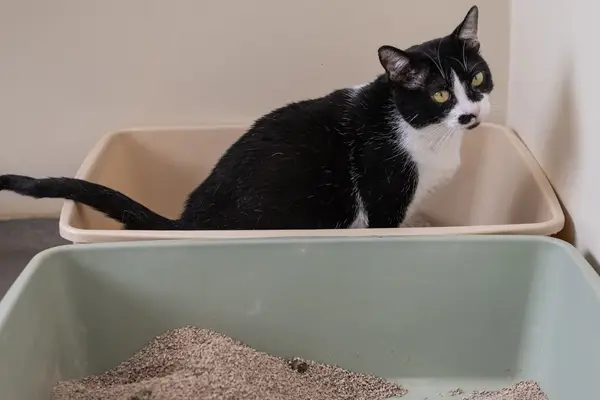
Credit: gsvs.org
Diet And Hydration Tips
Helping your cat urinate regularly starts with paying close attention to their diet and hydration. What your cat eats and drinks directly affects their urinary health and comfort. Adjusting these can make a noticeable difference in how often and how easily your cat urinates.
Wet Food Benefits
Wet food contains a high percentage of water, which naturally increases your cat’s fluid intake. Cats often don’t drink enough water on their own, so wet food helps keep them hydrated without extra effort from you.
Many cat owners notice fewer urinary issues after switching to wet food. It’s not just about hydration; wet food is often easier to digest and can be more appealing, encouraging your cat to eat regularly.
Increasing Water Intake
Encouraging your cat to drink more water can be as simple as adding fresh water in multiple spots around your home. Some cats prefer running water, so a pet water fountain might catch their interest.
You can also try flavoring the water with a little tuna juice or low-sodium broth to make it more inviting. Have you noticed your cat drinking more from their bowl or avoiding it altogether? Observing these habits can help you adjust your approach.
Supplements For Urinary Health
Supplements like cranberry extract, omega-3 fatty acids, and certain vitamins support urinary tract health. These can help reduce inflammation and prevent infections, making urination easier and less painful for your cat.
Always consult your vet before adding supplements to your cat’s diet. Some supplements might interact with medications or not suit your cat’s specific condition, but the right ones can be a powerful aid in promoting healthy urination.
When To Visit The Veterinarian
Knowing when to visit the veterinarian is crucial if your cat struggles to urinate. Cats can have serious health issues that need quick care. Watching your cat’s behavior and physical signs helps prevent emergencies. Early vet visits improve your cat’s chance of recovery. Do not wait if you notice troubling symptoms. Your vet can provide the right help and treatment.
Emergency Signs To Watch For
- Straining to urinate without success
- Frequent trips to the litter box with little output
- Blood in the urine or unusual color
- Excessive licking of the genital area
- Signs of pain, such as crying or hiding
- Loss of appetite or vomiting
- Weakness or lethargy
These signs may indicate a urinary blockage or infection. Immediate veterinary care is essential. A blocked cat can suffer life-threatening complications quickly.
Diagnostic Tests And Treatments
The veterinarian will examine your cat thoroughly. They may perform tests like:
- Urinalysis to check urine components
- Blood tests for kidney function and infection
- X-rays or ultrasound to detect blockages or stones
- Physical examination of the abdomen
Treatments depend on the diagnosis. Options include:
- Flushing the urinary tract to remove blockages
- Medications to relieve pain and infection
- Diet changes to prevent future issues
- Hospitalization for severe cases
Follow your vet’s advice carefully. Early treatment leads to better outcomes.
Credit: www.tippaws.com
Frequently Asked Questions
How Can I Encourage My Cat To Urinate Safely?
Provide a clean litter box in a quiet area. Use familiar litter and ensure your cat drinks enough water. Regular vet checkups help identify health issues affecting urination.
What Signs Indicate My Cat Is Having Urination Problems?
Look for frequent trips to the litter box, straining, or blood in urine. Changes in behavior or urination outside the box also signal problems.
When Should I Take My Cat To The Vet For Urination Issues?
Visit the vet immediately if your cat strains to urinate, has blood in urine, or stops urinating. Early treatment prevents serious health complications.
How Does Diet Affect My Cat’s Urination Habits?
A balanced diet with sufficient moisture supports healthy urination. Wet food increases water intake, reducing urinary tract problems. Consult your vet for dietary recommendations.
Conclusion
Helping your cat urinate is important for its health. Watch for signs of discomfort or changes in behavior. Offer fresh water and a clean litter box often. Use gentle methods to encourage urination without stress. If problems continue, contact a vet quickly.
Early care can prevent serious health issues. Stay patient and calm with your cat throughout. Small steps make a big difference in their well-being.

Lily Purrington is the founder of MyKittyPicks.com, a cozy corner of the web dedicated to helping cat lovers discover the best cat products, furniture, toys, and home decor ideas.
A lifelong cat enthusiast, Lily shares trusted tips, honest product recommendations, and stylish inspiration designed to keep kitties happy and homes beautiful.
Her mission is simple: to bring together practical advice and purr-fect picks that make life better for cats and the people who love them.


