

If you have an outdoor cat, you know how tricky it can be to manage where they do their business. What if you could teach your cat to use a litter box instead?
Imagine the convenience of having your furry friend come inside and use a clean, designated spot every time. This isn’t just wishful thinking—it’s something you can achieve with the right approach. You’ll discover simple, effective steps to train your outdoor cat to use a litter box.
Keep reading, because the solution to a cleaner home and happier pet is easier than you think.
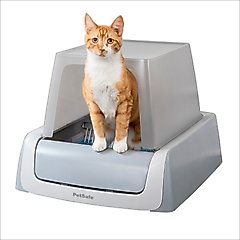
Credit: www.chewy.com
Choosing The Right Litter Box
Choosing the right litter box for your outdoor cat is crucial to successful training. The right box makes your cat feel comfortable and encourages consistent use. It also helps keep your outdoor space clean and odor-free.
Size And Type Options
Your cat needs enough space to move around freely inside the litter box. A box that’s too small can frustrate your cat, causing accidents outside the box. Larger boxes give your cat room to dig and cover waste, which is a natural behavior.
Consider the type of box that suits outdoor conditions. Covered boxes help control odors and keep rain or debris out, but some cats dislike the enclosed space. Open boxes are easier to clean and ventilate but can expose the litter to weather elements.
- Plastic trays:Durable and easy to clean but may need a cover for outdoor use.
- Self-cleaning boxes:Great for busy owners but may confuse some cats initially.
- Disposable trays:Convenient for temporary setups or travel.
Which type feels right for your cat’s personality and your outdoor environment? Testing a few options might reveal what works best.
Placement Tips For Outdoor Areas
Where you place the litter box affects your cat’s willingness to use it. Choose a quiet spot away from heavy foot traffic and loud noises. Cats value privacy when doing their business.
Protect the box from rain and direct sunlight by placing it under a shelter or shaded area. This keeps the litter dry and comfortable. Also, consider easy access for your cat but out of reach for other animals.
- Place the box near where your cat usually roams outdoors.
- Ensure the surface beneath the box is level to prevent spills.
- Keep the area clean and check the box regularly to maintain hygiene.
Have you noticed your cat avoiding certain spots outside? That might indicate the need to adjust the box’s location for better acceptance.
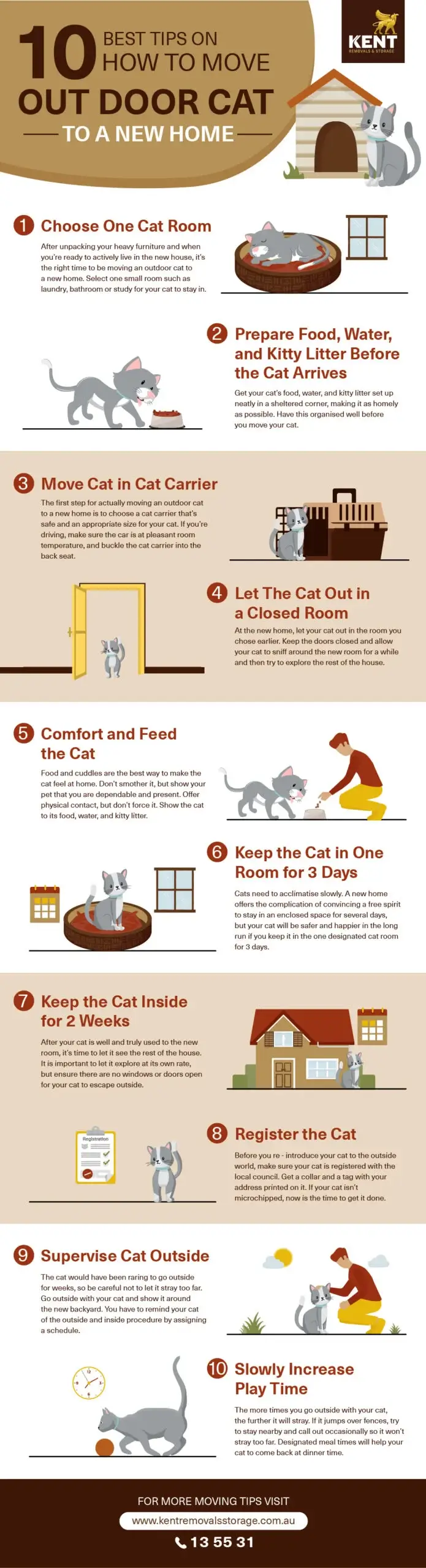
Credit: www.kentremovalsstorage.com.au
Selecting Suitable Cat Litter
Choosing the right cat litter helps your outdoor cat adjust to the litter box easily. Soft, clumping litter often feels more natural and comfortable for cats. Keep the litter clean to encourage regular use and prevent odors.
Training an outdoor cat to use a litter box can be a rewarding experience, but it all starts with selecting the right cat litter. Choosing the perfect litter not only makes the transition smoother for your feline friend but also ensures they feel comfortable using it. The right choice can even make the difference between success and a litter box avoidance issue. Let’s explore some essential considerations to help you make the best decision for your outdoor cat.Materials That Attract Cats
Cats have their preferences, and using materials that naturally attract them can make the training process easier. Most cats are drawn to litter that mimics the texture and feel of natural ground surfaces. Look for options like fine-grained litters, which resemble sand or soil, as these can be more appealing for outdoor cats accustomed to the feel of the earth beneath their paws. Some litters come infused with cat-attracting scents, such as catnip or herbal blends. These scents can act as a beacon, guiding your cat to the box. Have you ever noticed how your cat goes crazy for catnip toys? That same allure can work wonders in encouraging them to use their litter box.Weather-resistant Choices
Outdoor environments can be unpredictable, with rain, snow, or strong winds affecting the usability of your cat’s litter box. Selecting weather-resistant litter is crucial for maintaining a functional and appealing box. Clumping litters that maintain their integrity even in damp conditions are excellent for outdoor use, as they prevent the formation of a soggy mess. Consider the durability of the litter box itself. A robust, covered box can shield the litter from adverse weather, ensuring it remains dry and inviting. Have you ever tried sitting on wet grass? It’s unpleasant. Your cat feels the same way about a damp litter box. Keeping it dry and comfortable is key to success. By taking the time to select the right litter, you’re not just making your life easier; you’re creating a welcoming environment for your outdoor cat. This simple choice can make all the difference in their training and comfort. So, which type of litter will you choose for your furry friend?Preparing The Outdoor Space
Preparing the outdoor space is key to helping your cat get comfortable with using a litter box outside. The environment you create will encourage your cat to adopt this new habit quickly and with less stress. It’s about making the space inviting and safe, so your cat feels confident every time they go.
Creating A Comfortable Environment
Start by choosing a spot that your cat already visits often. Cats prefer familiar places, so placing the litter box near their favorite hangout can make the transition smoother.
Keep the area clean and dry. Add some natural shade or a small shelter to protect the box from rain and direct sunlight. This keeps the litter dry and your cat comfortable, especially on hot or rainy days.
Consider the type of litter you use. If your cat is used to a certain texture inside the house, try to match that outdoors. This familiarity helps your cat feel more at ease with the new setup.
Ensuring Safety And Privacy
Privacy is critical. Cats seek quiet, hidden spots for their bathroom needs. Position the litter box where it’s shielded from busy paths or loud noises. This reduces stress and encourages consistent use.
Check the area for any hazards. Avoid places with toxic plants, sharp objects, or where other animals might disturb your cat. You want your cat to feel safe and secure every time they visit the litter box.
Think about fencing or barriers if other pets or wildlife could interfere. Even a simple screen can provide a sense of security and keep the litter box area exclusive for your cat.

Credit: smart.dhgate.com
Introducing The Litter Box To Your Cat
Introducing a litter box to an outdoor cat can feel like a big change, but it’s absolutely doable with patience and the right approach. The key is to make the litter box a familiar and inviting place rather than a foreign object. Start by creating positive experiences around the box, so your cat feels comfortable and curious rather than wary.
Initial Familiarization Techniques
Place the litter box in a quiet, accessible spot where your cat already spends time. Outdoor cats are used to privacy, so avoid busy or noisy areas. Let your cat explore the box at their own pace without forcing them inside.
Try sprinkling a small amount of soil or grass from your yard into the box to make the texture familiar. You can also gently move some of your cat’s droppings into the box to signal its purpose. This simple trick can help your cat associate the box with their usual bathroom habits.
Observe your cat’s behavior closely during this time. Are they sniffing the box? Are they curious or hesitant? This feedback guides your next steps and helps you avoid pushing too hard.
Using Positive Reinforcement
Reward your cat for any interaction with the litter box—whether it’s sniffing, stepping inside, or using it. Use treats, gentle petting, or soft praise immediately after the desired behavior to strengthen the connection.
Consistency is crucial. Make sure everyone in your household knows to reward the cat for using the box. This steady encouragement helps your cat understand that the litter box is a good thing.
Remember, patience beats punishment. If your cat ignores the box or has accidents, don’t scold. Instead, clean the area thoroughly to remove odors and continue guiding your cat gently towards the litter box. What small rewards could motivate your cat to explore the box more confidently?
Training Steps To Encourage Use
Training an outdoor cat to use a litter box takes patience and clear steps. Consistency helps your cat feel safe and learn faster. This section covers key actions to encourage your cat to use the litter box regularly.
Establishing A Routine
Create a daily schedule for your cat’s litter box visits. Place the box in a quiet, easy-to-access spot outdoors. Bring your cat to the box at regular times, such as after meals or naps. Praise your cat softly when it uses the box. This positive feedback builds good habits.
Keep the litter box clean to invite use. Scoop waste at least once daily. Wash the box weekly with mild soap and water. Cleanliness reduces odors and makes the box more appealing.
Handling Accidents Calmly
Accidents will happen. Stay calm and avoid punishment. Use a gentle voice to guide your cat back to the litter box. Clean accident spots thoroughly to remove smells. This prevents your cat from returning to the same place.
Observe your cat’s behavior to spot patterns. Adjust the box location or routine as needed. Patience and calm reactions encourage your cat to trust you and learn faster.
Maintaining The Litter Box Outdoors
Keeping a litter box outdoors clean and functional requires extra attention. Unlike indoor boxes, outdoor ones face dirt, weather, and wildlife challenges daily. You want your cat to feel comfortable and willing to use the box regularly, so maintaining it well is key.
Cleaning And Odor Control
Cleaning the outdoor litter box often is essential. Dirt and moisture can mix with waste, creating unpleasant smells quickly. Scoop the box at least once a day to keep it fresh and inviting for your cat.
Consider using clumping litter designed to control odor better. Adding a small amount of baking soda under the litter can help absorb smells without harming your cat. Have you noticed how some litters hold scent longer? Testing a few types can save you time and trouble.
Rinse the box with mild soap and water weekly. Avoid harsh chemicals that could scare your cat away. Keeping a dedicated scoop and gloves nearby makes the job faster and cleaner.
Protecting From Weather Elements
Rain, wind, and sun can all affect your outdoor litter box. Position the box in a sheltered spot, like under a porch or inside a small wooden enclosure. This protects the litter from getting soaked and keeps your cat dry.
Adding a simple roof or cover can reduce litter scattering during windy days. If temperatures drop, consider placing the box on a raised platform to avoid cold, damp ground. Have you tried using insulated boxes or liners? They can make a big difference in colder seasons.
Remember, a litter box exposed to direct sunlight may dry out the litter too fast, making it dusty and uncomfortable. Finding a balance between shade and ventilation will help maintain the ideal environment for your outdoor cat.
Troubleshooting Common Issues
Training an outdoor cat to use a litter box can present unique challenges. Some cats resist change or show unexpected behaviors. Understanding common issues helps fix problems quickly. Patience and consistency are key to success.
Dealing With Reluctance
Some outdoor cats refuse the litter box at first. They may prefer dirt or grass. To encourage use:
- Place the box near the cat’s usual bathroom spot
- Use litter similar to outdoor soil
- Keep the box clean and odor-free
- Give the cat time to adjust
- Offer gentle praise when the cat uses the box
Reluctance often fades with a calm, steady approach.
Addressing Behavioral Challenges
Behavioral problems can block litter box training. Some cats spray or dig outside the box. Others avoid it due to fear or stress. To manage these issues:
- Remove anything that scares the cat near the box
- Use a covered litter box to provide privacy
- Set a regular feeding and bathroom schedule
- Clean accidents with enzyme-based cleaners
- Consult a vet for medical or stress-related causes
Tracking triggers helps reduce unwanted behaviors over time.
Frequently Asked Questions
How Long Does It Take To Train An Outdoor Cat To Litter Box?
Training an outdoor cat to use a litter box usually takes 1 to 3 weeks. Consistency and patience are key. Gradually introduce the cat to the box and reward good behavior. Avoid punishment to ensure faster learning.
What Type Of Litter Is Best For Outdoor Cats?
Clumping, unscented, and natural litter works best for outdoor cats. It mimics natural soil and is easy to clean. Avoid scented or dusty litter, as it may irritate the cat’s sensitive nose or paws.
Can Outdoor Cats Prefer Litter Boxes Over Natural Elimination?
Yes, outdoor cats can learn to prefer litter boxes with proper training. Ensure the box is clean, accessible, and placed in a quiet spot. Positive reinforcement helps the cat adapt to using the litter box instead of outdoor elimination.
How To Encourage An Outdoor Cat To Use The Litter Box?
Place the litter box near the cat’s usual outdoor spot. Use treats and praise when the cat uses the box. Keep the area clean and quiet. Gradually move the box indoors if needed, maintaining consistency in training.
Conclusion
Training an outdoor cat to use a litter box takes patience and care. Start small and be consistent every day. Watch your cat’s behavior and adjust the setup if needed. Keep the box clean and easy to find. Praise your cat when it uses the box correctly.
Soon, your cat will feel comfortable and use the litter box regularly. This helps keep your yard and home cleaner. With steady effort, your outdoor cat can learn this new habit. Simple steps make a big difference. Keep trying, and success will follow.

Lily Purrington is the founder of MyKittyPicks.com, a cozy corner of the web dedicated to helping cat lovers discover the best cat products, furniture, toys, and home decor ideas.
A lifelong cat enthusiast, Lily shares trusted tips, honest product recommendations, and stylish inspiration designed to keep kitties happy and homes beautiful.
Her mission is simple: to bring together practical advice and purr-fect picks that make life better for cats and the people who love them.


