
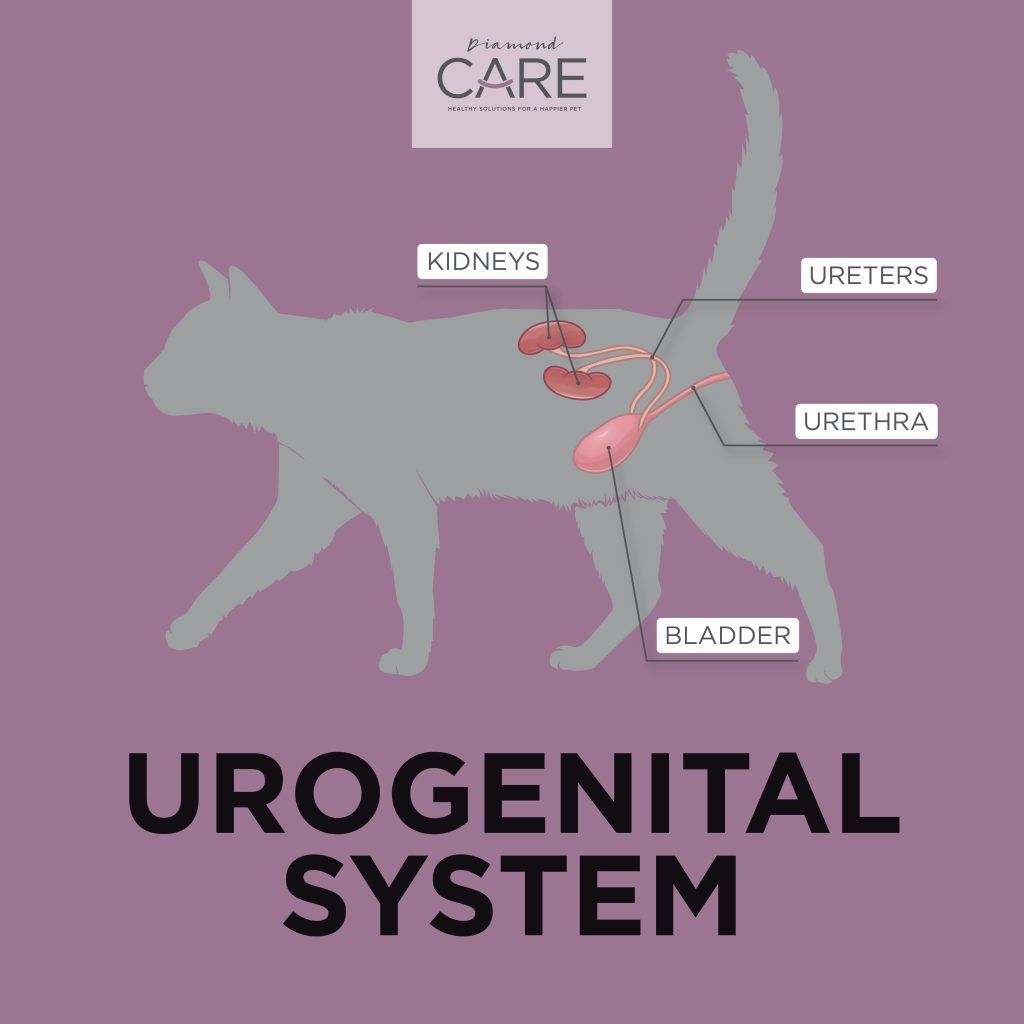
Have you ever wondered what exactly is in cat urine and why it has such a strong smell? If you’re a cat owner, understanding what’s inside that tiny puddle can help you keep your home fresh and your furry friend healthy.
Knowing the components of cat urine can also explain why your cat might be marking territory or acting differently. Keep reading, because uncovering the secrets hidden in your cat’s urine could change the way you care for your pet—and your living space.
Composition Of Cat Urine
Cat urine is a complex liquid made up of various substances. Its composition reflects the cat’s diet, health, and hydration. Understanding what is in cat urine helps in recognizing normal and abnormal signs.
Urine mainly carries waste products from the cat’s body. It also contains water and several important compounds that keep the cat’s body balanced.
Water Content
Water makes up about 95% of cat urine. It helps dissolve waste products and flush them out of the body. The amount of water depends on how much the cat drinks and its environment.
Nitrogenous Waste
Nitrogenous waste includes urea and creatinine. These come from protein breakdown in the cat’s body. They are toxic if they build up, so the kidneys remove them through urine.
Minerals And Salts
Cat urine contains minerals like calcium, magnesium, and phosphorus. Salts such as sodium and potassium are also present. These help balance fluids and maintain proper cell function.
Organic Compounds
Organic compounds include small molecules like ammonia and uric acid. They give cat urine its strong smell. Some compounds come from food, while others result from body processes.
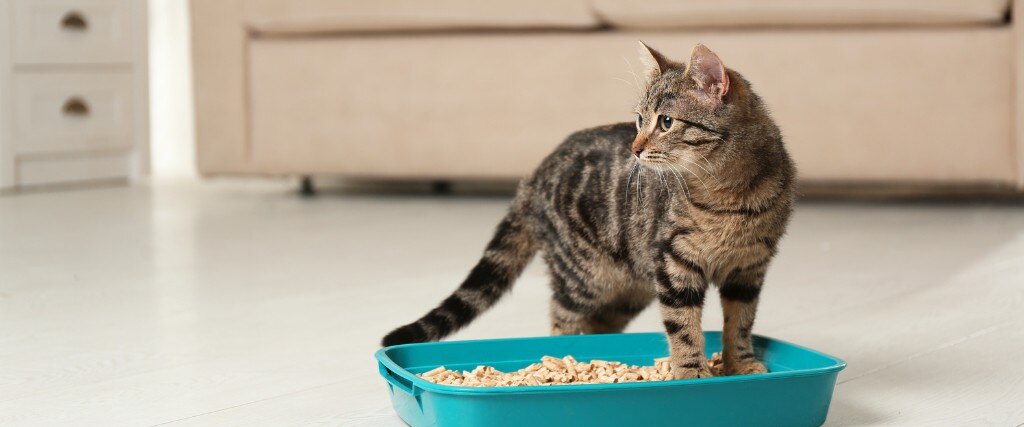
Credit: leospetcare.com
Unique Chemicals In Cat Urine
Cat urine contains a mix of special chemicals unique to feline biology. These chemicals serve different purposes, from communication to marking territory. Understanding these substances helps explain the strong and distinct smell often noticed in cat urine.
Felinine And Its Role
Felinine is an amino acid found only in cat urine. It breaks down into sulfur compounds that produce a strong odor. This smell helps cats mark their territory and send signals to other cats. Felinine is mainly found in male cats and is linked to their reproductive behavior.
Pheromones And Scent Marking
Cats release pheromones in their urine to communicate with other cats. These chemicals carry messages about identity, mood, and territory. Pheromones play a key role in social behavior, helping cats recognize each other and avoid conflicts. They also help mark safe areas for resting or hunting.
Odor-causing Compounds
Several compounds cause the strong smell of cat urine. Ammonia is one of the main contributors and can be sharp and unpleasant. Sulfur-containing compounds, like those from felinine, add to the unique scent. Bacteria breaking down urine also produce smelly gases, making the odor worse over time.
Health Indicators In Cat Urine
Cat urine contains water, waste, and chemicals that show health signs. Its color and smell can reveal hydration and illness. Testing urine helps monitor a cat’s health easily.
Understanding the health indicators in cat urine can be your secret weapon in ensuring your feline friend’s well-being. Cats are notorious for hiding their ailments, but their urine can reveal a lot about their health. By paying attention to changes in color, smell, and frequency, you can catch potential issues early and seek veterinary care if needed. Let’s explore some specific signs that can be found in your cat’s urine.Signs Of Dehydration
Dehydration in cats can manifest in their urine. If you notice that your cat’s urine is darker and more concentrated, it might be a sign they’re not getting enough water. Encourage your cat to drink more by providing fresh water regularly or considering a pet fountain. You might find that your cat enjoys drinking running water more than still water.Indicators Of Urinary Tract Issues
Urinary tract infections or other urinary issues can be detected through changes in your cat’s urine. Look out for blood in the urine or an unusually strong odor. These changes could indicate an infection or stones, which require immediate veterinary attention. Cats may also strain while urinating or visit the litter box frequently without much output.Changes Due To Diet
A shift in diet can also affect the appearance and smell of your cat’s urine. High-protein diets might result in a more pungent urine odor, while certain foods can change the urine’s pH balance. Monitor how your cat’s urine changes when you introduce new foods. If you notice any adverse effects, consider consulting with your vet for dietary advice. Have you ever noticed these changes in your cat’s urine? It might be time for a closer look, as these small details could make a big difference in your cat’s health journey.Why Cat Urine Smells Strong
Cat urine has a very strong and distinct smell. This odor can be surprising and hard to ignore. Several factors cause cat urine to smell so powerful. Understanding these reasons helps in managing and reducing the smell effectively.
Concentration Of Waste
Cat urine contains a high concentration of waste products. Cats produce small amounts of urine but with more concentrated chemicals. This concentration makes the smell sharper and more intense.
The waste includes urea, ammonia, and other compounds. These substances create a pungent odor that lingers longer than other animals’ urine.
Effect Of Diet On Smell
What a cat eats affects the smell of its urine. Protein-rich diets increase nitrogen content in urine. More nitrogen means stronger ammonia smell.
Some foods cause changes in urine pH, altering the odor. Hydration levels also matter. Well-hydrated cats produce less smelly urine.
Bacterial Breakdown
Bacteria interact with urine to create strong odors. When urine sits, bacteria break down urea into ammonia. This process releases a sharp, unpleasant smell.
Old or dried urine smells worse because of ongoing bacterial activity. Cleaning quickly helps reduce the buildup of these odors.
Impact On Home Environment
Cat urine can have a strong impact on your home environment. Its composition includes ammonia, urea, proteins, and other compounds. These substances cause unpleasant odors and stains. The smell can linger for a long time and affect your living space’s air quality. It also attracts cats to urinate in the same spot again. Cleaning cat urine is not easy. Special care is needed to remove both stains and odors effectively.
Stains And Odor Removal Challenges
Cat urine stains can penetrate deep into carpets, upholstery, and wood. The ammonia in urine creates a strong, sharp smell. Normal cleaning products often fail to remove it fully. The proteins in urine bind tightly to fibers, making stains hard to lift. Even after cleaning, the odor may return. This happens because bacteria break down urine components and release smelly gases. Removing both visible stains and hidden odors is a tough task.
Preventing Recurrence
Cats tend to return to places marked by their urine. This behavior can cause repeated accidents. Stubborn odors encourage cats to urinate again in the same spot. To stop this, thorough cleaning is essential. Removing the scent removes the cat’s marker. Keep litter boxes clean and accessible. Provide enough litter boxes in multi-cat homes. Observe your cat’s habits to catch problems early. Prevention helps maintain a fresh, odor-free home.
Safe Cleaning Solutions
Use enzyme-based cleaners designed for pet urine. These break down urine molecules and neutralize odors. Avoid ammonia or bleach cleaners, which may worsen the smell. Test cleaners on a small surface first. Use cold water to rinse the area. Blot stains gently instead of rubbing. Air out rooms to reduce lingering odors. Natural options include vinegar and baking soda, but enzymes work best. Safe cleaning protects your home and keeps cats happy.
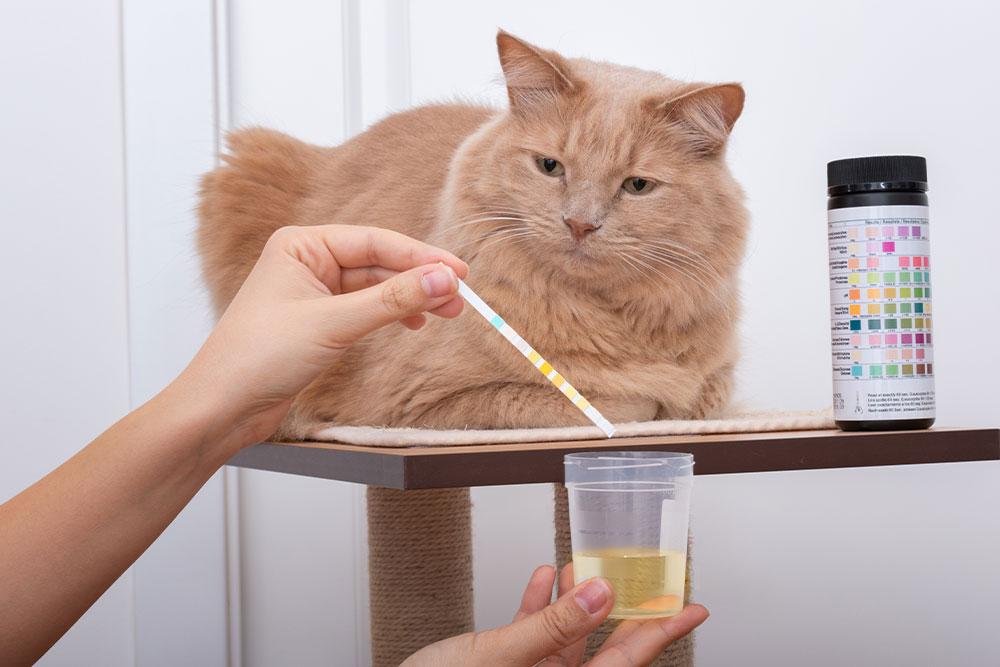
Credit: peakpeturgentcare.com

Credit: www.outdoorbengal.com
Frequently Asked Questions
What Chemicals Are Found In Cat Urine?
Cat urine contains urea, creatinine, ammonia, and uric acid. It also has pheromones and proteins unique to cats. These substances help cats mark territory and communicate with other cats.
Why Does Cat Urine Smell So Strong?
The strong smell comes from ammonia and sulfur compounds. These develop when urine breaks down. Male cats’ urine often smells stronger due to higher protein content.
Can Cat Urine Cause Health Problems?
Yes, cat urine can trigger allergies and respiratory issues. It may also carry bacteria causing infections. Proper cleaning and ventilation reduce health risks.
How Does Cat Urine Help In Cat Communication?
Cat urine contains pheromones that signal territory, mating readiness, and stress. Cats use urine marking to establish boundaries and social status among other cats.
Conclusion
Cat urine contains water, waste, and chemicals like urea and ammonia. These parts help cats get rid of body toxins. The strong smell comes from ammonia and other substances. Knowing what is in cat urine helps with cleaning and health care.
It also explains why stains and odors can be hard to remove. Keeping your cat healthy means watching for changes in urine. Simple cleaning can stop smells from spreading in your home. Understanding cat urine makes pet care easier and safer for both.

Lily Purrington is the founder of MyKittyPicks.com, a cozy corner of the web dedicated to helping cat lovers discover the best cat products, furniture, toys, and home decor ideas.
A lifelong cat enthusiast, Lily shares trusted tips, honest product recommendations, and stylish inspiration designed to keep kitties happy and homes beautiful.
Her mission is simple: to bring together practical advice and purr-fect picks that make life better for cats and the people who love them.


