

If you’ve just brought a new cat home or want to help your furry friend use the litter box properly, you’re in the right place. Litter box training might seem tricky, but it’s easier than you think.
Imagine a clean house without messes or surprises—this guide will show you simple steps to make that happen. By the end, you’ll have the tools to help your cat feel comfortable and confident using the litter box every time. Keep reading to discover how to turn this essential task into a stress-free routine for both you and your cat.
Credit: www.petsradar.com
Choosing The Right Litter Box
Choosing the right litter box is key to successful training. It affects your cat’s comfort and willingness to use it. The right size and style help your cat feel safe and clean. Placement also matters. A well-placed box encourages consistent use and avoids accidents.
Size And Type Options
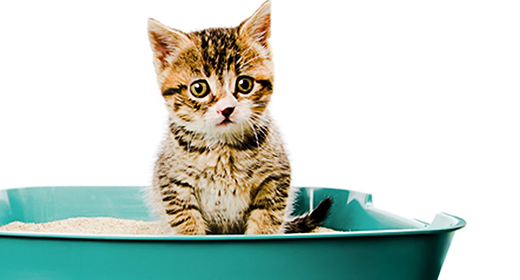
Select a litter box that fits your cat’s size and habits. Small boxes suit kittens, but adult cats need more space. A box too small may cause discomfort. Choose from open trays or covered boxes. Open boxes offer easy access and better airflow. Covered boxes provide privacy and reduce odor. Consider low-entry boxes for older or shy cats. Self-cleaning boxes can help but might scare some cats.
Placement Tips
Place the litter box in a quiet, low-traffic area. Avoid noisy places near appliances or loud rooms. Keep it away from your cat’s food and water bowls. A calm spot encourages regular use. Ensure the location is easy to find but offers privacy. Avoid areas with strong smells or drafts. Multiple boxes in different rooms help if you have many cats.
Credit: www.iams-india.com
Selecting The Best Litter
Choosing the right litter helps your cat feel comfortable and clean. Soft, clumping litter often works best for easy scooping and odor control. A familiar texture encourages your cat to use the box regularly.
Selecting the right litter for your cat’s litter box is crucial in ensuring a smooth transition to litter box training. It might seem simple, but choosing the perfect litter can make a significant difference in how well your cat adapts. Your cat’s preferences, the ease of cleaning, and odor control are all important factors to consider.Types Of Cat Litter
There are several types of cat litter available, each with its own benefits and drawbacks. Here’s a quick guide:- Clay Litter:The most common type, known for its excellent clumping ability. It’s easy to scoop, but can be dusty.
- Silica Gel Litter:Absorbs moisture well and controls odor. It’s dust-free, but some cats might not like the texture.
- Pine Litter:Made from compressed pine, it’s eco-friendly and naturally controls odor. It’s lightweight, but may not clump as well.
- Recycled Paper Litter:Dust-free and highly absorbent. It’s great for cats with allergies, but can be more expensive.
- Corn or Wheat Litter:Biodegradable and offers good clumping. It’s safe for cats, but can attract pests if not stored properly.
Scented Vs Unscented
Choosing between scented and unscented litter can be tricky. While scented litter might seem like a great way to mask odors, it can be off-putting to some cats who have sensitive noses. If you’ve ever bought a new, heavily scented litter and noticed your cat avoiding the box, you’re not alone. Cats often prefer unscented litter as it mimics their natural environment more closely. Consider your cat’s comfort. You wouldn’t want to use a bathroom that smells too strong, right? Keep it simple with unscented options, and focus on regularly cleaning the box to manage odors.Introducing Your Cat To The Litter Box
Introducing your cat to the litter box is a crucial step in helping them develop good bathroom habits. Cats are naturally clean animals, but a smooth introduction can make all the difference. You want to make the experience positive and stress-free for your furry friend.
Initial Placement
Choose a quiet, low-traffic area for the litter box. Cats prefer privacy but also want to feel safe. Avoid placing it near their food or water bowls since cats dislike doing their business close to where they eat.
Think about accessibility. If your cat is older or has mobility issues, place the box where they can easily reach it without obstacles. You might need more than one litter box if your home is large or has multiple floors.
Encouraging Exploration
Let your cat discover the litter box on their own terms. Gently place them inside after meals or naps to spark their curiosity. Don’t force or punish; instead, use calm encouragement and praise when they show interest.
Sometimes adding a little catnip near the box or using treats can help create a positive association. You might notice your cat sniffing around or scratching the litter—these are good signs they’re getting comfortable. What small changes can you make to help your cat feel more at home with their new bathroom spot?
Credit: www.petsradar.com
Establishing A Routine
Establishing a routine helps cats learn where and when to use the litter box. Cats thrive on consistency. Regular habits make them feel safe and reduce accidents. A clear schedule for feeding and bathroom breaks guides their natural instincts. Positive reinforcement encourages good behavior and builds trust between you and your cat.
Feeding And Bathroom Schedule
Feed your cat at the same times each day. This creates a predictable bathroom routine. Most cats need to use the litter box shortly after eating. Watch your cat’s behavior to find their pattern. Place them in the litter box after meals to encourage use. Keep the litter box clean and easy to access.
Positive Reinforcement
Reward your cat with gentle praise or treats after they use the litter box. This teaches them that good things happen when they go in the right place. Avoid punishment; it can cause fear and confusion. Use calm tones and petting to show approval. Consistent rewards help your cat feel confident and eager to repeat the behavior.
Handling Common Challenges
Litter box training your cat isn’t always a smooth ride. You’ll face challenges that test your patience and creativity. Handling these issues effectively can make the difference between frustration and success.
Accidents And Cleanup
Accidents happen, even with the most well-trained cats. When you find a mess outside the box, clean it immediately using an enzyme-based cleaner. This removes odors that might encourage repeat accidents.
Consider why the accident happened. Is the box dirty or in a noisy spot? Sometimes, cats avoid the litter box if it’s not clean or if they feel unsafe nearby. Try adding an extra box if you have multiple cats or a large home.
What type of litter does your cat prefer? Experiment with different textures and scents. Some cats refuse to use scented litter or certain materials. Paying attention to these preferences can reduce accidents significantly.
Avoiding Negative Reactions
It’s natural to feel frustrated when accidents occur, but yelling or punishing your cat can backfire. Negative reactions can cause stress, making your cat less likely to use the litter box.
Instead, focus on positive reinforcement. Praise and treats when your cat uses the box correctly encourage good behavior. Patience and calmness help build trust and reinforce training.
Ask yourself: how do you react when your cat makes a mistake? Your tone and actions matter more than you might realize. Creating a positive environment around litter box use helps your cat feel safe and eager to follow the rules.
Maintaining A Clean Litter Box
Keeping your cat’s litter box clean is essential not just for hygiene but also for encouraging your cat to use it consistently. A clean box reduces odors and prevents your cat from seeking alternative, less appropriate places to relieve itself. Paying attention to the litter box’s cleanliness can save you from frustration and protect your home’s freshness.
Daily Cleaning Tips
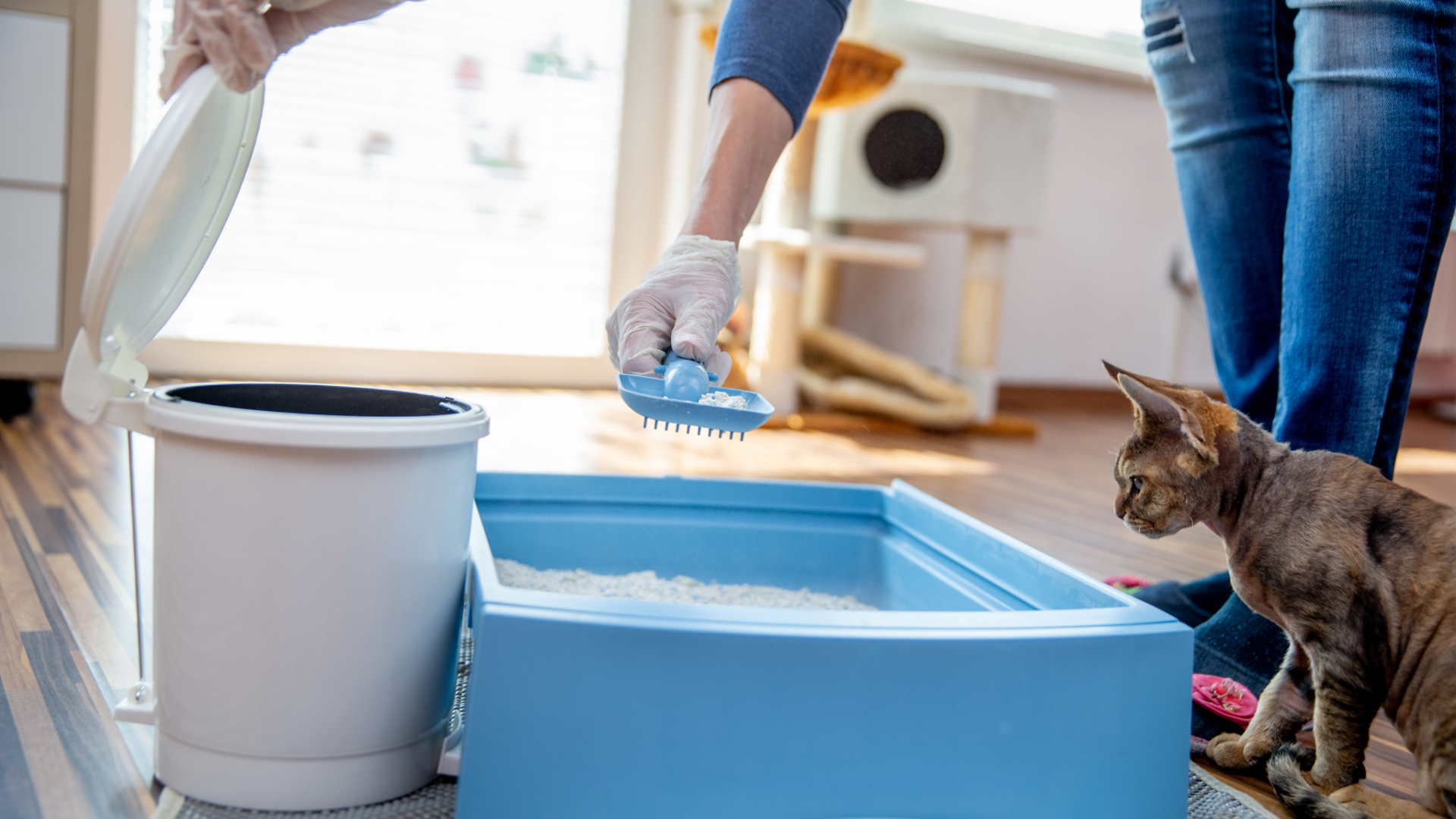
Check the litter box at least once a day. Scoop out clumps and waste promptly to keep the area inviting for your cat.
Use a small scoop with slotted holes to sift through the litter, removing urine clumps and feces efficiently. This prevents the buildup of odors and keeps the litter fresh.
Wiping the edges of the box with a damp cloth can help remove any litter that sticks, making the box look and smell cleaner. Have you noticed how even a little leftover mess can deter your cat?
When To Replace Litter And Boxes
Completely change the litter and wash the box with mild soap and warm water at least once a week. Avoid strong-smelling cleaners that might repel your cat.
Keep an eye on the litter’s texture and smell. If it starts to look clumpy or smells bad even after scooping, it’s time for a full change.
Consider replacing the litter box itself every year or so. Scratches and cracks can harbor bacteria and odors that cleaning won’t fix. Have you ever had a box that just never smelled right no matter what you did?
Frequently Asked Questions
How Long Does It Take To Litter Box Train A Cat?
Litter box training usually takes 1 to 2 weeks. Consistency and patience are key. Most cats learn quickly with proper guidance.
What Type Of Litter Is Best For Training Cats?
Clumping, unscented, and fine-grained litter is best. It mimics natural textures and is gentle on paws. Avoid scented litters that may deter cats.
Where Should I Place The Litter Box For Training?
Place the box in a quiet, accessible, and low-traffic area. Avoid noisy or busy spots to encourage regular use. Keep it away from food bowls.
How Often Should I Clean The Litter Box During Training?
Clean the litter box daily by scooping waste. Full cleaning with fresh litter should happen weekly. A clean box encourages consistent use.
Conclusion
Training a cat to use a litter box takes patience and care. Start with a clean, quiet spot for the box. Show your cat where it is and keep the area tidy. Praise your cat when it uses the box.
Watch for signs if it needs help. Small steps make a big difference. Soon, your cat will use the litter box with ease. Enjoy a cleaner home and a happy pet. Keep these tips in mind for success.

Lily Purrington is the founder of MyKittyPicks.com, a cozy corner of the web dedicated to helping cat lovers discover the best cat products, furniture, toys, and home decor ideas.
A lifelong cat enthusiast, Lily shares trusted tips, honest product recommendations, and stylish inspiration designed to keep kitties happy and homes beautiful.
Her mission is simple: to bring together practical advice and purr-fect picks that make life better for cats and the people who love them.


