
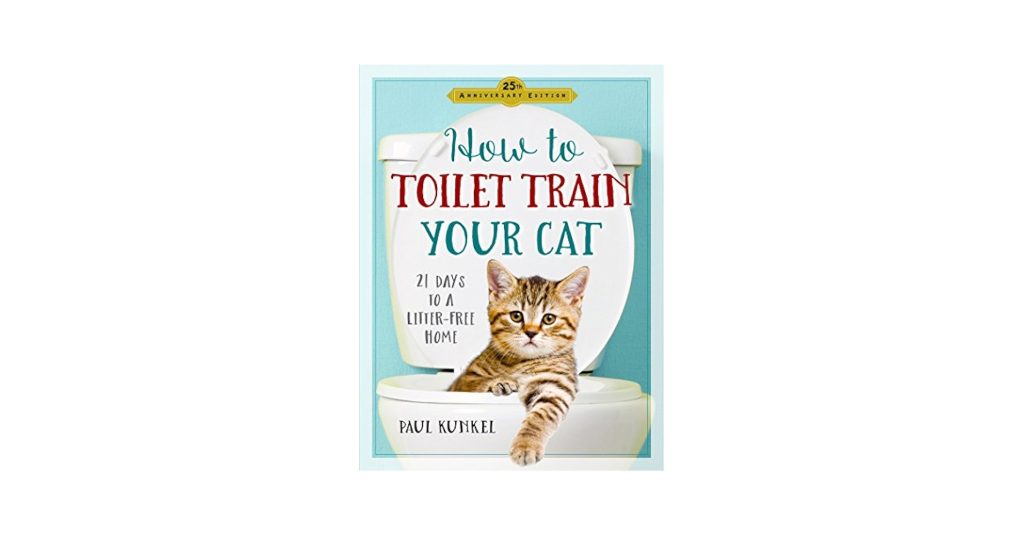
Imagine never having to scoop your cat’s litter box again. Sounds like a dream, right?
What if you could teach your cat to use the toilet just like you do? It’s not as impossible as it seems. With the right steps and a bit of patience, you can transform your cat’s bathroom habits—and make your life easier.
Keep reading to discover simple, effective tips that will help you train your cat to use the toilet, saving you time and keeping your home cleaner. Ready to get started? Let’s dive in!

Credit: www.walmart.com
Benefits Of Toilet Training Your Cat
Training your cat to use the toilet offers several advantages for both you and your pet. It can create a cleaner home environment and reduce daily chores. The process helps your cat develop good habits that benefit its health and hygiene.
Toilet training also saves money by cutting down on litter costs. It reduces the need for cleaning up messes around the house. Cats often enjoy the challenge, which can strengthen your bond with them.
Cleaner And Fresher Home
Toilet training eliminates litter boxes that can smell or attract pests. It keeps your floors and carpets free from scattered litter. The house stays fresher with less odor from cat waste.
Cost Savings
No need to buy cat litter regularly. Saves money spent on cleaning products for accidents. Reduces waste disposal costs by using the toilet instead of litter.
Improved Hygiene For Your Cat
Using the toilet prevents litter from sticking to your cat’s paws. It reduces the risk of infections caused by dirty litter boxes. Your cat stays cleaner and healthier overall.
Less Cleaning And Maintenance
Cut down on daily scooping and litter changing. No more spilled litter to sweep up. Saves time spent cleaning accidents around the house.
Encourages Mental Stimulation
Learning toilet habits challenges your cat’s mind. Training sessions provide mental exercise and engagement. Keeps your cat active and interested in new tasks.
Supplies You’ll Need
Training your cat to use the toilet is a unique journey that requires some specific supplies. Having the right tools makes the process smoother and less stressful for both you and your feline friend. Before you start, gather everything you need to set yourself up for success.
Cat Toilet Training Seat
A special cat toilet training seat is the most important supply. It fits over your toilet bowl and replaces the litter box during training. This seat usually has a removable tray where you add litter, helping your cat get used to the new spot.
Choosing a sturdy, adjustable seat matters. Some models come with multiple rings to gradually reduce the litter area. Have you found one that adjusts to your toilet size easily?
Flushable Cat Litter
Use flushable cat litter to keep the toilet clean and avoid plumbing issues. It’s safer for your pipes and easier to dispose of during training. Avoid clay-based or clumping litters as they can cause blockages.
Think about the type your cat prefers. Some cats are picky about litter texture and smell. Switching to flushable litter early helps your cat adapt without fuss.
Step Stool
A step stool is essential to help your cat reach the toilet comfortably. Not all cats can jump directly onto the seat, especially small or older ones. Position the stool nearby for easy access.
Observe your cat’s jumping ability. If you notice hesitation or slipping, a well-placed stool can boost their confidence. Could your cat benefit from a little extra help here?
Cleaning Supplies
Keep cleaning supplies on hand for accidents and hygiene. Use pet-safe disinfectant wipes or sprays to clean the toilet area regularly. This keeps the environment fresh and inviting for your cat.
Remember, a clean toilet encourages your cat to keep using it. How often do you clean your cat’s litter box now? You might need to clean more frequently during training.
Patience And Treats
While not physical supplies, patience and treats are crucial. Training takes time and positive reinforcement. Reward your cat with their favorite treats each time they make progress.
Celebrate small wins and stay calm through setbacks. What treats does your cat love most? Using them wisely can make all the difference.
Preparing Your Cat For Training
Preparing your cat for toilet training is a key step for success. It sets a strong foundation for new habits. Patience and care help your cat adjust smoothly. Understanding your cat’s behavior makes training easier.
Choosing The Right Time
Pick a quiet period without big changes at home. Avoid starting during moves or family stress. Make sure your cat is healthy and calm. Young cats adapt faster but older cats can learn too. Start training when your cat shows interest in the litter box.
Getting Your Cat Comfortable
Let your cat explore the bathroom area freely. Place the litter box near the toilet first. Keep the bathroom clean and quiet to reduce stress. Gradually raise the litter box height using stable supports. Reward your cat with treats and praise for calm behavior.

Credit: www.amazon.com
Step-by-step Training Process
Training your cat to use the toilet can be a rewarding process. It requires patience and consistency. Follow these steps to transition your feline friend from a litter box to the toilet. This method not only saves space but also reduces litter expenses.
Moving The Litter Box Closer To The Toilet
Start by placing the litter box next to the toilet. This helps your cat associate the bathroom with their natural needs. Keep it there for a few days. Let your cat adjust to the new location.
Raising The Litter Box Height
Gradually raise the litter box height. Use sturdy objects like books or boxes. Increase the height slowly over several days. This helps your cat get used to jumping up to use the box. It also prepares them for the toilet’s height.
Introducing The Training Seat
Once your cat is comfortable, introduce a training seat. Place it over the toilet with some litter. This mimics the litter box. Your cat will learn to balance on the seat. It may take a few days for them to adjust.
Reducing Litter Gradually
Reduce the amount of litter in the training seat. Do this step-by-step. This encourages your cat to use the toilet’s water instead. Eventually, your cat will not need litter at all.
Encouraging Toilet Use
Encourage your cat by praising them. Reward them with treats when they use the toilet. Positive reinforcement is key. Be patient and consistent. Soon, your cat will confidently use the toilet without any assistance.
Common Challenges And Solutions
Training your cat to use the toilet comes with its share of hurdles. You might face accidents, stubborn behavior, or difficulty keeping a routine. Understanding these common challenges will help you stay patient and find effective solutions that work for your furry friend.
Dealing With Accidents
Accidents are a natural part of the learning process. Instead of getting frustrated, clean the mess thoroughly to remove any lingering scent that might encourage repeat accidents.
Try to observe if certain times or situations cause more accidents. Sometimes, your cat might feel insecure or stressed, leading to mishaps. Offering extra reassurance and adjusting the training pace can help reduce these incidents.
Handling Cat Resistance
Not every cat takes to toilet training immediately. Some may resist because the toilet feels unfamiliar or uncomfortable. Watch your cat’s body language—signs like avoiding the area or vocalizing distress mean you need to slow down.
Try mixing in positive reinforcement with treats or affection when your cat makes progress. Have you noticed your cat prefers certain spots? Use those preferences to make the toilet area more inviting by placing familiar bedding or toys nearby.
Maintaining Consistency
Consistency is key to successful toilet training. Skipping days or changing the routine can confuse your cat and stall progress. Set a clear schedule for each training stage and stick to it, even if you feel impatient.
Remember, your cat learns best through repetition. Keep the toilet seat raised or lowered according to your current training step and ensure the bathroom environment stays quiet and calm during training times.
Tips For Long-term Success
Training your cat to use the toilet is a fantastic achievement, but maintaining this behavior requires ongoing effort. Long-term success depends on a mix of patience, observation, and positive reinforcement. These tips will help you keep your cat comfortable and consistent with their new routine.
Rewarding Positive Behavior
Every time your cat uses the toilet correctly, offer a small treat or affection immediately afterward. Cats respond well to positive reinforcement, and this will motivate them to continue the behavior.
Try using a clicker or a specific word like “good” so your cat associates the reward with the action. Over time, you can reduce treats but keep verbal praise consistent to maintain the habit.
Keeping The Toilet Clean
Your cat is more likely to use a clean, fresh toilet. Make it a habit to clean the toilet regularly to remove any odors or residues that might discourage your cat.
Consider the importance of water level too — some cats prefer a lower water line to feel safe. Adjust it if you notice hesitation or avoidance during toilet visits.
Monitoring Your Cat’s Health
Watch for any changes in your cat’s bathroom habits, like reluctance to use the toilet or signs of discomfort. These can indicate health issues like urinary infections or stress.
Regular vet checkups are crucial. If your cat suddenly stops using the toilet, don’t ignore it — prompt action can prevent serious problems.

Credit: www.countryblossomfarm.com
Frequently Asked Questions
How Long Does It Take To Train A Cat To Use The Toilet?
Training a cat to use the toilet usually takes 4 to 8 weeks. Consistency and patience are key. Some cats may learn faster, while others need more time. Gradual steps and positive reinforcement speed up the process effectively.
What Supplies Do I Need To Toilet Train My Cat?
You need a specially designed cat toilet training seat or a DIY setup. Also, use flushable litter, treats, and patience. These items help your cat transition smoothly from a litter box to the toilet.
Can All Cats Learn To Use The Toilet?
Most cats can learn, but some may resist due to personality or age. Younger cats adapt more easily. Older cats or those with health issues might find it challenging. Observe your cat’s behavior and adjust training accordingly.
How Do I Prevent Accidents During Toilet Training?
Keep the training area clean and accessible. Use positive reinforcement like treats and praise. Gradually reduce litter use to avoid confusion. Monitor your cat closely and be patient to minimize accidents.
Conclusion
Training your cat to use the toilet takes time and patience. Start slow and keep sessions short. Praise your cat often to encourage good habits. Watch for signs of stress or confusion. Remember, not all cats will adapt well. Consistency helps your cat learn faster.
Celebrate small progress steps along the way. Toilet training can save litter and reduce mess. Stay calm and enjoy the process together. Your cat will appreciate your care and effort. Keep trying, and success will come.

Lily Purrington is the founder of MyKittyPicks.com, a cozy corner of the web dedicated to helping cat lovers discover the best cat products, furniture, toys, and home decor ideas.
A lifelong cat enthusiast, Lily shares trusted tips, honest product recommendations, and stylish inspiration designed to keep kitties happy and homes beautiful.
Her mission is simple: to bring together practical advice and purr-fect picks that make life better for cats and the people who love them.


