
If you’ve ever wondered how long a cat stays in heat after mating, you’re not alone. This question is crucial for anyone who shares their home with a feline friend.
Understanding your cat’s reproductive cycle can help you better care for her, ensuring she remains happy and healthy. Imagine the relief of knowing exactly what to expect and how to handle this natural process. As you delve deeper into this article, you’ll uncover the mysteries of your cat’s behavior, and gain insights that will make you feel more confident and connected to your pet.
So, are you ready to discover the answers you’ve been searching for? Keep reading to unlock the secrets of your cat’s unique cycle.
Credit: www.pethealthclub.com
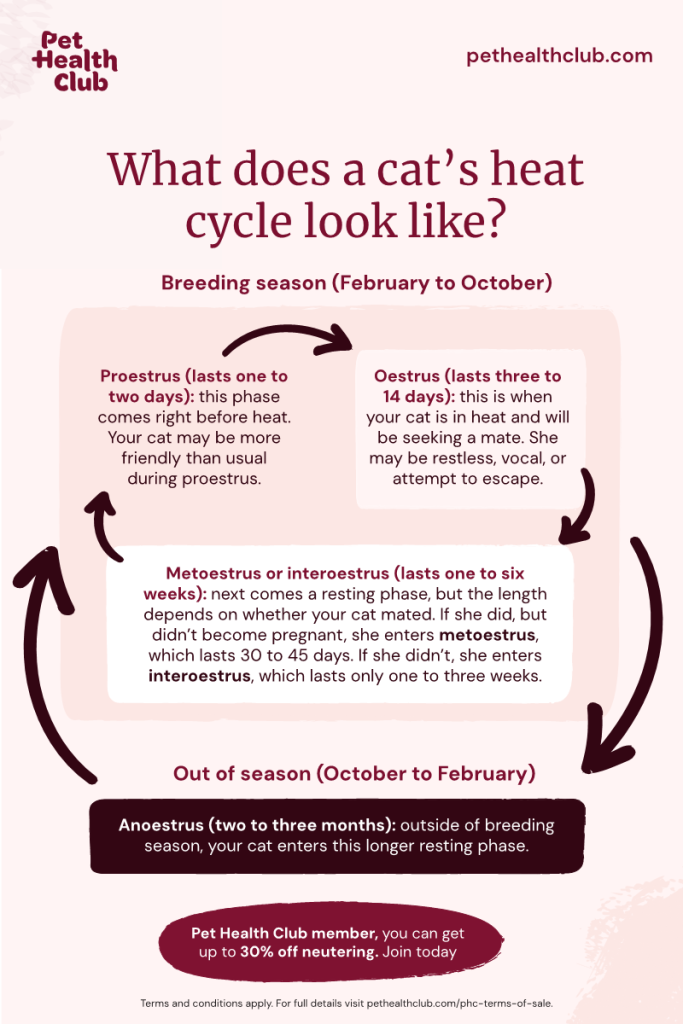
Cat Heat Cycle Basics
Understanding the basics of your cat’s heat cycle is crucial if you want to manage her behavior effectively after mating. The heat cycle is a natural reproductive phase that impacts your cat’s mood, activity, and overall well-being. Knowing what to expect can help you provide the right care and avoid surprises.
Heat Cycle Duration
A typical heat cycle in cats lasts about 7 to 10 days. However, after mating, the cycle may still continue if the cat doesn’t become pregnant. It’s common for cats to return to heat every two to three weeks until they either conceive or the season changes.
Sometimes, you might notice your cat acting restless or vocal even after mating. This happens because the heat cycle doesn’t immediately stop unless pregnancy occurs. Have you ever wondered why your cat seems to be in heat multiple times in a short period?
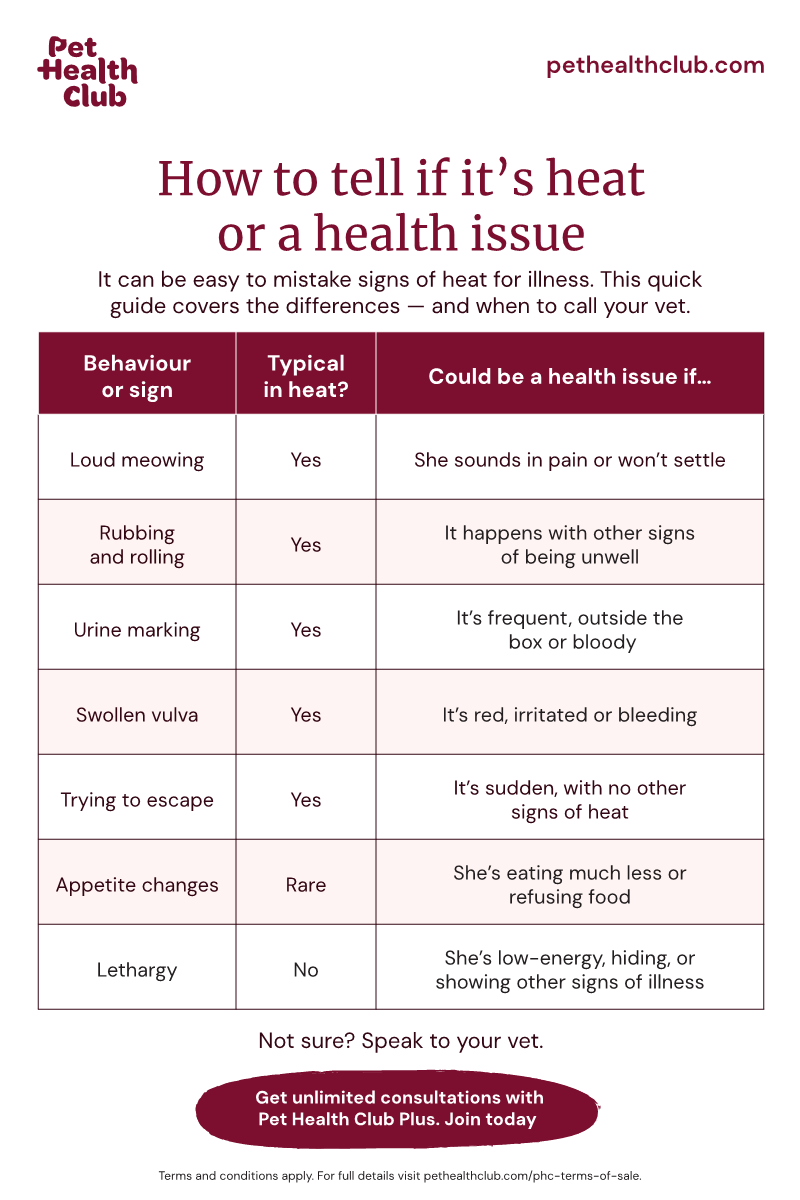
Signs Of Heat In Cats
Recognizing heat signs helps you understand what your cat is experiencing. Common signs include:
- Loud, persistent meowing or yowling
- Increased affection and rubbing against objects or people
- Frequent rolling on the floor
- Raised hindquarters and tail to one side when petted
- Restlessness or pacing around the house
These behaviors may intensify after mating if your cat remains in heat. Observing these signs can guide you in deciding when to seek veterinary advice or consider spaying to prevent repeated cycles.

Credit: petparentsbrand.com
Mating And Heat Duration
The period a cat stays in heat after mating varies. This phase, known as estrus, is when female cats are receptive to males. Understanding mating and heat duration helps in managing your cat’s behavior and health.
Changes After Mating
After mating, a cat’s heat signs might lessen or stop briefly. Some cats seem calmer, while others stay restless. The body checks if fertilization happened. If successful, heat usually ends. If not, heat signs may return within days.
Physical signs often include less vocalizing and reduced restlessness. However, some cats may continue to seek attention or act affectionate. This change depends on the cat’s unique cycle and hormone levels.
Heat Cycle Variations
Heat duration varies by cat. On average, a heat lasts 4 to 7 days. If mating does not lead to pregnancy, the cycle repeats every 2 to 3 weeks.
Other factors affect heat length:
- Age and health of the cat
- Season and light exposure
- Breed differences
Some cats show shorter or longer heat phases. Tracking your cat’s behavior helps recognize patterns. This knowledge assists in planning care or breeding decisions.
Factors Affecting Heat Length
Understanding the factors that affect how long a cat stays in heat after mating can help you better care for your feline friend. Several elements influence the duration and intensity of the heat cycle, making it different for each cat. Let’s look closely at what plays a role in these variations.
Age And Health
A cat’s age significantly impacts her heat cycle length. Younger cats, especially those just reaching puberty, may have irregular or longer heat periods. On the other hand, older cats might experience shorter or less intense cycles.
Health conditions can also change heat duration. A cat in poor health or under stress might show extended or unpredictable heat phases. Have you noticed changes in your cat’s behavior during illness? It often affects her reproductive cycle more than you’d expect.
Breed Differences
Not all cats are the same when it comes to heat cycles. Some breeds naturally have longer or shorter heat periods. For instance, Siamese cats often have more frequent and prolonged heat cycles compared to others.
Breed-specific traits can influence how quickly a cat returns to heat after mating. If you own a mixed breed cat, observing her individual patterns is key since she might not follow typical breed trends.
Environmental Influences
The environment around your cat plays a surprising role in her heat length. Daylight exposure, for example, can trigger or suppress heat cycles. Cats living in areas with less natural light might experience fewer or shorter heat cycles.
Stressful surroundings or changes in routine can also extend or shorten heat periods. Have you moved recently, or has there been a change in your home? Such factors could affect your cat’s reproductive behavior more than you realize.
Behavioral Changes Post-mating
After mating, a cat’s behavior often changes noticeably. These changes help signal her reproductive status to other cats. Understanding these shifts can help pet owners provide better care and comfort during this time. Behavioral changes usually last until the heat cycle ends or pregnancy begins.
Activity Levels
A cat’s activity often changes after mating. Some become more restless, pacing around the house. Others may seem tired and sleep more than usual. These shifts depend on whether she is pregnant or still in heat. Restlessness may indicate she is not yet pregnant. Increased sleep often means early pregnancy or the end of heat.
Vocalization Patterns
Vocal sounds usually change after mating. Many cats vocalize less if pregnancy starts. This quietness contrasts with the loud yowling typical during heat. If a cat is still in heat, her meows may continue or get louder. These sounds try to attract more mates or express discomfort.
When To Expect Next Heat
Knowing when your cat will come into heat again after mating helps you plan care and attention. The timing depends on several factors including whether she is pregnant or not. Understanding your cat’s heat cycle can prevent confusion and help you provide the right environment for her needs.
Heat Cycle Frequency
A cat’s heat cycle typically repeats every two to three weeks if she is not pregnant. Each heat lasts about four to seven days. After mating, if pregnancy does not occur, the cycle will start again soon.
Indoor cats may have more frequent heat cycles due to constant light exposure. Outdoor cats often have cycles linked to natural daylight and seasons.
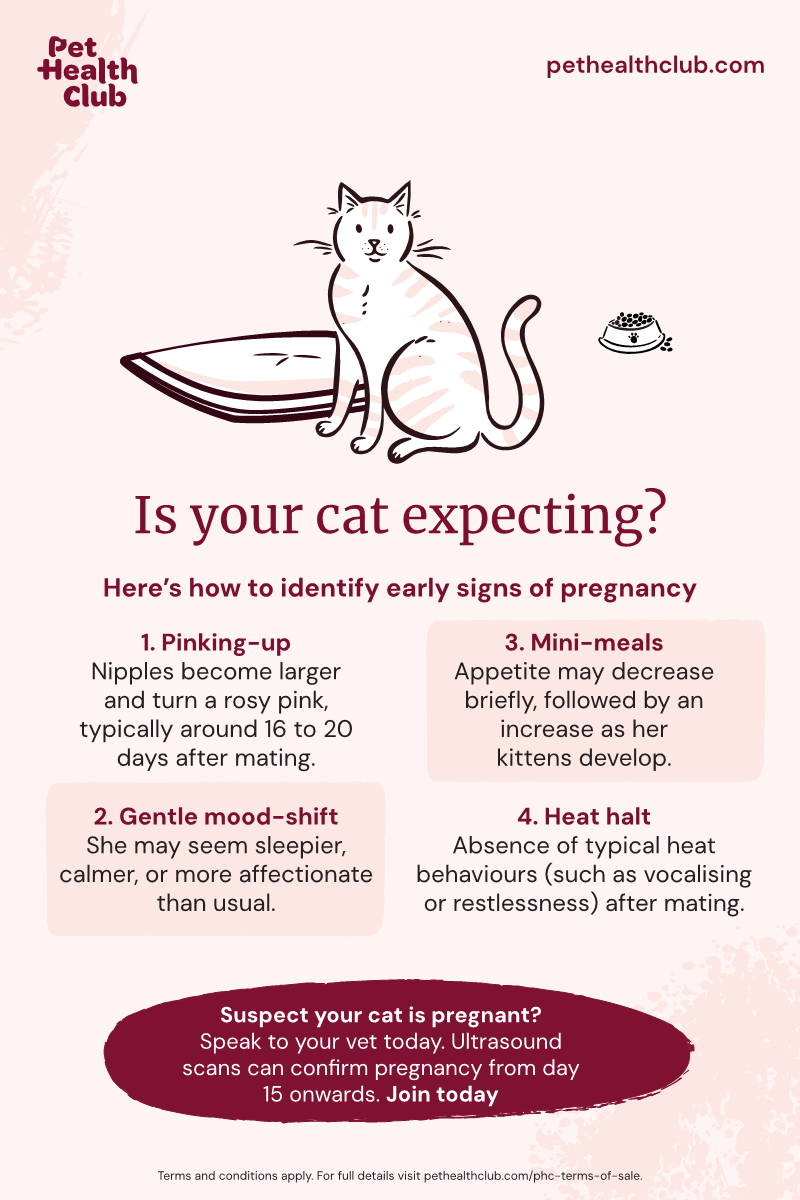
Signs Of Pregnancy
If your cat becomes pregnant, her heat cycles will stop. Early signs include:
- Reduced or no heat behaviors
- Increased appetite
- Weight gain
- Changes in nipple color and size
Pregnancy usually lasts about 63 to 65 days. During this time, the cat will not go into heat again.
Credit: www.pethealthclub.com
Managing Heat In Cats
Managing heat in cats can be challenging, especially after mating when their behavior and physical signs may continue to show. Understanding how to provide comfort and consider long-term solutions helps both you and your feline friend cope better during this time.
Comfort Measures
During heat cycles, cats can become restless and vocal. You can help by creating a calm environment with soft bedding and quiet spaces where your cat feels safe.
Try using gentle petting or brushing to soothe her, but watch for signs that she wants space. Sometimes, playing soft music or using pheromone diffusers can reduce anxiety and agitation.
Keep her routine consistent to avoid extra stress, and offer interactive toys to distract her energy in a positive way. Have you noticed certain activities that calm your cat more effectively?
Spaying Considerations
Spaying your cat is the most effective way to stop heat cycles permanently. It not only prevents unwanted litters but also reduces health risks like uterine infections and certain cancers.
Timing matters—discuss with your vet the best age for spaying, especially if your cat has already gone through mating or heat cycles. Early spaying can minimize behavioral issues linked to hormones.
Consider how spaying will change your cat’s behavior and care needs. Are you ready to make this commitment for her well-being and your peace of mind?
Frequently Asked Questions
How Long Does A Cat Stay In Heat After Mating?
A cat usually stays in heat for 1 to 7 days after mating. However, if she does not conceive, her heat cycle may repeat every 2 to 3 weeks.
Can Mating End A Cat’s Heat Cycle Immediately?
Mating does not always end a cat’s heat immediately. If pregnancy does not occur, the heat cycle may continue or restart within weeks.
What Signs Show A Cat Is Still In Heat After Mating?
Signs include vocalization, restlessness, rubbing, and increased affection. If these behaviors persist after mating, the cat may still be in heat.
Does Mating Frequency Affect How Long Heat Lasts?
Yes, multiple matings can shorten the heat duration. Frequent mating increases the chance of ovulation, potentially ending the heat cycle sooner.
Conclusion
A cat’s heat cycle can change after mating. Some cats stop quickly; others may stay in heat longer. Watching your cat’s behavior helps you understand her needs. Knowing this helps you care for her better. Always be patient and gentle during this time.
Remember, each cat is different and may act differently. If unsure, ask a vet for advice. Taking good care makes your cat happier and healthier.

Lily Purrington is the founder of MyKittyPicks.com, a cozy corner of the web dedicated to helping cat lovers discover the best cat products, furniture, toys, and home decor ideas.
A lifelong cat enthusiast, Lily shares trusted tips, honest product recommendations, and stylish inspiration designed to keep kitties happy and homes beautiful.
Her mission is simple: to bring together practical advice and purr-fect picks that make life better for cats and the people who love them.


